
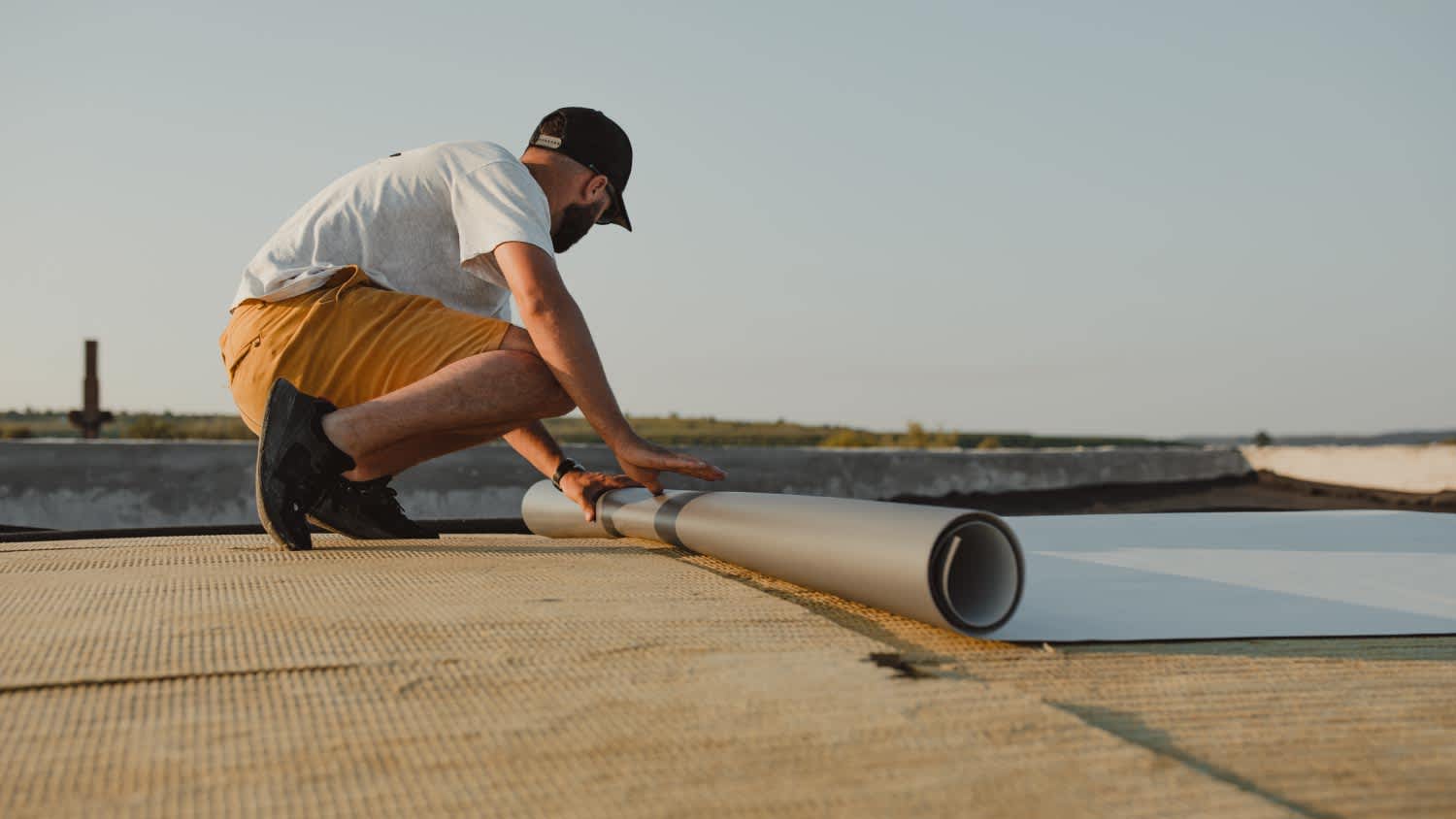
TPO roofing is a newer option for flat roofs. Find out how much TPO roofing costs and what factors can affect the price.
Stay on top of potential problems with your TPO roof

TPO hail damage shows up as punctures or tears from storm debris, and your roof needs immediate attention to prevent water leaks.
Expect to pay $6,500 to $24,000 for TPO roof replacement when repair costs reach 50% or more of replacement costs.
Seam failure from improper installation or temperature changes leads to leaks during heavy rain, so inspect your roof regularly for weak spots.
Hiring a local roof repair professional provides reliable help with seam repairs and puncture fixes, keeping your home protected and dry.
Replacing your roof is a major project, so you want to know as much as possible about the roofing material you choose—both the good and the bad—before you start the job. Thermoplastic polyolefin, or TPO, is a popular material choice for many roofs, but like any material, it can present some problems. Learn about common TPO roofing problems, why they occur, and how to prevent them so your roof stays durable and can protect your home for years to come.
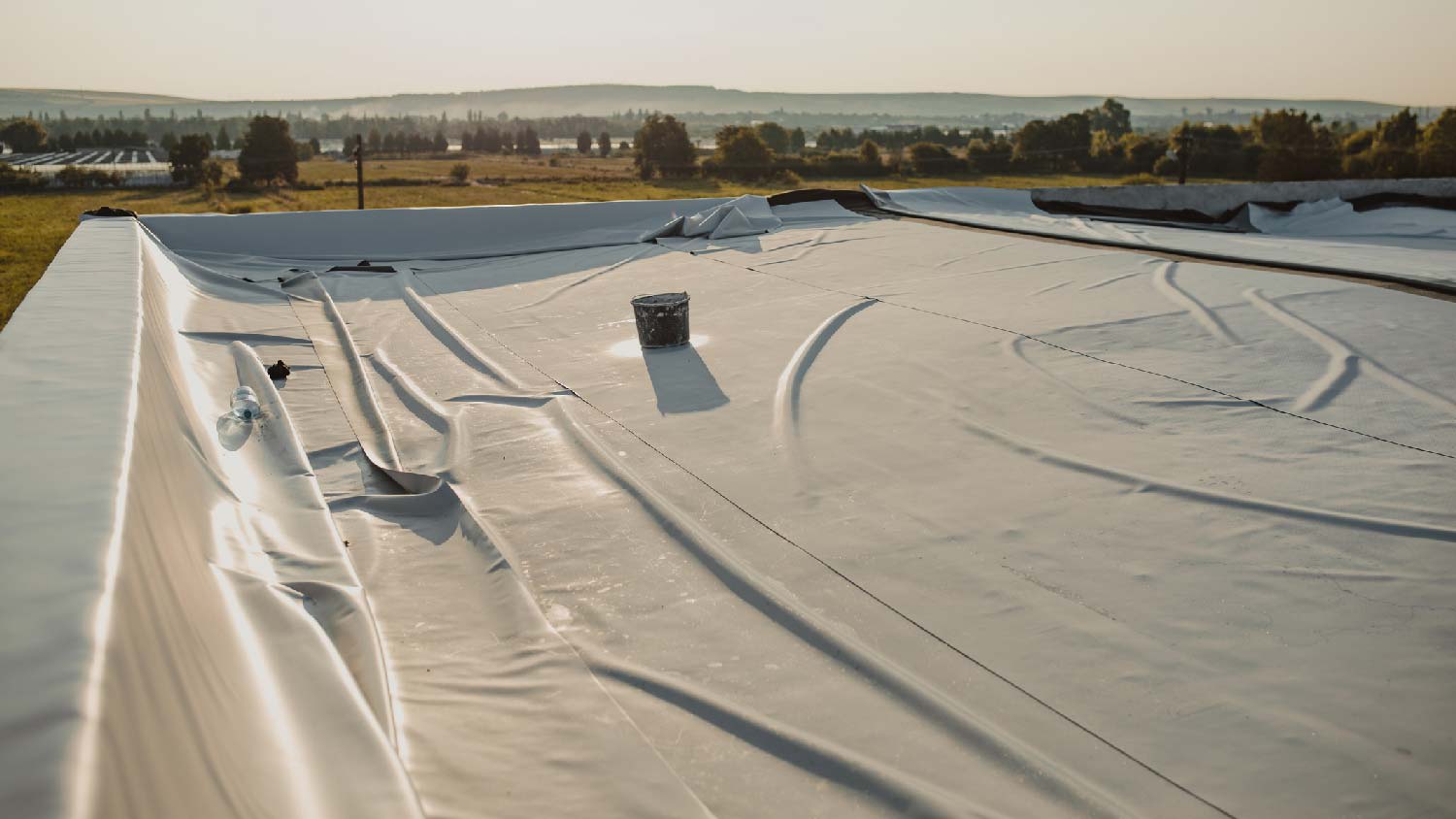
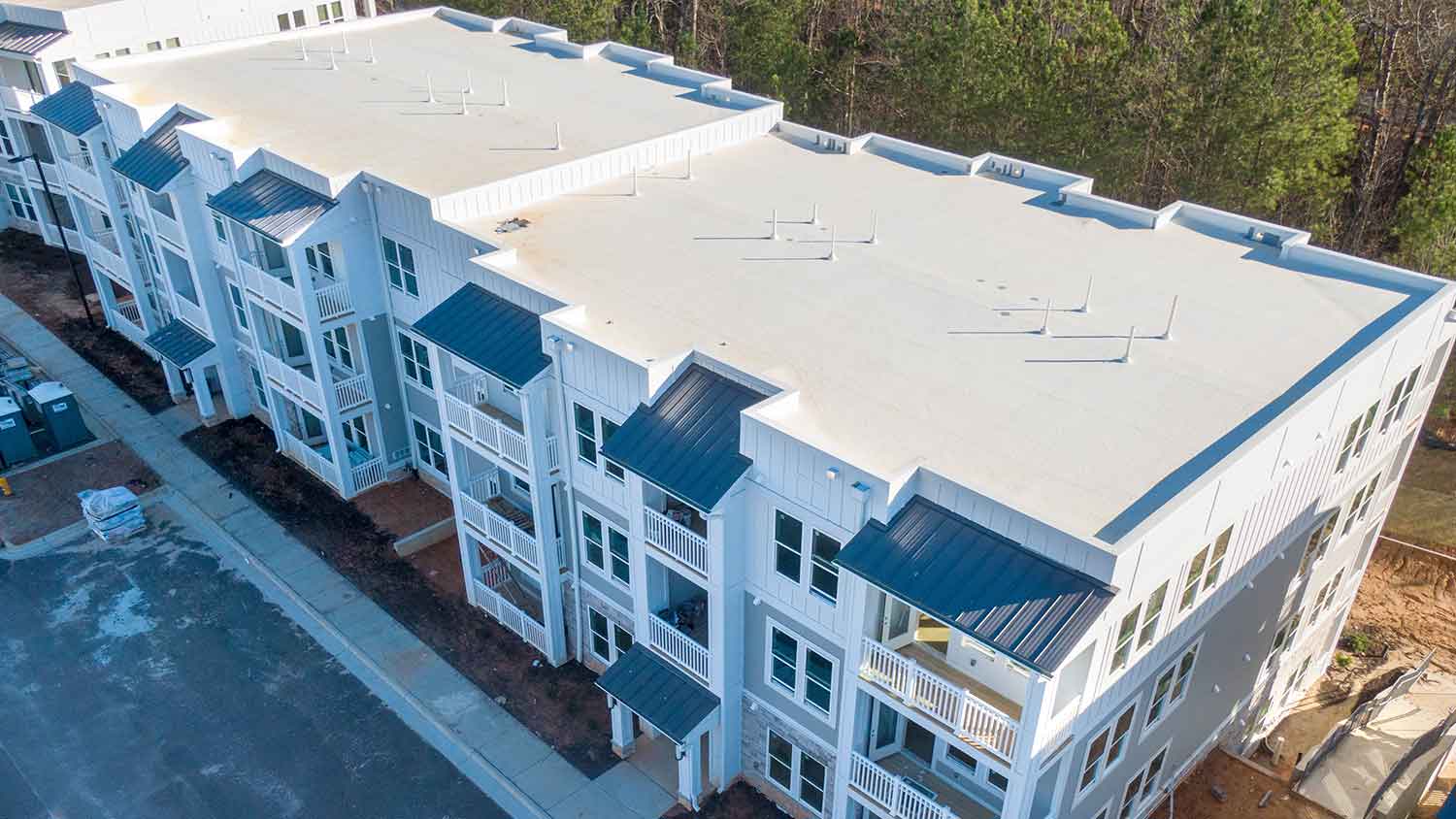
TPO roofing is a waterproof membrane that comes in large sheets of thermoplastic polyolefin that are joined together using heat, fasteners, adhesive, or a combination of those methods. It’s often used on flat roofs, especially on commercial or industrial buildings. For residential use, it’s used on homes with very low-sloped or flat roofs and outbuildings like freestanding garages with flat roofs.
TPO is durable and weather-resistant, making it a good choice in areas with harsh weather. It’s a low-maintenance option that can help with energy efficiency. However, this popular roofing material does have some drawbacks, which can stem from improper installation, not maintaining the TPO roof correctly, or even just the effects of aging material.
TPO roofs can cost more when you compare TPO to PVC roofs or other flat or low-slope roofing materials, but along with the higher price tag comes a longer lifespan of up to 30 years compared to 15 to 20 years for less expensive options.
Fixing a water leak accounts for nearly half of flat roof repairs. Leaks are most likely to happen at the seams where TPO membrane sheets are joined. They can also occur when TPO roofing is punctured during a storm. Contact a roofer as soon as possible to have your roof repaired and prevent water damage.
One of the most common roofing problems with TPO roofs is their susceptibility to punctures and tears from storm debris. Since the material is a single-ply flexible membrane, it doesn’t have the puncture resistance of sturdier roofing materials like shingles. A single puncture can lead to water leaks and larger tears if not immediately addressed by a local roof repair professional.
Damage from people walking around on the roof is another way TPO roofs can get punctured or torn. This damage can occur during roofing installation, repairs of HVAC units or other rooftop utilities, or even if the rooftop is used as a balcony or entertaining space. Foot traffic punctures can be prevented by reinforcing areas that may see frequent traffic.
Punctures or tears in TPO roofing can be repaired by using TPO sealant and patches or heat welding. The size and placement of the puncture will determine the best repair method—contact a roofer to ensure the puncture is repaired properly.

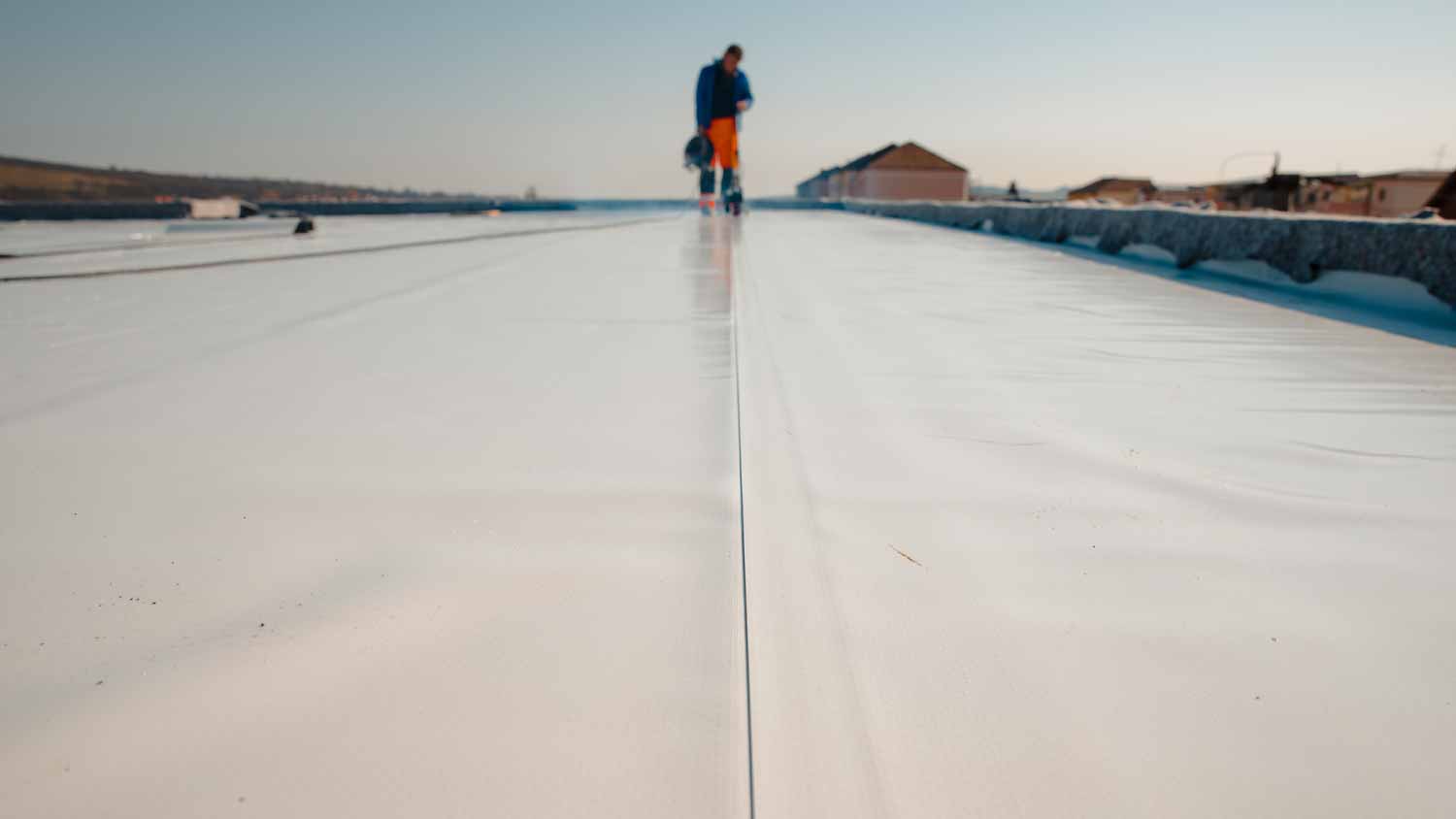
TPO roofs can leak at the seams where the membrane sheets are joined together. These seams are the weakest point of the roofing material and the most likely to fail, which can lead to unexpected and unwanted water intrusion and roof leaks during heavy rain. If you notice leaks from your TPO roof, it’s best to immediately call a pro who repairs roofs to fix the seams as soon as possible.
The most likely reason a TPO roof will leak at the seams is that the seams weren’t joined properly during installation. TPO sheets are often joined using heat guns, and if the roofer doesn’t follow the correct procedure, the seam can fail. Sometimes, adhesives are used to join seams instead of heat and can weaken or deteriorate if not properly installed.
Another cause of seam leaks is when the TPO material shrinks and expands due to changing temperatures. This puts pressure on the seams and weakens them.
Leaks from seam failure can be repaired by having a professional re-weld the seams. This is a job best handled by the pros—trying to DIY seam repair can worsen the problem and compromise your roof. Choose a roofer with experience repairing TPO roofing for the best results.
A TPO roof should be smooth and even across the entire surface. Sections that don’t look uniform due to peeling, bubbling, or lifting material are signs that something’s wrong.
Peeling, bubbling, and lifting are almost always signs of a bad roofing job for TPO roof installation. The roof’s surface needs to be clean, dry, and properly prepared before installing TPO. If the roofer hasn’t followed the necessary steps to prepare the roof, the TPO sheets won’t adhere correctly, which can lead to problems with the roof’s surface.
Repairing a peeling or bubbling TPO roof isn’t an easy fix. If the roof wasn’t properly installed, find out if the manufacturer or installer offers a warranty since your roof will likely need to be removed and reinstalled.
TPO is designed to be installed on flat roofs that have a very slight slope and a fully functioning drainage system to remove water from the roof as quickly as possible. Water will pool on the surface if the roof isn’t built with the necessary slope.
Pooling water is a significant concern when dealing with a flat roof. Water accumulation can weaken the TPO material and degrade the seams, leading to leaks, mold growth, and other serious problems.
Deteriorating TPO can also lead to standing water since the membrane can lose its waterproof properties and prevent water from draining properly. Regular inspections will alert you to any areas of deteriorating material so you can address any issues before standing water becomes a problem.
To fix a recurring ponding or pooling problem on your TPO roof, ensure that your drainage system is working properly and the roof’s slope is appropriate for adequate drainage. A professional roofer will be able to assess your drainage and slope to avoid future water accumulation.

Another common problem with TPO roofs is when the flexible membrane shrinks or warps from its original position. Shrinkage can cause gaps in coverage that allow water to penetrate the roof and contribute to faster material deterioration.
If the TPO material isn’t installed correctly, it may begin to shrink immediately after installation. The membrane sheets must be adhered to the roof’s surface according to the manufacturer’s specs to maintain their original shape.
Extreme heat can cause TPO to shrink. Extended exposure to high heat can make the material stiff and brittle, causing it to lose its flexibility and shrink.
Age is also a cause of shrinkage. It’s important to replace a TPO roof when it shows signs of aging. These roofs can last up to 30 years, but extreme weather conditions and lack of maintenance can shorten their lifespan.
How to fix TPO shrinkage will depend on what’s causing it. If the material is shrinking due to age, heat, or UV exposure, it’ll need to be replaced. Improperly installed TPO that’s shrinking may be able to be re-adhered—call a local roof repair pro to see if it can be fixed.
If your roof’s TPO material is punctured during a storm, it can likely be repaired. However, if the material is shrinking due to age or has extensive damage, it makes more sense to replace it entirely.
Another rule of thumb is that if the TPO repair costs 50% or more of the cost to replace it, you’re better off going for the replacement. On average, installing a new TPO roof costs $6,500 to $24,000.
It’s easier and more cost-effective to prevent TPO roofing problems than it is to fix them. With a few proactive steps, you can reduce the risk of costly roof damage. Some prevention steps you can take include:
Have your roof inspected annually to identify any damage or potential problems.
Reinforce areas that act as walkways or may see foot traffic.
Ensure your drainage system is working properly to quickly direct water off the roof.
Trim overhanging tree branches to reduce the risk of punctures from debris.
Apply protective sealants or coatings to maximize protection against UV damage, water intrusion, and more.
Mitchell and the crew were top tier i am so happy with my new roof
 Home Genius Exteriors
D1 Roofing delivers outstanding service from beginning to end, backed by a strong warranty and expert teams. I highly recommend them for their excellence in meeting and surpassing expectations with unmatched communication. Choosing D1 Roofing was flawless decision
 Division 1 Roofing LLC
This place took $25,000 for a flat roof job with a five-year warranty and never returned to fix the leaks that were caused by their work. These people are not professionals and should not be doing this type of work. They incorrectly changed the pitch of the roof, and caused more damage than...
The technician was very professional and friendly. He answered all my questions and was very thorough. He left the fireplace area very clean . He inspected from the roof and advised me as to other work that might need to be done. There was no pressure there. I was very satisfied with the...
 Supreme brick & chimney
I am really impressed with their timeliness and turnaround. Mitchell came out, and we decided to move forward with their pricing. Our roof was on within a week, and we could not be happier with their team! Amazing company, great prices and honest, dependable craftsmanship. I highly recommend...
 Window Depot USA of Central Ohio
Manuel Calvillo is the best option in the area for roofing and you won't be disappointed.
They damaged multiple items on my property, including a marble slab used as a table top, tried to hide it, and refused to pay or replace. Arrived day one without a ladder to access roof & delayed a day. Left a mess in back yard; didn't wear face masks; no show by owner to property to see damages
 Grants Tree Service
I've hired Gary/Cherokee Roofing for two different homes, work quality, responsiveness, and completion have been great both times. And the prices quoted were very competitive. I would definitely hire again.
Lyle did a great job removing asbestos shingles from our front porch roof. They worked together with our roofer to make sure that the new roof was able to be installed on the same day that Lyle removed the asbestos shingles.
 Lyle Environmental
Bradley Builders did a good job replacing the roof on our front porch. They color-matched the existing shingles on the rest of the house and installed a metal ridge roll since we live in a historical neighborhood. They did the job while we were out of town. When we got back, everything was...
 Bradley Builders, Inc.
From average costs to expert advice, get all the answers you need to get your job done.
TPO roofing is a newer option for flat roofs. Find out how much TPO roofing costs and what factors can affect the price.
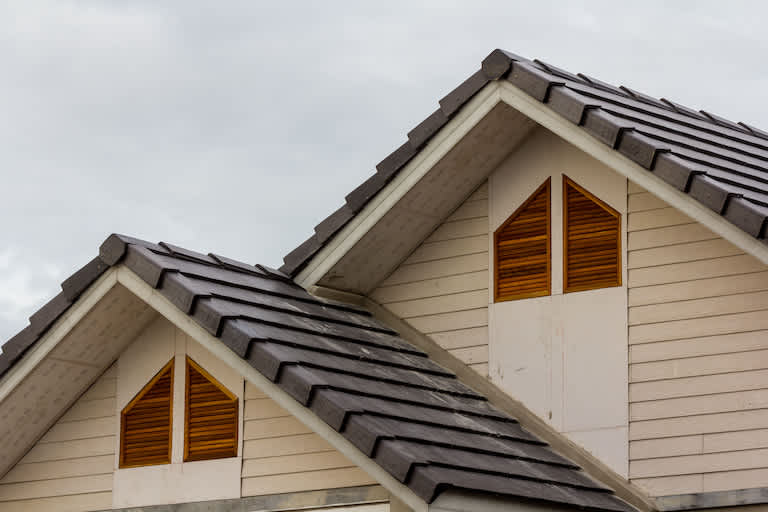
Rubber roof costs vary considerably for each project. Learn how factors other than roof size and labor contribute to the total cost.
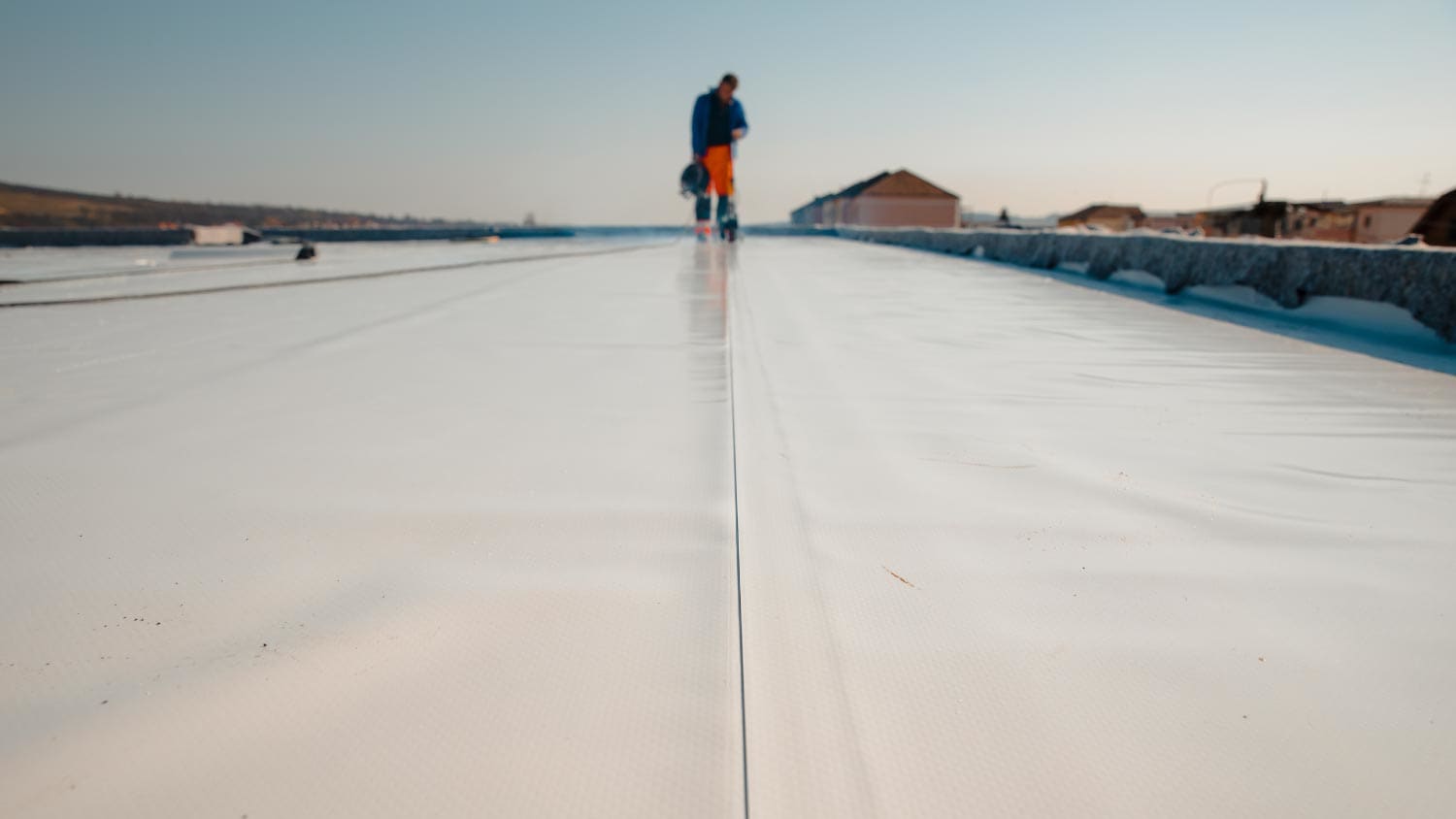
Thermoplastic Polyolefin (TPO) roofing is a reflective membrane that can help save on your energy bills on hot and sunny days. Read this to see if a TPO roof is right for you.
The secret to extending your TPO roof's longevity is by keeping it clean, clear, and properly installed. Check out these nine TPO maintenance tips for year-round care.
When it comes to TPO vs. EPDM roofing, you should consider longevity, up-front cost, durability, and more. Learn which is better for your roofing project.
Can’t decide between TPO versus PVC roofing? Learn about the differences and how to choose the best option for your climate and budget.