
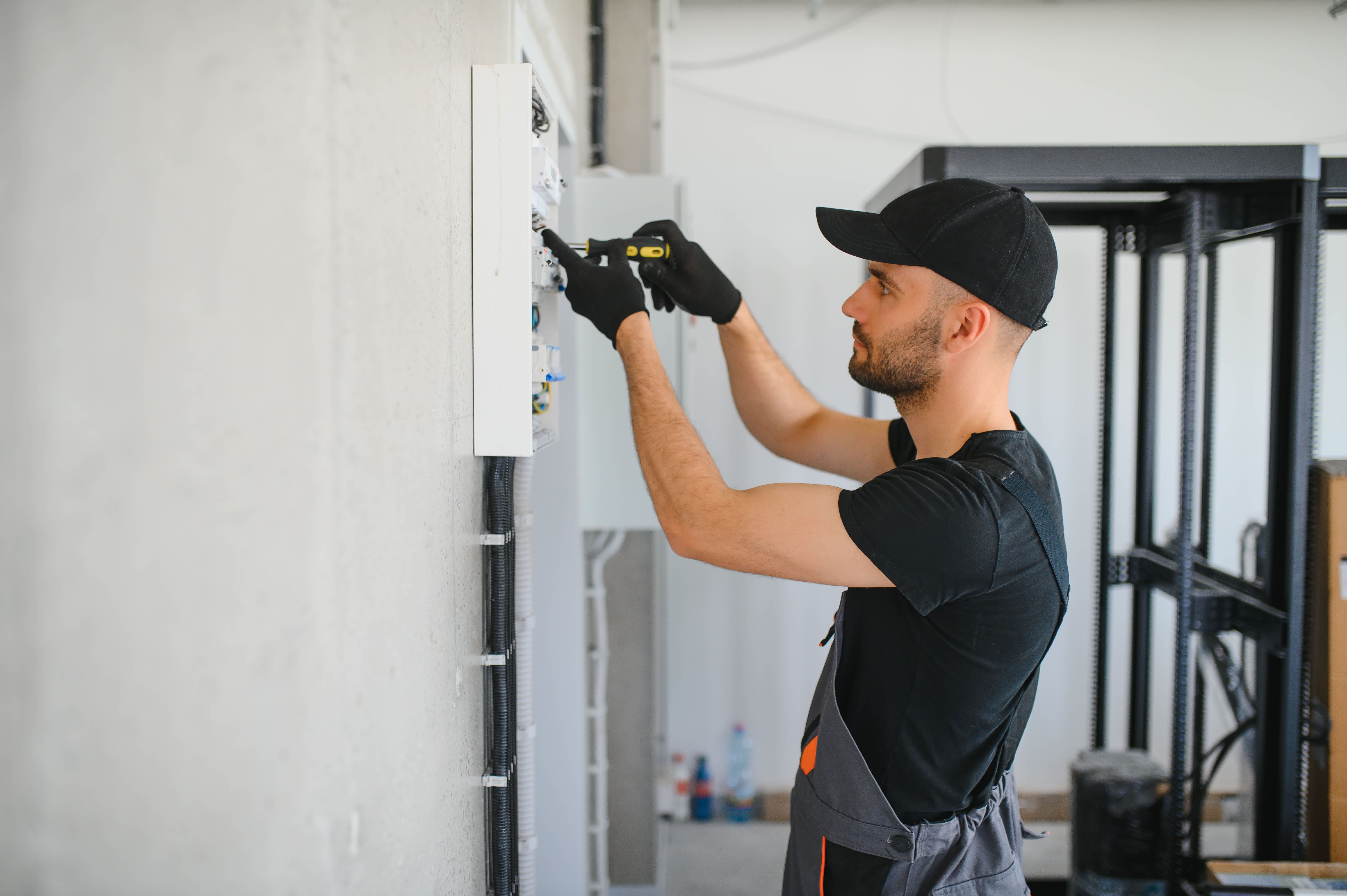
Rewiring a house costs in Boston can vary by the project. Explore the key factors that impact pricing and what to know before hiring a pro.
Plumbing costs depend on your project and location. Check with a local pro for your specific job.

The cost to repipe a house in Boston trends above national averages because of high labor rates and costs of living.
Copper piping is the most expensive option at $3 to $9 per linear foot, while PEX and CPVC start at around $1 per linear foot.
Permit fees, drywall repairs, mold remediation, and water damage restoration can significantly increase your budget.
Hiring a licensed plumber in Boston, MA, helps ensure code compliance and reduces risks of leaks, water damage, and failed inspections.
Boston’s higher cost of living pushes whole-home repiping costs above the national average. The average Boston cost to repipe a house ranges between $1,625 and $16,245, with most homeowners paying around $8,123, depending on factors like accessibility, piping material, and labor rates. Here’s what to expect when budgeting for repiping in Boston.
These are the main factors that will impact the cost to repipe a house in Boston, MA.
Large homes have more plumbing fixtures and require longer runs for pipes and drain lines, so they cost more to repipe. Additionally, multistory homes cost more to repipe than single-story homes because you'll need more piping material to reach plumbing fixtures between floors.
There are three main types of plumbing pipe materials: copper, CPVC, and PEX. Costs vary with the material. For instance, copper ranges from $3 to $9 per linear foot, while CPVC costs around $1 to $2 per linear foot.
Remember that local codes can dictate the types of pipes you can use. Your plumber can recommend the best material for your home.
| Piping Material | Average Cost Range per Linear Foot |
|---|---|
| PEX | $1–$3 |
| CPVC | $1–$2 |
| Copper | $3–$9 |
Proper piping is required for all of your home's fixtures, including toilets, sinks, and showers. The more fixtures you have, the more piping you'll need. Rough-in plumbing for a bathroom is costly, as getting pipes to precise locations is more labor-intensive than running plumbing behind walls. If you’re changing your home’s layout, expect to pay more for the total cost.
| Plumbing Fixture | Average Cost Range |
|---|---|
| Sink | $380–$865 |
| Dishwasher | $435–$865 |
| Washing machine | $380–$1,630 |
| Shower | $650–$1,735 |
| Water heater | $760–$1,950 |
The size, or diameter, of your pipes also affects costs. Pipes used for waste drainage are wider than pipes designed to carry water. For the same type of piping, larger diameters will be more expensive. However, most drain lines consist of PVC, which is less expensive than copper, so drainpipes should still be more affordable than water supply lines.
If your pipes are in a difficult-to-reach location, expect to pay more for repiping your house. For example, pipes under concrete are more difficult to access than pipes behind drywall, so they cost significantly more to remove and replace.
If your municipality requires a permit for repiping, you’ll need an inspection after the work is done to ensure everything is up to code. In most cases, the initial inspection cost is included in the permit fee. However, reinspection costs around $25 to $160 if an issue requires it.
The soil around your home can also affect the cost of repiping. For example, clay soil shifts over time, affecting the surrounding plumbing and leading to more costly installations. This is only a factor if you replace buried lines, like water mains, underground pool lines, and sprinkler lines.
Hiring a professional plumber is essential for this project to ensure everything is installed properly and up to code. These are the factors that impact the labor costs on your final bill.
Plumbers across the U.S. charge between $45 and $200 per hour. Labor rates for plumbers in Boston, MA commonly range from $50 to $220 per hour because of the city’s elevated labor rates and high cost of living.
Repiping a home in Boston requires a permit issued by the local plumbing inspector. Only a licensed plumber through the Massachusetts Board of State Examiners of Plumbers and Gas Fitters can pull a permit and perform the work.
The materials used for your repiping project are subject to Massachusetts’ flat state sales tax of 6.25%.
Along with a professional plumber, you may need to hire additional contractors to open and repair walls, ceilings, or flooring after the new piping is installed. Also, if there is water damage or mold, you might need to bring in a water damage restoration or mold remediation specialist. Here are some common professionals involved in repiping projects and their typical costs:
Water damage repair specialist cost: $1,380–$6,380
Drywall repair contractor cost: $300–$930
Ceiling repair contractor cost: $440–$1,730
Mold remediation specialist cost: $1,220–$3,760
Flooring repair contractor cost: $500–$3,000
General contractor cos: $50–$150 per hour
The ROI of repiping a house won’t likely show up as a higher selling price on the Boston real estate market, but it can still play a major role in protecting your resale value and helping your home sell faster.
While worn or damaged pipes may go unnoticed during the initial walk-through, these will often be flagged in home inspection reports, and buyers may view the home as a risky investment that could require immediate repairs after closing. These concerns often lead to requests for repairs, closing credits, or reduced purchase prices, ultimately hurting your bottom line. Repiping can reassure buyers that the home has been properly maintained, helping you to get the most from your asking price and close the sale.
To help homeowners plan their next project, Angi provides readers with carefully researched cost data and upholds strict editorial standards. We start with national average project costs, which we collect by analyzing competitor information, retailer material costs, and input from professional contractors. We then apply local price index data to calculate location-specific estimates that reflect what homeowners typically pay in their local area. To do that, we use data from the U.S. Bureau of Economic Analysis (BEA), including its Regional Price Parities (RPPs), which measure price differences across cities. This helps us account for differences in labor, materials, and overall cost of living, so estimates in higher- or lower-cost areas better reflect real-world local pricing.
Every estimate undergoes a thorough editorial review to verify accuracy, consistency, and alignment with observed market conditions.
Want to help us improve our cost data? Send us a recent project quote to [email protected]. Quotes and personal information will not be shared publicly.
We Flip Home Solutions team did a fantastic job completely replacing my old shower stall with a modern, frameless shower. They arrived as scheduled, removed all the glass, walls, replaced the plumbing, installed new plumbing shower lines, head, lever, etc. There were no surprises during the...
 We Flip Home Solutions Corporation
They were first to respond and provided a prompt service. Thank you Ben and Boston Plumbing - Heating!
 Boston Plumbing - Heating Solutions
Quality plumbing work!!! They are very responsive and transparent about all costs up front. The PRV in my unit went bad and they had it repaired within 30 minutes. Overall I was very satisfied with their professionalism and quality of work. From here on out I will be utilizing them for any...
I gutted my entire unit and used Ryan for all of the plumbing (kitchen, bathroom, fireplace). He did a great job. He did everything he said he would and on time and he coordinated with the other contractors nicely. Excellent communication and the work passed inspection. Have had no issues...
 The Boston Plumber
Abba Plumbing is fantastic. They have worked for me on different jobs around my house installing and maintaining fixtures for at least four years. They are very trustworthy, They do great work at a fair price. They are convenient to schedule, They find convenient times to come to my house,...
 Abba Plumbing
Enda Cox was the General Contractor for a large bathroom renovation project in my condo. I have been extremely pleased with the quality of his work, the professionalism of Enda and his sub contractors, and the ease of communication about design and construction plans. He worked on three full...
Reynolds Plumbing is a professional, timely, clean, safe, reliable, and on budget company. I cannot speak highly enough about Kim and his employees. They are capable of taking on major high rise multi-family renovations to replacing a toilet seat. If someone is in need of an outfit that can...
 Reynolds Plumbing & Heating
Plumbing inspection and other stuff
 Van Drain
I use him whenever I need plumbing done and recommend him to my friends. I recommended him this morning!
 Aviksis Plumbing
I needed a plumber to replace a faucet in my bathroom sink. I call T-Flow and the owner Matt responded right away. He gave me a ballpark estimate so I know what you expect for the job. But I always have to call a few other places before making a decision. Some technicians blow you off if you...
From average costs to expert advice, get all the answers you need to get your job done.
Rewiring a house costs in Boston can vary by the project. Explore the key factors that impact pricing and what to know before hiring a pro.
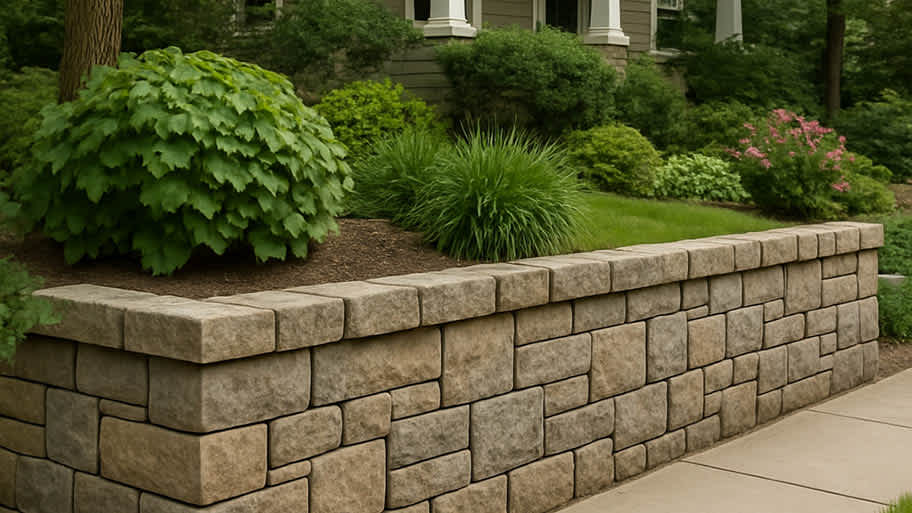
Kick erosion to the curb with an eye-catching retaining wall. Retaining wall costs in Boston, MA, vary based on the material, but this guide will help you budget.

The cost of a whole-house surge protector depends on the materials, size, installation, and more. This guide will help you budget for a new surge protector in Boston, MA.

Does repiping a house add value? While it may not up the asking price, it can help your house pass inspection and make buyers more likely to make an offer.
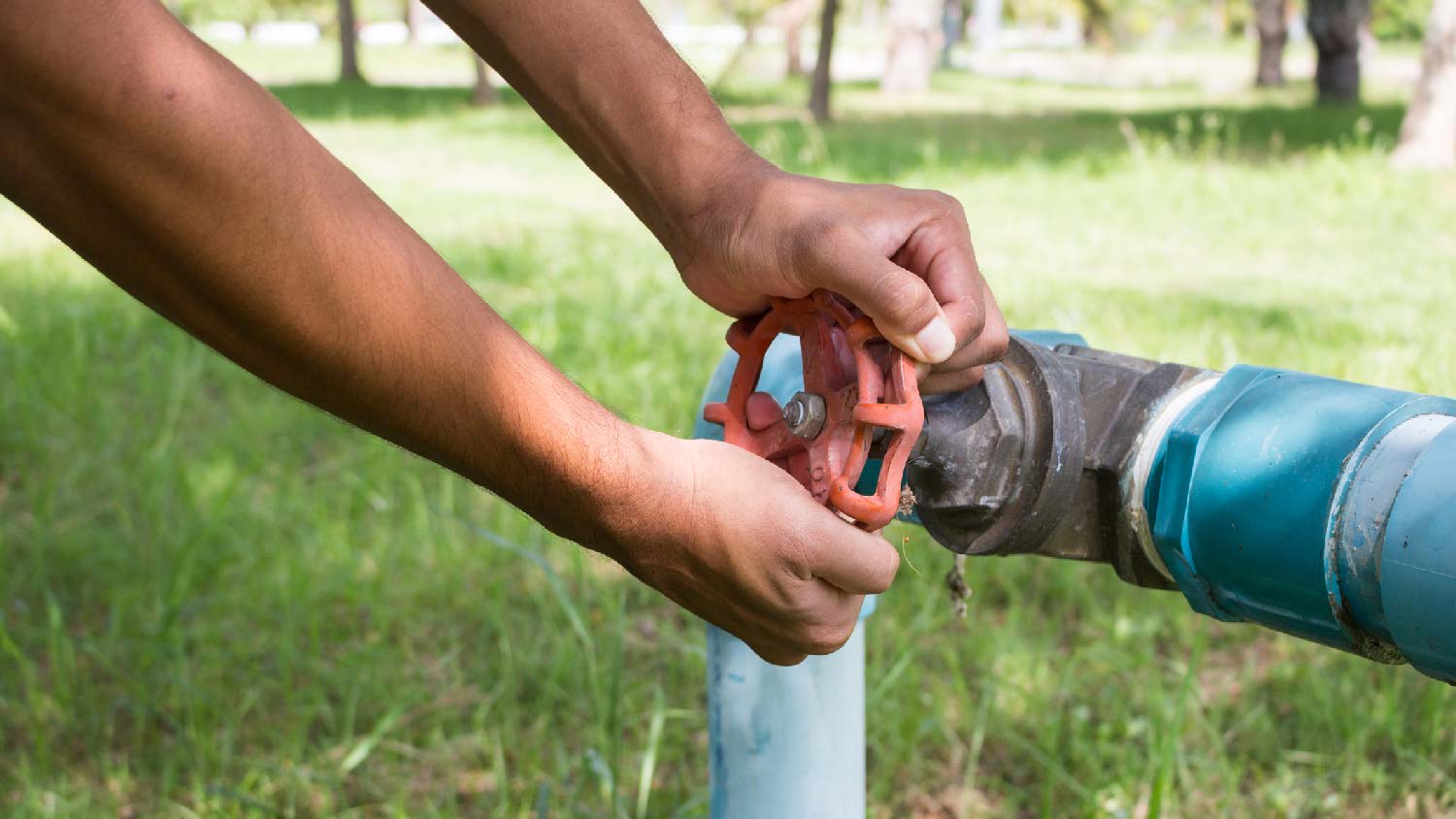
Choosing the wrong water main pipe size can lead to pressure issues and wasted money. Find out how to size it right for efficiency and long-term performance.
Find out the average furniture refinishing cost in Boston, MA. Learn what you can expect to pay for local restoration services and renew your pieces.