

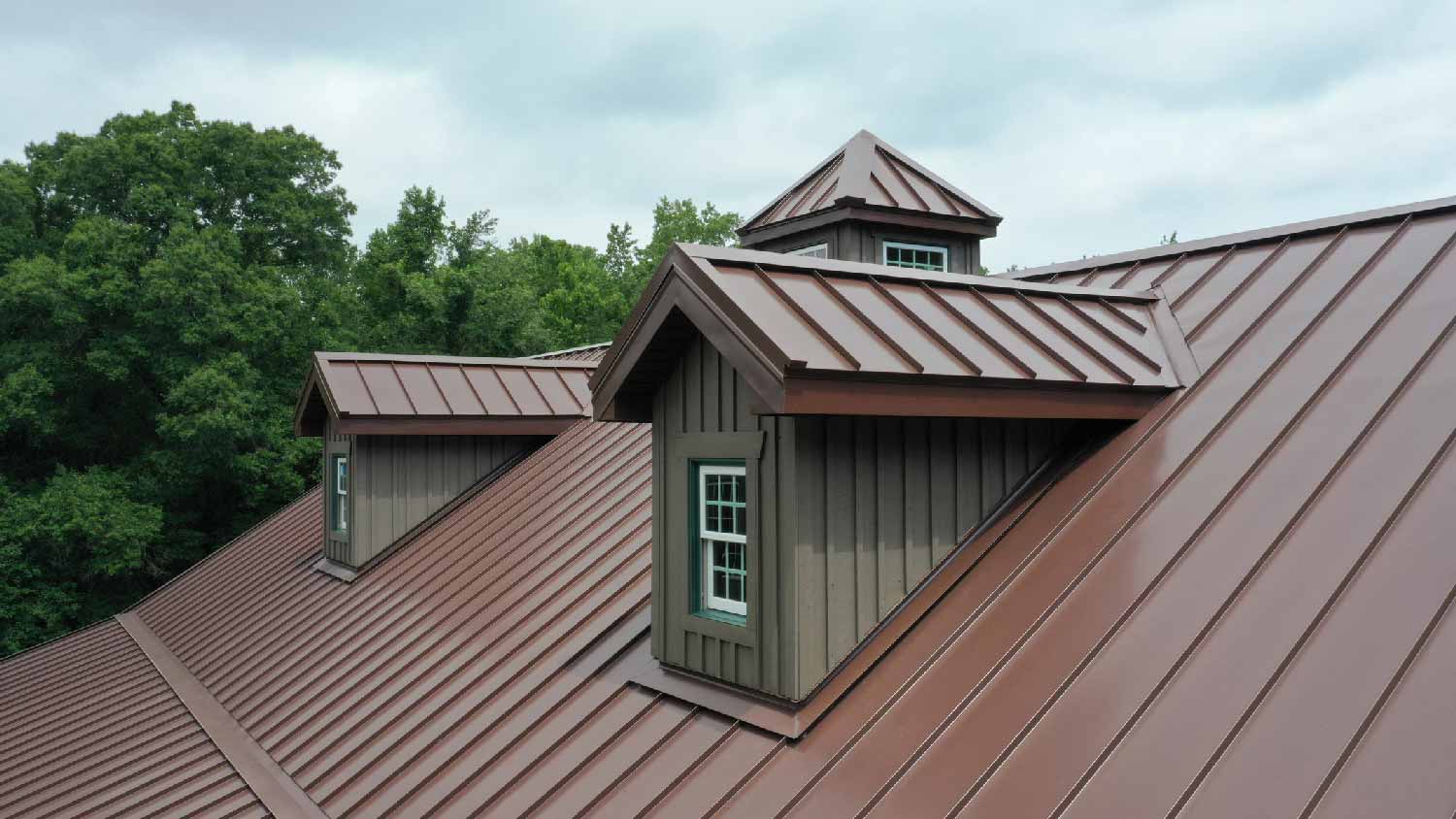
While a steel roof can cost a significant amount, it’s a hardy roofing option with great curb appeal. Learn all the factors that influence how much a steel roof costs.
Roofing costs depend on your project and location. Check with a local pro for your specific job.

Stone-coated steel roofing costs between $18,500 and $31,000 for your professional installation, with roof size as the main cost driver.
Your location and local climate conditions will affect your final project total, with urban areas costing more than rural markets.
Roof removal and demolition add up to 25% to your budget, and permits range from $400 to $2,700 for most installations.
Hiring a local roofing professional ensures your installation protects your home from weather damage and meets all building codes.
In 2026, the national average cost for stone-coated steel roofing is $26,000. Most homeowners pay between $18,500 and $31,000, with roof size, local labor rates, and material grade driving most of the variation.
Roof square footage is the primary driver of stone-coated steel roofing costs, with the average U.S. roof size of 1,700 square feet falling in the $22,000 to $31,000 range. Bulk purchasing may offer modest savings, but the material volume required means costs scale significantly with size regardless. The table below shows how costs vary by roof size, based on standardized materials and typical labor rates.
| Roof Size in Square Feet | Average Cost in 2026 |
|---|---|
| 850 | $12,000–$16,000 |
| 1,000 | $13,000–$19,000 |
| 1,300 | $17,000–$24,000 |
| 1,700 | $22,000–$31,000 |
| 2,100 | $27,000–$38,000 |
| 2,500 | $33,000–$46,000 |
| 3,200 | $42,000–$59,000 |
Hiring a roofing professional is strongly recommended for stone-coated steel installation, and most pros charge 10% to 20% of the total project cost rather than an hourly rate. This percentage-based structure means labor scales directly with the scope and materials of your project.
A general contractor is not the recommended choice for this project, but if you use one, General contractors base their rate on the total project cost, typically charging 10% to 20%, with larger projects often landing at the lower end of that range. General contractors can source materials on your behalf, though they may add a markup, and while they rarely charge hourly, some contracts include conditions where hourly rates could apply.
Your home's location is a major cost factor, with urban markets and high cost-of-living cities commanding a premium over rural areas. Local weather conditions also affect pricing, since seasonal factors like winter installation in colder climates can push costs higher even in cities with a lower overall cost of living. The table below shows how costs vary across different U.S. markets.
| Location | Average Cost |
|---|---|
| New York, NY | $33,000–$51,000 |
| Austin, TX | $26,400–$38,000 |
| Phoenix, AZ | $24,000–$34,000 |
| Toledo, OH | $19,000–$29,000 |
| Indianapolis, IN | $22,000–$31,000 |
| Louisville, KY | $19,500–$29,000 |
| Seattle, WA | $31,000–$44,000 |
| Salt Lake City, UT | $24,500–$34,000 |
| Miami, FL | $26,500–$38,000 |
| St. Louis, MO | $20,000–$28,000 |
Demolition and prep are tasks best left entirely to your roofing pro, with old roof removal alone potentially adding up to 25% to your total project cost. Prep work may also include removing old underlayment and installing new material, with all demo and prep charges billed either as a lump sum added to the project total or as hourly labor.
A permit to replace or install your roof is required in nearly all circumstances, with permit fees typically ranging from $400 to $2,700 or more depending on your location and project scope.
Installing a stone-coated steel roof may affect your homeowner's insurance premiums, with the impact varying by region. Homeowners in areas prone to heavy snowfall or frequent hail are most likely to see a meaningful difference, so it's worth checking with your insurer before the project, though significant discounts are not guaranteed.
Before replacing your roof, confirm that your existing warranty does not already cover the replacement. Stone-coated steel roofs typically come with robust manufacturer warranties, and understanding what your roof warranty covers can save you significant money if issues arise later. Professional installation also includes a workmanship warranty, so always request that in writing before work begins.
Roof repairs are expensive, averaging around $1,200 for most homeowners, but stone-coated steel's complexity means anything beyond a minor fix will likely cost more. Labor for repair work typically runs $50 to $110 per hour, with higher rates applying to steep-pitch roofs or projects scheduled during rainy, snowy, or high-heat seasons.

When considering replacement versus repair, you need to gather quotes and discuss the project with a pro. Some questions you could ask when deciding whether to replace or repair are:
Will the repair match the current roof?
Will the repair cost less than 40% of a replacement?
Will I save on project costs as a percentage by only doing a repair?
If you answered no to any of the above questions, you should consider replacing the entire roof. Some reasons to stick to a repair are:
The problem is minor and easy to resolve.
The repair is covered under warranty.
You have a limited budget.
The single best way to lower costs is by gathering multiple quotes and deciding from there. However, this could lead to choosing a substandard installer. Pay attention to all review sites before simply choosing the quote with the lowest price. Some other ways to save are:
Schedule installation during the off-season.
Check your warranty or insurance coverage.
Clear debris if you can safely access it.
Buy materials in bulk or wait for savings.
Discussing 0% financing options.
Check for government rebates for energy-efficient roofs.
While your return on investment (ROI) may be between 55% and 80%, a stone-coated roof may not directly affect the price of your home in a dollar-for-dollar way. If you invest $25,000 in a new roof, you should be able to recoup between $13,750 and $20,000 if you sell, but you wouldn't see your house increase in value by $25,000.
There are numerous ways a stone-coated steel roof could increase your home’s perceived value. All of the below points can increase a buyer’s interest in your home:
Greater curb appeal
Long-term energy savings
Lower maintenance costs
Possible insurance savings
Increased lifespan
Installing a stone-coated steel roof isn’t a safe, easy, or even legal task to DIY (in most locations). To ensure your proper installation and home protection, you should always leave this job to trained, qualified roofing professionals near you. This also means you’ll access guarantees, warranties, and insurance, which protect you in case any issues arise later. Labor costs anywhere from 10% to 20% of your total costs, but the peace of mind is more than worth it.
Here are the top reasons to hire a roofer when installing a stone-coated steel roof:
Ensure compliance with all local building codes and construction laws.
Get protection with warranties, insurance, and workmanship guarantees.
Ensure proper roof installation to protect your home from weather damage.
Access to wholesale rates on roof materials.
Support with custom solutions, such as for complex roof designs.
Enhanced safety during roof installation.
Attempting to install your own roof is a dangerous, difficult, and sometimes illegal task. We don’t recommend attempting a DIY roof installation without extensive experience, but you can save some money by doing a bit of prep work yourself, such as:
Clear the area around your home of vehicles, patio furniture, and other obstacles.
Mark rooted plants with high-visibility tape and protect garden beds with netting or tarps.
Clear your attic to avoid damage to your belongings during the roof installation.
Put fragile items (dishes, artwork, etc.) in a secure place so the vibrations of roof work don’t knock them over and damage them.
Keep pets and children safely away from the work area, or make care arrangements to keep them out of the house for a few days.
Remember that roof installation labor is directly tied to the cost of the project overall—using higher-end materials or roofing a large area will add to labor rates.
While you can opt for a general contractor instead of a roofing specialist, the cost will be similar, so it’s best to go with a specialized professional.
Don’t forget to factor in additional costs, such as removing your old roof and getting permits.
Bear in mind that future repairs may cost more with a stone-coated steel roof due to the nature of the material.
Consider how your new roof may affect home insurance premiums if you live in an area prone to major snowfall or hailstorms.
Home is the most important place on earth, which is why Angi has helped more than 150 million homeowners transform their houses into homes they adore. To help homeowners with their next project, Angi provides readers with the most accurate cost data and upholds strict editorial standards. We extensively research project costs to develop the pricing data you see, so you can make the best decisions for you and your home. We rely on reputable sources, including the U.S. Bureau of Labor Statistics, academic journals, market studies, and interviews with industry experts—all to ensure our prices reflect real-world projects.
Want to help us improve our cost data? Send us a recent project quote to [email protected]. Quotes and personal information will not be shared publicly.
Mitchell and the crew were top tier i am so happy with my new roof
 Home Genius Exteriors
D1 Roofing delivers outstanding service from beginning to end, backed by a strong warranty and expert teams. I highly recommend them for their excellence in meeting and surpassing expectations with unmatched communication. Choosing D1 Roofing was flawless decision
 Division 1 Roofing LLC
This place took $25,000 for a flat roof job with a five-year warranty and never returned to fix the leaks that were caused by their work. These people are not professionals and should not be doing this type of work. They incorrectly changed the pitch of the roof, and caused more damage than...
The technician was very professional and friendly. He answered all my questions and was very thorough. He left the fireplace area very clean . He inspected from the roof and advised me as to other work that might need to be done. There was no pressure there. I was very satisfied with the...
 Supreme brick & chimney
I am really impressed with their timeliness and turnaround. Mitchell came out, and we decided to move forward with their pricing. Our roof was on within a week, and we could not be happier with their team! Amazing company, great prices and honest, dependable craftsmanship. I highly recommend...
 Window Depot USA of Central Ohio
Manuel Calvillo is the best option in the area for roofing and you won't be disappointed.
They damaged multiple items on my property, including a marble slab used as a table top, tried to hide it, and refused to pay or replace. Arrived day one without a ladder to access roof & delayed a day. Left a mess in back yard; didn't wear face masks; no show by owner to property to see damages
 Grants Tree Service
I've hired Gary/Cherokee Roofing for two different homes, work quality, responsiveness, and completion have been great both times. And the prices quoted were very competitive. I would definitely hire again.
Lyle did a great job removing asbestos shingles from our front porch roof. They worked together with our roofer to make sure that the new roof was able to be installed on the same day that Lyle removed the asbestos shingles.
 Lyle Environmental
Bradley Builders did a good job replacing the roof on our front porch. They color-matched the existing shingles on the rest of the house and installed a metal ridge roll since we live in a historical neighborhood. They did the job while we were out of town. When we got back, everything was...
 Bradley Builders, Inc.
From average costs to expert advice, get all the answers you need to get your job done.
While a steel roof can cost a significant amount, it’s a hardy roofing option with great curb appeal. Learn all the factors that influence how much a steel roof costs.
Sealing your roof can help preserve its life span—you just have to choose the right coating. This guide will help you budget for your total roof coating cost.
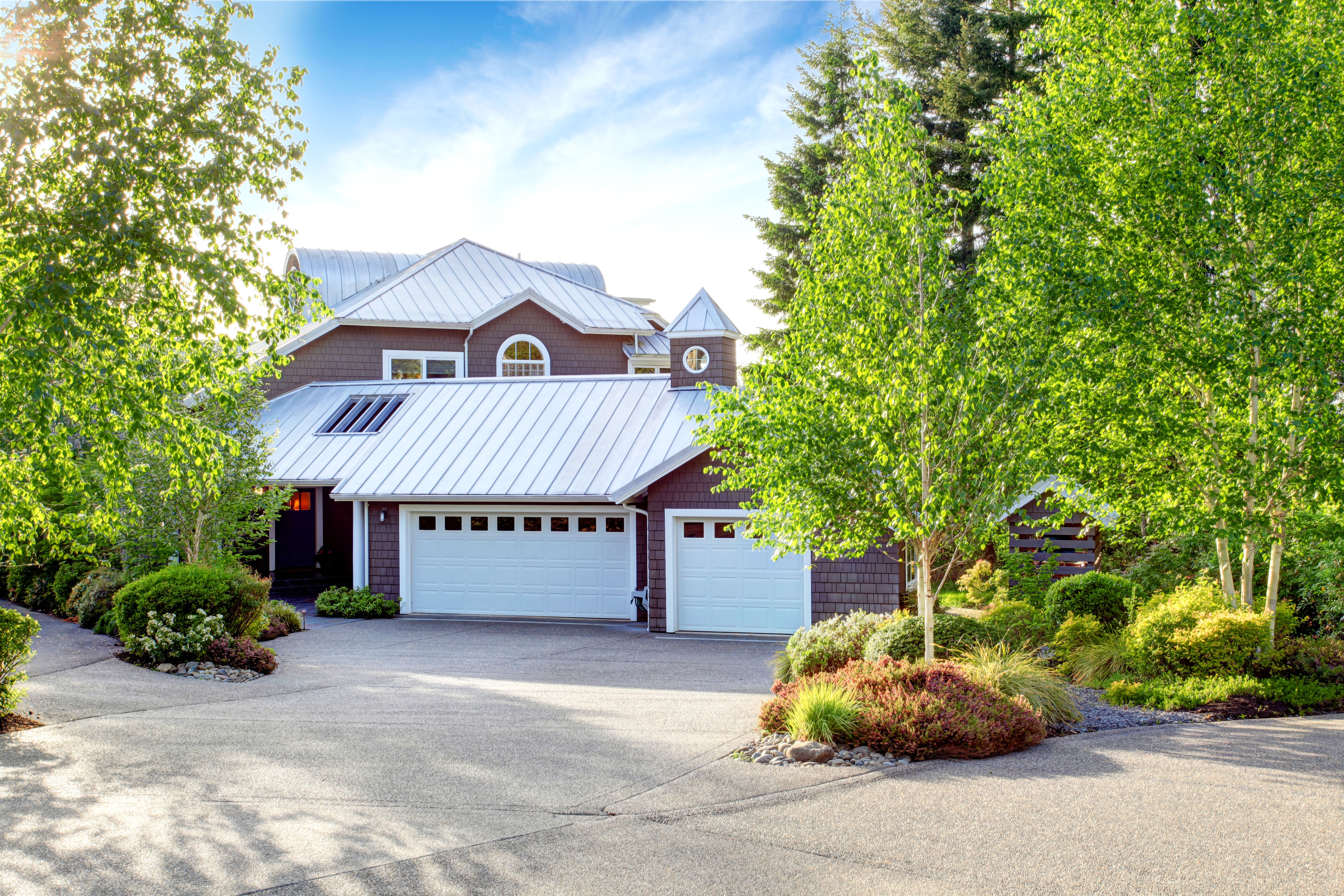
A new metal roof can add a unique touch to your home’s curb appeal and help maximize efficiency. Learn about metal roof costs and what affects your total.
Wondering who to hire for roof coating? Learn which contractor to call, how pros get it done, and what to ask before you book.
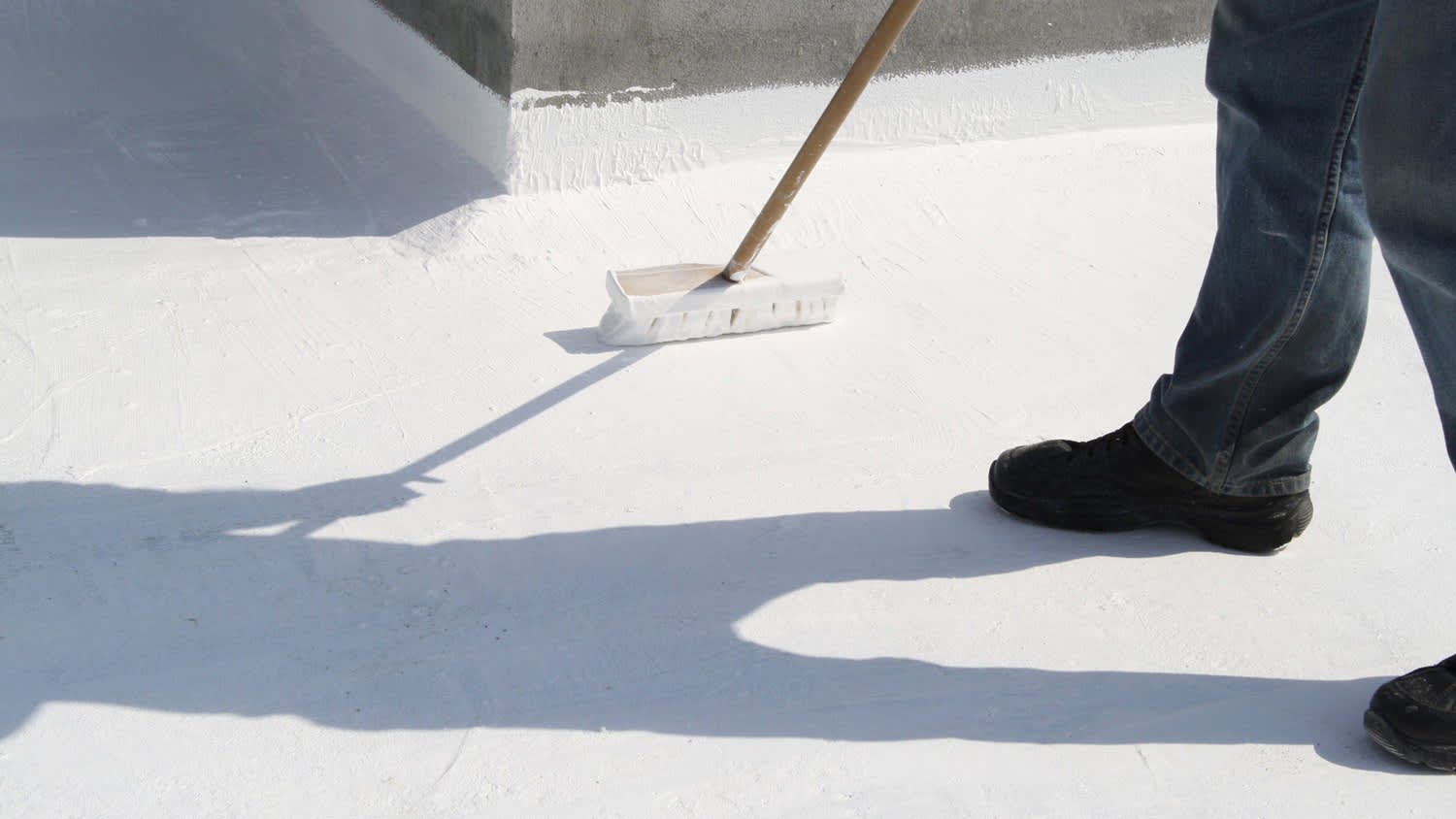
Learn how to hire a qualified roof coating pro. Find tips on vetting contractors, questions to ask, and what to expect from this specialized service.

Wondering what roof material is best for your home? Learn about metal roof costs versus shingle roof costs to see which is right for your home.