
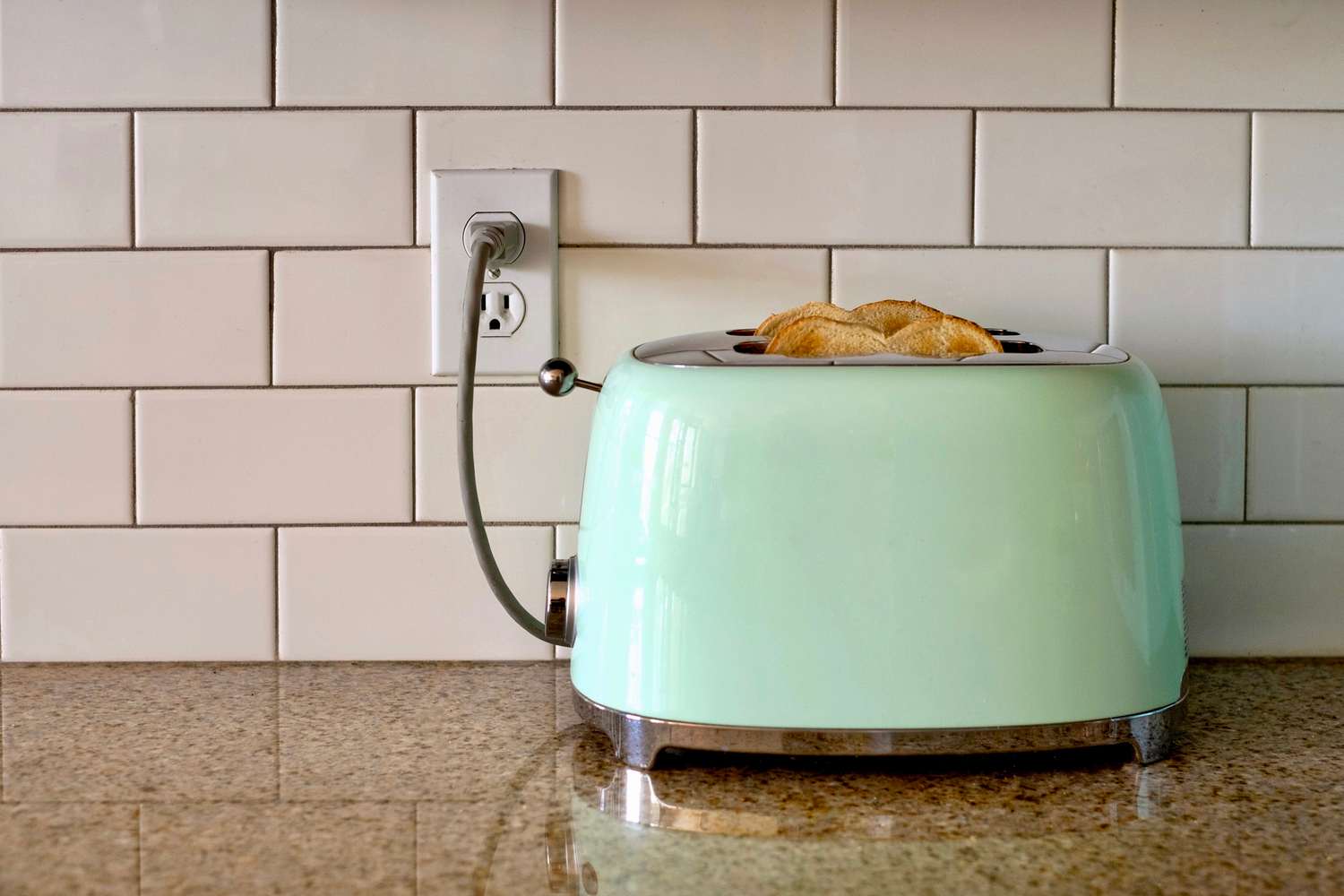
The cost to install an electrical outlet depends on many factors. Find out what impacts the cost of installing an outlet in Phoenix, AZ.
Electrical service costs depend on your project and location. Check with a local pro for your specific job.

High union rates in Phoenix, AZ, dictate hourly labor rates between $50 and $170.
Running wire through one wall to an electrical box is far less expensive than rewiring an entire floor—the more complex, the more expensive.
Requiring additional wire, breakers, and replacement cords factors into the total cost.
When hiring a Phoenix, AZ electrician, you’re paying for experience, permit-pulling, safety knowledge, and properly coded work.
Installing a 240V outlet in Phoenix, AZ, costs $227 on average, but the project can range from $181 to $310. This is a project that many homeowners find significantly increases the enjoyment of their home, even after considering the cost.
A 240V outlet installation in Phoenix, AZ, involves more than just running a new outlet. It requires heavier gauge wiring, a double-pole breaker, and a dedicated circuit connected back to your panel. Factor in any complex wiring routing, and both labor and material costs start to add up. Learn what drives the final number so you are on solid footing when discussing this project with a pro.
In Phoenix, AZ, what you pay for a 240V outlet installation depends on how much labor the job requires, what materials are needed, how far the circuit needs to run, whether your panel can handle the added load, and what the city charges for a permit. Longer wire runs and harder-to-reach locations mean more time on the job and more material out the door, both of which push the total higher.
One of the nice things about switching outlets is their extremely low price. Most residential 240V outlets—those used for washing machines, fridges, and car battery chargers—are often less than $14 and are available at almost all home improvement stores.
Remember that it’s best to only buy the electrical outlet type you need after you know the exact appliance that requires it. Match the volts and amps to the appliance, not just one or the other, and make sure you don’t need to upgrade an electrical panel.
A 240V outlet is a requirement for a number of different appliances in a house. Anything that pulls a significant amount of electricity can benefit from a 240V outlet (if one isn’t outright required). Some of the items that require 240 volts are:
Electric range or oven
Washing machine
Clothes dryer
Water heaters
Electric car charging stations
Hot tubs
Saunas
Certain power tools like table saws
Some types of air conditioning systems
| Type of outlet | Price |
|---|---|
| 50-amp 240-volt | $12 |
| 50-amp 240-volt locking outlet | $32 |
| 20-amp 240-volt round outlet | $40 |
| 50-amp 240-volt outdoor boxed outlet | $36 |

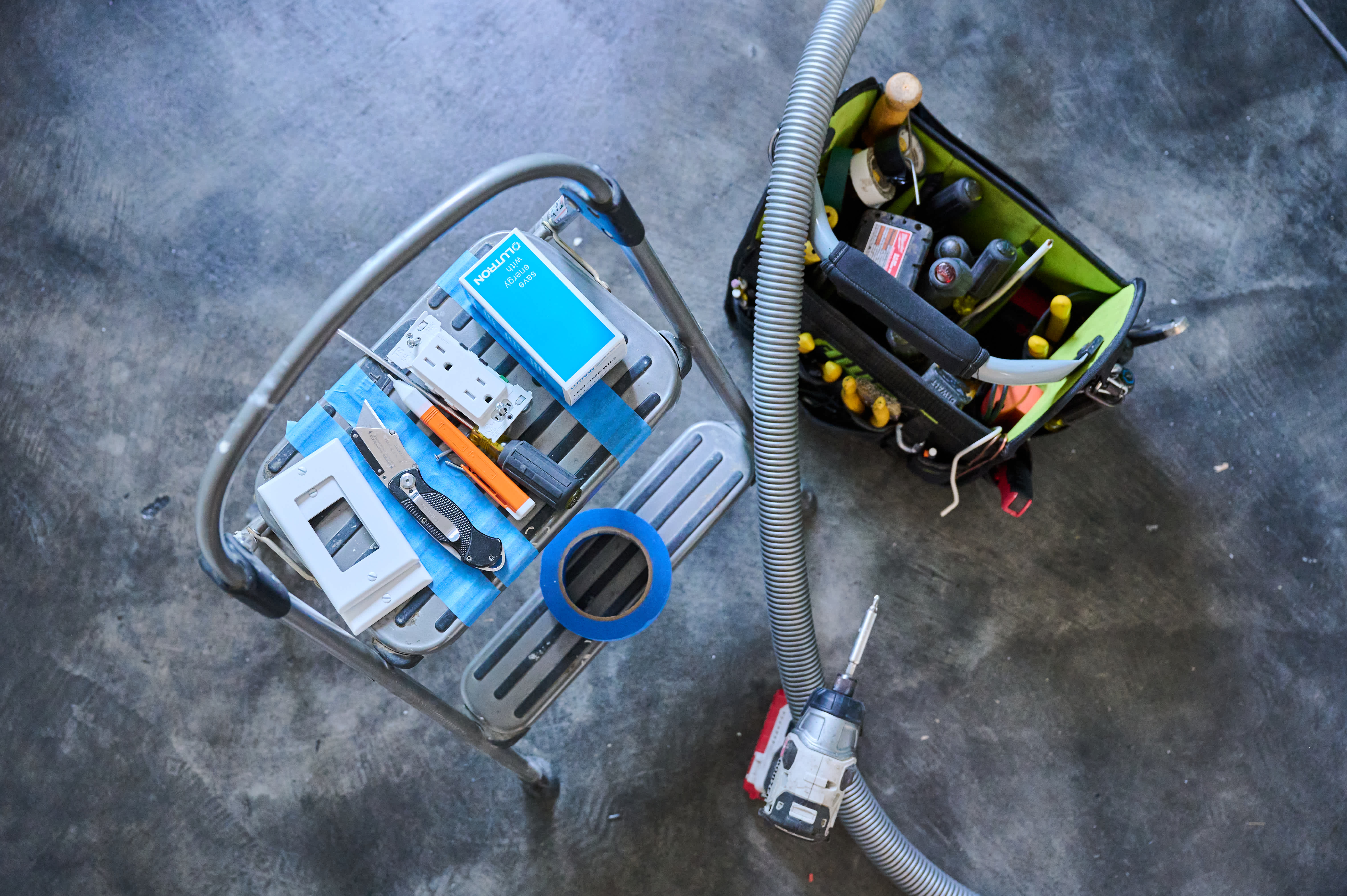
A professional will have the following tools on hand. If you have prior electrical experience and choose to DIY the job, you’ll need certain items before you begin. Keep in mind that some of these may be redundant, such as a circuit breaker.
If you already have one installed in good condition and are absolutely sure it can handle the increased load, you don’t necessarily need to replace it. Remember that everything needs to be 240V, since 220V outlets are common and the pieces often look identical.
| Material | Price |
|---|---|
| 120/240V circuit breaker | $48 |
| 50 feet of 300-volt electrical wire | $46 |
| Replacement 3 or 4-prong cable cord | $33 |
| Voltage tester | $22 |
| Wire connector kit | $14 |
| Electrical tape | $5 |
| Electrical box | $11 |
| Screwdriver | $10 |
We’ve omitted any tools or materials required for installing an entirely new outlet, which requires a structural change to a wall or floor.
Labor makes up the largest share of what Phoenix, AZ, homeowners pay for a 240V outlet installation, with total project costs averaging around $227. The hourly rate for hiring an electrical pro in Phoenix, AZ, is $50 to $170, and a minimum service fee of $75 to $150 is common among local electricians.
Pricing across Phoenix, AZ, can swing considerably depending on whether you go with a union or non-union contractor. Gathering at least three quotes before making a decision is the best way to land on a fair price. Electricians in the Phoenix area are represented by IBEW Local 640, which serves Maricopa County and the surrounding region.
Permits and inspections are in place to protect you, and a licensed electrician should manage the process from beginning to end. Phoenix, AZ, requires permits for most 240V work, with fees from $40 to $200. Going without puts your homeowner's and fire insurance on the line and opens you up to city fines. The cost of doing this right is always less than the cost of fixing what goes wrong when you don't.
A 240V outlet opens up many possibilities for Phoenix, AZ, homeowners, whether that means finally setting up that hot tub, powering workshop equipment, or charging an electric vehicle at home. Given the convenience and functionality it adds, the installation cost is easy to justify, and many homeowners wonder why they didn’t figure out where to put an electrical outlet earlier to expand their home's electrical capacity.
To help homeowners plan their next project, Angi provides readers with carefully researched cost data and upholds strict editorial standards. We start with national average project costs, which we collect by analyzing competitor information, retailer material costs, and input from professional contractors. We then apply local price index data to calculate location-specific estimates that reflect what homeowners typically pay in their local area. To do that, we use data from the U.S. Bureau of Economic Analysis (BEA), including its Regional Price Parities (RPPs), which measure price differences across cities. This helps us account for differences in labor, materials, and overall cost of living, so estimates in higher- or lower-cost areas better reflect real-world local pricing.
Every estimate undergoes a thorough editorial review to verify accuracy, consistency, and alignment with observed market conditions.
Want to help us improve our cost data? Send us a recent project quote to [email protected]. Quotes and personal information will not be shared publicly.
Did a wonderful job! Owner was great at communicating with us about what the issue was and what he recommended for us to do. They were quick to get back to us with a date/time that they could come do the job. Reasonable price and did the work in a timely manner. We will be recommending Lotus...
 Lotus Electric
Mr. Anaya did an amazing job updating my electrical on my triplex units, He explained everything so i could understand and worked very efficiently. I will definitely reccommend him and continue to work with him in the future !
 RP3 Electric LLC
Damian showed up on time. I had him do 3 electrical jobs for me. He did an awesome job for a great price.If I ever need anymore electrical work done, I am definitely calling Damian again. If you want great work at a reasonable price call Damian, you won't regret it
 Damian's Electrical
Very professional, and gave me a reasonable price. Sergio is reliable, honest and operate with integrity. I recommend him to anyone who is looking for great, affordable electrical services. Sergio always took his time to answer all my questions and provided me with all the options available....
 Rosales Electric Services LLC
John w/ Vale Electric was PROFESSIONAL + Informative &most helpful in solving my electrical needs/questions. I have NEVER had a positive experience with "Home Advisors" (or "Angies List") = overpriced /no show. This gentleman was EXCELLENT & I heartily recommend his professional services!!...
 Vale City Electric LLC
I like the fact that Valley Electrical Contractors is a small, local, family-owned business. Scott, who came to my house, is friendly and personable, and took the time to explain the necessary repairs. He also responded to my initial inquiry quickly, performed the assessment within 24 hours...
 Valley Electrical Contractors
Electrical and drywall repairs were done well and in a timely manner. Our interactions were highly professional and Iâ ll continue to recommend to my friends.
 Thunderbird Home Services, LLC
It went fantastic! Victor and his crew were extremely professional, courteous and Monica always called and kept me informed of dates, inspections, etc. He is fair, his crew is focused on time, professional and very clean.....I would strongly recommend these professionals to anyone for their...
 VR Electrical Services
Very knowledgeable professional fair price. We had 3 other companies that we talked to and they beat them substantially. I would recommend them for any electrical works. Excellent service!
 Diamond Energy Solutions LLC
The celling fan/light came out of the celling of the house I just bought. I had painters coming, and needed it fixed right away. Turn It On Electric was the only company that had someone available the same day. He arrived on time and quickly replaced the fixture. Would absolutely hire again.
 Turn It On Electric
From average costs to expert advice, get all the answers you need to get your job done.
The cost to install an electrical outlet depends on many factors. Find out what impacts the cost of installing an outlet in Phoenix, AZ.
How much does it cost to add an electrical outlet in Phoenix? Discover installation prices, permit rules, and key factors that affect costs in Phoenix.

Find out the average dedicated circuit installation cost in Phoenix, AZ. Learn what to expect to pay local electricians to safely upgrade your home's wiring.

Compare electrical outlet types, learn how to identify each one, see where code requires them, and know when to call a pro to upgrade.
Looking to size up your electrical system to cover higher usage and improve efficiency? Use this guide to see the cost to upgrade an electrical panel in Phoenix, AZ.

Keep pool-side dreams from getting short-circuited by being aware of pool electrical installation costs in Phoenix, AZ and how they can affect your overall budget.