

•
Find out the average brick or stone fireplace repair cost in Denver, CO. Learn what you can expect to pay for local masonry repairs to keep your home safe.
Chimney cap service costs depend on your project and location. Check with a local pro for your specific job.

Chimney cap replacement in Denver, CO, costs $201 to $688, with labor making up roughly half the total.
Roof pitch, chimney size, and whether you need a custom or multi-flue cap will increase the price.
Set aside an additional $135 to $375 for removing the old cap, minor repairs, and an inspection.
A chimney cap pro in Denver, CO, can spot damage early and make sure your cap is secured before the next storm.
Chimney cap replacement in Denver, CO, averages $317, and most homeowners spend between $201 and $688. Along the Front Range, chimney caps take a beating from freeze-thaw cycles, heavy snow, and intense UV rays, so replacement is more common than homeowners expect. The chimney cap you choose, how complex your chimney setup is, and what your pro discovers once they’re on the roof all shape the final number.
The climate in Denver, CO, does a number on chimneys, but there are other factors to consider as well. Here's what drives chimney cap replacement costs in the area.
The size of your chimney cap plays a major role in your total replacement cost. Larger caps require more materials and may need custom fabrication, which increases the price. Standard-size caps are more affordable, whereas unique chimney shapes or large multi-flue setups often require custom solutions, further raising costs.
| Chimney Cap Size (Inches) | Average Cost |
|---|---|
| 6x6 | $55–$265 |
| 8x10 | $80–$320 |
| 8x17 | $105–$425 |
| 13x13 | $105–$425 |
| 14x37 | $210–$480 |
| 17x29 | $320–$530 |
The type of chimney cap you choose affects price, installation complexity, and long-term performance. Single-flue caps are the simplest and least expensive to install, while multi-flue caps and top-mount styles can require more labor. Outside-mount and specialty caps, such as draft-increasing or decorative models, are more expensive due to their design and installation requirements. Each type has distinct pros and cons, so it’s important to match the cap type to your chimney’s design and your home’s needs.
| Cap Type | Cost Impact | Pros | Cons |
|---|---|---|---|
| Single-flue | Low | Affordable, easy to install | Limited coverage |
| Multi-flue | Moderate to high | Protects multiple vents, fewer caps needed | Higher material/labor cost |
| Top-mount | Moderate | Versatile fit, good protection | May need custom sizing |
| Outside-mount | High | Custom fit, great for odd-shaped chimneys | Expensive, complex install |
| Specialty | Varies | Enhanced function or aesthetics | Highest cost, custom order |
Upgrades like animal guards, spark arrestors, rain shields, or decorative finishes increase costs. These features improve safety, extend the cap’s life, and can enhance your chimney’s appearance. Expect to pay $30 to $210 extra, depending on the feature.
The complexity of installation, such as high or steep roofs, increases labor costs. Removing old caps, cleaning debris, or minor chimney repairs may add $55 to $210 to your project. Expect bigger repair tasks to be more expensive. For example, chimney crown repair costs average $1,550.
Delivery, travel, or cleanup fees are common for remote or urban properties. Custom design or consultation fees may apply for unique caps, and a pre- or post-installation inspection can add $80 to $160.
Chimney contractors in Denver, CO, stay busy, and the city’s higher cost of living shows up in their pricing. Fortunately, the city has many experienced pros, and finding one you can trust pays off. Get a quote from a chimney cap installer in Denver, CO, before you commit. Here’s what factors into your total.
Local chimney pros in Denver, CO, typically offer cap replacements, along with basic inspections, and quote a flat rate, so you’ll know the total before the job starts. Flat rates for chimney cap replacement average $100 to $350. However, some contractors charge $80 to $130 per hour. Steep roof pitches are one of the main reasons prices go up because they add time to the job.
Replacing an old cap with a new one generally doesn’t require a permit in Denver, CO. However, if your project expands to include structural chimney repairs or larger modifications, your contractor should check with the local permitting office.
Before anyone gets on your roof, ask for proof of general liability insurance and workers' compensation. This protects them and you in case of injury or damage during the job. Reputable chimney pros carry both, and you'll want to confirm coverage before they start the job.
Tipping isn’t expected, but $20 to $40 is a kind way to recognize a pro who navigated a steep or snowy roof and delivered a good result.
If your chimney pro spots problems beyond the chimney cap, these specialists may be able to help:
A local chimney repair pro can fix common issues with parts of a chimney, including cracked chimney crowns, damaged flashing, or mortar joints, for about $150–$2,200.
A roofer near you can handle flashing failures where the chimney meets the roof, a frequent water entry point after heavy snows or summer storms. Minor roofing repairs run $150–$400.
If liner damage is obvious during inspection, a chimney liner specialist can determine whether repair or full replacement makes sense. Liner replacement costs $625–$7,000, depending on material and chimney height.
If moisture has already worked its way into your home, call a water damage restoration pro in your area before the damage gets worse.
In the competitive real estate market in Denver, CO, a chimney cap replacement won't change your home’s value, but it can affect how the transaction goes.
Buyers and inspectors in Colorado know what winter does to homes, and a missing or deteriorated cap can be a maintenance concern. If an inspector notices it, buyers may argue for a refund to address the problem, which can slow down the sale. A cap in good shape gives them one less item to negotiate over.
The bigger argument for staying current on cap maintenance is the climate. Freeze-thaw cycles are damaging to masonry, and an uncapped flue gives moisture a direct path into mortar joints and brick. Damage tends to compound over several seasons, and by then, it's a more expensive fix than a new cap.
Plus, if you use your fireplace, a properly capped chimney means better air flow, safer operation, and no unwelcome wildlife looking for a warm den when temperatures drop. It's routine maintenance you don’t want to ignore.
To help homeowners plan their next project, Angi provides readers with carefully researched cost data and upholds strict editorial standards. We start with national average project costs, which we collect by analyzing competitor information, retailer material costs, and input from professional contractors. We then apply local price index data to calculate location-specific estimates that reflect what homeowners typically pay in their local area. To do that, we use data from the U.S. Bureau of Economic Analysis (BEA), including its Regional Price Parities (RPPs), which measure price differences across cities. This helps us account for differences in labor, materials, and overall cost of living, so estimates in higher- or lower-cost areas better reflect real-world local pricing.
Every estimate undergoes a thorough editorial review to verify accuracy, consistency, and alignment with observed market conditions.
Want to help us improve our cost data? Send us a recent project quote to [email protected]. Quotes and personal information will not be shared publicly.
They repaired my chimney. It looks great now, and the job was completed as promised.
 MileHigh Chimney LLC
Isabel and Ben were great! I had my chimney inspected and cleaned. I also had my dryer vent cleaned. They found very clogged and shoddy vent work in my crawl space for the dryer. They were able to fix, clean and get the duct work up to code same day. They showed me pictures and videos so I...
 Clean Air Genie, LLC
I had a fantastic experience with Tal! They were incredibly kind, respectful, and clearly knew what they were doing. I hired them to clean my air ducts and vents, and the results were better than I expected, everything feels fresher. They took the time to explain the process, and were very...
The crews appeared when scheduled and worked efficiently and fast. I believe the work they did relining and capping my chimney was top rate. The crew leader explained everything they were doing and the crew that came to finish the job (remove molds) was timely and fast. They're not cheap but...
 Chimney Sweeps Of America, Inc.
great overall service. he replaced my chimney and furnace vent cap. did not work on my roof
 Bon-Steel Roofing
I found them on google but saw great reviews here at HomeAdvisor so i reach out for necessary repairs on my chimney that my inspector found. Customer service was excellent and put me on their schedule for the following day (Friday) and their technician arrived on time and actually called 30...
 Mr. Pro Services, LLC
I got my chimney and fireplace checked and cleaned along with my airducts & dryer vent for a great deal. Had it scheduled within minutes and was accommodated according to my schedule. They came out explained everything clearly and did the job in roughly two hours. They did...
 Safe House
I was recommended to use this company by another reputable Chimney sweep, who was unable to clean my chimney, due to the size. This company came out, did a thorough cleaning job and sent me photos of what had been done and possible future repairs. They were tidy, efficient and...
 Chimney Sweeps of America, Inc.
Denver Brick and Chimney repair did an incredible job repairing the brickwork in my garage. Definitely would recommend them to anyone who needs brick repair done.
 Mountain State Masonry Solutions, LLC
Very knowledgeable and professional and while also being friendly and helpful. Anthony did excellent work and gave great advice. I would recommend him to anyone needing either chimney or dryer vents cleaned.
 Anthony's Chimney Sweeps, LLC
From average costs to expert advice, get all the answers you need to get your job done.
Find out the average brick or stone fireplace repair cost in Denver, CO. Learn what you can expect to pay for local masonry repairs to keep your home safe.

Find out the average brick or stone fireplace installation cost in Denver, CO. Learn what you can expect to pay for local masonry and labor for your home.

In need of a new roof to weather the Colorado snowfall? Learn about roof replacement costs in Denver and what local factors affect your pricing.
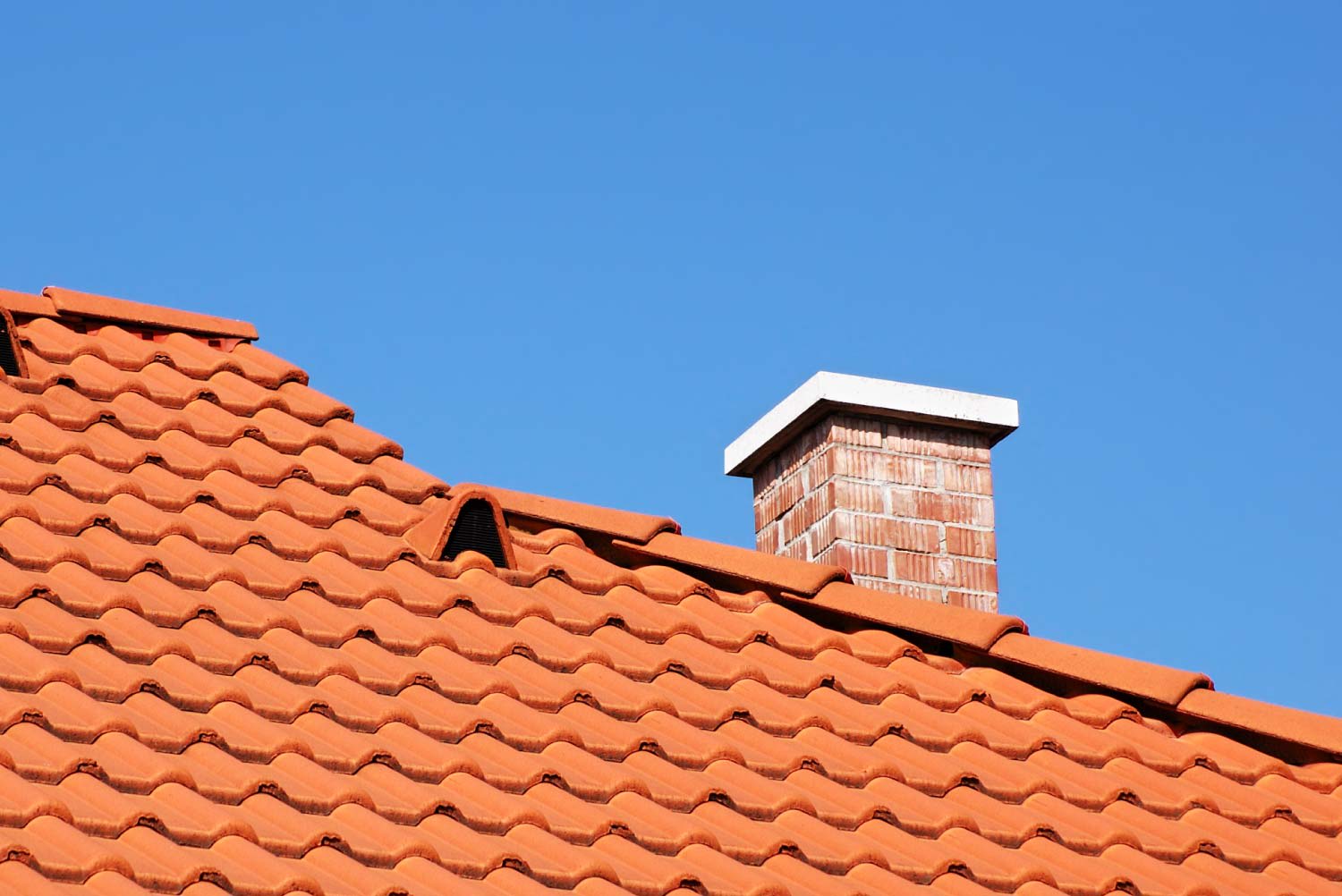
Before your next chimney inspection and cleaning, check out our guide to all the parts of a chimney, both internal and external.
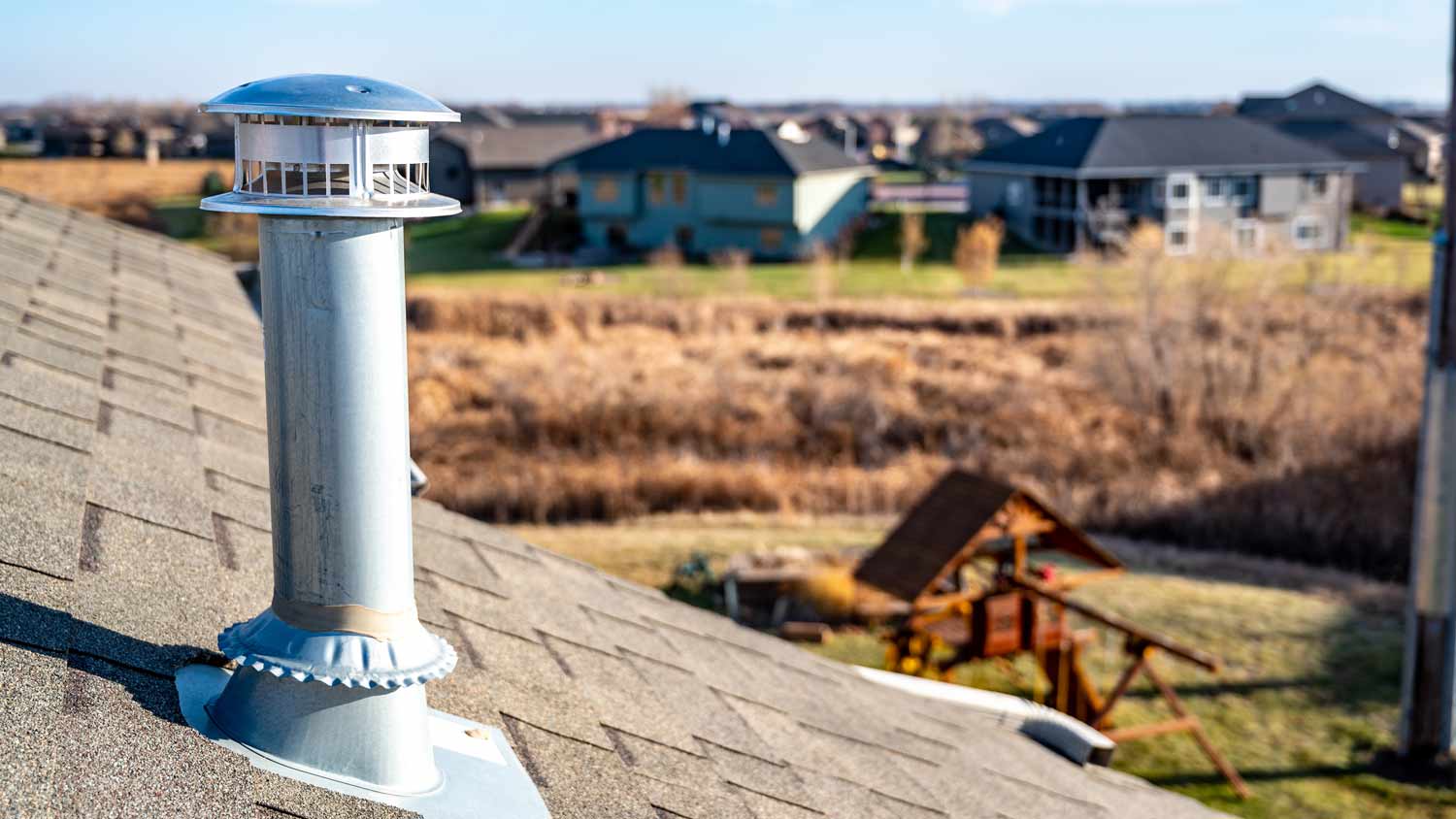
Flue cap vs. chimney cap—how do you know which one you need? Learn more about the differences between a flue cap and chimney cap.

Knowing how to repair a chimney helps maintain your home's value and safety. Here’s a guide to common chimney problems.