


The average cost of a whole-house generator falls between $5,000 and $25,000. Keep reading to learn how much you can expect to spend.
Generator install costs depend on your project and location. Check with a local pro for your specific job.

Professional transfer switch installation costs between $1,200 and $1,600, based on your home's wiring and install complexity.
Your choice of automatic or manual switch, plus how many circuits you want powered, drives your price.
Account for electrical panel upgrades, subpanel installation, circuit breaker additions, building permits, and annual maintenance when creating your project budget.
Hiring a local generator installation professional prevents dangerous backfeeding and ensures your transfer switch meets local building codes.
The cost to install a generator transfer switch often ranges from $1,200 to $1,600. Most homeowners spend an average of $1,450. Your overall cost will depend on whether you purchase an automatic or manual switch, as well as the size, location, labor fees, and other factors. Our guide breaks down the costs of installing a generator transfer switch.

An automatic generator switch is more expensive than a manual switch. Here’s how the costs compare:
Automatic generator transfer switch cost: $600–$2,500
Manual generator transfer switch cost: $400–$1,300
You can expect to pay between $600 and $2,500 to install an automatic transfer switch. This type of switch seamlessly switches the power from the main breaker to the generator breaker during a power outage. It’s ideal for standby generators and homeowners living in storm-prone areas.
You can expect to pay $400 to $1,300 to install a manual transfer switch. You’ll need to manually flip the switch from the main breaker to the generator breaker during an emergency. A manual transfer switch works best in areas that don’t experience many power outages and for portable generators.
Depending on the size of your generator, you’ll need a transfer switch of the same capacity and ampacity to keep your home running during an emergency. Here’s how the cost is impacted by generator size in watts:
| Generator Size (Watts) | Number of Circuits to Power | Average Cost Range | Type of Generator |
|---|---|---|---|
| Small (up to 5,000 watts) | 6–10 | $200–$500 | Small portable generators |
| Medium (5,000–10,000 watts) | 10–16 | $500–$1,000 | Mid-sized generators |
| Large (10,000+ watts) | 16–24 | $1,000–$2,500 | Whole-house generators |
To install a generator transfer switch, you’ll need to hire a local electrician or a generator installer near you, and you can expect to pay between $50 and $100 per hour. An electrician should spend around two to four hours installing a generator transfer switch. The cost of a basic installation ranges from $200 to $500, while a more complex installation costs between $500 and $1,500.
Here are a few additional cost factors to consider when budgeting for your generator transfer switch.
As the amp requirement increases, the cost of the generator transfer switch will also rise. That’s because higher-amperage switches use stronger parts and better materials to safely handle the extra electricity, which makes them more expensive to manufacture.
Multi-circuit transfer switches get more expensive as the number of circuits increases. That’s because more circuits mean more hardware and wiring inside the box, and they can also make installation more labor-intensive. For example, a six-circuit switch might start around $200, while a 16-circuit unit often costs $1,000 or more.
To ensure your electrical panel is up to code, your electrician may need to upgrade your electrical panel or subpanel, or install new circuit breakers, before installing a generator transfer switch. Here’s what you might pay for each task:
| Electrical Upgrades | Average Cost Range |
|---|---|
| Electrical panel replacement | $520–$2,100 |
| Subpanel installation | $400–$1,750 |
| Circuit breaker switch installation | $100–$200 per switch |
The location of the generator transfer switch will also affect the overall cost. For example, if a generator installation pro needs to access the attic, crawl space, or other hard-to-reach area, you can expect to pay more for installation costs.
The average cost for a generator transfer switch permit is between $50 and $350. While obtaining a permit for a portable generator isn’t usually necessary, installing a whole-home generator requires a permit for electrical upgrades.
Depending on the complexity of your transfer switch, you’ll typically pay between $50 and $100 per hour for maintenance service. You'll need to perform regular generator maintenance to ensure your transfer switch is working correctly. Maintenance should be performed annually by a licensed electrical technician, including:
Visual inspection
Mechanical inspection
Checking the voltage
Checking the cables
Checking for fire hazards
Properly cleaning the transfer switch
Manually testing the transfer switch
Conducting a pole-resistance test
Inspecting electrical connections
Performing tests for transfer delays
Hiring a local generator transfer switch installation pro may cost more upfront, but it ensures your system is installed safely and correctly. Transfer switches involve direct connections to your home’s electrical panel, and improper installation can lead to serious safety hazards, code violations, or damage to appliances. Professionals have the tools, training, and experience to install a transfer switch that works reliably during power outages.
Installing a generator transfer switch is a specialized electrical project that requires technical knowledge and strict safety precautions. Here are some of the top reasons to work with a pro:
Electricians can determine the correct transfer switch type and capacity for your generator and home.
Pros ensure safe, code-compliant connections to your electrical panel and circuits.
Working with a pro prevents dangerous backfeeding that can harm utility workers and your home.
Professionals can identify electrical issues, such as outdated panels or overloaded circuits, before installation.
Hiring a pro ensures reliable power distribution during outages and protects sensitive electronics.
While installation should be handled by a licensed professional, some preparation can help reduce time and costs:
Clear the area around the electrical panel and generator connection point.
Make a list of essential circuits or appliances you want powered during outages.
Ensure clear access to the generator location, panel, and wall space for installation.
Note any existing electrical issues or recent upgrades to share with the electrician.
Here are tips to help you reduce costs while installing a transfer switch:
Calculate wattage: Figure out how much power you’ll need during an outage by calculating the wattage of your appliances and HVAC system.
Consult with a pro: Before purchasing a transfer switch, consult a licensed electrician who can help you determine your electrical load needs.
Get a warranty: Choose a brand that offers limited or extended warranties if you need to repair or replace your transfer switch.
Get quotes: Get at least three quotes from licensed electricians in your area to compare prices and secure the best deal.
A generator transfer switch is an essential safety feature for your whole-house generator and may even be required by local electrical codes, depending on the laws in your area. Either way, it will help you get the best ROI for your generator, which can add around 3% to 5% to your home’s value.
Be prepared to discuss your home's electrical panel and its compatibility with the transfer switch, as this will affect the installation process.
If your budget allows, ask your pro about additional services like circuit upgrades or surge protection to improve your generator setup.
Be ready to consider the placement of the transfer switch and whether any modifications to your existing wiring or outdoor space will be necessary.
Keep in mind potential delays or costs related to permits, inspections, or unforeseen electrical issues during the installation.
Home is the most important place on earth, which is why Angi has helped more than 150 million homeowners transform their houses into homes they adore. To help homeowners with their next project, Angi provides readers with the most accurate cost data and upholds strict editorial standards. We survey real Angi customers about their project costs to develop the pricing data you see, so you can make the best decisions for you and your home. We pair this data with research from reputable sources, including the U.S. Bureau of Labor Statistics, academic journals, market studies, and interviews with industry experts—all to ensure our prices reflect real-world projects.
Want to help us improve our cost data? Send us a recent project quote to [email protected]. Quotes and personal information will not be shared publicly.
I recently had Mosby Electric perform an electrical installation on 8-14-2026, and I couldn’t be more satisfied with the service. From the moment I called, their team demonstrated fast arrival and professionalism. The electricians were highly knowledgeable, completing the installation...
 Mosby Electric
Joseph did a great job with the staircase and trim. Timely and efficient, clear communication about the work, very fair pricing. For the stairs in particular, done very skillfully in an old house (1893) in a tight spiral, and very creative with how to do the handrail. Did a nice job with...
 Vouis Trim Carpentry L.L.C.
Jason has helped me with multiple household projects, with the most recent being new door installation. He has always showed up on time and organized and has done an incredible job! Jason is very professional and he's now my go-to for anything around my house that needs to be fixed or...
 Huff Garage Rescue, LLC
Very professional, knowledgeable and helpful! Completed the install on time and as expected.
 Ward's Services
Excellent, Prompt, Courteous Service!!! They were super friendly and quite personable. I felt very comfortable with the gentlemen that did the installation. They installed it exactly where I asked them to and they did an excellent job!! I loved their service so much.
 Tether House
The Mosby team went above and beyond for my project. They not only installed my light fixture; they also worked through an old, wonky, and as it turns out incorrect wiring issue from the work of prior contractors. Professional, thorough, conscientious, and kind. Five star experience. Thank you!
 Mosby Electric
Window Depot did an amazing job installing the windows in my basement! The process from start to finish was by far more than what I expected. I would highly recommend Window Depot if you want professionalism from the the consultation to the installation. Dont settle for mediocre when you can...
 Window Depot USA of Central Ohio
The guys did an outstanding job and we had a great experience with CarifaTile. I appreciated that Joe reviewed the quotes with me and set expectations prior to the install. The crews showed up as scheduled and always left the areas clean upon leaving the house. We will definitely use...
 CarifaTile
Called ahead and worked quickly to install keyless locks on vintage wooden doors.
 Expert Lock and Key, LLC
We had a 20+ year old landscape lighting system that needed replacement. Midwest Lightscapes worked with us to design a much improved lighting system, lighting the exterior of the house and the back yard. Installation of the 45 light system took one and one-half days, and went very smoothly....
 Midwest Lightscapes
From average costs to expert advice, get all the answers you need to get your job done.
The average cost of a whole-house generator falls between $5,000 and $25,000. Keep reading to learn how much you can expect to spend.
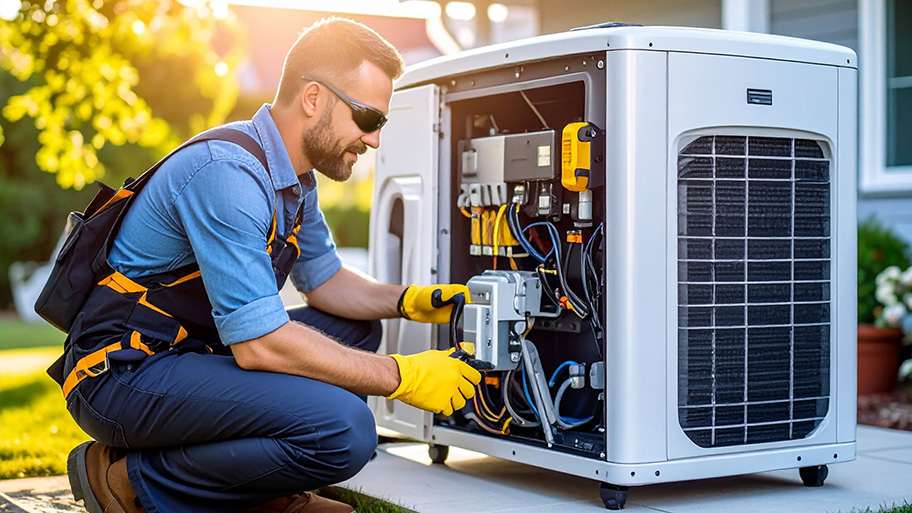
Keeping on top of generator maintenance and repairs gives you extra peace of mind as a homeowner. Find out how much regular generator maintenance costs.
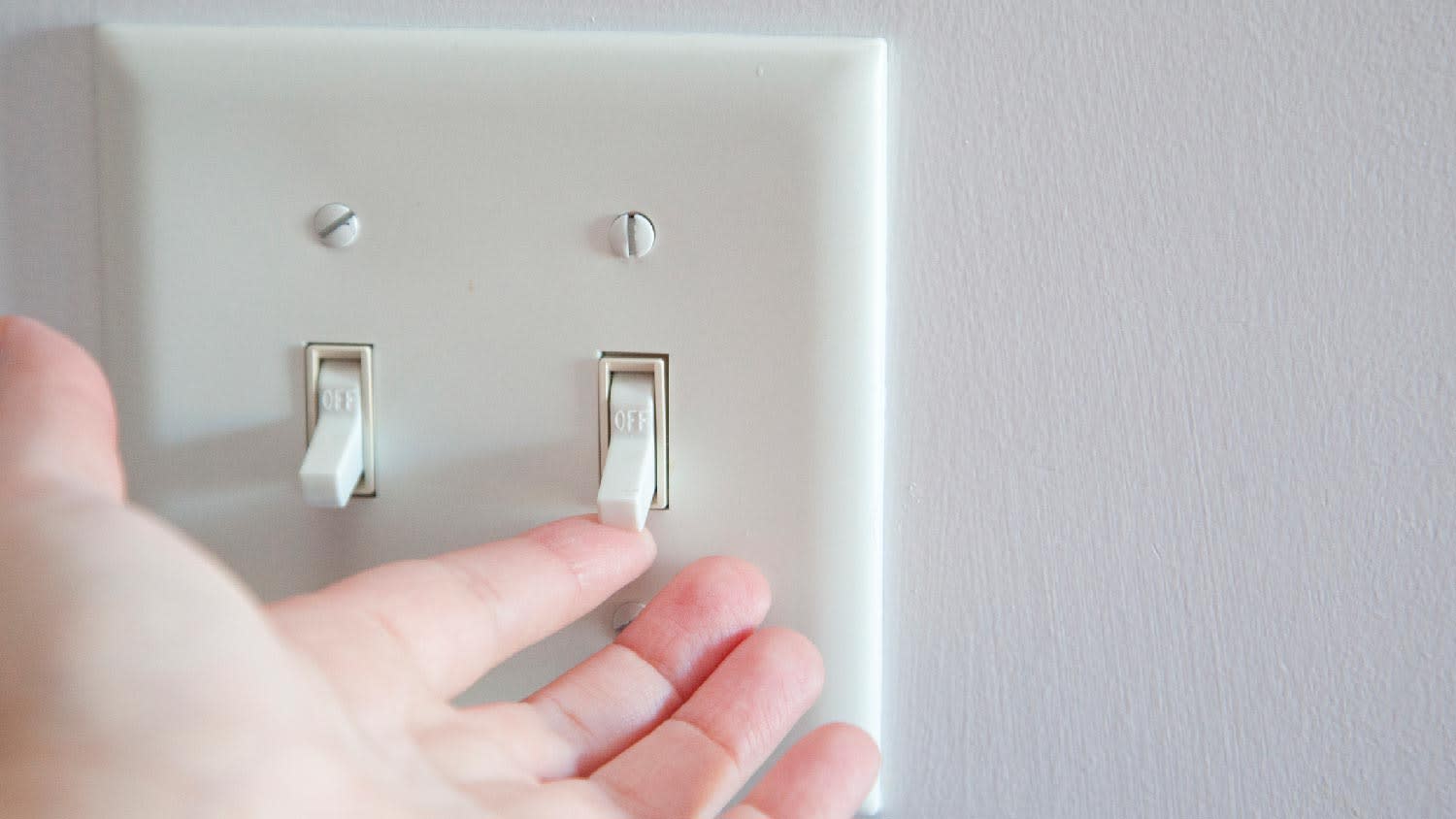
Updating broken and outdated light switches isn't as tricky as you might think. We'll cover the considerations and cost to install a light switch in this guide.
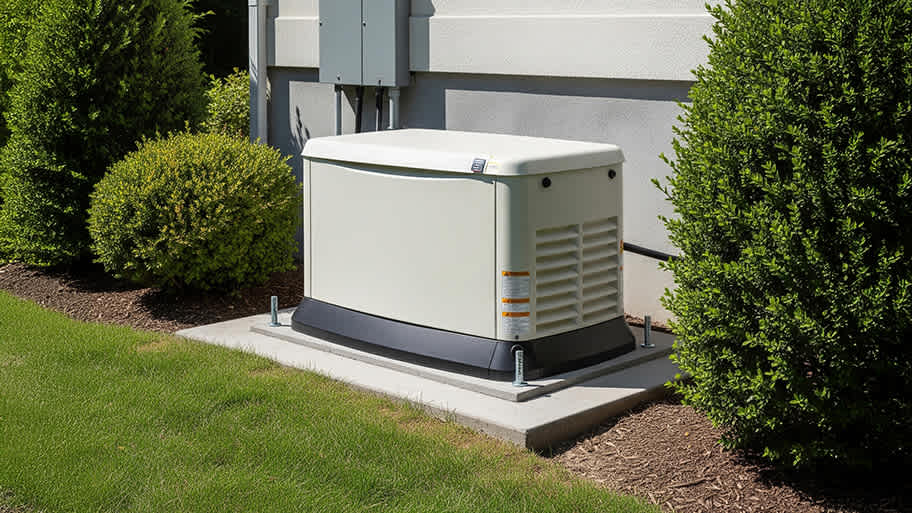
Using a generator during a power outage is a lifesaver. Our guide will show you how to connect a generator to your house without a transfer switch.
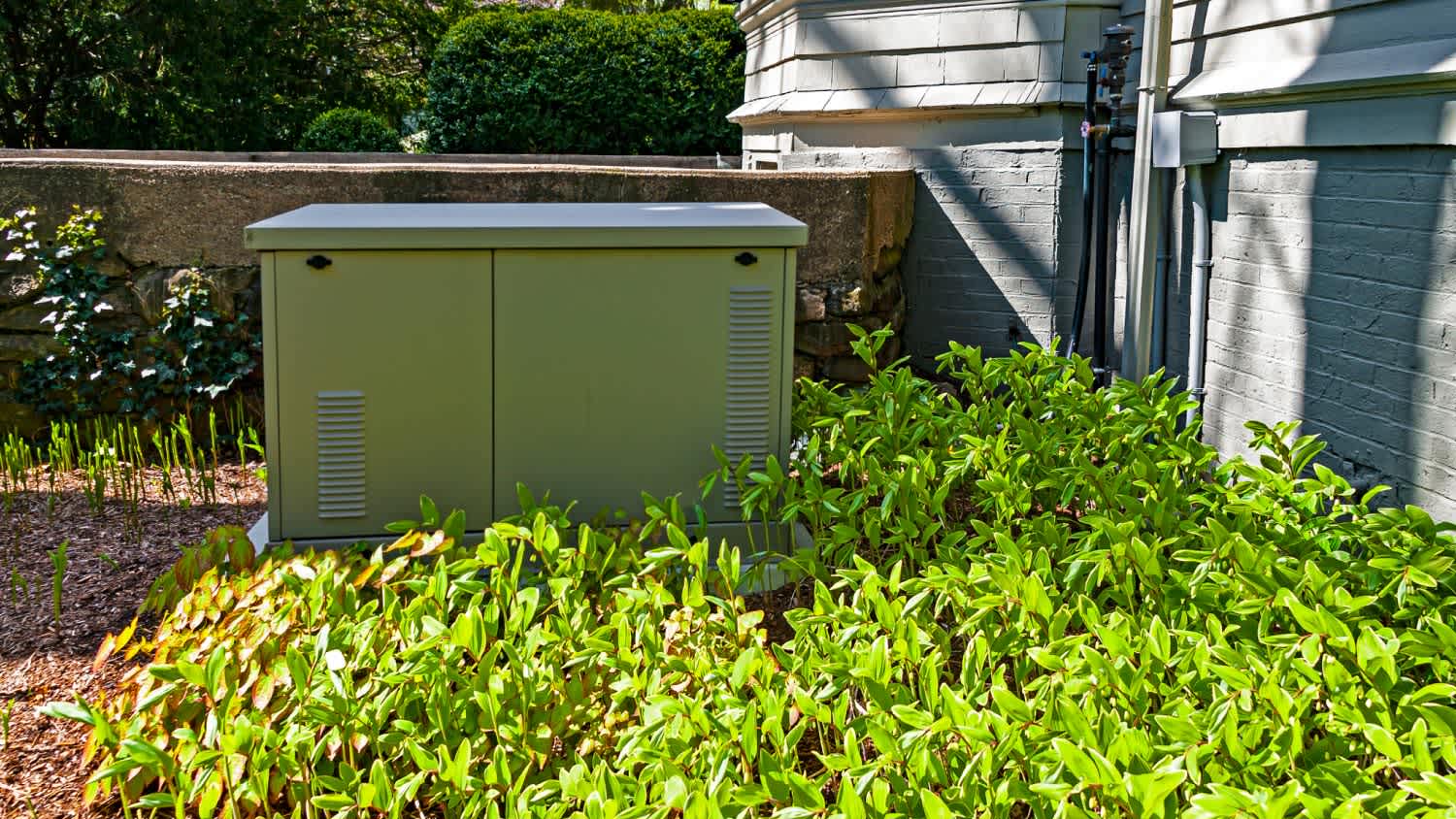
Wondering who to hire to install a generator? Consult this guide to learn who to hire to install a generator or a transfer switch.
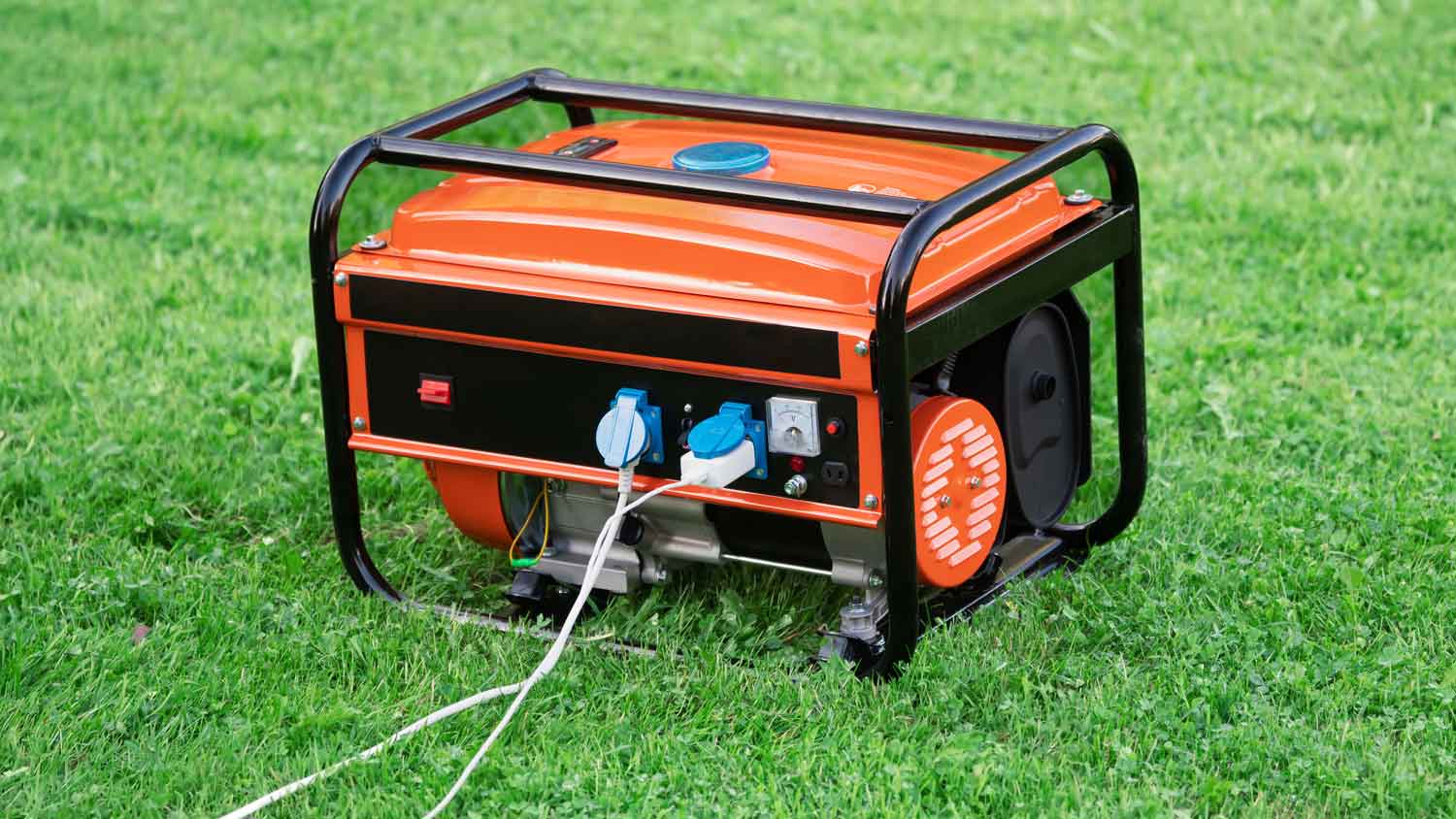
Portable generators are handy for many reasons, but they require care to prevent fire, electrocution, and more. Stay safe with this guide on how to use a generator.