

Whether you're dreaming up a new office or a peaceful sunroom, home addition costs will shape your design. Learn how much a home addition costs in Boston, MA.
Kitchen and bathroom remodel costs depend on your project and location. Check with a local pro for your specific job.

The cost to add a second story in Boston, MA, ranges from $400 to $700 per square foot.
Full-size additions carry the highest costs due to the need for reinforcement, roofing, and other factors.
Building permits for home additions start at $50, plus $10 for every additional $1,000 of work.
Hiring a local home builder in Boston, MA, ensures that your project meets permitting and zoning requirements.
The cost to add a second story in Boston, MA, ranges from $86,640 to $649,800, with homeowners paying an average of $189,525. Total prices for second-story home additions depend primarily on the size and type of the addition, since larger, full-size levels are usually more complex and require structural reinforcement, demolition, and other work. Local factors also play a role, including the area’s older homes, permit requirements, and labor rates, which influence your final costs.
The cost to add a second story in Boston, MA, varies depending on the size and type of the addition, foundation reinforcement, finish level, staircase work, and other factors.
A second-story addition costs between $400 and $700 per square foot on average, but complex projects with high-end materials could reach even higher.
| Size (Sq. Ft.) | Average Cost | Maximum |
|---|---|---|
| 800 | $86,640–$259,920 | $433,200 |
| 900 | $97,470–$292,410 | $487,350 |
| 1,000 | $108,300–$324,900 | $541,500 |
| 1,100 | $119,130–$357,390 | $595,650 |
When you can picture your second-story design idea but can't quite put it into words, take a look at the costs by the type of addition. Every second story will be unique, but they typically fall into one of the following categories:
| Addition Type | Average Cost |
|---|---|
| Full second-story addition | $649,800 |
| Partial second-story addition | $324,900 |
| Converting a vaulted ceiling | $21,660 |
| Dormer addition | $12,996 |
| Bonus room | $64,980–$129,960 |
Full second story: Building a full second story over your current layout comes with stiffer foundation requirements. You will also spend more on windows, roofing, insulation, and all of the homey features that round out your second floor.
Partial second story: These additions are popular for their flexibility and comparatively lower costs. They may include a guest bedroom, an extra bathroom, or a flexible space for an office.
Converting a vaulted ceiling into a second story: A vaulted ceiling adds lots of airy space to a house, but some see all that space and wonder if it could be used differently. If the ceiling is higher, it’s possible to convert it into a partial addition or loft to create usable space.
Dormer addition: A dormer is a triangular window space on top of a roof. Dormers cost less than full second-story additions but can expand an existing second story and give rooms more light and a bigger feel.
Add a bonus room above the garage: When adding a room above a garage, square footage matters, but you'll also need to ensure the garage's structure can handle the extra weight. The second floor may also require additional insulation and vapor barriers.
If you choose higher-end materials, such as stone siding or marble bathroom flooring, expect your costs to be higher than those of builder-grade materials. While some high-end materials reduce maintenance costs, many standard finishes are still durable and save money in the total project price.
Depending on the structure of your existing home, your foundation may not be strong enough to support a second-floor addition. You'll want to hire a local structural engineer to evaluate your foundation and determine what you may need to strengthen it.
Foundation support work costs $600 to $3,300. Where you live, seasonal weather patterns, and ground characteristics all factor into the amount of work needed.
In many cases, building a second story requires that your contractor remove the roof and then open up walls and ceilings to reinforce your home’s framing. Removing a room costs an average of $1,355, and the cost to replace the roof when all is said and done usually falls between $5,765 and $11,500. While designers often work around existing chimneys, the price to remove a chimney for a second story adds an average of $4,875.
Installing the main staircase in your home costs between $2,600 and $4,330, but high-end designs can reach $6,500. General contractors will often include this price in the second-story price estimate, as it's a crucial element of the design. However, the placement of your stairs, the design, and additional elements like carpeting can raise the price.
While not as common, the landscape surrounding your home may change when you add a second story. Construction equipment can damage your lawn, garden, and surrounding trees. Due to a shift in the shadows of your lawn, you may choose to move certain plants and flowers that sat in direct sun before the build. Professional landscaping costs between $50 and $80 per hour.
For safety purposes, you'll need to be out of your house during the construction of your second-story addition. A partial addition can take three to six months to complete, while a full second-story addition can take six to 12 months. If you don't have a nearby relative or a motorhome to stay in, factor in the cost of a rental into your project.
The cost of hiring a local home builder in Boston, MA, varies according to labor rates, permit requirements, and sales tax.
About 40% to 60% of your total project cost goes to the home builder or general contractor, which covers overhead for purchasing materials, paying crew wages, and obtaining permits. Additionally, many home builders charge a 10% to 20% fee on the total project cost, rather than quoting by the hour or by the square foot.
With both housing and skilled trades shortages, the labor market in Boston, MA, is highly competitive. Residential construction workers in the area earn higher wages than in most other states, and home builders often have to increase their labor fees to account for crew wages.
At about 50% above the national average, the cost of living in Boston, MA, affects construction materials, labor costs, and other price factors. Since the home builder usually makes these purchases, they pay a higher rate than in other areas and pass the cost on to you.
The sales tax in Boston, MA, is just over 6%. Although you are unlikely to pay sales tax directly, it still affects your bottom line. Home builders are considered the end-consumers, so they’ll purchase building materials as part of their overhead and pass the costs on to you with increased prices.
You’ll need to make sure you pull the proper building permits for your second-story addition from the city’s Inspectional Services Department. Your building contractor typically handles this, but the cost of a building permit averages $50, plus $10 for every $1,000 of work.
If you come up against strict laws in your area and your permit is turned down, keep in mind that you may also need to pay for legal assistance. Historic homes, homeowner associations, and areas with strict air rights can be complex to understand without a legally trained eye.
A second-story addition is a significant and complex undertaking. A home builder may or may not subcontract certain professionals, depending on your contract and project needs:
Structural engineers: $145–$175 per hour
Interior designers: $100–$500 per hour
HVAC technicians: $50–$160 per hour
Plumbers: $45–$200 per hour
Electricians: $60–$115 per hour
Adding a second story can increase your home’s value in Boston, MA, by expanding living space without stretching out the building and taking up valuable outdoor space. Many neighborhoods in Boston, MA, are densely built, and with zoning restrictions and older housing stock, building upward is one of the most effective ways to address these challenges. The return on investment (ROI) for a second-story addition is 20% to 50%.
To help homeowners plan their next project, Angi provides readers with carefully researched cost data and upholds strict editorial standards. We start with national average project costs, which we collect by analyzing competitor information, retailer material costs, and input from professional contractors. We then apply local price index data to calculate location-specific estimates that reflect what homeowners typically pay in their local area. To do that, we use data from the U.S. Bureau of Economic Analysis (BEA), including its Regional Price Parities (RPPs), which measure price differences across cities. This helps us account for differences in labor, materials, and overall cost of living, so estimates in higher- or lower-cost areas better reflect real-world local pricing.
Every estimate undergoes a thorough editorial review to verify accuracy, consistency, and alignment with observed market conditions.
Want to help us improve our cost data? Send us a recent project quote to [email protected]. Quotes and personal information will not be shared publicly.
I called Joe at SILMAC to gut and remodel my bathroom. I had used him and his company 15 years ago to remodel my entire apartment in Back Bay and he had done a fantastic job. Happy to say Joe and SILMAC have not lost a step. The bathroom came out beautifully. Joe listens carefully and gives...
 SILMAC Construction Inc.
They were great. Willing to go the extra mile. The work was complete on time as promised. Workmanship was excellent. If I have to remodel another bathroom I will hire them.
 We Flip Home Solutions Corporation
I needed my kitchen floor restored due to a pluming issue which caused a flood and ruined the entire flooring. This made it difficult to navigate as I am elderly and wheelchair-bound. National Floors Direct showed up and did an excellent job installing the new wood and were very friendly...
 National Floors Direct Inc
We recently completed a major renovation with Bay State Remodeling at our home in the South End, and the experience exceeded every expectation. The project included adding a new bedroom and bathroom, renovating two additional bathrooms, installing new floors throughout, painting, and...
 Bay State Remodeling
We recently had our bathroom renovated, and we are extremely happy with the results. The team was professional, punctual, and paid great attention to detail. The quality of the workmanship is excellent, and the project was completed on time and within budget. They kept the workspace clean and...
 Upper Room Construction Inc.
Adrian Gunn renovated my small galley kitchen. Adrian is professional, thorough, an excellent carpenter, efficient, hard worker, excellent communicator- gets back to you asap or shows up when he is supposed to. I cannot say enough about Adrian. He was a pleasure to work with for my kitchen...
 Gunn Carpentry Inc
I couldn’t be happier with how my kitchen renovation turned out! From start to finish, the experience was smooth, professional, and honestly exciting. What was once a dated and cramped space is now the heart of my home. Now, my kitchen is where everyone gathers, and I absolutely love showing...
 Hawk Building, LLC
The complete remodel of my two bathrooms, including one that had to be totally gutted. The work was beautiful. Everyone was punctual and very respectful of my home. Everyday they cleaned up so that I was never inconvenienced by the work being done. I highly recommend Like My House for any...
 Like My House Corporation
Mike and company did a great job! He made 30 year kitchen cabinets look brand new! I highly recommend them!
 Final Finish Surface Refinishing
Jefferson and his team did an incredible job on my bathroom remodel. The space is small, so I wasn't sure what to expect but his team completely transformed the space into a beautiful, modern primary bath. Jeff's recommendations really came together to bring my vision to life and optimize the...
 Dream Kitchen USA
From average costs to expert advice, get all the answers you need to get your job done.
Whether you're dreaming up a new office or a peaceful sunroom, home addition costs will shape your design. Learn how much a home addition costs in Boston, MA.

One of the best ways to expand your home is to build up. Let’s break down the cost to add a second story in Los Angeles, CA.
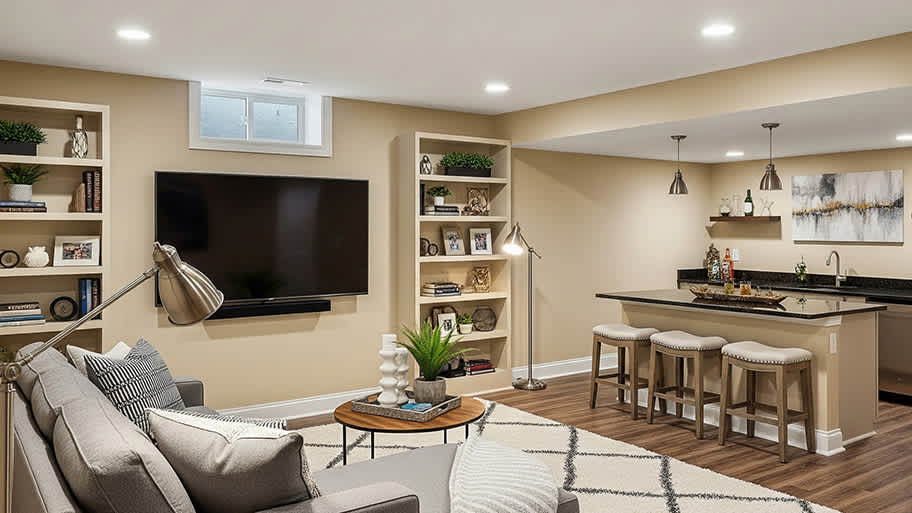
An unfinished basement has a lot of potential. So, how much does it cost to finish a basement in Boston, MA? Read on for all cost factors.
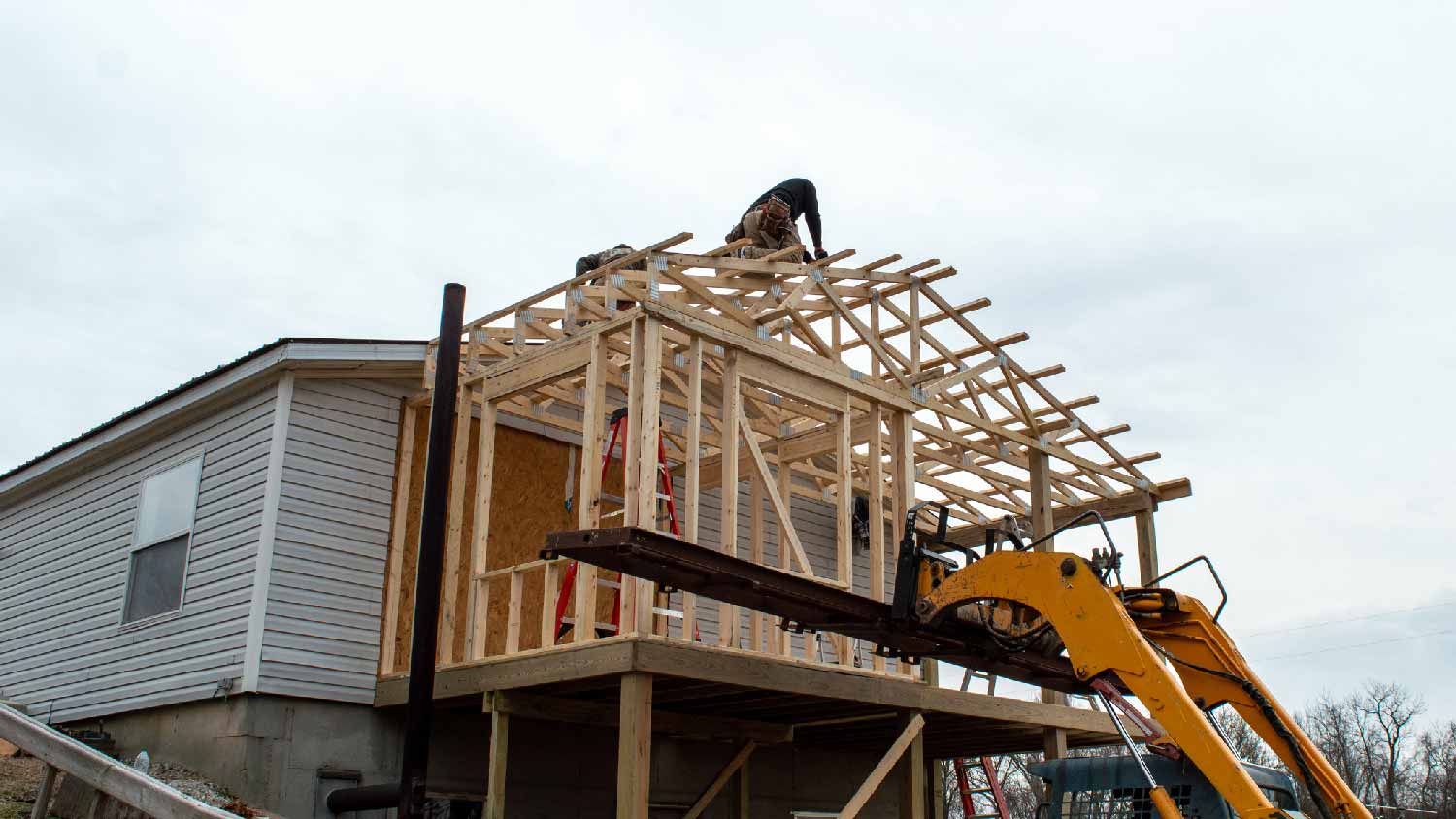
Learn who to hire for a second story addition—compare general contractors, architects, and design-build firms, then choose the right team for your home.
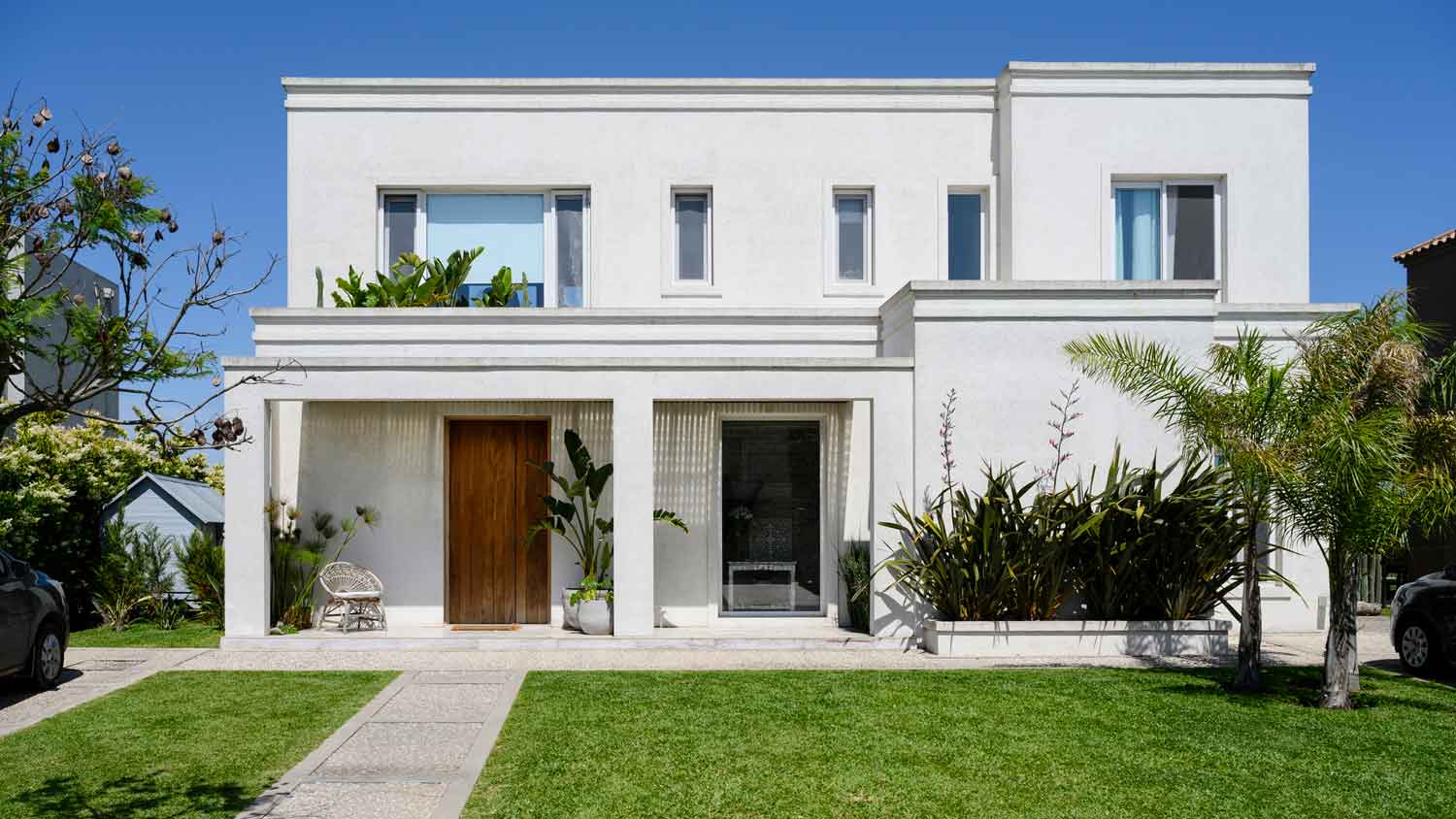
Adding a second story to a house is a great way to get the space you need without uprooting your family. Find out everything you need to know here.
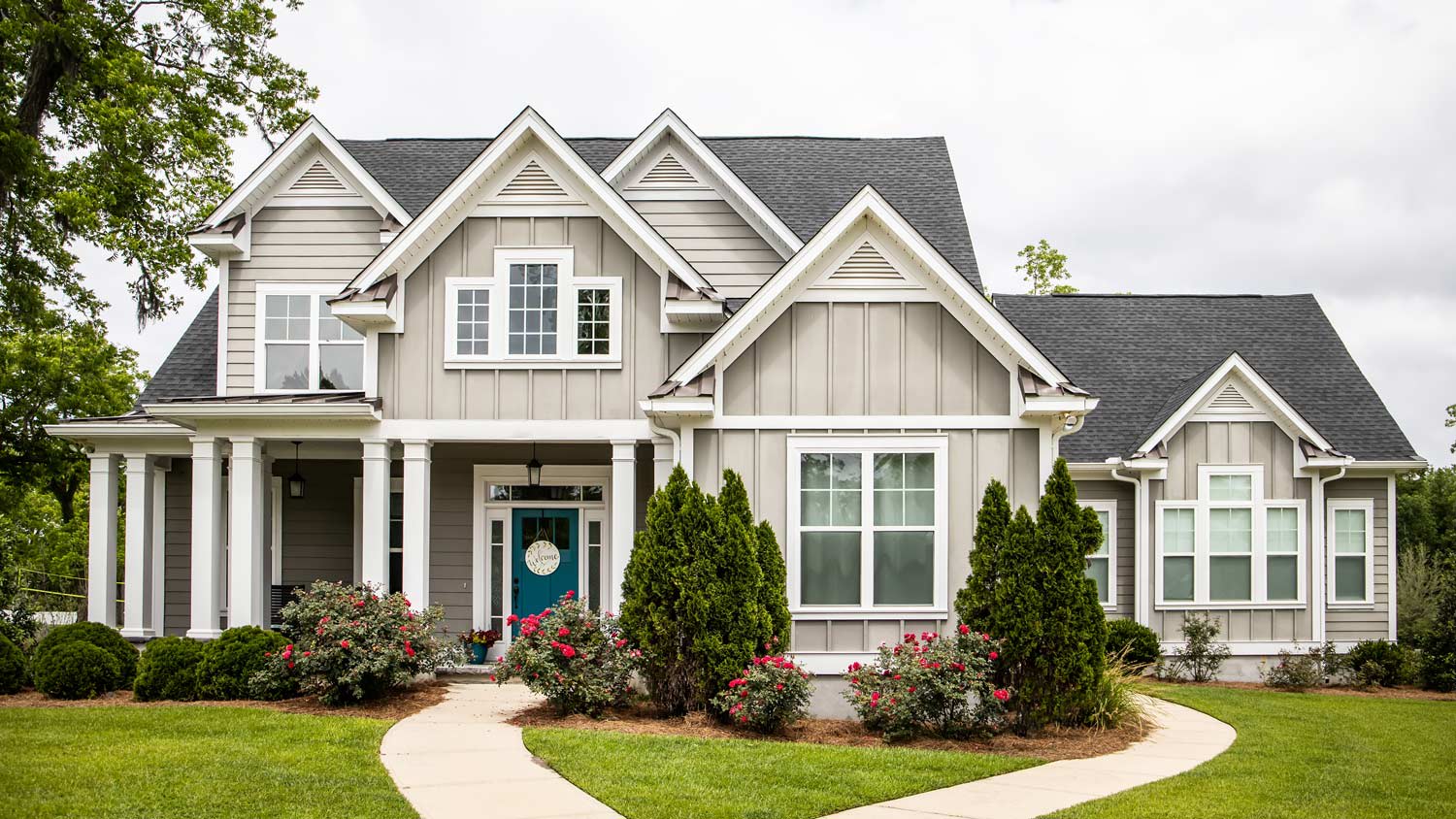
Learn the essential foundation requirements for adding a second-story addition to your home, how much it costs, and other considerations.