

Whether you're dreaming up a new office or a peaceful sunroom, home addition costs will shape your design. Learn how much a home addition costs in Denver, CO.
Kitchen and bathroom remodel costs depend on your project and location. Check with a local pro for your specific job.

The cost to add a second story in Denver, CO, ranges from $300 to $450 per square foot.
Full-size second-story additions carry the highest costs due to the need for more structural reinforcement.
Foundation support work can add $6,900 or more to your final costs.
Hiring a local home builder in Denver, CO, ensures that your project complies with local permitting requirements.
The cost to add a second story in Denver, CO, averages $185,150, with homeowners paying between $84,640 and $634,800. Also called a "pop-top" in the area, second-story home addition pricing depends mainly on its size and type, since these factors often affect the materials, structural reinforcements, demolition, and other costs. Local factors also play a role, such as high demand for construction crews and permitting costs.
The cost to add a second story in Denver, CO, depends on the size and type of addition. Foundation reinforcement, landscaping, finish level, and other factors also impact your final price.
A second-story addition costs between $300 and $450 per square foot on average, but complex projects with high-end materials could reach as high as $500 per square foot.
| Size (Sq. Ft.) | Average Cost | Maximum |
|---|---|---|
| 800 | $84,640–$253,920 | $423,200 |
| 900 | $95,220–$285,660 | $476,100 |
| 1,000 | $105,800–$317,400 | $529,000 |
| 1,100 | $116,380–$349,140 | $581,900 |
When you can picture your second-story design idea but can't quite put it into words, take a look at the costs by the type of addition. Every second story will be unique, but they typically fall into one of the following categories:
| Addition Type | Average Cost |
|---|---|
| Full second-story addition | $634,800 |
| Partial second-story addition | $317,400 |
| Converting a vaulted ceiling | $21,160 |
| Dormer addition | $12,700 |
| Bonus room | $63,480–$126,960 |
Full second story: Building a full second story over your current layout comes with stiffer foundation requirements. You will also spend more on windows, roofing, insulation, and all of the homey features that round out your second floor.
Partial second story: These additions are popular for their flexibility and comparatively lower costs. They may include a guest bedroom, an extra bathroom, or a flexible space for an office.
Converting a vaulted ceiling into a second story: A vaulted ceiling adds lots of airy space to a house, but some see all that space and wonder if it could be used differently. If the ceiling is higher, it’s possible to convert it into a partial addition or loft to create usable space.
Dormer addition: A dormer is a triangular window space on top of a roof. Dormers cost less than full second-story additions but can expand an existing second story and give rooms more light and a bigger feel.
Add a bonus room above the garage: When adding a room above a garage, square footage matters, but you'll also need to ensure the garage's structure can handle the extra weight. The second floor may also require additional insulation and vapor barriers.
If you choose higher-end materials, such as stone siding or marble bathroom flooring, expect your costs to be higher than those of builder-grade materials. While some high-end materials reduce maintenance costs, many standard finishes are still durable and save money in the total project price.
Depending on the structure of your existing home, your foundation may not be strong enough to support a second-floor addition. You'll want to hire a local structural engineer to evaluate your foundation and determine what you may need to strengthen it.
Foundation support work costs $6,900 to $17,250. Where you live, seasonal weather patterns, and ground characteristics all factor into the amount of work needed.
In many cases, building a second story requires that your contractor remove the roof and then open up walls and ceilings to reinforce your home’s framing. Removing a room costs an average of $1,320, and the cost to replace the roof when all is said and done falls between $4 and $11 per square foot. While designers often work around existing chimneys, the price to remove a chimney for a second story adds an average of $4,760.
Installing the main staircase in your home costs between $2,540 and $4,230, but high-end designs can reach $6,350. General contractors will often include this price in the second-story price estimate, as it's a crucial element of the design. However, the placement of your stairs, the design, and additional elements like carpeting can raise the price.
While not as common, the landscape surrounding your home may change when you add a second story. Construction equipment can damage your lawn, garden, and surrounding trees. Due to a shift in the shadows of your lawn, you may choose to move certain plants and flowers that sat in direct sun before the build. Professional landscaping costs between $50 and $100 per hour.
For safety purposes, you'll need to be out of your house during the construction of your second-story addition. A partial addition can take three to six months to complete, while a full second-story addition can take six to 12 months. If you don't have a nearby relative or a motorhome to stay in, factor in the cost of a rental into your project.
The cost to hire a local home builder in Denver, CO, depends on local labor rates, taxes, building permits, and subcontractor fees.
Labor costs account for 40% to 60% of the total cost of adding a second story to your home. Home builders or general contractors charge a fee, usually ranging from 10% to 20% of the total project cost, which covers overall project management and overhead fees, such as wages, permitting coordination, and inspections.
Skilled tradespeople are also in high demand throughout Denver, CO. High competition for carpenters, roofers, and other professionals may mean that home builders have to pay higher wages, which then affects their overhead and pricing margins.
Labor for second-story home addition construction is exempt from sales tax, but it’s still reflected in your total costs. Home builders or general contractors pay sales tax as consumers when they purchase building materials, then build that cost into their fee as part of their overhead. In Denver, CO, the combined city, state, and regional sales tax is just over 9%.
You’ll need to make sure you pull the proper building permits for your second-story addition from the City of Denver Community Planning and Development Department. Your building contractor typically handles this, but the cost of a building permit for an average second-story addition starts at $770 for the first $100,000, plus a 50% plan review fee.
If you come up against strict laws in your area and your permit is turned down, keep in mind that you may also need to pay for legal assistance. Historic homes, homeowner associations, and areas with strict air rights can be complex to understand without a legally trained eye.
A second-story addition is a significant and complex undertaking. A home builder may or may not subcontract certain professionals, depending on your contract and project needs:
Structural engineers: $150–$200 per hour
Interior designers: $100–$500 per hour
HVAC technicians: $75–$200 per hour
Plumbers: $45–$200 per hour
Electricians: $55–$110 per hour
Adding a second story can increase the value of your home in Denver, CO, with a return on investment (ROI) ranging from 40% to 60%. Many of the city’s neighborhoods have limited space, so a second-story addition helps to expand total square footage without sacrificing valuable yard space. Returns tend to be the highest for second-story additions that increase the total number of bedrooms or bathrooms.
To help homeowners plan their next project, Angi provides readers with carefully researched cost data and upholds strict editorial standards. We start with national average project costs, which we collect by analyzing competitor information, retailer material costs, and input from professional contractors. We then apply local price index data to calculate location-specific estimates that reflect what homeowners typically pay in their local area. To do that, we use data from the U.S. Bureau of Economic Analysis (BEA), including its Regional Price Parities (RPPs), which measure price differences across cities. This helps us account for differences in labor, materials, and overall cost of living, so estimates in higher- or lower-cost areas better reflect real-world local pricing.
Every estimate undergoes a thorough editorial review to verify accuracy, consistency, and alignment with observed market conditions.
Want to help us improve our cost data? Send us a recent project quote to [email protected]. Quotes and personal information will not be shared publicly.
We couldn’t be happier with our experience with Remodel Works. They recently remodeled my mother’s bathroom, and from start to finish the process was truly excellent. John DeLuca, our Designer was fantastic from day one—knowledgeable, honest, and completely upfront about costs, which we...
 Remodel Works Bath & Kitchen
Tyler and his team are super easy and pleasant to work with, they remodeled two custom bathrooms for me exactly the way I wanted and even made renders of them before it was done. They really made sure everything was perfect for me and worked with me every step of the process. Even when mold...
 Mannis Home Enhancement LLC
I hired Eddie to do a full remodel in my bathroom & it was the best decision. The tile and fresh paint made the bathroom look unrecognizable.
 Eddies Services, LLC
I had Construction Transport LLC do a complete remodel of my bathroom. They were fast, very high quality work, and good pricing.
 CONSTRUCTION TRANSPORT RESTORATION LLC
Remodeling our kitchen. Had to test walls and ceiling. Quick and great customer service.
 Mountain West Environmental, LLC
They do great work, hired them for the kitchen remodel. They did such a great job and their pricing was competitive. Ended up remodeling my bathroom and they did the work with that also. I'm so pleased with the outcome
 NDS Construction LLC
I had them remodel my basement and after seeing the quality of work I had him remodel two and a half bathrooms in the house. They look great and my friends and neighbors asked for his number. I very highly recommend this company for any work that needs to be done. You will not be disappointed
Hired to remodel- bathroom/ shower. Picked out great tile & flooring. Bathroom ended up looking great. Additionally remodeled kitchen - picked out great tall cabinets & counter top / back splash. Bathroom & kitchen ended up looking great. There was a wind storm during the end of...
 LW Construction, LLC
ACN Construction delivered an outstanding kitchen and bathroom remodeling experience. Their professionalism, attention to detail, and craftsmanship exceeded my expectations. From start to finish, the team showcased excellence in communication and commitment to quality work. My renovated...
 ACN Construction Inc.
We have had Tom do two projects for us. A partial kitchen remodel and a year later a bathroom. Tom has a great eye for design and made some great suggestions for lighting and color schemes. He updated an outdated “80’s” kitchen for us with new backsplash, lighting and sink/ faucet. He...
From average costs to expert advice, get all the answers you need to get your job done.
Whether you're dreaming up a new office or a peaceful sunroom, home addition costs will shape your design. Learn how much a home addition costs in Denver, CO.

One of the best ways to expand your home is to build up. Let’s break down the cost to add a second story in Los Angeles, CA.
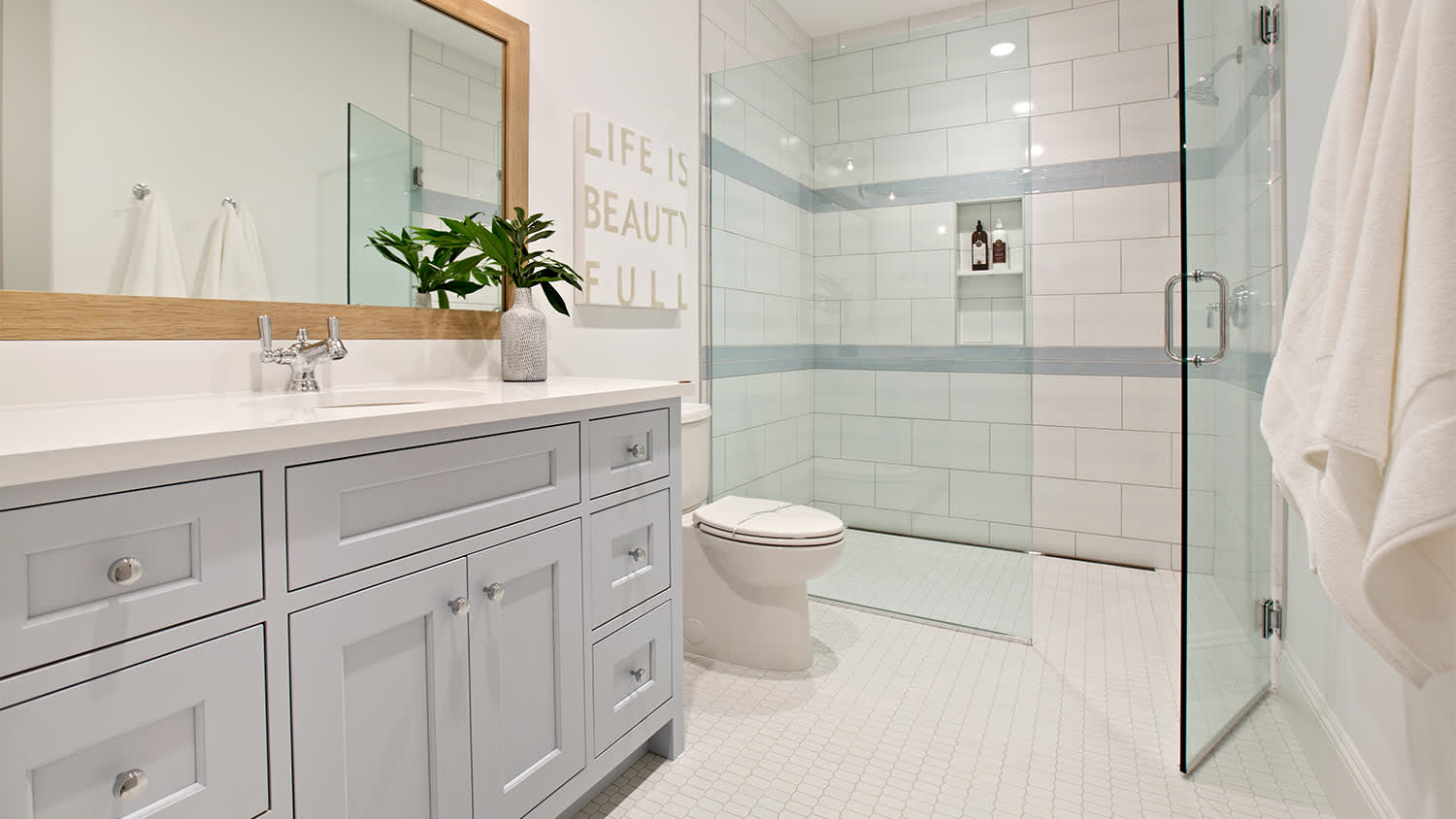
The cost to add a bathroom in Denver, CO requires planning layout, square footage, plumbing, electrical, and more. Read on for a cost breakdown.
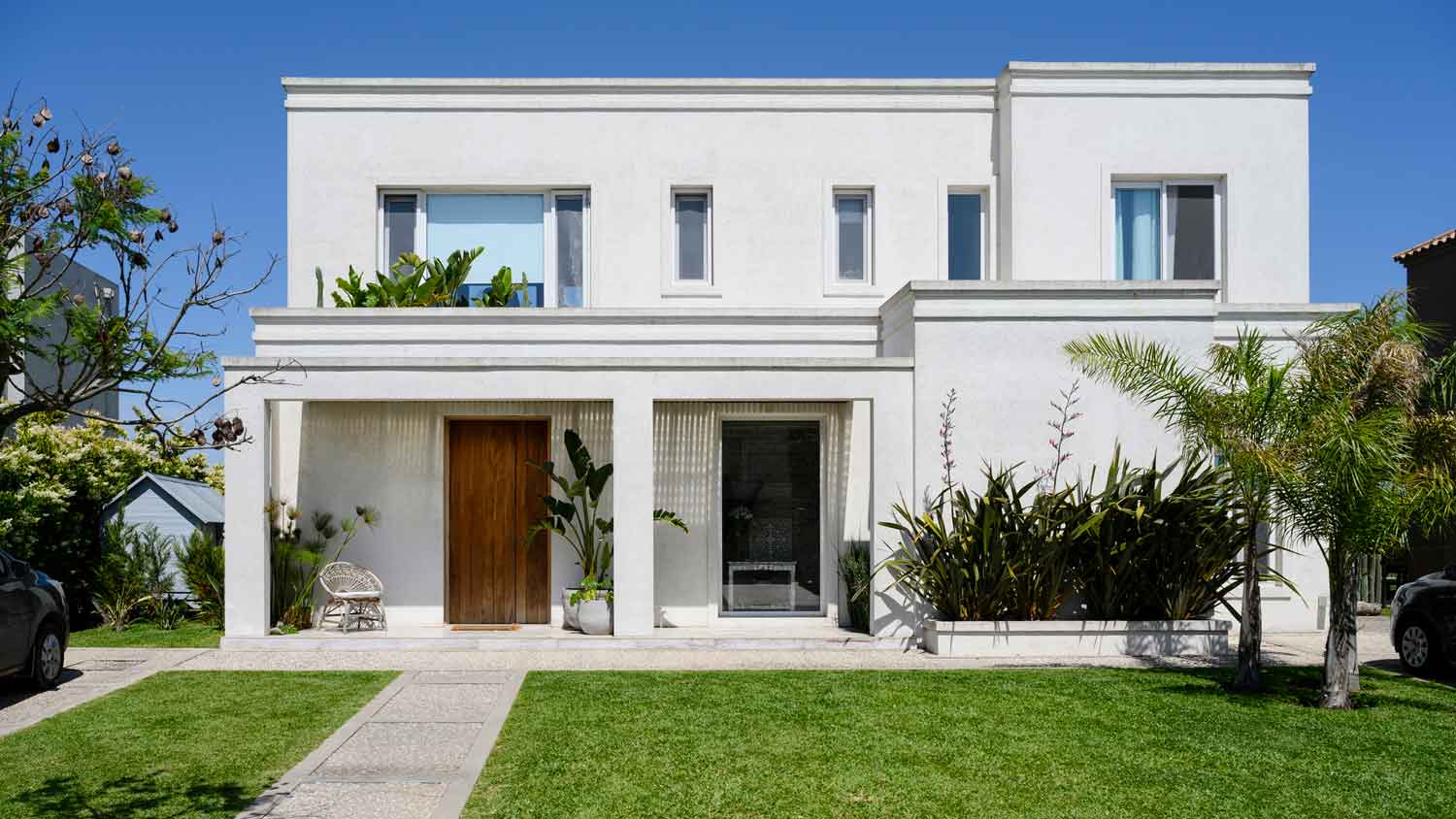
Adding a second story to a house is a great way to get the space you need without uprooting your family. Find out everything you need to know here.
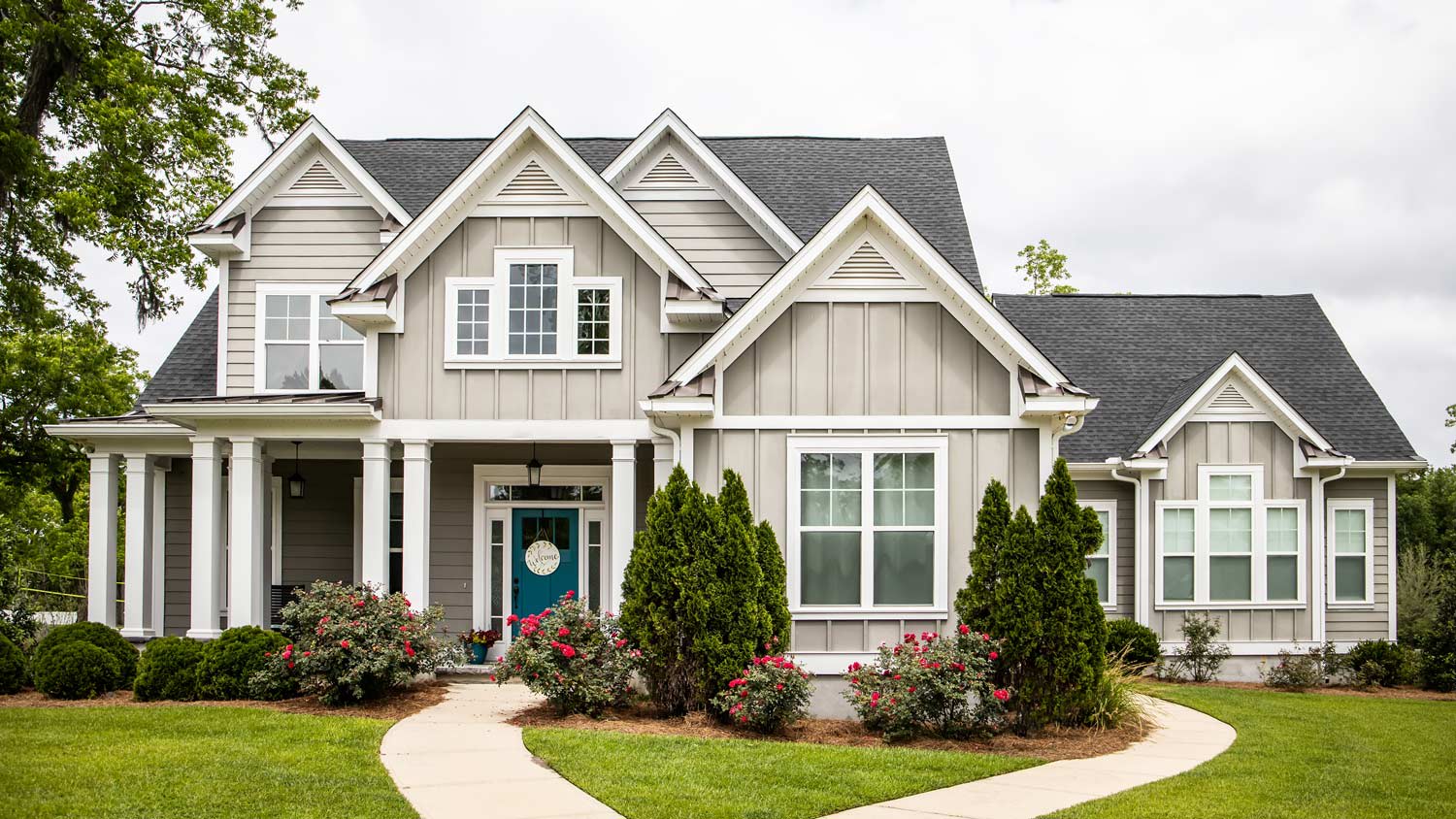
Learn the essential foundation requirements for adding a second-story addition to your home, how much it costs, and other considerations.
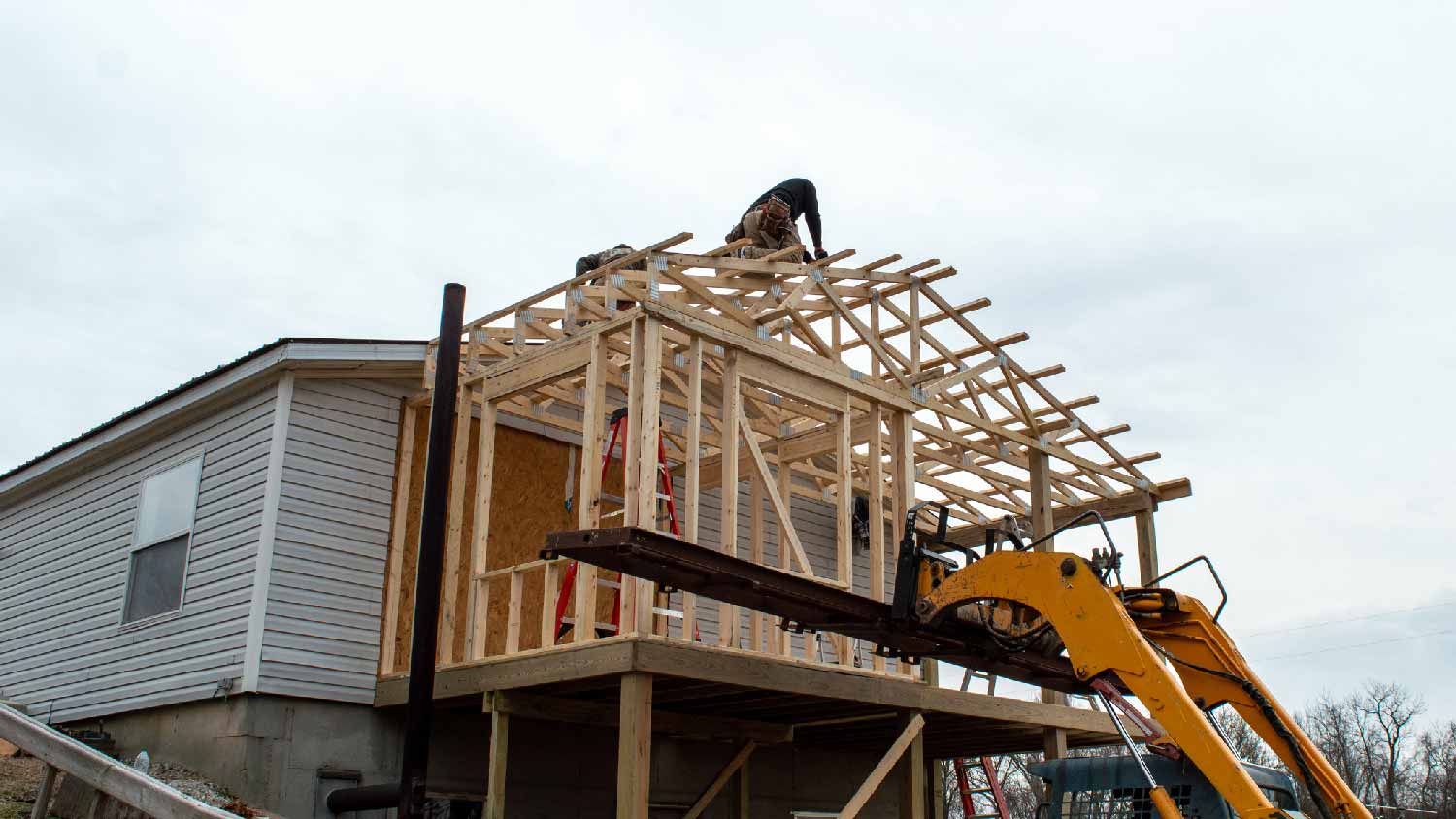
Learn who to hire for a second story addition—compare general contractors, architects, and design-build firms, then choose the right team for your home.