
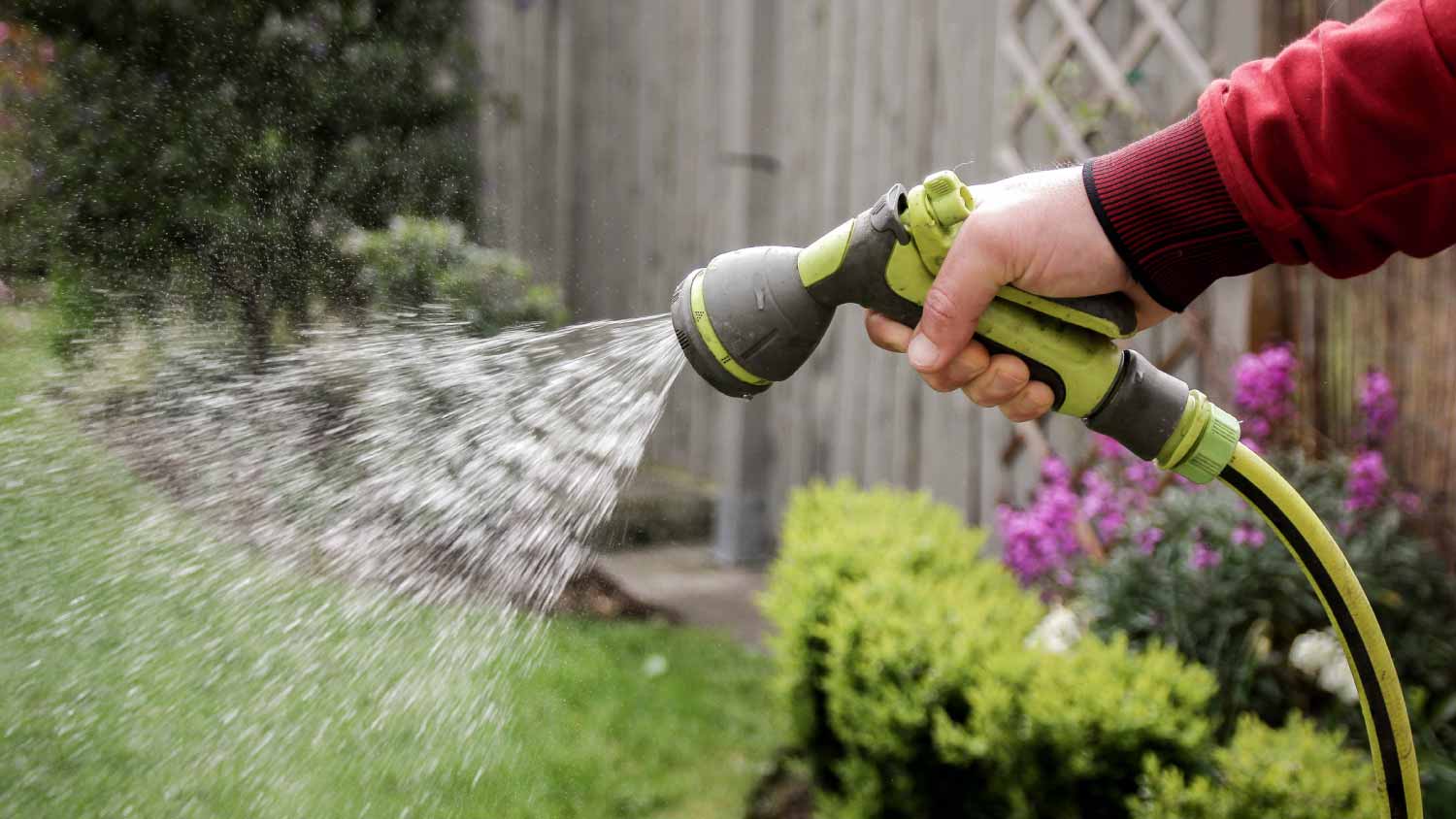
In the winter months, you might need to water your lawn, but how cold is too cold? Here’s a handy guide to winter watering for your lawn.
Give your grass a drink, not a drowning

Overwatering grass causes root rot and creates ideal conditions for fungal diseases, turning your lawn yellow and leaving bare spots across your yard.
Professional sprinkler system installation costs around $2,540, and the investment helps prevent overwatering by distributing water evenly across your lawn without pooling.
Water your lawn early in the morning for 20 to 40 minutes per session, aiming for 1 inch of total water per week spread across multiple watering days.
Hiring a local sprinkler installation professional takes the guesswork out of watering schedules and ensures even coverage, helping your lawn stay healthy without damage from oversaturation.
There’s nothing like a lush, green lawn. Not only does it mean you’ve got quite the green thumb, but it creates a welcoming environment for your guests. It can also enhance the curb appeal of your home if you plan to sell it. But fostering a healthy yard can be tricky, as there’s plenty that can go wrong, especially in how much you water the lawn. Can you overwater grass? Absolutely. Keep reading to learn how you can avoid this common issue, find out tips for fixing an overwatered lawn, and check out more advice on how to keep your grass green.
How often you should water your lawn will vary based on the climate where you live, your lawn’s soil type, and the kind of grass you have. Start by learning what type of grass your lawn has and use the watering recommendations for that as your guide. In many cases, you’ll find you need at least 1 inch of water per week for your grass to grow properly.
From there, you’ll want to allow weather to play a role in the process. In the summer, when the temps reach a sweltering peak, you’ll want to water your lawn two to three times per week, provided there isn’t much precipitation. In the spring and fall months, you’ll likely need to taper back to once to twice per week if you don’t have a super warm and dry climate.
The best time to water grass is early morning. The reason for this is that you won’t have to compete with the sun hovering over your lawn. This allows the water to seep into the soil instead of evaporating into the air. You can also aim for watering the lawn later in the evening after the sun sets. And always keep up to date with your weather forecast. Even if there’s a slight chance of rain for the day, it’s best to put off watering it, as the longer your grass stays wet, the more susceptible it is to damage.
The best time to water grass is at dawn or early evening before the sun is fully out. This will result in less wasted water from evaporation.

Another focal point is determining how long to water your grass. In most yards, you’ll want to aim for 20 to 40 minutes of watering time. The key is balancing, as you don’t want to water your grass too often. Doing so surfaces the roots, making them more vulnerable to damage.

Now we know how easy it is to overwater grass if you don’t find just the right balance. So, if your grass keeps dying and you can't seem to find out why, it could be due to overwatering. Here are some of the telltale signs your lawn has too much water:
Your soil is always wet or muddy
Your grass turns yellow
Mushrooms sprout in your yard
You often see standing water on your lawn
You notice bare spots on your lawn
You see a spike in your water bill
If you notice these signs, you’ll probably want to change up how you’re watering your lawn.
Keep in mind that when you water your lawn is one of the most critical aspects of keeping your lawn healthy. If you wait until the temperature outside is at its highest to water the grass, your roots might not receive as much nourishment because the sun will evaporate some of the water before it can properly soak into the soil.
Also, if you don’t have one already, you should think about calling a local sprinkler company to install a sprinkler system. The average sprinkler system costs $2,540, depending on the size of your yard and the complexity of the system you use. A sprinkler system spreads water evenly throughout your yard, so water won’t pool in certain locations. Pooling water can quickly damage some of your grass roots while other parts of your lawn don’t receive as much water as they need.
How long do you run your sprinkler system? To achieve 1 inch of watering per week, your sprinkler system must run for at least an hour. Ideally, you’ll want to break this up into two parts per week. Doing this ensures your grass receives adequate water without overtaxing the lawn.

Along with installing a sprinkler system to avoid overwatering grass, here are a few other things you can do to ensure your grass looks lush and green:
Aerating your lawn gives you many benefits, such as improved cushion, grass blade resiliency, better airflow between your lawn’s soil and the atmosphere, and reduced soil compaction. Our guide on learning how to aerate your lawn can help beginners.
Like with watering, learning when to aerate your lawn is also key. Usually, you want to do this during the peak growing season of your grass. The common recommendations are that you should aerate in early spring or fall for cool-season grass and late spring to early summer for warm-season grass.
There are certain times you should and shouldn’t mow the lawn. Can you mow wet grass? Nope! You should wait until your grass dries to do any mowing. When your mower cuts wet grass, it’s more susceptible to clumping. When it clumps, the grass can clog your lawn mower components and result in an uneven cut.
You can also damage your grass when you mow while it’s wet. When your grass is wet, your soil becomes softer and more vulnerable. As your mower’s tires move over your lawn, it can cause root damage as it tears out grass roots.
After installing your sprinkler system, you’ll want to make sure the water output aligns with what your lawn needs. If you plan to do two waterings per week, as a general rule, your sprinklers should be putting out half an inch per watering session. To check this, you can place a bowl in the middle of the area where your sprinkler waters. Next, set your timer for 30 minutes and turn the sprinkler system on. After 30 minutes, turn off your sprinkler and measure the water in your bowl.
If you notice less or more than half an inch of water in your bowl, you’ll need to adjust your watering time. If you have more than half an inch, decrease the amount of time your sprinkler operates; if you have less than half an inch of water in the bowl, increase watering time.
Your lawn needs nourishing food to thrive. Fertilizing your lawn also makes your grass less susceptible to diseases and pest damage. Ideally, you want to fertilize your lawn once every season, or four times annually. You’ll also want to mow your lawn before you apply fertilizer—that way, it’s more likely to absorb in the roots.
If you don’t have time to do this messy business, a lawn care company can help. They’ll do regular treatments for you, so you can say goodbye to crabgrass and dandelions and hello to the lush, green lawn you’ve always wanted.
D1 Roofing delivers outstanding service from beginning to end, backed by a strong warranty and expert teams. I highly recommend them for their excellence in meeting and surpassing expectations with unmatched communication. Choosing D1 Roofing was flawless decision
 Division 1 Roofing LLC
We had our houses windows and back door replace this summer by Window Depot USA of Central. He gave us grate advise and saved my family lots money. The team did a fantastic job with installation. If you need help, they sure get job done right!
 Window Depot USA of Central Ohio
Wonderful. I am going to have them remove and replace my driveway in the spring.
 All Star Paving and Sealing
We were having 2”x 2” tile installed . There was a small installation error and the new additional replacement tile was from a different lot and the colors didn’t match. Joe assured us that he would rectify everything , which he did without hesitation. We decided to go with the 18” x 36” tile...
 CarifaTile
We had a 20+ year old landscape lighting system that needed replacement. Midwest Lightscapes worked with us to design a much improved lighting system, lighting the exterior of the house and the back yard. Installation of the 45 light system took one and one-half days, and went very smoothly....
 Midwest Lightscapes
Did an amazing job transforming my yard. Also installed sod in places, would recommend to everyone.
 Cardinal Landscaping & Construction LLC
They show up and they did take us on as a client which seems to be a problem with other lawn care providers. We have multiple properties and this one was located close to downtown and no one really wants to mess with it.
The worker came out when he was supposed to come. He informed me he would honor the Angie's List deal, but would not do any more work for me since my son in law owns lawn care company as well, even though they do not do the same type of work. He said he did not feel comfortable giving me...
 Bello Giardino LLC
E & L Lawn Care was super. They were very responsive before and after service. They were efficient and were able to complete the job within 1 day. I have had concern about one section of sod - the owner was pro-active and did a visit to evaluate. I have no doubt they will stand behind...
 E&L lawn care
From average costs to expert advice, get all the answers you need to get your job done.
In the winter months, you might need to water your lawn, but how cold is too cold? Here’s a handy guide to winter watering for your lawn.
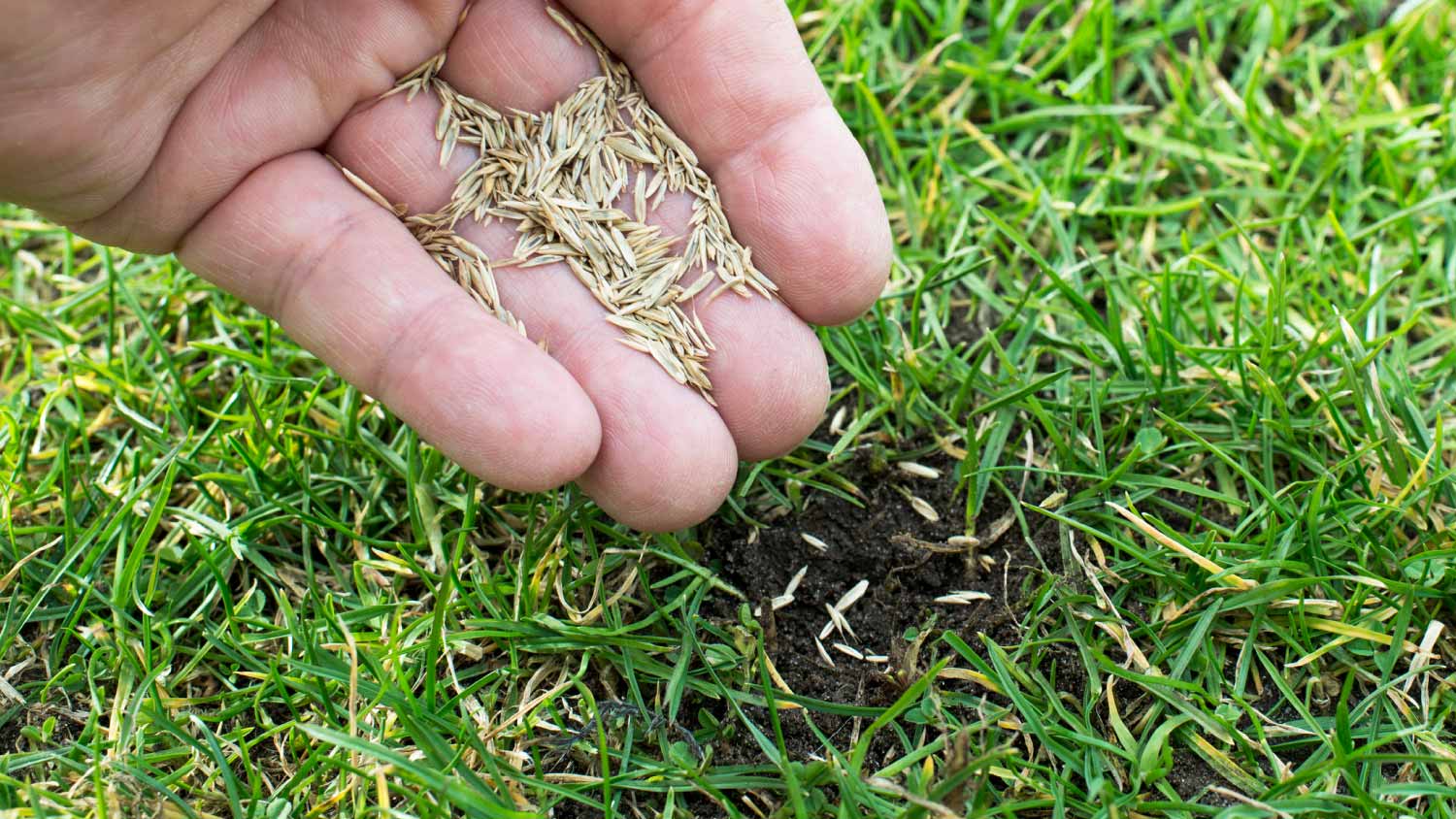
Can you overwater grass seed? Our guide covers how to prevent overwatering and tips for keeping your future grass in top shape.
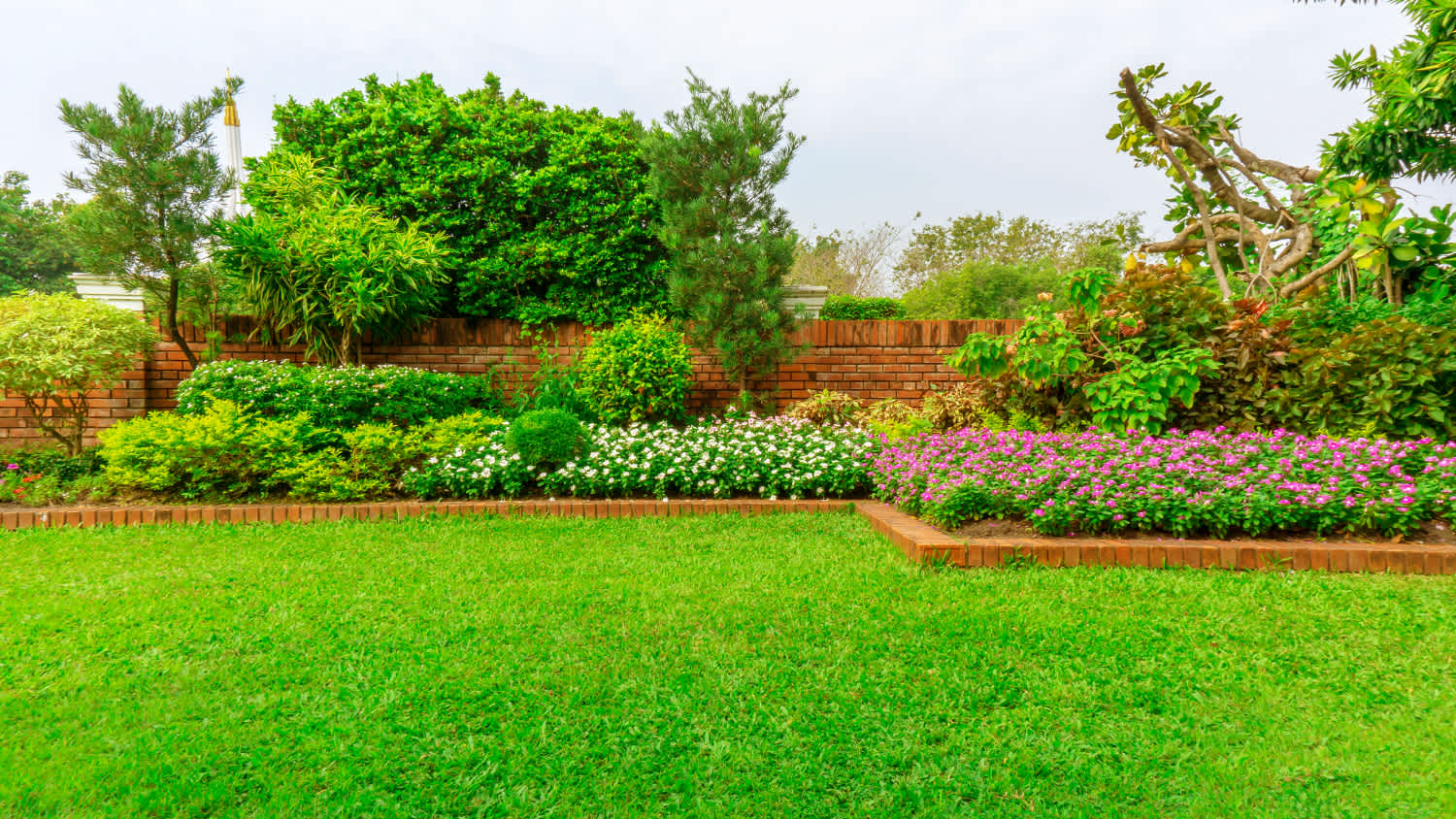
Fertilizer burns can result in discolored or dead grass. These nine tips will help prevent lawn burn and keep your yard looking healthy and green with fertilizer.
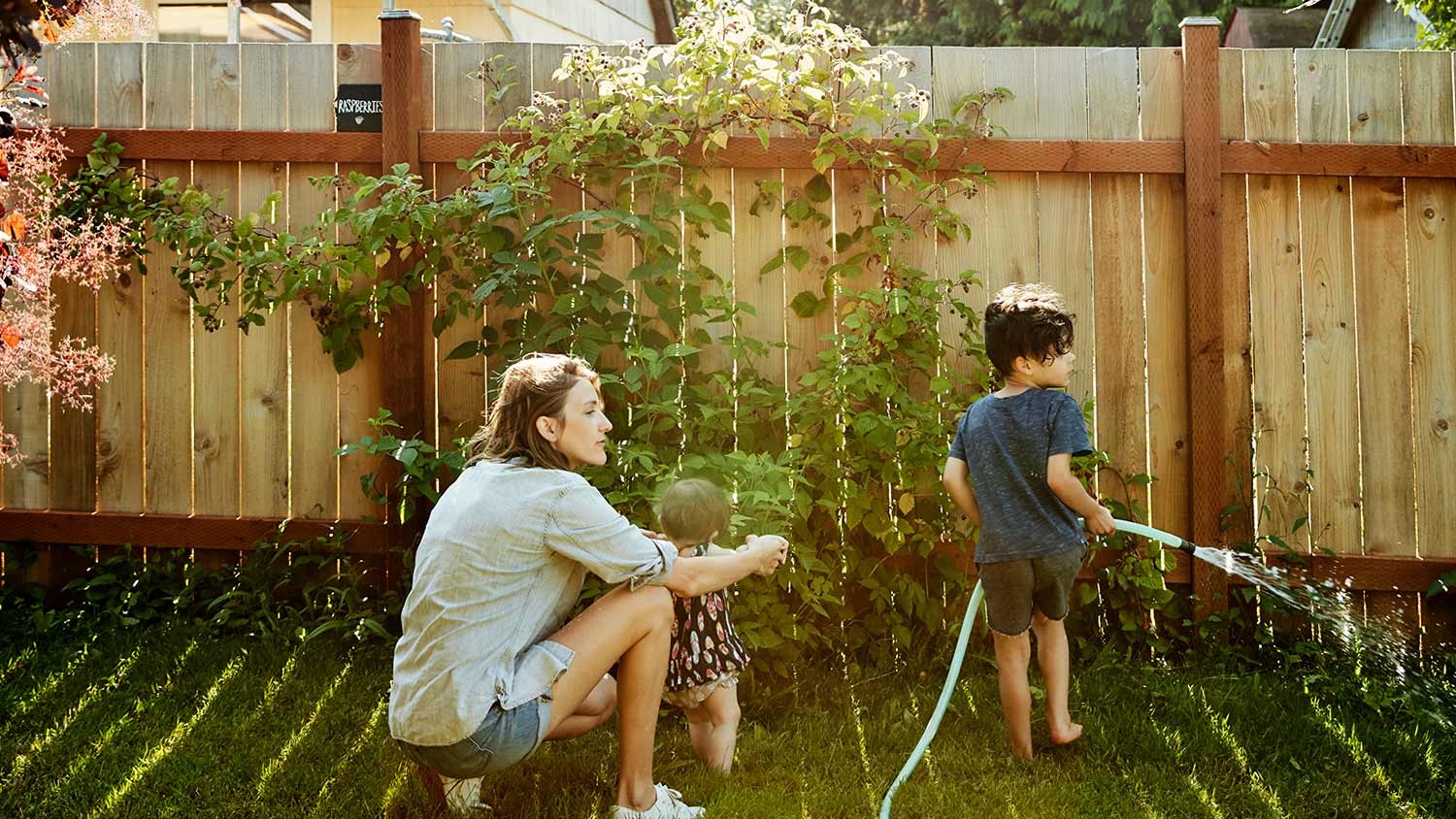
Find out how often you should water your lawn season by season with our expert guide, whether you've got cool or warm season grass or a new or established lawn.
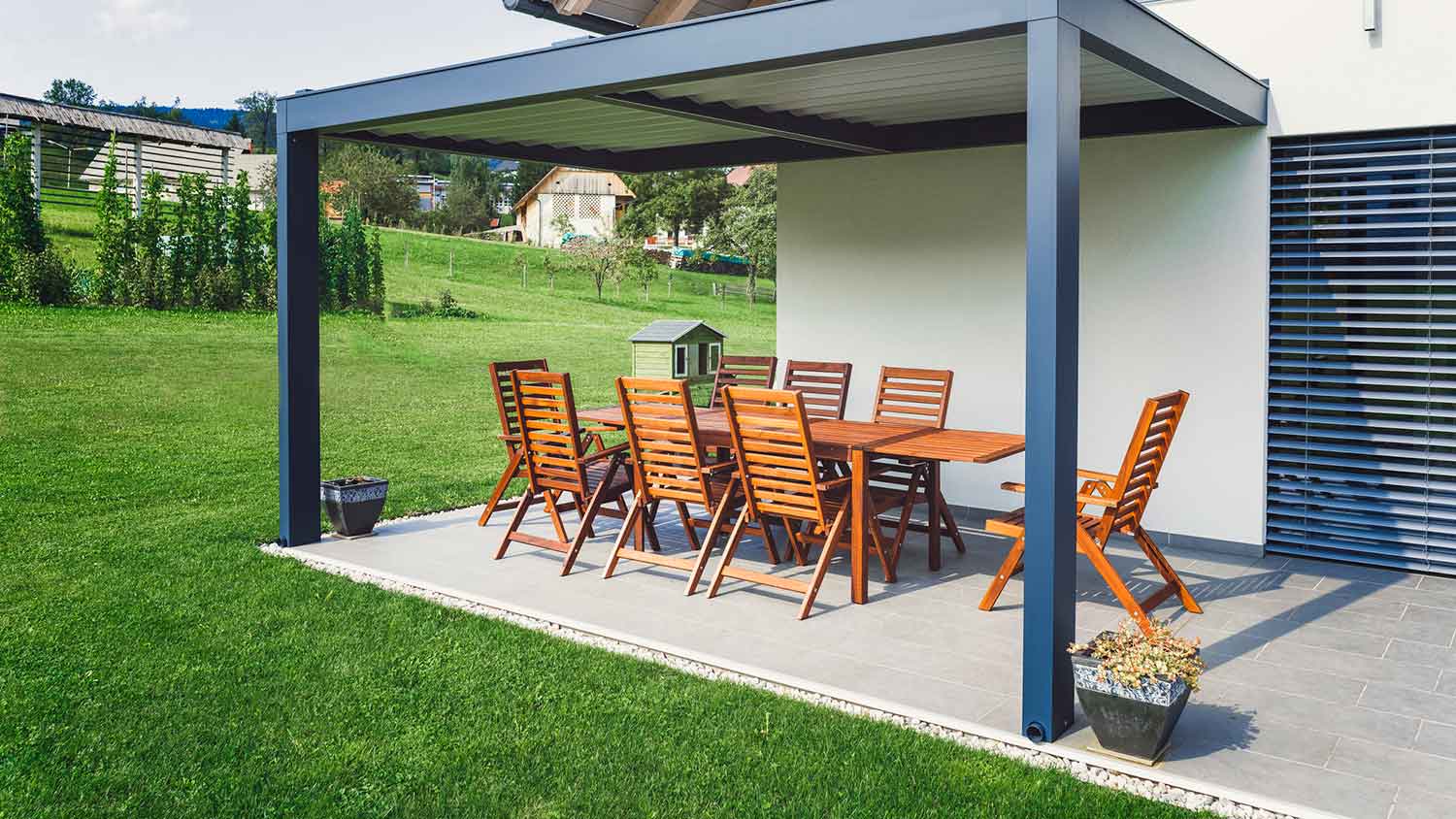
Do you really have to dig up your yard before laying the new walkway? Let's explore whether you can pour concrete over grass and how to simplify the process.
Wondering whether you can mow wet grass? Learn why it’s best to hold off on mowing wet grass and what to do if you don’t have other options.