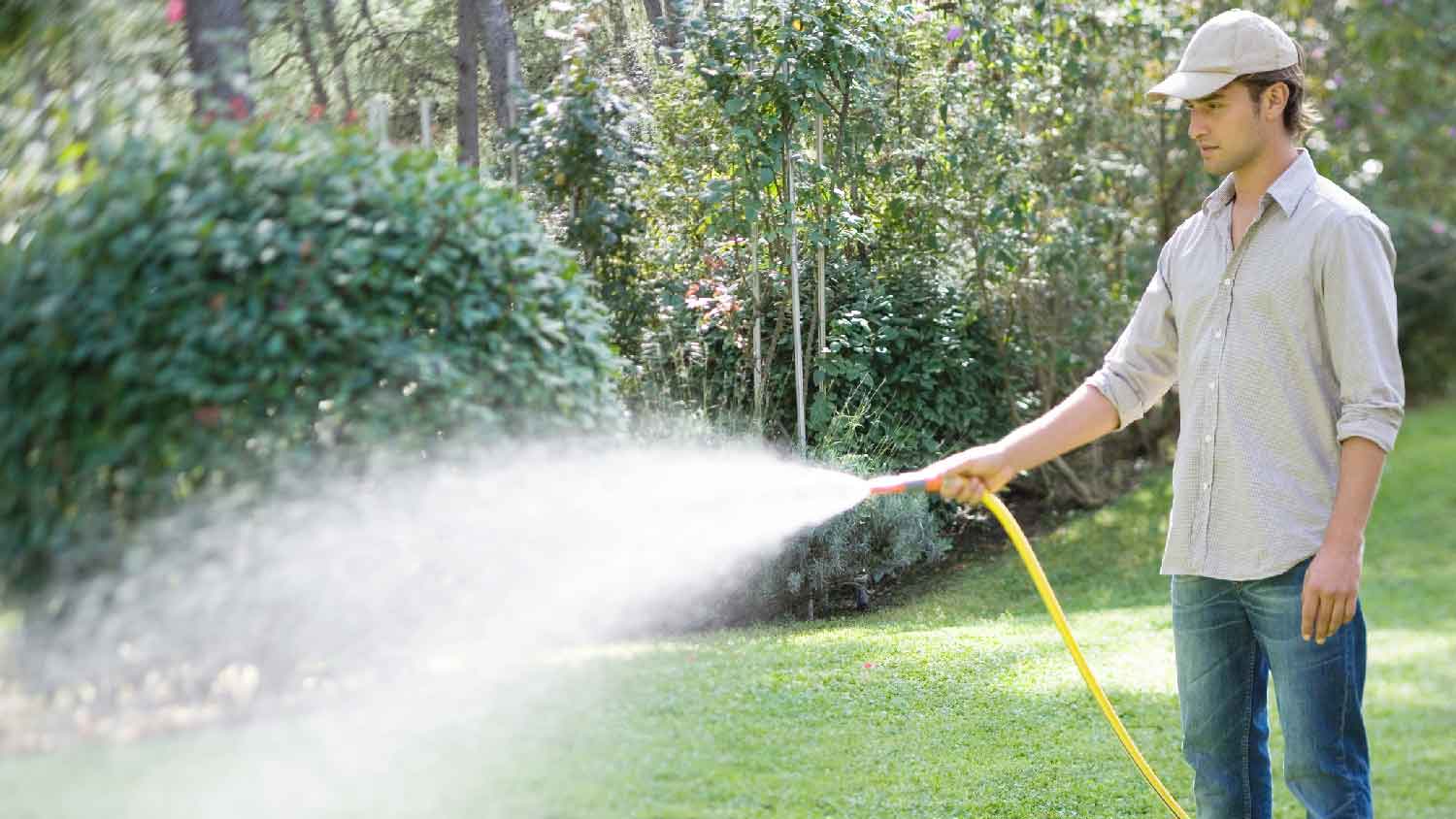
Are you excited for a lush lawn after planting new grass seed but unsure how much water they need? We'll show you how long to water grass after seeding.
Create a moist bed for grass seeds, not a lazy river ride

Overwatering grass seed washes seeds away and prevents root establishment, while underwatering dries out sprouts before they take hold in your soil.
Expect to pay around $2,540 for a professional sprinkler system installation that delivers even water distribution and removes guesswork from lawn watering schedules.
Water your new grass seed for five to 10 minutes two to three times daily in the morning, keeping soil moist without oversaturating.
Hiring a local sprinkler installation professional ensures proper system setup and even coverage, helping your new grass seed thrive with consistent watering.
If you’re looking to reinvigorate your whole lawn or just fill in some bare patches, adding new grass seed is the first step. And one of the most important parts of cultivating the new grass is ensuring it gets the water it needs to thrive. But how much water is too much? Can you overwater grass seed in your lawn? Find out why the answer is yes, and learn more about how long to water grass and when to do so to help your new grass grow as healthy as can be.

Before sprinkling grass seed in your yard, you want to prep it. First, walk around your yard, remove any weeds you see, and dethatch the lawn. If you have a bare, clean lawn, you can move on to soil enrichment.
Preparing the soil is another key component to ensuring grass seeds thrive. You’ll want to aerate the yard first. Aerating is where you poke tiny holes throughout your yard to break up soil compaction. These holes allow better absorption of water, sunlight, and air—all elements your grass needs to grow. Learning how to aerate your lawn is easy, but if you’re not up to getting your hands dirty or you have physical limitations, you can have a lawn care company handle the work for you.
Yes, well-decomposed compost can stimulate grass growth. Along with providing nutrients your grass seed needs to thrive, compost can also improve soil drainage. When applying it, make sure to use a rake to evenly spread the compost throughout your yard. At this time, you’ll want to remove any larger rocks or other objects scattered about your lawn.
Before applying your grass seed, water your soil so that it’s moist 6 to 8 inches deep. After sowing your grass seeds, strike a balance in how often you water your lawn. To start, water your new seed for five to 10 minutes two to three times a day. Doing this ensures your soil remains moist without oversaturing your seeds.
After your grass grows (or germinates), you’ll want to change how often and how long you water it. Ideally, aim for 40 minutes every other day, then taper back to two to three times weekly. Once grown, grass usually needs at least an inch of water each week, though your climate and type of grass might require more water.

Can you overwater grass? Yes, and it’s easier to do than you may think, especially with new grass seed. If the new seeds don’t receive enough water, the dried-out sprouts die. Meanwhile, if your lawn is oversaturated, the grass seed won’t be able to establish roots and is more susceptible to pulling up as you walk around your yard.
With these things in mind, here are some tips to keep your lawn moist:
Use a sprinkler system: A sprinkler system promotes an even flow of water throughout your yard. The average sprinkler system cost is $2,540. That might seem steep on the surface, but they do take some of the guesswork out of lawn watering and can save you time.
Time it right: The best time to water grass is in the morning. Why? Your grass will have ample time to absorb the water before the heat of the day is overhead. If you wait to water until the middle of the day when it’s the warmest, some of the water will evaporate before soaking in, resulting in your grass not receiving adequate water.
Keep evaporation at bay: Covering your yard with mulch before applying grass seed helps prevent water from evaporating after application. Mulch works like a protective barrier or ground coating, protecting your grass seeds from the sun and wind, which can take some of the water away.
Pay attention to the weather forecast: If there’s a chance of rain, hold off on watering. Grass and new seeds are susceptible to oversaturation. With new seeds, this means that instead of taking root in the soil, they take a lazy river ride across your lawn, where they might mingle with other seeds in one area. Then, your lawn would have bare patches. The seeds might also completely float away with the water, reversing all the work you’ve done.
The best time to water grass is at dawn or early evening before the sun is fully out. This will result in less wasted water from evaporation.

Along with the watering best practices, here are a few more general tips to ensure your new grass thrives:
You might feel a temptation to plant new grass seeds during the warmer months if you notice bare patches or want some fresh new grass. The only problem with this is that watering grass during the warmest months is challenging, requiring more frequent watering throughout the day to keep the soil moist. Ideally, plant your grass seed in the spring months before the weather becomes hot.
When shopping for sprinklers and sprinkler head types, one of the better options is an oscillating sprinkler. This works best if you’re reseeding large areas where runoff is more likely to happen. The back-and-forth sprinkler motion gives the water time to soak into the grass seeds, unlike a constant jet like you would receive with a regular sprinkler. Your local lawn sprinkler installer can go over the various options that might be best suited for your yard.
It can take new seeds two months to grow enough for mowing. Once the lawn is ready to mow, you might wonder if you can mow wet grass. The answer is no. You’ll want to wait until the grass dries because grass tends to clump when wet. As your mower cuts wet grass, it’ll run over the grass and the clumps (if you don’t have bagging attached), which leads to uneven cutting. Moreover, your soil is more susceptible to damage when wet, so a mower’s wheels can tear up the grass roots as you mow. Therefore, waiting until the grass dries ensures an even cut with minimal grass damage.
D1 Roofing delivers outstanding service from beginning to end, backed by a strong warranty and expert teams. I highly recommend them for their excellence in meeting and surpassing expectations with unmatched communication. Choosing D1 Roofing was flawless decision
 Division 1 Roofing LLC
We had our houses windows and back door replace this summer by Window Depot USA of Central. He gave us grate advise and saved my family lots money. The team did a fantastic job with installation. If you need help, they sure get job done right!
 Window Depot USA of Central Ohio
Wonderful. I am going to have them remove and replace my driveway in the spring.
 All Star Paving and Sealing
We were having 2”x 2” tile installed . There was a small installation error and the new additional replacement tile was from a different lot and the colors didn’t match. Joe assured us that he would rectify everything , which he did without hesitation. We decided to go with the 18” x 36” tile...
 CarifaTile
We had a 20+ year old landscape lighting system that needed replacement. Midwest Lightscapes worked with us to design a much improved lighting system, lighting the exterior of the house and the back yard. Installation of the 45 light system took one and one-half days, and went very smoothly....
 Midwest Lightscapes
Did an amazing job transforming my yard. Also installed sod in places, would recommend to everyone.
 Cardinal Landscaping & Construction LLC
They show up and they did take us on as a client which seems to be a problem with other lawn care providers. We have multiple properties and this one was located close to downtown and no one really wants to mess with it.
The worker came out when he was supposed to come. He informed me he would honor the Angie's List deal, but would not do any more work for me since my son in law owns lawn care company as well, even though they do not do the same type of work. He said he did not feel comfortable giving me...
 Bello Giardino LLC
E & L Lawn Care was super. They were very responsive before and after service. They were efficient and were able to complete the job within 1 day. I have had concern about one section of sod - the owner was pro-active and did a visit to evaluate. I have no doubt they will stand behind...
 E&L lawn care
From average costs to expert advice, get all the answers you need to get your job done.
Are you excited for a lush lawn after planting new grass seed but unsure how much water they need? We'll show you how long to water grass after seeding.
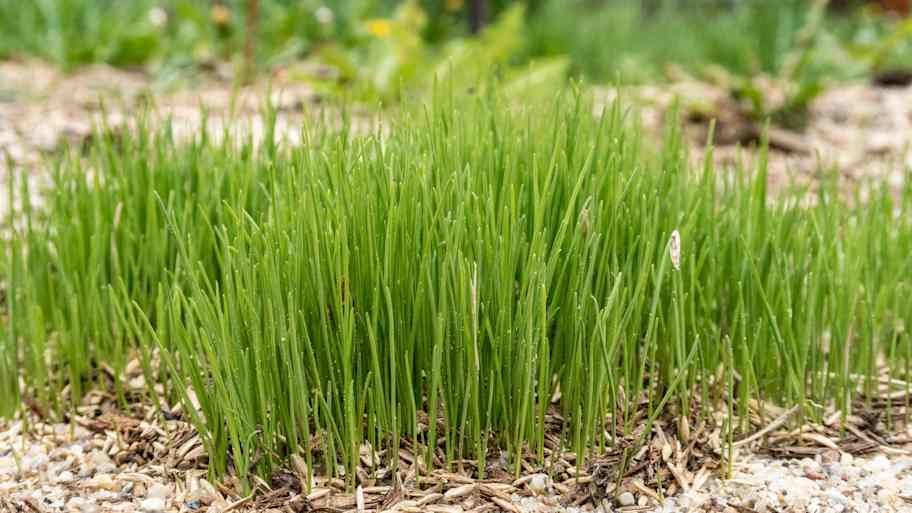
Ready to give your yard a fresh start? With these tips for grass seed planting, your lush lawn dreams are one step closer to becoming a reality.
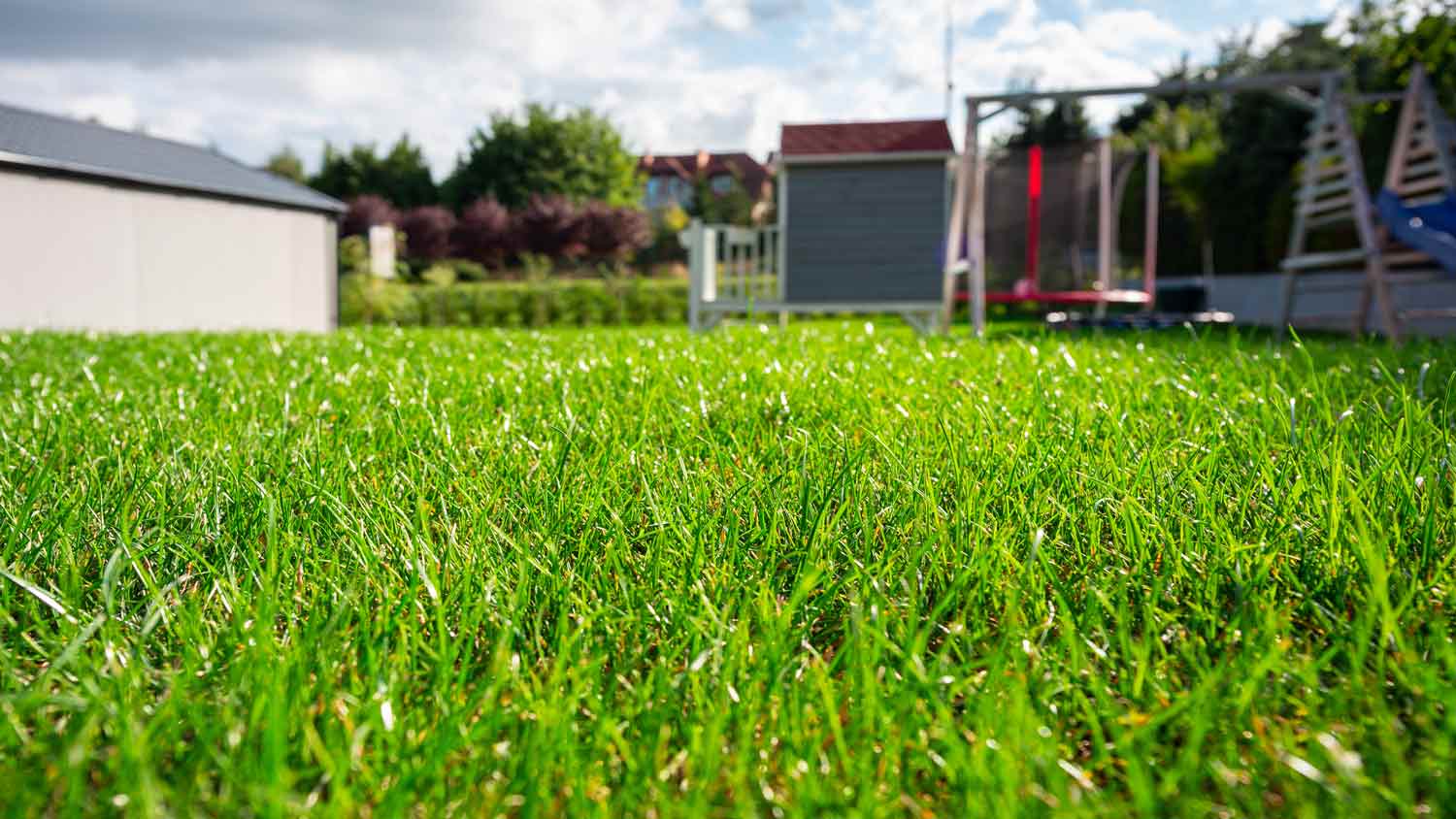
Will grass seed germinate on top of soil? Yes, and it’s the ideal way to start a new lawn. Find out how (and why) to plant grass seeds on top of soil.

Read tips on how to germinate your grass seed successfully, and learn how to tell if germination has happened or when you need to begin again.
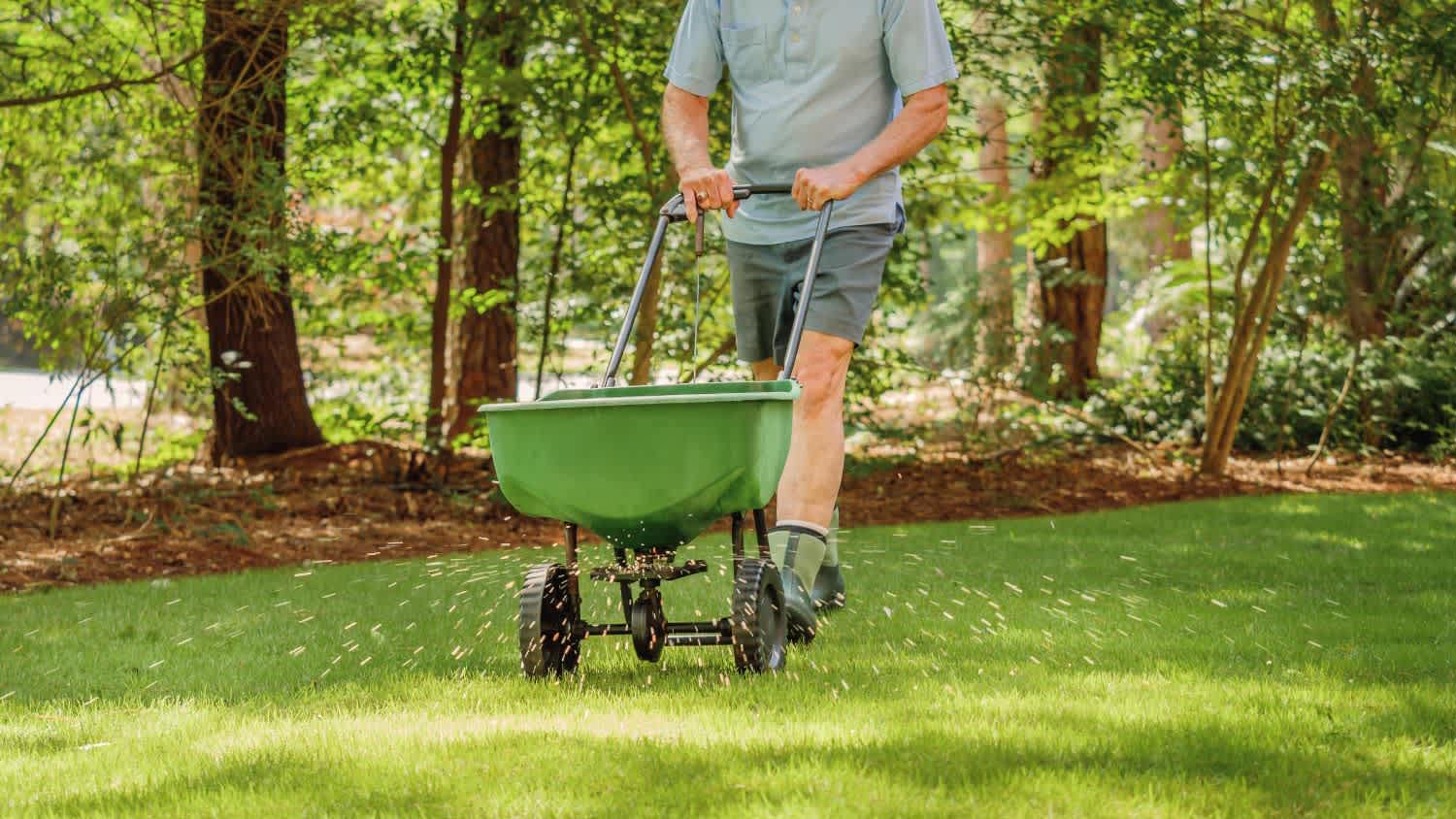
Does grass seed go bad? If you’ve got a box in your basement, you’re probably wondering if you can still plant it. Here’s what you need to know.

A lawn with dead patches may need to be refreshed with power seeding. Learn how to power seed a lawn for lush, green grass with this comprehensive guide.