

Staining a fence is a great project if you’re a handy DIYer. Learn how much it costs to stain a fence and how you can influence the price.
Bottom line: Painting over stain is doable

Painting over a stain requires preparing the varnish topcoat first, as water-based paint won't stick to oil-based finishes without proper surface preparation.
You can identify whether your stained wood has an oil-based or water-based finish by doing a simple sandpaper test in an inconspicuous spot.
Lightly sand and clean the surface before painting over a stain, using 120- or 180-grit sandpaper for water-based varnishes and 50- or 100-grit for oil-based finishes.
Hiring a local carpentry professional provides reliable support for complex paint projects, especially when working with oil-based primers and ensuring proper surface preparation for lasting results.
These days, you can put paint on anything—including wood stain. Products abound that are specifically designed for challenging situations, and there’s an endless array of reasons why you’d want to paint over stain. Read on to figure out if this is a good fit for your home renovation project.
First, let’s break down when you should use paint versus stain.

In the past, lead was mixed in with paint as a pigment—it makes for a striking white and deep yellows—and as a method of strengthening the paint mixture against the elements. People began documenting and enforcing restrictions on lead-based paint in the early 1900s, but it wasn’t until 1978 that we officially banned the use of it in our homes. The primary ingredient in most paint these days is titanium dioxide, an acceptable substitute that provides the necessary opacity to enhance variable surfaces like brick, concrete, and wood.
Stain, on the other hand, is typically only used on wood surfaces. An oil-based stain carries the color into the pores of the wood. If you’re eco-minded, there are water-based stain options, but it’s a relatively new field of science. The material is designed to stain and bind to the bare wood permanently, creating the chosen shade in a uniform way.
Stain by itself does not provide protection from the elements and needs to be combined with a clear varnish—also available in oil- and water-based products—to protect the saturated wood below.

There are a handful of paint sheens available at any painting store; each has a place, both aesthetically and functionally. The shinier sheens like high-gloss, gloss, and semi-gloss are commonly used where you need an extra level of protection and washability in the final topcoat of paint. The smoothness of these sheens makes them much easier to scrub down, and as a rule, high-sheen paints are more durable than lower-sheen materials.
Low-sheen paints like flat, eggshell, or satin have certain visual qualities that make them suited for projects that call for deadening the wall and flattening the surface. By removing most of the reflective element of the paint in using these low-sheen products, you’ll effectively hide small imperfections in the wood and create a “flat” appearance. Ceilings and accent walls made from lap siding are well suited for this type of treatment and most low-sheet paint projects are interior projects.
You’ll want to know what the underlying surface is before making a decision on whether you can paint over wood stain because if you use water-based paint on top of an oil-based product it won’t stick. This is how a common DIY project goes wrong, especially in older homes, and results in a massive amount of extra work stripping both layers off to repair the peeling paint.
Do a sandpaper test in an inconspicuous place first by lightly trying to make the varnish powder up. If you’re having trouble sanding it or it just gums up the sandpaper, you likely have a water-based finish and can proceed with using a waterborne primer and paint combination to paint over the stained wood.
If the surface powders up quickly and seems to be easy to sand, you’re dealing with an oil-based varnish and will want to use an oil-based primer along with your choice of oil paint or water-based acrylic paint for the final topcoat. To be extra sure you’re creating a solid finish, do a larger sample with your testing, preparation, and finishing process.
Once you’ve determined the nature of the existing finish that you’d like to paint, lightly sand and clean the surface. Water-based varnishes don’t sand very well, so it’s best to use a light grade of sandpaper such as 120- or 180-grit to keep your sanding effort to a minimum.
For oil-based varnishes, you can use a stronger grade of sandpaper like 50 or 100 grit if it’s necessary to break down the varnish, but the overall goal is not to take the project back to bare wood. You just want a smooth, dust-free surface in preparation for the primer and paint. Use a vacuum or tack cloth to remove even the most stubborn sanding dust and ensure the work looks like you hired a professional carpenter to do the job.
Painting over stain is a more complex DIY project than most. If you have painting experience, particularly with an oil-based paint, you can tackle this home renovation project on your own. If you’re not skilled with paint, however, this is a job best suited for a professional local painter.
Showed up on time and cleaned carpets well, but didn?t move furniture.
 Voda Cleaning & Restoration of Columbus
**Would rate a 0 if i could** NEVER USE THIS COMPANY!!!!! They shattered my tv console and dresser, lost a mirror, and never finished the move. The broken furniture cost me over $600 to replace. They left me with 6+ hours of personal labor moving my 1BR apartment, when I was quoted a FULL...
 All My Sons Moving & Storage
Scam. DO NOT use this company. We had a move where a Black Tie employee left the job site early (unknown to us until after the fact) and stole $40,000 worth of a private collection we had in a box that he watch use box up. On top of this we had several items missing and damaged where we had...
My kitchen cabinets look brand new thanks to Custom Paint Jobs LLC. Their refinishing is exceptional.
 Custom Paint Jobs, LLC
Couldn't have been a worse experience. 3 of my belongings were lost and 5 belongings were damaged. My furniture was clearly dragged across the ground. The movers couldn't move the furniture I paid extra heavy weight fees for so I had to help them move my own furniture. The manager gave me...
 US Interstate and Rail
They do not have the necessary expertise to pack a POD to protect your valuables. BUYER BEWARE. As part of this recent move, their crew packed a large glass table topper for transport across country in a POD. The fact that they were packing a POD and that it was traveling long distance was...
 Adam's Moving & Delivery Service
Just moved from PA to Columbus in a studio apartment and needed help with some heavy furnitures because I couldn't do it alone. I called Hyremovers and they did a great and timely job and also left my apartment walls intact. Great service!
We ordered our bedroom furniture online in March with expected delivery in early April. 2 days before our delivery we received notice that the delivery would be delayed 2 weeks. We were very understanding and had no complaints. Again, 2 days before our new delivery date we received a notice...
Leaders did a great job. They showed up on time and efficiently and carefully loaded the truck at the storage facility. We had some very important pieces of furniture that they took great care in moving. The arrived quickly at the townhouse and unloaded the truck with the same care and...
 Leaders Moving & Storage Co of Columbus
Went well overall! The two downsides were 1) they only provided 2 of the 3 men promised and 2). the office guy who surveyed our apartment prior to the move underestimated the amount of stuff we had so the truck was too small. This meant the moving day lasted a bit longer than anticipated....
 Mr. Mover of Ohio Inc
From average costs to expert advice, get all the answers you need to get your job done.
Staining a fence is a great project if you’re a handy DIYer. Learn how much it costs to stain a fence and how you can influence the price.
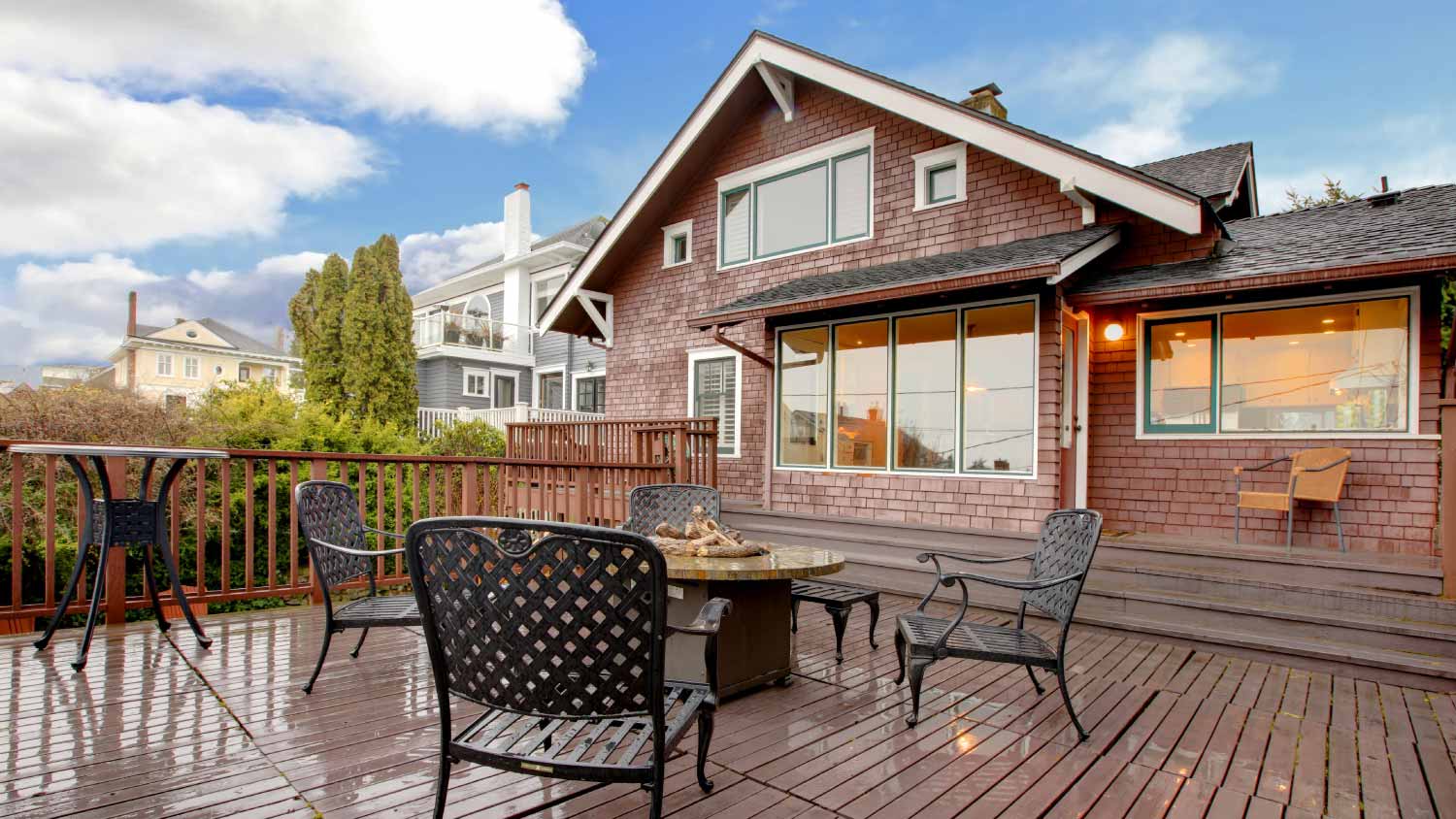
The cost to stain cedar siding largely comes down to the labor required. Learn how you can keep your costs down for materials, and when hiring a pro.
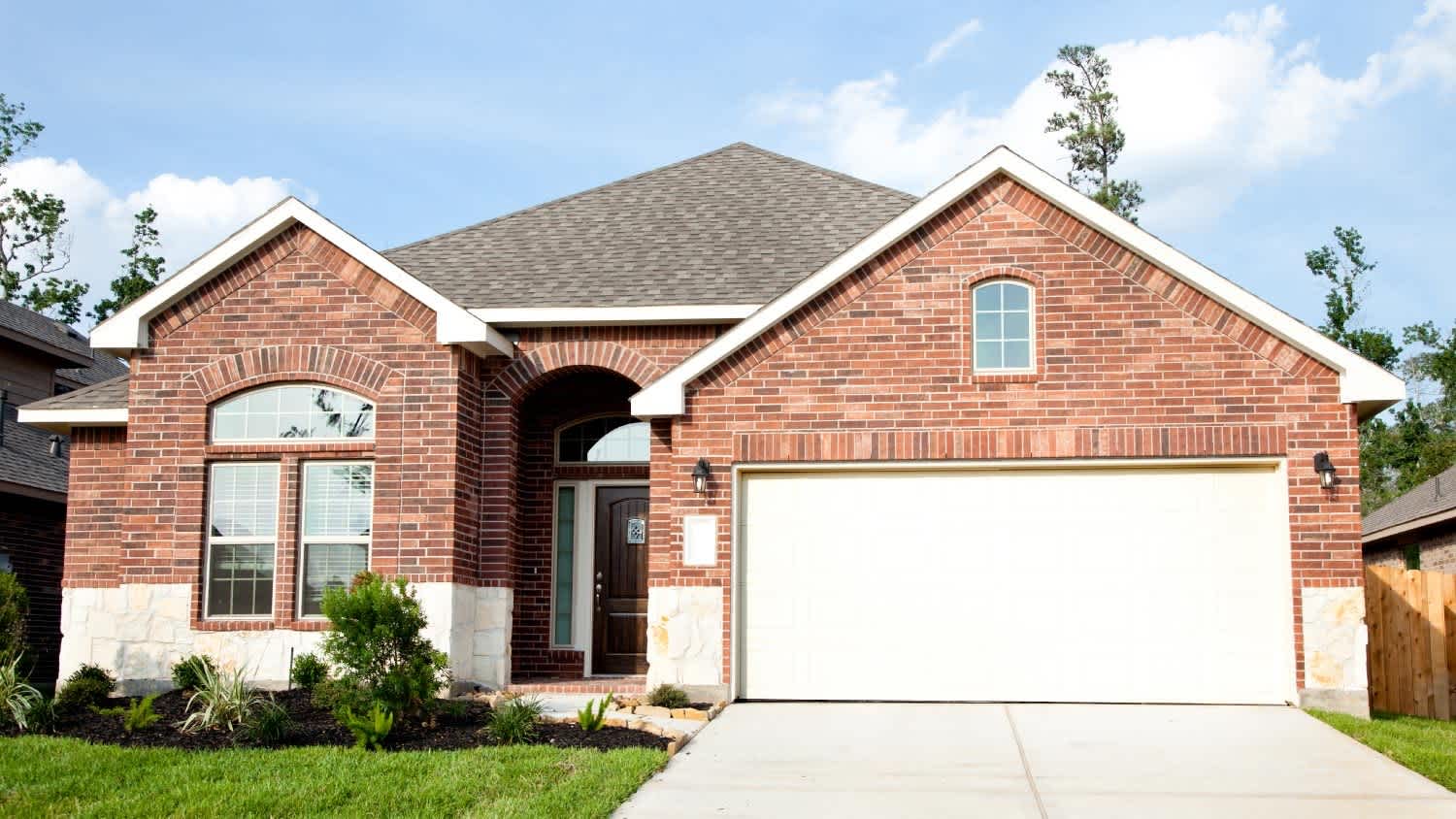
The cost of materials and labor all factor into your overall brick staining cost, but what other factors impact the bottom line? Our guide covers this and more.
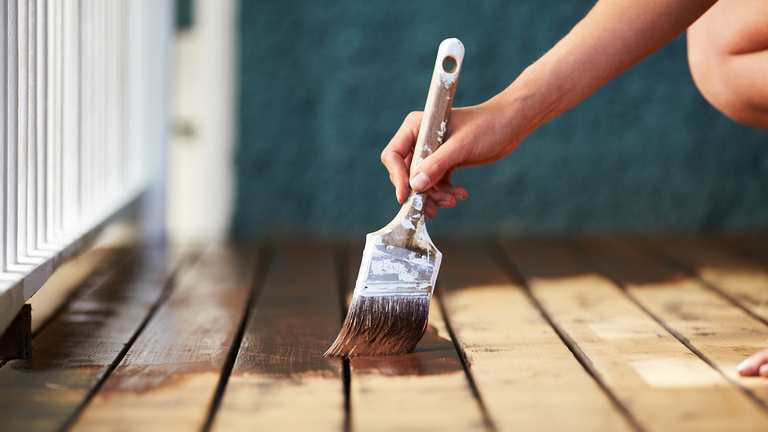
Deciding to apply paint or stain to a deck depends on your personal preferences. Learn more about choosing to paint or stain a deck at your house.

Painting or staining wood surfaces can give your home an entirely different look. If you aren’t sure which way to go, use this guide to decide which one is best for your next project.
Not sure who to hire for deck staining and painting? Learn which pros to call, how they work, and how to choose the right fit.