

•
Discover the average lead paint removal cost, key price factors, and tips to save on safe, professional lead paint abatement for your home.
Was your home built before 1978? Be on the lookout for the telltale signs of lead paint

Lead-based paint removal requires professional expertise because inhaling or ingesting lead dust causes serious health risks, especially for children and pregnant individuals.
Expect to pay $8 to $17 per square foot for professional lead-based paint removal, with encapsulation costing $4 to $8 per square foot.
Your home built before 1978 needs testing if you notice alligatoring paint, chalky residue, or chipping around baseboards and behind appliances.
Hiring a local lead testing and removal professional keeps your family safe by handling hazardous materials with specialized equipment and EPA-certified training.
Imagine this: You finally found the home of your dreams, and you and your family can’t wait to move in and start making memories. But once you get settled, you notice chipped paint, and alarm bells start ringing. Did you just discover lead paint in your home? Don’t let fear get the best of you. Eliminating lead paint from your new place of refuge is entirely doable, and we’ll walk you through every step. Learn all about how to get rid of lead paint and how to know if lead is in your home in the first place.
Lead paint can cause lead poisoning and a wide range of health problems, and children are especially vulnerable to the effects of lead poisoning. The presence of lead paint in your house can be dangerous for everyone when ingested or inhaled, potentially causing damage to the kidneys, nerves, and blood.
Lead paints were banned for use in homes in 1978. However, if your home was built before that time, it might still have lead paint inside. If the paint in your home tests positive for lead, contact your local building department immediately and then schedule an appointment with an Environmental Protection Agency-certified lead removal specialist.
Homes built before 1978 may contain lead-based paint, which can be hazardous to your health when it deteriorates. Have a qualified professional remove any lead paint if it begins to chip or peel.

Before you learn how to get rid of lead paint, it’s helpful to know the signs of lead paint in your home. Here are the best ways to figure out if you have lead paint plaguing your space:
Research the age of your home. If it was built before 1978, test for lead.
Look at your paint to see if it has cracks and wrinkles that resemble an alligator’s scales. If the paint is “alligatoring,” there’s a higher likelihood it contains lead.
While wearing a full set of safety gear, examine your paint to see if it leaves a chalky residue after you’ve rubbed it. Paint with a chalky residue is more likely to contain lead.
Be aware that previous homeowners might have painted over lead paint. Check around baseboards, inside closets, and behind appliances to identify any surfaces that no one painted over and could be exposing lead paint.
Use an at-home lead paint test kit or hire a local lead testing company.
If you have children, contact your pediatrician and make an appointment for a lead exposure test. It’s a simple blood test that reveals if there’s high lead content in your home.
If someone living in your home is pregnant, be sure they get a lead exposure test from their doctor as soon as you suspect there may be lead paint in the home. Lead and its damaging effects can be passed from a pregnant person to their baby.

Since this is a dangerous job, you should not attempt lead paint removal. Professional lead removers need specialized training and hazmat suits for this project, so it’s not suitable for DIYers. Take steps to hire the right lead abatement contractor, such as checking out reviews and contacting at least three pros with lead certification.
Even though you can’t DIY this one, there are a few cautionary steps you can take before your lead removal expert arrives that will make the job easier for them and safer for your home.
If you’ve scheduled a time for a lead paint removal expert to eliminate the toxic paint from your home, the only thing left to do is prepare the area for their work. That way, you can keep lead dust from spreading throughout your home until the removal is complete.
The first step is to put on protective clothing before entering the area that tested positive for lead paint. To stay safe from lead exposure and prevent tracking lead dust particles through other parts of the house, put on protective gear like goggles, shoe covers, coveralls, a face shield, and gloves. Ensure that you wash your protective gear separately from other items afterward.
Once you’re all dressed up in your protective gear, you can enter the hazardous area and start removing all items from the room. You should clear the area of furniture, curtains, rugs, clothing, food, room decor, and any other movable items.
If it’s impossible to remove certain items from the area, like bolted-down furniture, wrap the remaining pieces tightly with plastic sheets and seal them in with duct tape.
Now that the area is clear, spread plastic sheets across the entire length of the floor, securing it with duct tape. Ensure that you stick the tape to the baseboards or the bottom of the walls. This step ensures that lead dust or chips that fall before or during the professional removal don’t get stuck in your flooring.
If you usually keep the windows in the contaminated room open to invite in a breeze, you’ll have to get in the habit of keeping them closed for the time being. After you lay down plastic sheeting over your flooring, ensure that you close and lock any windows to prevent a draft from blowing lead dust around the room.
Like the previous step, you should turn off your AC system to cut off airflow between the hazardous areas and other rooms in your house. By closing off your HVAC system, you prevent lead dust from entering your home’s ventilation system. When you’ve turned the system off, cover the air vents with a layer of plastic sheeting and seal it with duct tape.
If the contaminated area is large, you can create an airlock at the area’s entrance to keep the lead dust from spreading to other parts of the house. Before completing this step, talk with your lead removal company about whether they would prefer to construct an airlock themselves during your appointment.
To create an airlock, tape one piece of thick plastic sheeting along the four edges of the entryway. Then, use scissors to cut the plastic sheet down the middle. Finally, add another piece of plastic sheeting to cover the slit of the first piece. Tape the second piece only along the top of the entryway.

Want to know how to safely remove lead paint? Let the pros do it for you. If you’ve identified the presence of lead paint in your home, find an EPA-certified lead removal contractor to tackle the important job of clearing and removal. The cost of professional lead paint removal ranges from $8 to $17 per square foot on average.
Typically, pros use a range of methods to get rid of lead paint, including using a paint scraper, heat gun, or sander. They can also enclose, encapsulate, or replace the lead-containing surface. Talk with local pros and get at least three quotes to determine the best approach for your home.
Hand stripping and scraping is a time-intensive process that helps ensure the underlying surface isn’t damaged during paint removal. Hand scraping typically costs between $8 and $17 per square foot. It’s permanent and doesn’t require any maintenance.
During this process, lead removal pros spray the surface with water to prevent dust from entering the air during removal. Then, they scrape away loose or flaking paint and may also sand the surface.
Another option is using a chemical paint stripper made specifically for lead paint (meaning it doesn’t contain any methylene chloride). This reacts with the paint on a molecular level, leaving it non-hazardous.
Some professionals use a low-temperature heat gun to help remove the paint before scraping it or wet sanding it. Then, they’ll clean all residue with a HEPA vacuum. The costs for heat gun lead paint removal range from $8 to $17 per square foot, and it’s a permanent solution.
A pro can hang new drywall over an area, eliminating exposure to lead paint. The cost for lead paint enclosure usually falls between $9 and $10 per square foot. Enclosure isn’t a permanent solution, though, as the lead can be reexposed if the new surface is removed or damaged.
You can expect to pay between $1,000 and $15,000 per project for a demolition and replacement job. With this process, a professional will remove the entire lead-painted surface, such as a window casing. The result gets rid of the lead permanently, but it can be costly. However, opting for a demo and replacement makes sense if the underlying surface is old or damaged.
Encapsulation involves coating the surface with a specially-made sealant and usually costs between $4 and $8 per square foot.
When it comes to how to get rid of lead paint, the pros note that encapsulation is actually one of the easiest methods of reducing lead paint exposure. This process is so easy because it only involves rolling or brushing on the sealant, which then locks in the lead-based paint. Unfortunately, the coating can wear off over time, so this isn’t a permanent solution.
Becca Stokes contributed to this piece.
I recently moved to another state and chose United Trust Van Lines after comparing several companies. Their team was punctual, professional, and extremely careful with my belongings. I was especially impressed with how they handled my home office setup and fragile items. Everything arrived on...
 United Trust Van Lines, LLC
One of my old tall evergreen trees was suddenly leaning toward the busy street in front of my house. I submitted a request for an emergency tree inspection, and Alejandro, owner of Cajete Tree Service, contacted me immediately and arrived to look at it just 20 minutes later. We agreed the...
 Cajete Tree Service LLC
It went so well! They were prompt and efficient! They were patient with last minute changes and the work was worth the money
 Security Doors and Shutters
I conferred with 2 other contractors before Armstrong Electric. Nick and his crew showed me that the project was not as convoluted as the other contractors made it appear to be. They completed the entire project on time. They were professional, friendly and cleaned up after at completion. I...
 ARMSTRONG ELECTRIC, LLC
The technician was very professional and friendly. He answered all my questions and was very thorough. He left the fireplace area very clean . He inspected from the roof and advised me as to other work that might need to be done. There was no pressure there. I was very satisfied with the...
 Supreme brick & chimney
Very professional and efficient with work. Answered each question I had with great knowledge and an informative response. Will be working with them again.
 KW Handy
Professional, timely, practical solutions and successful. A joy to work with.
 Smart Home & More
The techs on my project, Shawn and Cliff, were great. They were prompt, courteous, and efficient. I am very happy with the results and would definitely contact Mr. Electric for any future electrical projects.
 Mr. Electric of Columbus
He is trustworthy and he will take care of you immediately. He will give you the best quality for the best price.
 Solar Is Your Edge
The guys at PaveWay are top notch. From the estimate to the job being completed,all was done in a timely and professional manner. I myself was a DOT Engineer Inspector(know what to look for) and got to talking with Cameron and he himself was a Contract inspector for a few years,same job as...
 All Star Paving and Sealing
From average costs to expert advice, get all the answers you need to get your job done.
Discover the average lead paint removal cost, key price factors, and tips to save on safe, professional lead paint abatement for your home.

Get expert insights on lead paint inspection costs, including key cost factors and ways to save. Learn what affects your estimate and how to budget effectively.
Need to remove old, chipping, or flaking paint before refreshing? Learn about paint removal costs in this guide to see how much you should budget.
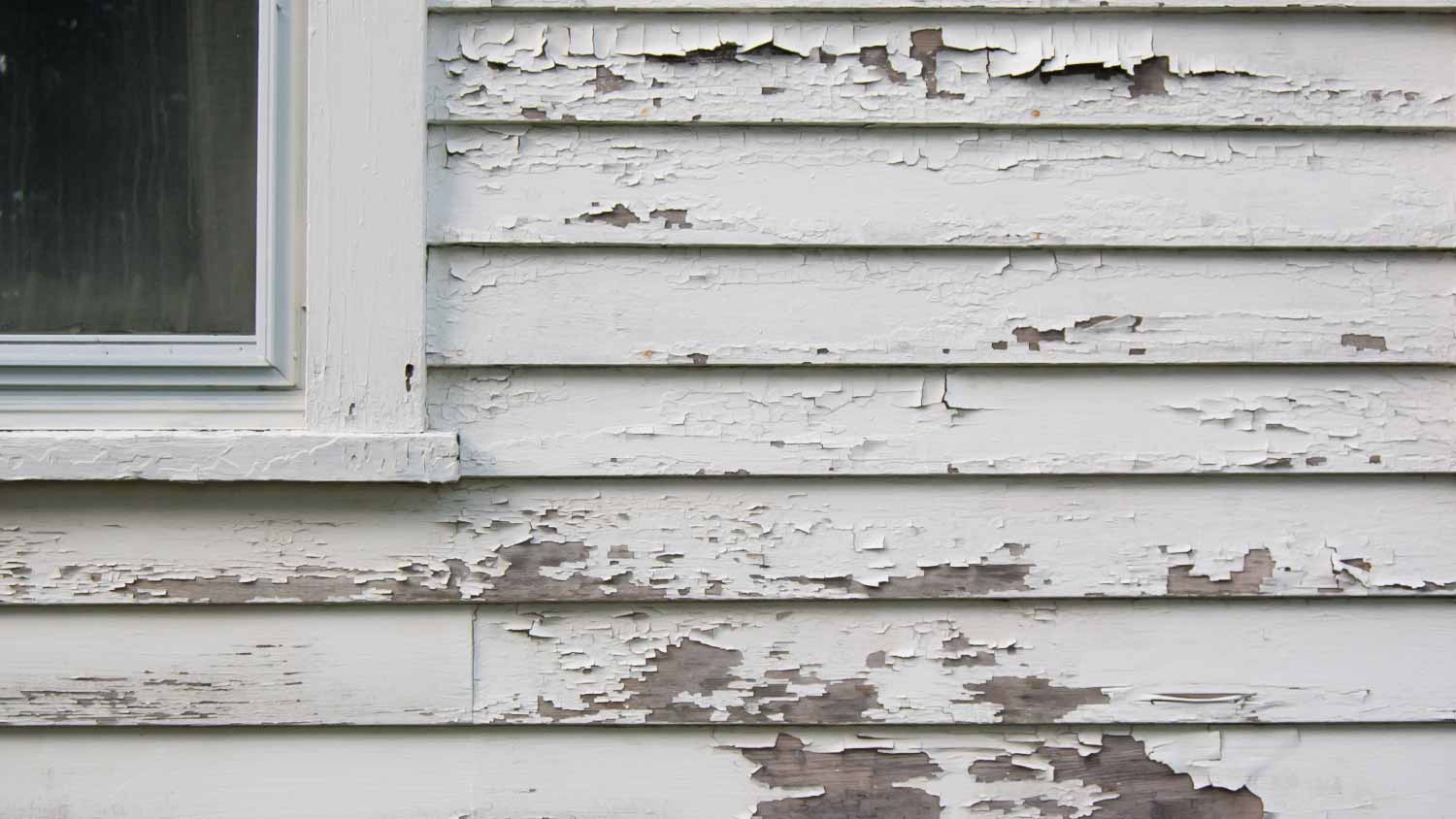
Can you paint over lead paint? You can use a process called encapsulation, which may require the help of a local professional paint service to do it safely.

Here is what to do if you find lead paint in your older home. From testing to removal, you can ensure a safe environment for the whole household.

Who do you call to remove lead paint? Read on for tips to help you find a certified, reliable lead paint removal contractor.