•
Discover the cost to install recessed lighting. Discover how price factors, labor, and other considerations can help you save on your lighting project.
Light it up with the right choice

Can lights and recessed lights both install in ceilings, but can lights feature cylindrical housing while recessed lights sit flush with the surface.
Expect to pay $100 to $480 for professional recessed lighting installation, so planning your kitchen can lights budget helps you stay on track.
Your best choice depends on your lighting needs: can lights work well for task lighting, while recessed lights provide overall room illumination.
Hiring a local light fixture installation professional keeps electrical work safe and ensures your new lighting fits perfectly and functions properly.
If you’re wondering whether can lights or recessed lights are the way to go for your home, you’ve found the right guide. While many think of can lights and recessed lights as the same thing, these two fixtures can have unique functions and designs. Discover the differences between can lights and recessed lights to determine which option is best for your home.
Can lights are a type of recessed light that get their name from their cylindrical housing that resembles a can. They feature an open top with a bulb inside. Recessed lights, on the other hand, are available in a wide variety of styles, and feature trim, a bulb, and sometimes housing. When people talk about recessed lights, they’re often referring to a light installed within the ceiling that is flush with the surface.
These two fixtures do have some differences, especially in their installation process, design, and use.
| Feature | Can Lights | Recessed Lights |
|---|---|---|
| Installation | Ceiling, wall, floor | Ceiling |
| Design | Cylindrical housing | Trim, housing, bulb |
| Function | Easily angled | Can be angled |
| Use | Task lighting | Overall lighting |

The main difference between can lights and recessed lights is the way they’re installed. Can lights can be found in ceilings, walls, and floors. They feature a canister-like housing that is installed in a hole and can become flush with the surface. The can light is then connected to an electrical box through wiring.
Recessed lights are installed in the ceiling and can feature housing or an all-in-one unit, also known as a canless light. This light is placed in the ceiling and connects to your home’s electrical wiring. These types of recessed lights present a more difficult installation and replacement process. When the bulb burns out, the entire unit needs to be removed and reinstalled.
Can lights and recessed lights can also differ in their design. Can lights may protrude from the ceiling and can be more visible than most other recessed lights. There are two main categories of can lights:
IC-rated
Non-IC-rated
IC-rated can lights can have direct contact with insulation as they’re designed with an air gap that keeps the outer can cool. Non-IC-rated can lights cannot be in contact with insulation as they do not have this air gap and will cause a fire hazard.
Recessed lights are usually flush and offer an unobtrusive design that is barely noticeable. They typically feature three main components: trim, housing, and a light bulb. The trims are available in a variety of styles including:
Open trim
Reflector trim
Baffle trim
Pinhole trim
Eyeball trim
Canless trim
Gimbal trim
Wall-wash trim
Shower trim
Each type of trim offers a different aesthetic and function that is best used for certain situations or areas in the home.
Can lights and recessed lights can be used for different purposes. Can lights are often best for task lighting or accent lighting. Their design makes it easier to adjust and angle them to illuminate a specific area or object.
Recessed lights are typically chosen over can lights to illuminate an entire room or area. With a wide variety of trims available, recessed lights are great at providing different types of lighting, including ambient, task, accent, and decorative. They’re also a more modern light fixture.

Can lights and recessed lights can both provide excellent illumination to your home. Each comes with advantages and different designs, but the choice that’s best for you depends on your installation options, design preferences, and targeted function. When making your decision, consider the purpose of the room, your desired mood, and the overall aesthetic.
No matter which option you pick, contacting a local light fixture technician near you to complete the installation will make the job quick and easy. Working with electricity can be risky business, and it’s best to let a pro tackle the job. They’ll be able to answer any questions you have, complete the installation, and make sure everything is working properly. The cost to install a recessed lighting fixture ranges from $100 to $480, but it’s a worthwhile investment to keep you safe.
Custom Paint Jobs LLC gave our office a fresh new look. Clients love it!
 Custom Paint Jobs, LLC
Best painters in the Greater Columbus, Ohio area. Quality of work second to none and customer service is head above shoulders than everyone else. I cant wait to work on another project with Silvio and Team!
The Mosby team went above and beyond for my project. They not only installed my light fixture; they also worked through an old, wonky, and as it turns out incorrect wiring issue from the work of prior contractors. Professional, thorough, conscientious, and kind. Five star experience. Thank you!
 Mosby Electric
We had a 20+ year old landscape lighting system that needed replacement. Midwest Lightscapes worked with us to design a much improved lighting system, lighting the exterior of the house and the back yard. Installation of the 45 light system took one and one-half days, and went very smoothly....
 Midwest Lightscapes
Jeff was a consummate professional. Responsive, courteous, and focused on meeting our needs. I had a small project of installing and replacing two ceiling light fixtures. He responded to my Home Advisory inquiry within 24 hours and in a span of two weeks our light fixtures were installed. ...
For several months I was looking for somebody to tile a wall in my master bath and move lighting fixtures, and could not find anybody who was responsive. I contacted Rowe through Home Advisor and within days they came by to assess the job and provide an estimate. The cost was very...
 Rowe House Development
A team of 2 spent 5 hours, cleaning top to bottom (removed all light fixture and cleaned.... impressive!!!)
 Luzia's Cleaning
It went very well. I was able to select the color blocks I wanted and where they would be placed in the window. All of the employees were very pleasant and patient. The guys who installed the window arrived promptly, did their job, and there was nothing for me to clean up. The window looks...
 Innovate Home Org - Columbus Glass Block
The initial quoted price from a walk-through seemed high, but we discussed that the quote represented worst case scenario (re-wiring to two floors) and we were excited about the opportunity to have the work done in a timely manner with closing for fire safety reasons, etc. When the job was...
Charlie recommended a separate fan with new lighting to clear steam from the room better. Several weeks ago I contacted Charlie via email to ask about pricing and scheduling, after one follow up he did reply with cost and said it would be about two weeks before he could do the work. I replied...
 Settle Muter Electric
From average costs to expert advice, get all the answers you need to get your job done.
Discover the cost to install recessed lighting. Discover how price factors, labor, and other considerations can help you save on your lighting project.
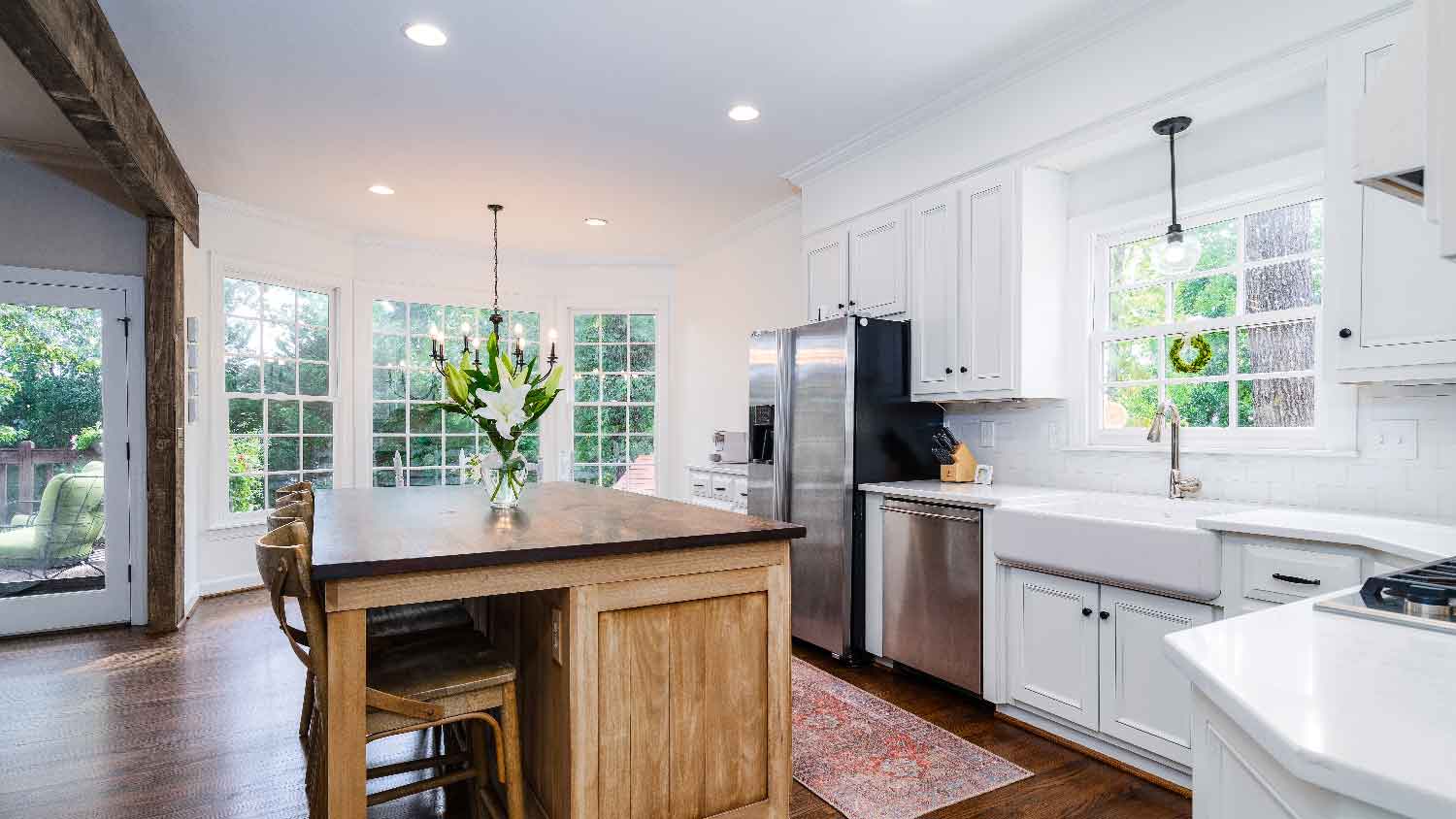
Choosing the best recessed lighting for your home depends on a variety of factors. This guide explores if canned vs. canless recessed lighting is right for you.

Track and recessed lighting offer extra illumination in your home, but which one is right for your space? Compare these common lighting options to find out.
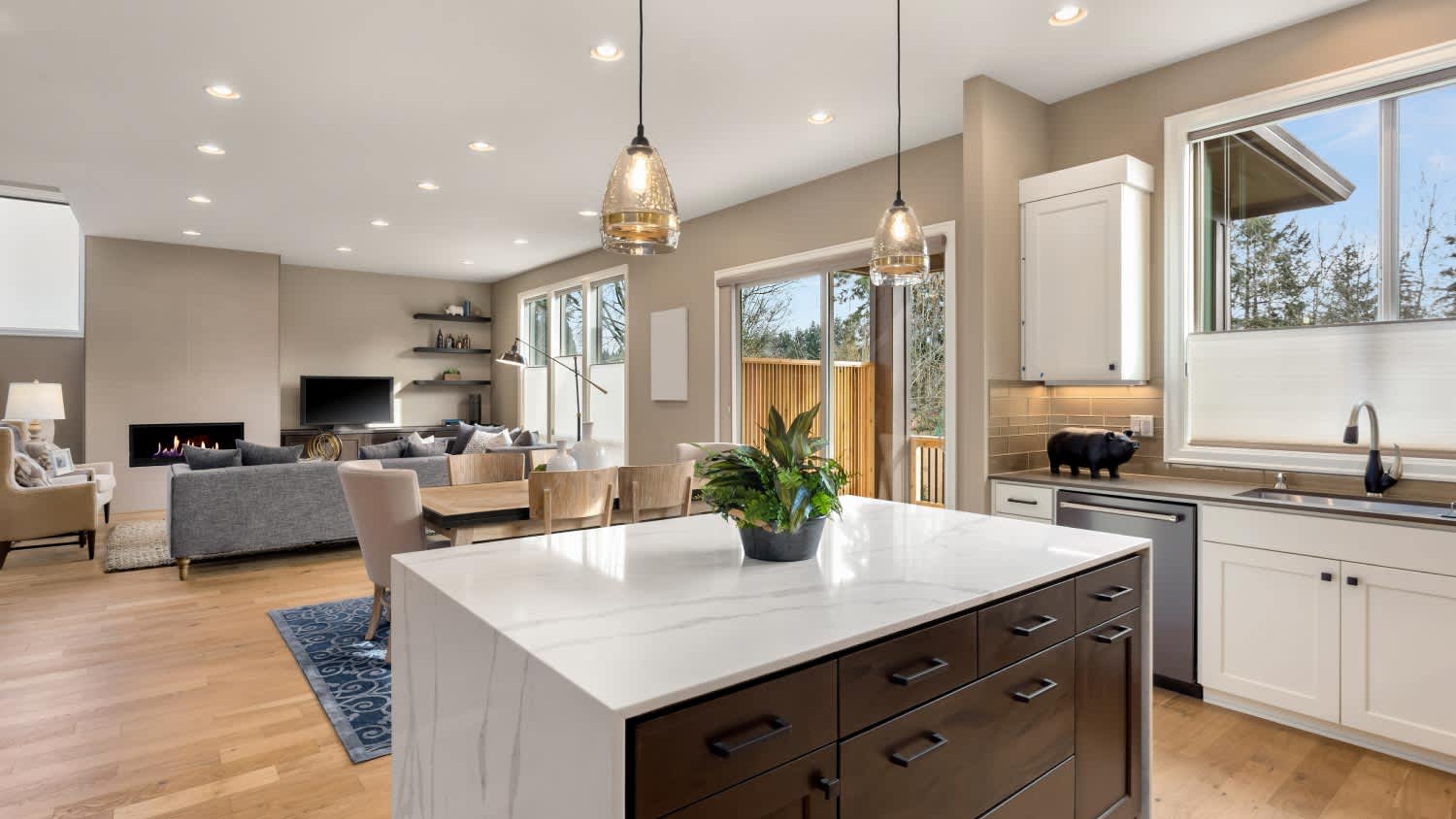
Do you want to brighten up a dim room? Learn how to install recessed lighting in any room with this easy-to-follow DIY guide.
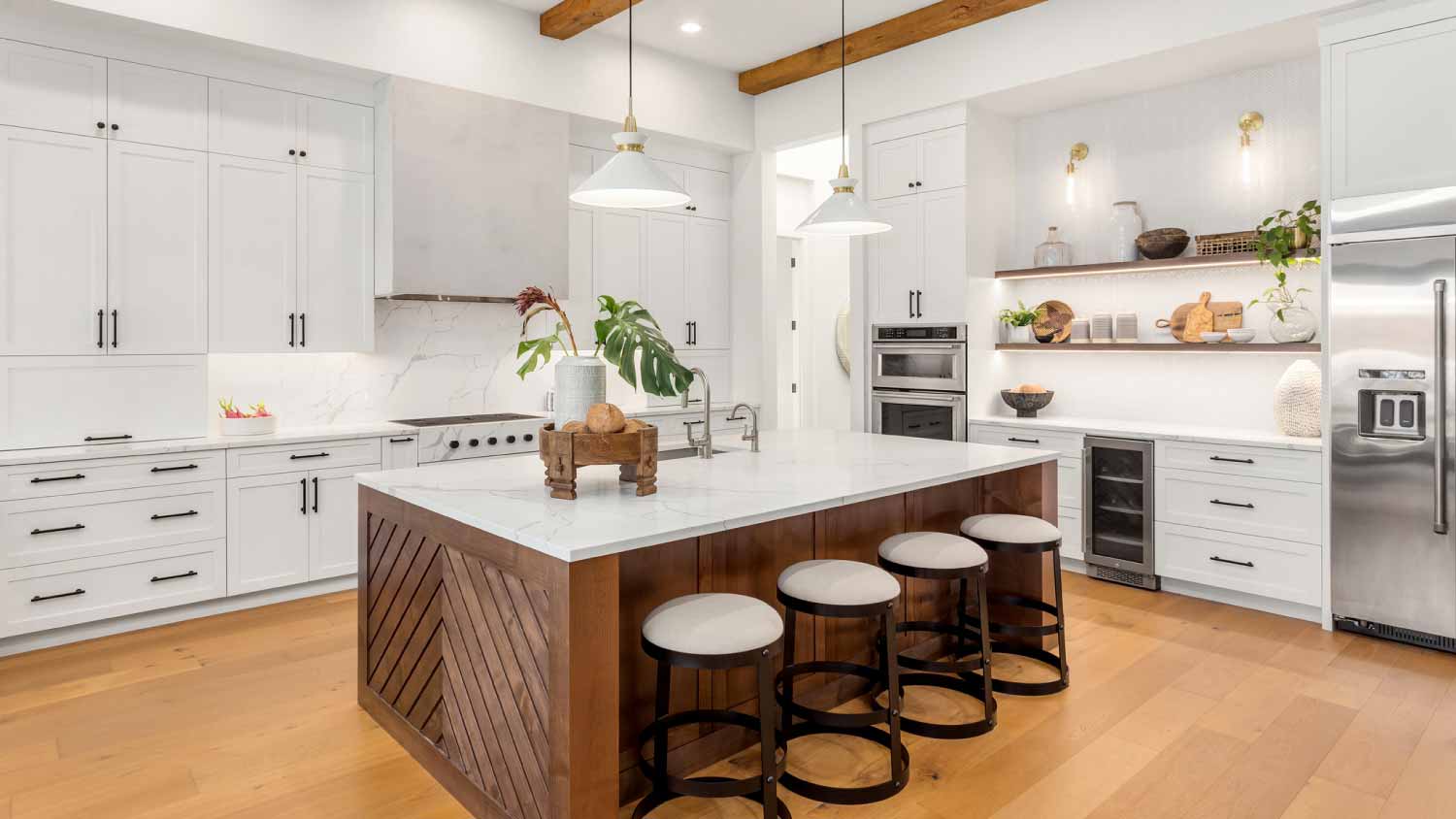
Recessed lighting is a great way to illuminate your home. Use this guide to find out how many can lights per room you’ll need.
LED wafer lights vs. can lights—which one is the right choice for lighting your home? Learn more in this quick comparison guide.