
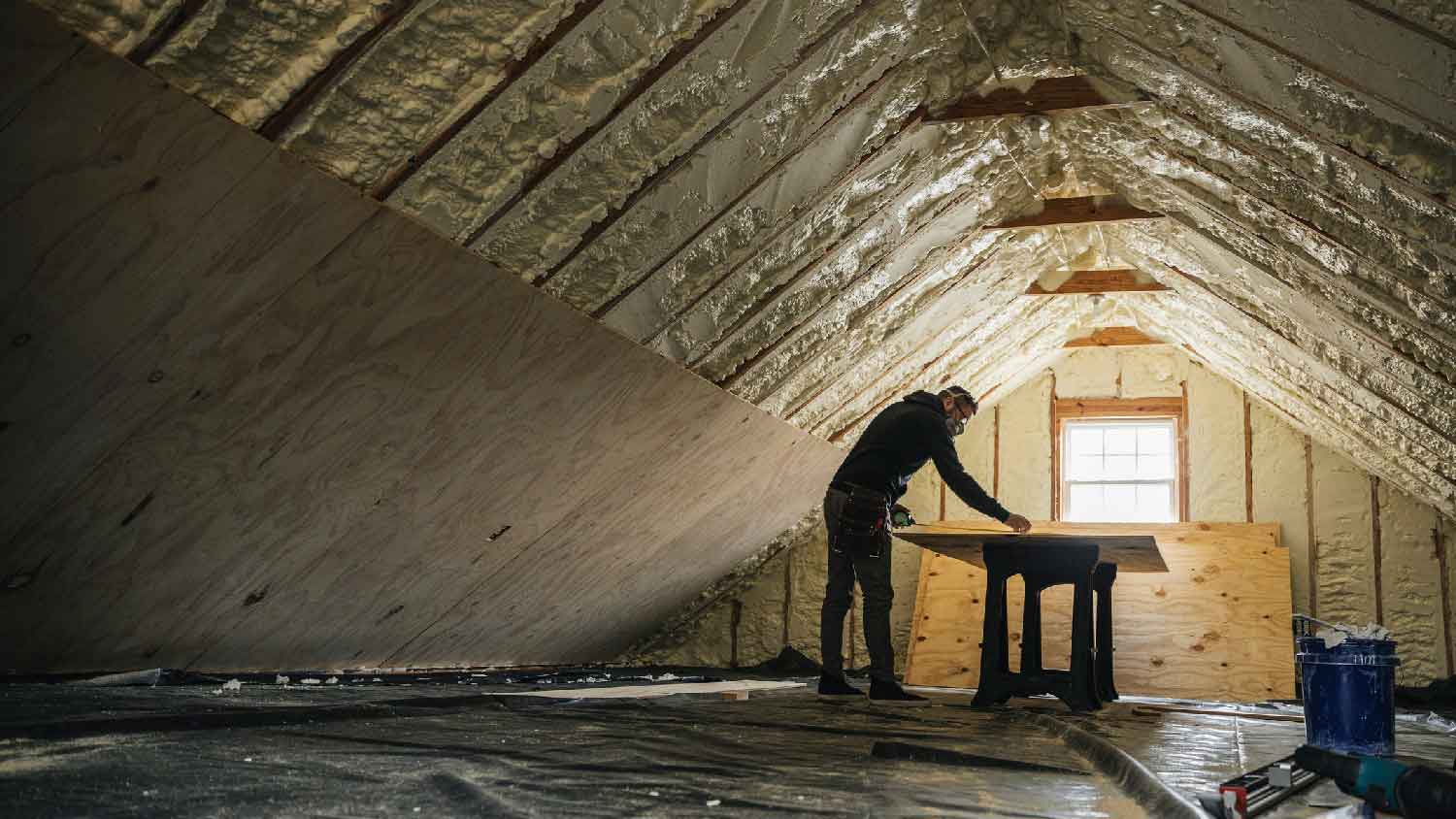
Attic insulation removal costs in Columbus, OH, vary based on multiple factors, including why you're removing it and how easy it is to complete the task.
Insulation service costs depend on your project and location. Check with a local pro for your specific job.

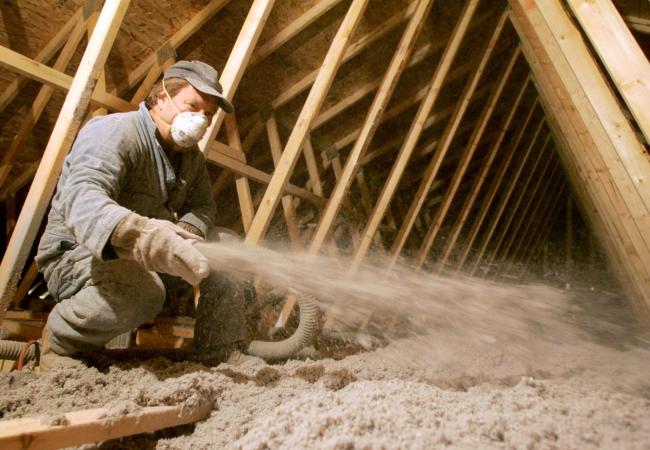
Blown-in insulation in Columbia costs $1.75 to $7 per square foot in Columbus.
Columbus homeowners should budget for insulation with R-values of 38 to 60 for walls and attics.
With insulation costs in Columbus below the national average, homeowners have extra budget room to remove existing insulation if necessary.
New insulation offers a great ROI amid the city's cold, snowy winters that can drive up energy bills and make homes uncomfortable when insulation is thinning or absent.
The average blown-in insulation cost in Columbus is $1,735. While that puts Columbus right in line with the national average, homeowners around the city will pay anywhere from $1,153 to $2,355 for new blown-in insulation. Ultimately, the cost for this project will come down to things like the type of blown-in insulation selected, the R-value that's best for the section of your home being insulated, and size of the area being insulated. Learn more about the cost factors that stand out when budgeting for this project.
The city's harsh winters make this a place where higher R-values are needed. Your contractor will explain local building codes and energy-efficient recommendations when helping you choose an R-value blown-in insulation for your home.
The biggest cost factor is the size of the area that requires insulation. A larger area requires more insulation and labor, increasing the overall price. This metric is calculated by multiplying your square footage by the cost per square foot of your chosen insulation materials, which are detailed below. However, a general range for blown-in insulation per square foot is $1.75 to $7 depending on the type.
| Area in Square Feet | Blown-in Insulation Cost Range |
|---|---|
| 500 | $875–$3,500 |
| 1,000 | $1,750–$7,000 |
| 1,500 | $2,625–$10,500 |
When measuring the efficacy of any insulation material, it all boils down to the R-value. Generally speaking, higher is better, though there are two metrics to consider. There’s the overall R-value and the per-inch R-value. For example, if you want a total R-value of 30, you’ll need ten inches of insulation at an R-value of 3.0 per inch. Materials with higher R-values cost more, like sheep’s wool, but you don’t need as much material to complete the installation.
Below is a breakdown of R-values and the corresponding prices:
| R-Value | Number of Bags per 1,000 sq. ft. | Description | Price Range |
|---|---|---|---|
| R-13–R-21 | 7–10 | Not ideal for Columbus | $225–$325 |
| R-30–R-49 | 15–20 | Appropriate for Columbus walls | $480–$1,500 |
| R-38–R-49 | 20–26 | Ideal for Columbus walls | $1,250–$1,600 |
| R-49–R-60 | 26–32 | Ideal for Columbus attics | $1,600–$2,000 |
The cost to install blown-in insulation depends on the type of insulation you choose for the project. Anticipate spending anywhere between $0.45 and $2.75 per square foot for materials, not including installation. Below is a breakdown of each blown-in material type and how much it costs.
| Type of Blown-In Insulation | R-Value per Inch | Average Cost per Square Foot |
|---|---|---|
| Fiberglass | 2.5 to 3.5 | $0.45 to $1 |
| Wet-spray cellulose | 3.2 to 3.7 | $0.55 to $1.60 |
| Dense-pack cellulose | 3.2 to 3.7 | $1.55 to $2 |
| Rockwool | 3.0 to 3.7 | $1 to $2.10 |
| Natural wool | 3.5 to 3.8 | $1.10 to $2.75 |
Like most contractors, Columbus blown-in insulation installers often price this project by the square foot. In addition to charging for materials, contractors also factor in labor costs that stem from actual labor hours, insurance and bonding costs, and costs of doing business as a licensed local contractor.
Expect local Columbus, Ohio, insulation contractors near you to charge between $2.20 and $3.75 per square foot for labor alone. Some contractors may add higher fees for complex installations. For example, having a narrow attic with areas that limit accessibility can cause a contractor to charge a premium to account for the extra time needed. Removal of old insulation typically costs between $0.50 and $1 per square foot.
Your blown-in insulation contractor will check with the City of Columbus Building and Zoning Services to obtain the necessary permits for new insulation in Columbus. You will likely need a permit for this project until you're repairing or updating a very small area of existing insulation. A permit for a project of this scope typically costs less than $100 in Columbus.
In Ohio, state law requires all contractors to carry general liability insurance. On average, premiums for coverage cost a contractor $33 to $99 per month. Larger companies with employees also often carry workers' compensation insurance costing between $100 and $220 per month for a small insulation company.
The Columbus sales tax rate of 8% will apply to all materials purchased for this project. Expect your contractor to build sales tax into the materials portion of your bill only.
To legally perform work in Columbus, contractors must be licensed and registered with the Columbus Department of Building and Zoning Services (BZS). A specific trade license may also be required for certain insulation projects that involve additional work, such as roofing or electrical work. License application fees begin at $300.
Cold, windy winters in Columbus make updating your insulation a wise choice for keeping the chill away. In addition to making your home more comfortable, this cost-effective home improvement can also significantly reduce your energy bills. The ROI for this project is strongest in older homes that can become drafty in the winter.
Home is the most important place on earth, which is why Angi has helped more than 150 million homeowners transform their houses into homes they adore. To help homeowners with their next project, Angi provides readers with the most accurate cost data and upholds strict editorial standards. We survey real Angi customers about their project costs to develop the pricing data you see, so you can make the best decisions for you and your home. We pair this data with research from reputable sources, including the U.S. Bureau of Labor Statistics, academic journals, market studies, and interviews with industry experts—all to ensure our prices reflect real-world projects.
Want to help us improve our cost data? Send us a recent project quote to [email protected]. Quotes and personal information will not be shared publicly.
I put siding because there wasn't an option for attic insulation, which was the service done. All I had to do was clear the access to the attic and they were in and out in about two hours. Cleared the old insulation and a significant mess that had been left by raccoons before we got that part...
 Home Genius Exteriors
The three Techs did a great job of removing all the old bat insulation. Cleaned the attic, then sprayed the Intier attic space with mold neutralizer, before installing the new insulation. Arrived at 8:45, completed the installation cleaned the Intier area, and left by 2:30. Great group of...
 Insulation Co., LLC - Removal & Clean Outs
They were so pleasant and efficient; it also turned out that due to the structure of our home they couldn’t insulate as much as we wanted, but they cut the cost accordingly so that we didn’t have to pay the original quote amount.
 RetroFoam of Central Ohio
Contractor reviewed my situation. Contractor said that my insulation, etc., was already in great shape.
 Koala Insulation of Central Ohio
My husband and I hired Home Insulation Experts, Inc to work on the recently flipped home we just purchased. The crew removed all the old insulation, disinfected the entire attic and installed new blown insulation.
 Home Insulation Experts, Inc.
Waibel installed three electrical outlets in each of my three bedrooms and two additional outlets in the dining room. The workmanship was good and the price was very reasonable. As a bonus, they also let me know where I had old-fashioned knob-and-tube wiring in the exterior walls so I could...
 Waibel Electric
This review is being done at the request of my mother who had a heating and cooling system installed in June/July 2021. The techs from Favret were very professional, tidy, and kept her updated on every step of the installation process. Upon completion, the techs made sure that everything was...
I heartily recommend this company for doing an excellent and thorough job to insulate the attic of my home. The men were hard workers, good communicators, explained what they were doing , took pictures to show before and after accomplishment, pleasant to talk to â ¦ I am looking forward...
 SC Insulation
The project went smoothly. They arrived on time and worked all day. Completed the project the following day. Crawl space walls are now insulated, and 20 mil barrier installed throughout.
 Ohio Basement Authority
It seems like it went fine. I am unable to climb up into the attic at my age to check so I have to take his word that it was done correctly. He told my wife he would email me about a recommendation for something I need done to lesson the moisture and heat in the attic. I never received it. ...
 Arick & Sons Insulation & Roofing
From average costs to expert advice, get all the answers you need to get your job done.
Attic insulation removal costs in Columbus, OH, vary based on multiple factors, including why you're removing it and how easy it is to complete the task.

New insulation makes your home more comfortable and boosts energy efficiency. Use this guide to budget for insulation installation costs in Columbus, OH.
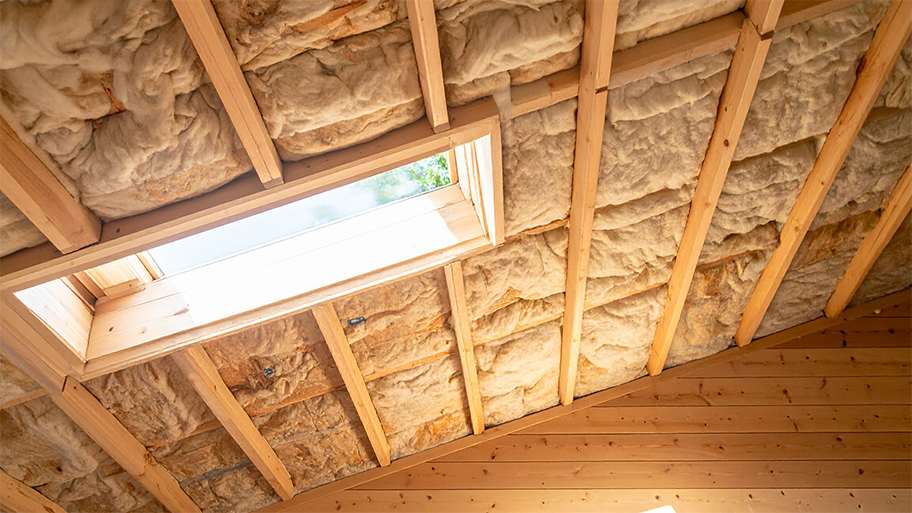
Insulating your attic can massively improve your home’s efficiency and reduce electric bills. Use this guide to find out what attic insulation will cost you in Columbus, OH.
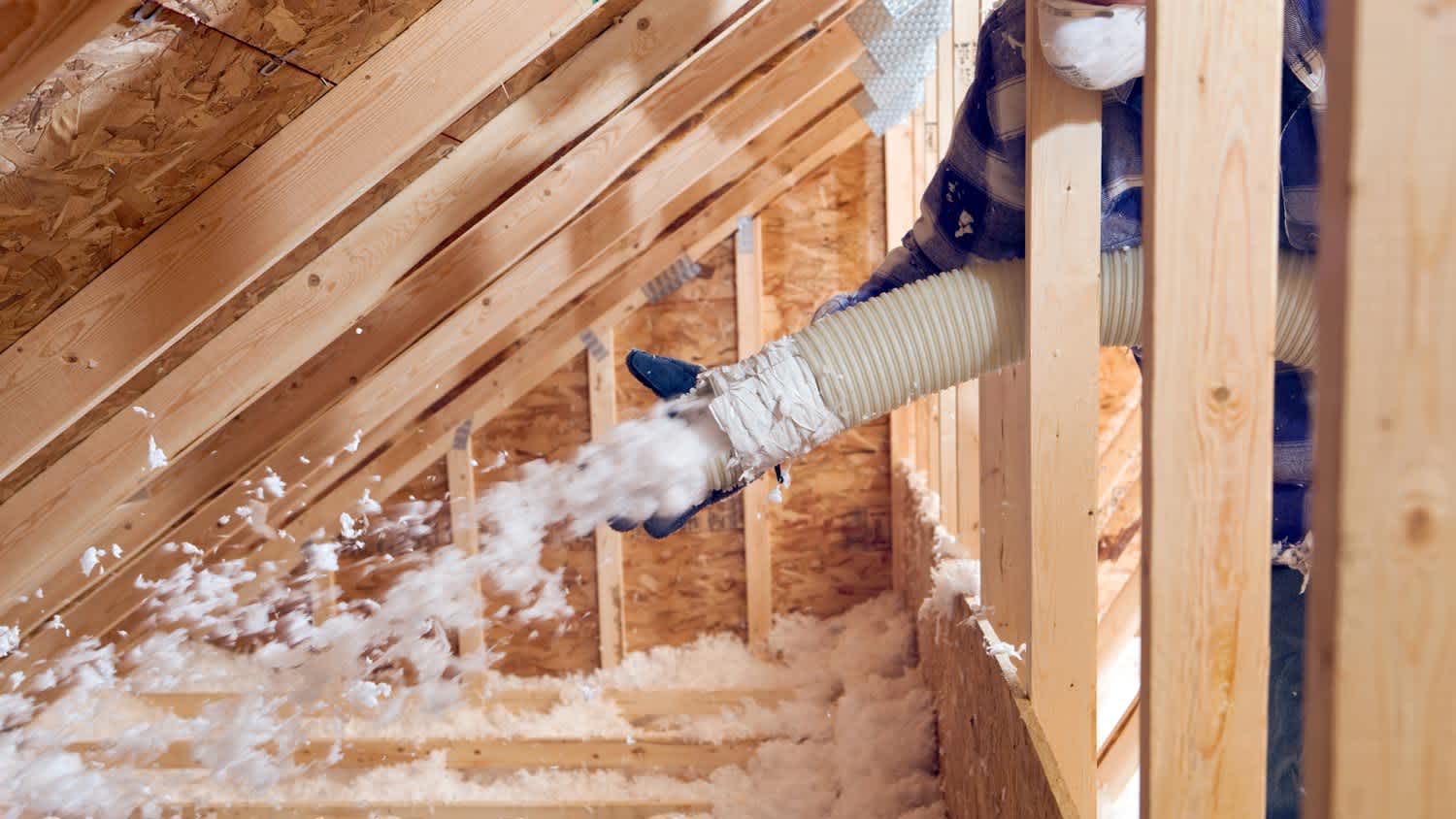
Are your energy bills spiking or rooms feeling drafty? Learn about blown-in insulation installation costs, urgency signs, and how to hire a local pro.

Remove blown-in insulation from your attic safely and efficiently by following this step-by-step guide and prep for your attic remodeling project.
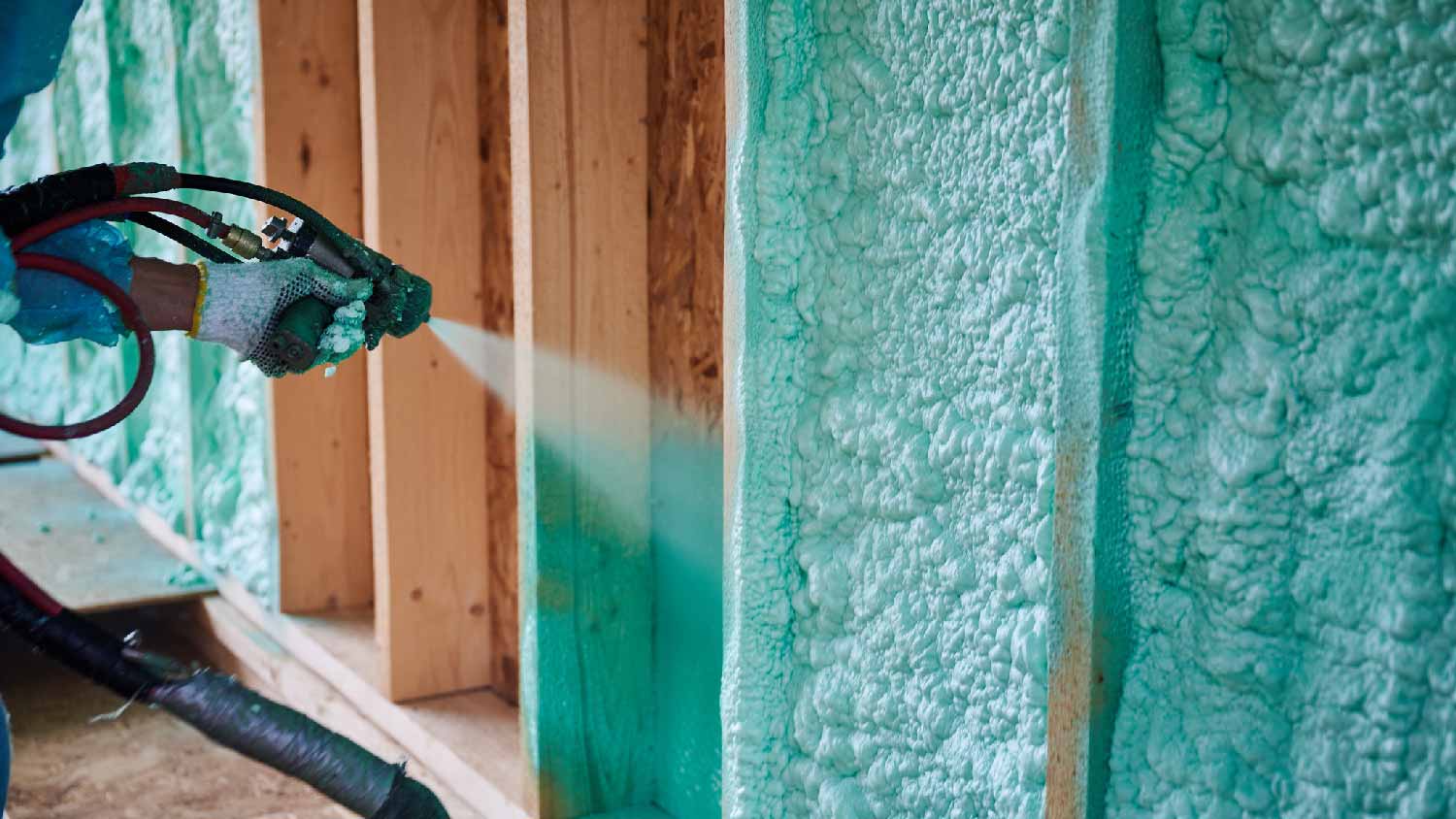
Are you stuck trying to decide between blown-in insulation and spray foam insulation? Factors like your budget and local climate will help you pick the right one.