
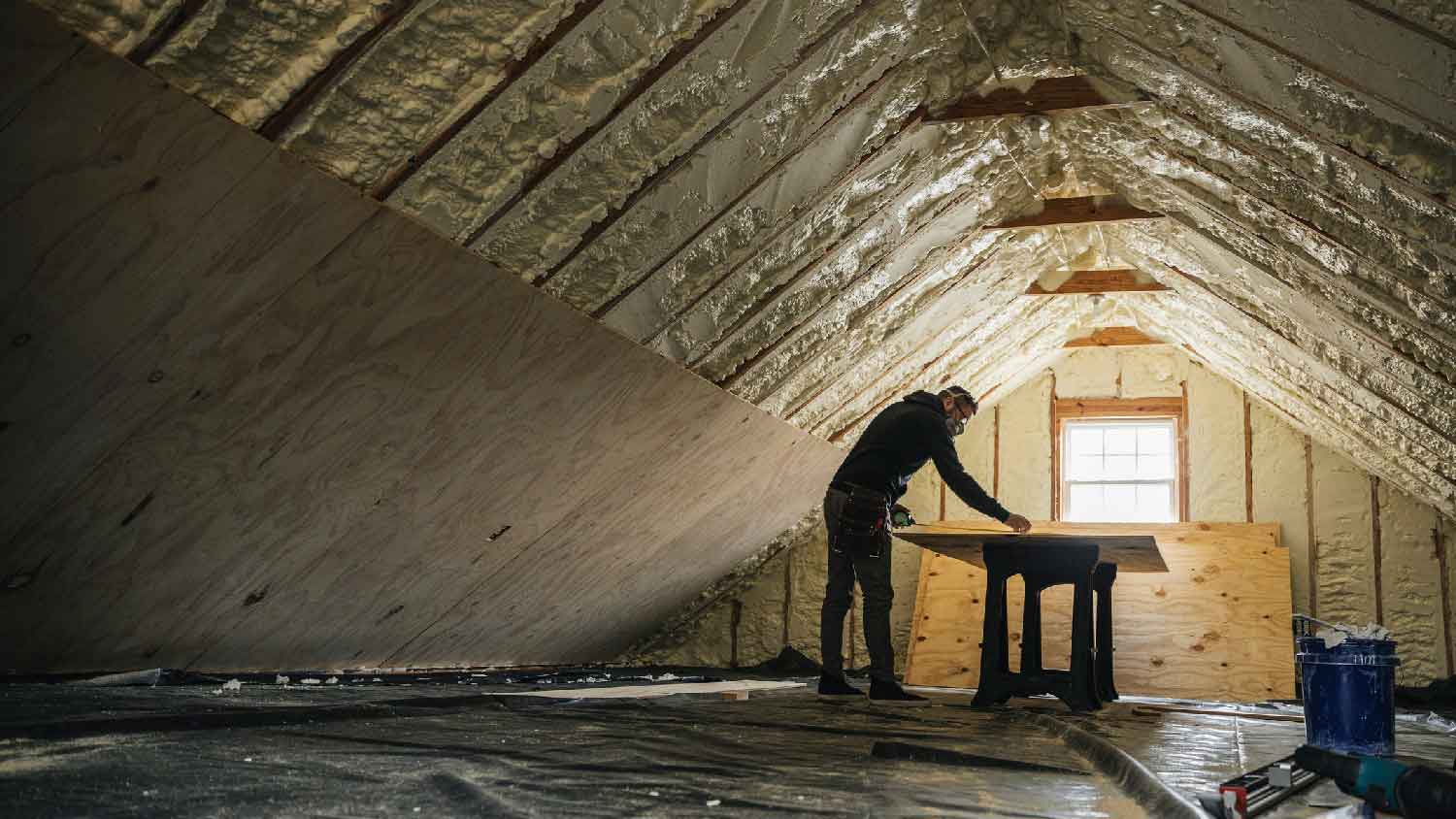
Attic insulation removal costs in Orlando, FL, vary based on multiple factors, including why you're removing it and how easy it is to complete the task.
Insulation service costs depend on your project and location. Check with a local pro for your specific job.

Blown-in insulation in Orlando costs $1.13 to $4.85 per square foot.
The price is roughly 35% below the national average.
Lower costs are owed to lower R-value requirements and labor rates.
You will need a licensed and bonded insulation contractor to obtain the necessary permits for this project.
Average monthly energy bills totaling $338 in Orlando make the ROI on energy-efficient insulation high.
With Orlando, FL, homeowners paying around 35% below the national average to get blown-in insulation added, the average blown-in insulation cost in Orlando is $1,094. Depending on the project's scope, the final cost can range anywhere between $678 and $1,564. Ultimately, the cost of this project can vary depending on factors such as the R-value selected, the size of your home, and the specific insulation material you choose. Learn more about how to budget for this rewarding home project.
The cost of blown-in insulation in Orlando, Florida, is lower because homeowners require lower R-values compared to those in colder cities. Additionally, local labor costs are lower. With that said, you still have a variety of options that can influence what your final project bill looks like.
The biggest cost factor is the size of the area that requires insulation. A larger area requires more insulation and labor, increasing the overall price. This metric is calculated by multiplying your square footage by the cost per square foot of your chosen insulation materials, which are detailed below. However, a general range for blown-in insulation per square foot is $1.13 to $4.85, depending on the type.
| Area in Square Feet | Blown-in Insulation Cost Range |
|---|---|
| 500 | $565–$2,425 |
| 1,000 | $1,130–$4,850 |
| 1,500 | $1,695–$7,275 |
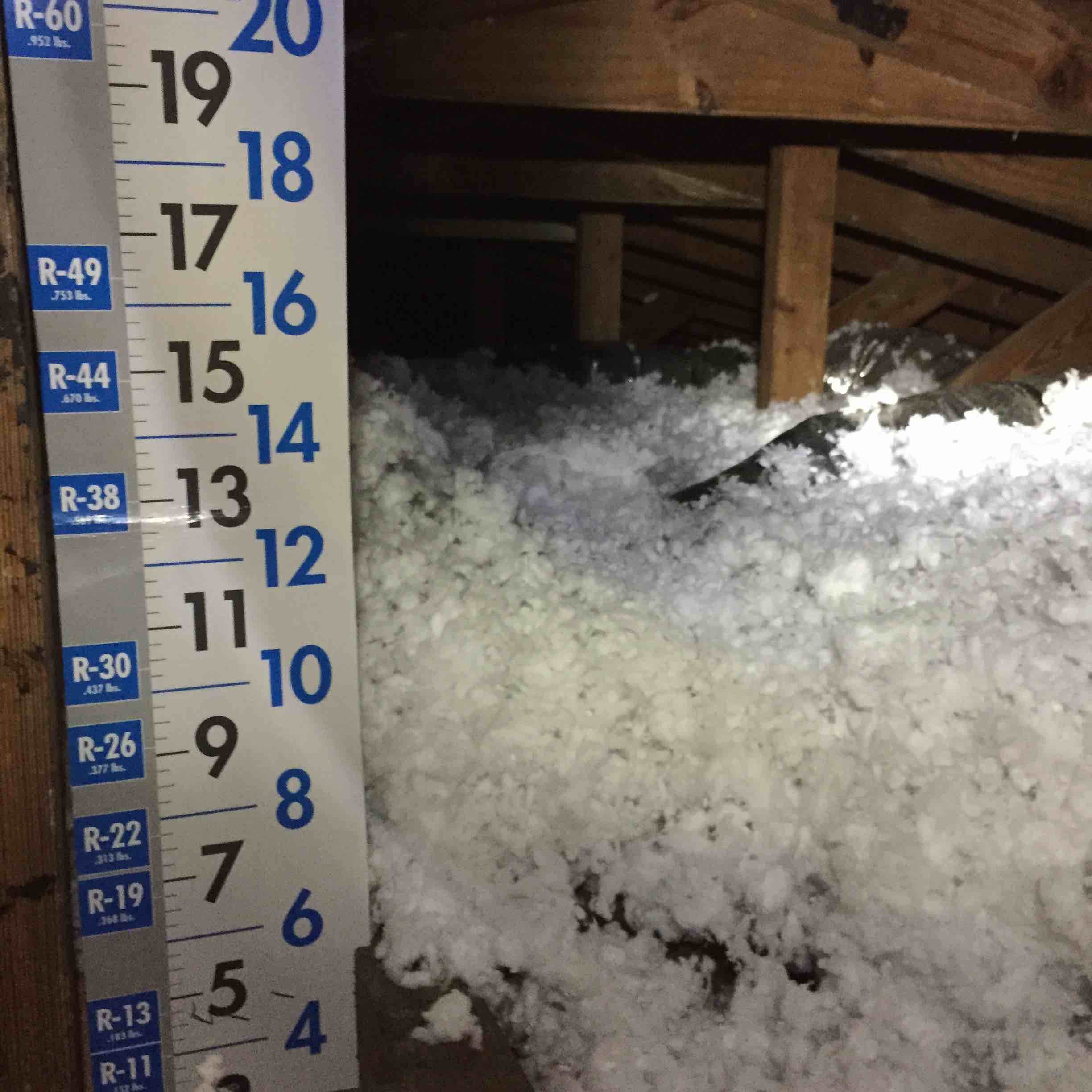
When measuring the efficacy of any insulation material, it all boils down to the R-value. Generally speaking, higher is better, though there are two metrics to consider. There’s the overall R-value and the per-inch R-value. For example, if you want a total R-value of 30, you’ll need ten inches of insulation at an R-value of 3.0 per inch. Materials with higher R-values cost more, like sheep’s wool, but you don’t need as much material to complete the installation.
Below is a breakdown of R-values and the corresponding prices:
| R-Value | Number of Bags per 1,000 sq. ft. | Description | Price Range |
|---|---|---|---|
| R-13–R-21 | 7–10 | Recommended for Orlando walls and floors | $150–$214 |
| R-30–R-49 | 15–20 | Insufficient for Orlando attics | $325–$1,040 |
| R-38–R-49 | 20–26 | Recommended range for Orlando attics | $845–$1,040 |
| R-49–R-60 | 26–32 | Not necessary in Orlando | $1,040–$1,300 |
The cost to install blown-in insulation depends on the type of insulation you choose for the project. Anticipate spending anywhere between $0.40 and $2.70 per square foot for materials, not including installation. Below is a breakdown of each blown-in material type and how much it costs.
| Type of Blown-In Insulation | R-Value per Inch | Average Cost per Square Foot |
|---|---|---|
| Fiberglass | 2.5 to 3.5 | $0.40 to $0.90 |
| Wet-spray cellulose | 3.2 to 3.7 | $0.45 to $1.60 |
| Dense-pack cellulose | 3.2 to 3.7 | $1.70 to $2.05 |
| Rockwool | 3.0 to 3.7 | $1.25 to $2 |
| Natural wool | 3.5 to 3.8 | $1.25 to $2.70 |
Your Orlando insulation contractor will likely charge by the square foot. It's customary for insulation installers to create a set rate per square foot, based on the amount of materials and labor required to complete the job. Factors such as operational costs—which are generally lower in Orlando—are also considered when determining the cost per square foot.
Expect Orlando insulation installers to charge between $2 and $3.50 per square foot for labor. You may be charged a premium if your installer needs to remove walls or attic materials to apply blown-in insulation.
Any blown-in insulation added to your home in Orlando must comply with Florida Building Code (FBC) standards for safety and energy efficiency. In Orlando, even small projects generally require a permit. Projects like new insulation can start with a base permit fee of $20 to $60, based on scope.
All contractors in Orlando must provide proof of a State of Florida contractor’s license, surety bond, and workers' compensation in order to obtain permits. A general liability policy with minimum coverage of $1,000,000 per occurrence is also standard. In all, the average Orlando insulation contractor is paying anywhere from $24 to $109 per month in premiums.
Your insulation contractor won't apply sales tax to your labor charges. However, you need to budget for an additional 6.5% on top of base material costs to account for sales tax. This rate covers the 6% Florida sales tax and 0.5% Orange County sales tax.
Only licensed contractors are able to do work that requires permits in Orlando. To legally accept projects, a contractor typically pays between $900 and $1,900 to cover costs associated with application fees, exam fees, fingerprinting, and surety bonds.
Installing new blown-in insulation in your Orlando home can increase its value. With air conditioners running almost all year in Orlando, upgrading to new energy-efficient insulation can be a great way to reduce energy loss and lower energy bills. Consider hiring an insulation inspector if you're concerned that your home's low energy efficiency may impact its ability to sell. With Orlando residents currently paying an average of $338 per month for electricity ($4,056 annually), having proof of a lower electric bill when selling a home can enhance a home's appeal and potentially increase its resale value.
Home is the most important place on earth, which is why Angi has helped more than 150 million homeowners transform their houses into homes they adore. To help homeowners with their next project, Angi provides readers with the most accurate cost data and upholds strict editorial standards. We survey real Angi customers about their project costs to develop the pricing data you see, so you can make the best decisions for you and your home. We pair this data with research from reputable sources, including the U.S. Bureau of Labor Statistics, academic journals, market studies, and interviews with industry experts—all to ensure our prices reflect real-world projects.
Want to help us improve our cost data? Send us a recent project quote to [email protected]. Quotes and personal information will not be shared publicly.
We hired Broward Insulation to replace and improve the insulation in our attic. They explained the work clearly, showed up on time, and were professional throughout the job. The crew worked efficiently and cleaned up everything before leaving. Since the insulation was installed, the house has...
 Broward Insulation
Projected started November 13, 2025. Aaron came with two Gentleman. To get the job started. Which was to remove the old ceiling and replace with new drywall along with texturing the ceiling to the texture of my liking. On the second day something seemed off as I walked in the one Gentleman...
 A-Z Property Group FL
Arthur at Attic Pros was incredibly helpful throughout the entire process. Our insulation was in desperate need of an upgrade and he helped give us the information we needed to make an informed decision about our home. On top of that, they addressed our concerns about removing the old...
 Attic Pros
Cesar and his team did an incredible insulating and installing drywall. He was responsive, on time, and addressed every concern I had throughout the project. Very pleased with result.
 VP Innovations
This is a family run business. Big enough to do what needs to be done. Small enough to care and give personal service. They were easy and great to work with. They preformed as promised. Showed up on time for appointments and scheduling. Bid was reasonable. Work was high quality. Maintained...
 Ovi Home Service, LLC
A1 American Roofing replaced our old, worn-out roof with an excellent job. Their crew was very professional and effective from the first consultation to the last inspection. They gave a thorough estimate and took the time to go over the full procedure. Every day, the staff worked hard, showed...
 A1 American Roofing
Amazing job, always get compliments on how well my insulation was done
 Insulate It Solutions
I have been trying to get some answers on how to improve my home's efficiency and especially find the best solution for my attic insulation as my power bill is quite high! Derek and his team were absolutely amazing! Derek figured out what I needed and made everything happen quickly and for an...
 Capstone Insulation LLC
High quality work, would use them again for drywall and insulation work. Prices were reasonable as well and they showed up when they said they would
 TNT Drywall, Inc.
Lifetime Shutters was excellent! I would quickly recommend them to anyone needing window covering. Michelle (the owner) is and was Hands On with everything; initial measuring, installs, etc....unlike some other companies who sub most everything out. She was very accessible whenever I needed...
 Lifetime Shutters, Inc.
From average costs to expert advice, get all the answers you need to get your job done.
Attic insulation removal costs in Orlando, FL, vary based on multiple factors, including why you're removing it and how easy it is to complete the task.
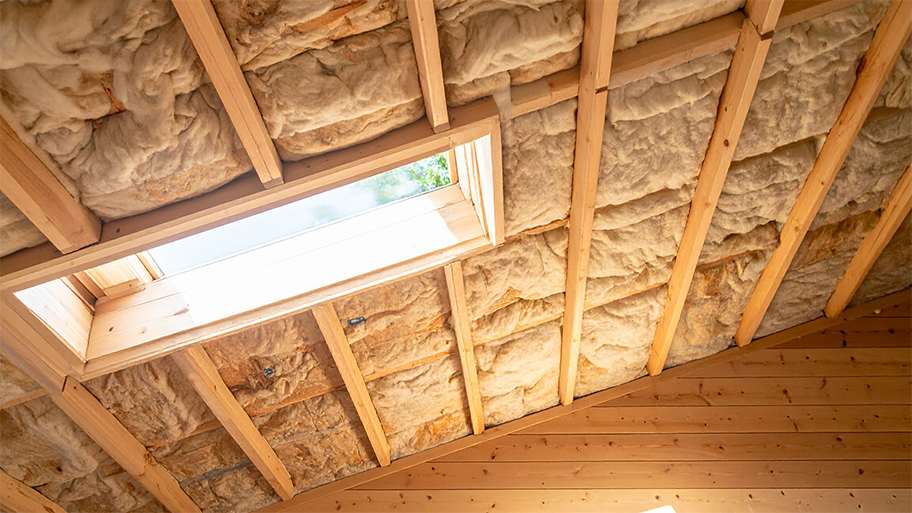
Insulating your attic can massively improve your home’s efficiency and reduce electric bills. Use this guide to find out what attic insulation will cost you in Orlando, FL.
New insulation makes your home more comfortable and boosts energy efficiency. Use this guide to budget for insulation installation costs in Orlando, FL.

Remove blown-in insulation from your attic safely and efficiently by following this step-by-step guide and prep for your attic remodeling project.
Are your energy bills spiking or rooms feeling drafty? Learn about blown-in insulation installation costs, urgency signs, and how to hire a local pro.
If you’re wondering what blown-in insulation is, keep reading to discover everything you need to know about this type of insulation for your home.