

•
Discover the cost to install a ceiling fan, including labor, materials, and tips to save. Learn what impacts your price and how to budget for your project.
They may seem similar, but the differences will blow you away

Both the air conditioner blower fan and condenser fan move air, but your blower pushes heated or cooled air through ductwork while the condenser fan cools exterior coils.
Expect to pay $300 to $900 for blower motor replacement and $100 to $700 for condenser fan replacement, so addressing issues early helps avoid higher costs.
Your choice depends on the problem: heating and cooling distribution issues point to blower motor concerns, while AC-only problems signal condenser fan or unit issues.
Hiring a local air conditioner installing professional provides reliable support for diagnosing blower motor or condenser fan problems and completing replacements that keep your system running smoothly.
Your AC is busted, but as you try to pinpoint the problem, you can’t tell if the issue is with the blower or the fan. As it turns out, these two parts aren’t the same thing, and there are actually quite a few differences between a blower versus a fan. Whether your HVAC is in need of a replacement part or you’re just looking for the most effective way to cool a space, here are the key differences you should know between fans versus blowers.
The blower is a mechanical motor that pushes air from the indoor HVAC unit over an evaporator (for cool air) or furnace (for warm air). The blower then pushes that air through the ductwork and into your living space. The fan, or condenser fan, is located in the exterior AC unit and directs air over the condenser coils to cool them down.
| Difference | Blower | Fan |
|---|---|---|
| Appearance | Covered casing | Exposed blades |
| Function | Moving hot/cool air | Cooling condenser |
| Pressure ratio | 1.1–1.2 | Less than 1.1 |
| Power demand | Varies | Varies |
| Lifespan | 10–20 years | 10–15 years |
| Cost | $300–$900 | $100–$700 |
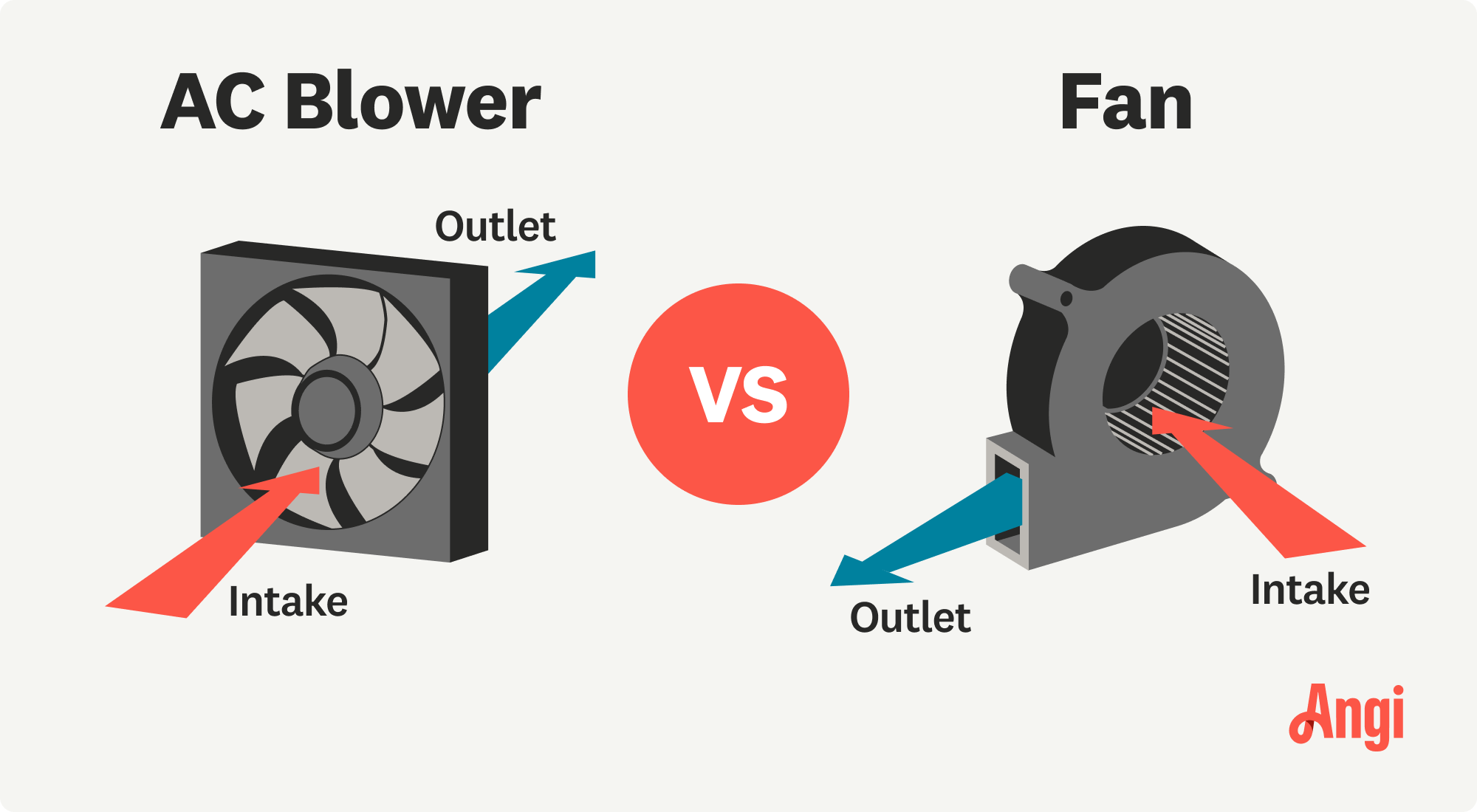
Although both blowers and condenser fans are referred to as “fans,” they don’t exactly look identical. However, blowers and fans are both made of metal and are gray or black in color.
A blower is located on the interior HVAC unit and has a round metal casing or cage in the center that looks similar to a hamster wheel. The rotating impellers are inside the casing. The condenser fan only works with AC, not heating, and you can find it inside the exterior AC unit. It’s often square and looks like a box fan you might have in your bedroom, with the blades visible.
The major difference between a blower versus a fan in an HVAC system is the purpose of each part. A blower moves air in the system over an evaporator coil (to cool the air) or over a furnace’s heating element (to heat the air). Then, the blower pushes this cooled or heated air through your home’s ductwork.
The condenser fan is specifically for air conditioning. This part cools down the condenser coil before hot, pressurized refrigerant enters. The fan is essential for preventing the condenser from overheating.
Blowers and fans use different amounts of pressure to move air. A fan requires less pressure change to move large amounts of air, with a pressure ratio lower than 1.11. A blower uses slightly more, with a pressure ratio of 1.11 to 1.2 to move air.
For comparison, the compressor, which pressurizes refrigerant and pumps it to the condenser coil, has a higher pressure ratio of over 1.2.
Blowers and condenser fans are two of the top energy-consuming parts of an HVAC system, right behind compressors and evaporators. Both blower fans and condenser fans can use 500 watts per hour each, although the total depends on the HVAC model.
For instance, a highly efficient model may have a blower motor that uses only 75 watts per hour. Condenser fan power usage also depends on where the outside AC unit is located. If it’s in a shady spot, the fan won’t have to work as hard compared to a unit placed in the sun.

If you have furnace problems, a heat pump fan that’s not spinning, or AC that isn’t actually cooling down the house, there could be problems with the blower or fan. While calling in a pro for inspections and repairs will help fix the issue at hand, keeping up with maintenance is the best way to avoid HVAC problems.
Here’s a checklist to follow to keep your blower motor running smoothly:
Inspect vents and remove obstacles as needed.
Replace HVAC filters every 90 days.
Inspect blades for cracks and other visible problems once per quarter.
Clean fan blades once per quarter.
Schedule annual inspections and tune-ups.
Follow this schedule for keeping your condenser fan in working condition:
Keep vents open and unobstructed when the AC is running.
Change AC filters at least every 90 days.
Clean condenser coils at least once per year.
Lubricate the fan components annually.
Hire a pro for annual inspections and tune-ups.
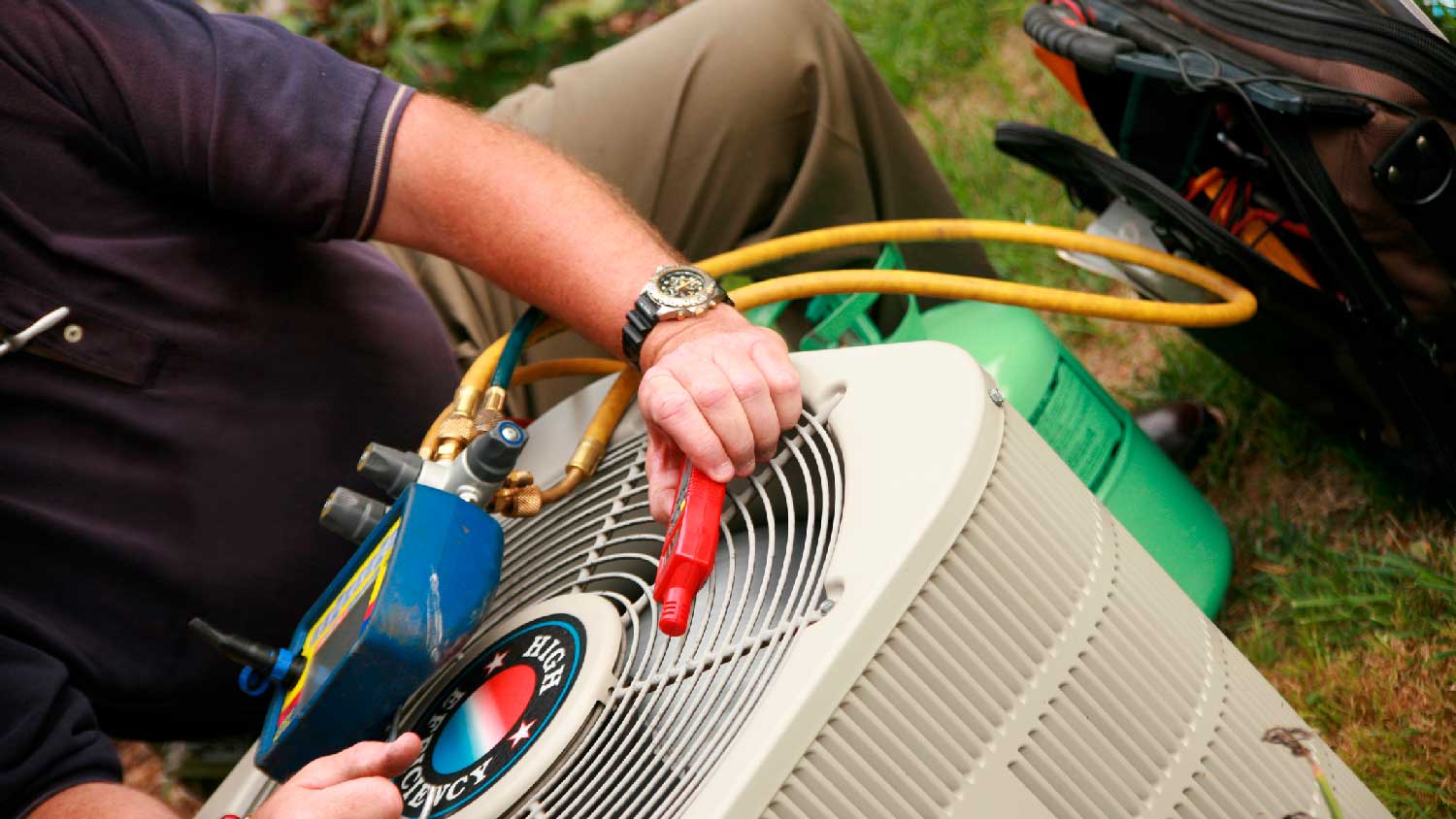
Both the blower and the fan should last for the entire lifespan of your HVAC system, although these parts may wear out early if you don’t keep up with regular maintenance. Fans tend to wear out within 10 to 15 years, while a blower should last 15 to 20 years. If the fan wears out around the 10-year mark, it’s better to only replace the fan.
However, if the fan or blower are faulty at 15 years or later, it may be time to consider whether to replace the blower motor and fan or invest in a new HVAC system altogether. Whether you’re due for a part replacement or a whole new system, hire a pro AC installer near you to get your home back to a comfortable temperature as quickly as possible.
If your AC isn’t cooling your home like it should, it’s time to schedule a part replacement. An AC unit fan motor costs $100 to $700, and replacing a blower motor costs $300 to $900.
While AC problems can be an unpleasant surprise, don’t put off replacing these parts. Otherwise, you’ll pay more for bigger repairs. For instance, if you wait to repair a faulty condenser fan, you risk overheating the AC. Then, you’ll have to pay $900 to $2,800 for the cost of replacing the AC condenser.
Great company! Price was competitive, technician showed up on time and completed the job (exterior electric Radon fan replacement) quickly. Would hire them again.
 MaGen Property Inspections and Radon Mitigation
As usual with ECO, tech Jordan was outstanding, very professional, very knowledgeable, and very thorough with repairs made to tankless water heaters. Very highly recommend ECO!!!
 Eco Plumbers, Electricians, and HVAC Technicians
Raven and crew does absolutely fantastic job. They are very professional if any concerns were to occur with any of her work she always took responsibility and finished out with a great job. I have worked with her business for a year and have always been satisfied. Very trusted business and...
 Creations of Transformation LLC
I would recommend this company to anyone! He showed up on time, was friendly, completed a very difficult repair on our dryer vent cover, was responsive, and pricing was extremely fair and competitive. I would have him back to do any of our repairs or cleanings without hesitation!
 U.S.A. Dryer Vent, LLC
Ace Fireplace Services' chimney sweep service is truly exceptional. They used advanced technology to ensure a thorough cleaning process, and my chimney has never looked better. I highly recommend their services.
 Ace Fireplace Services
The technician was very professional and friendly. He answered all my questions and was very thorough. He left the fireplace area very clean . He inspected from the roof and advised me as to other work that might need to be done. There was no pressure there. I was very satisfied with the...
 Supreme brick & chimney
Excellent experience with hiring Tether House to Mount our 77’ Samsung TV in our bedroom. Fast, friendly, and knowledgeable. Highly recommend.
 Tether House
On time, clean and finished fast. Windows seem sturdy and the finish is good. Caulking was done with no smudges. Would recommend.
 Window Depot USA of Central Ohio
Great job...edging and pre clean up went well with a great job with seal coat. Friendly, efficient and professional.
 All Star Paving and Sealing
Good workers and they do a good job.
 Mira Construction
From average costs to expert advice, get all the answers you need to get your job done.
Discover the cost to install a ceiling fan, including labor, materials, and tips to save. Learn what impacts your price and how to budget for your project.
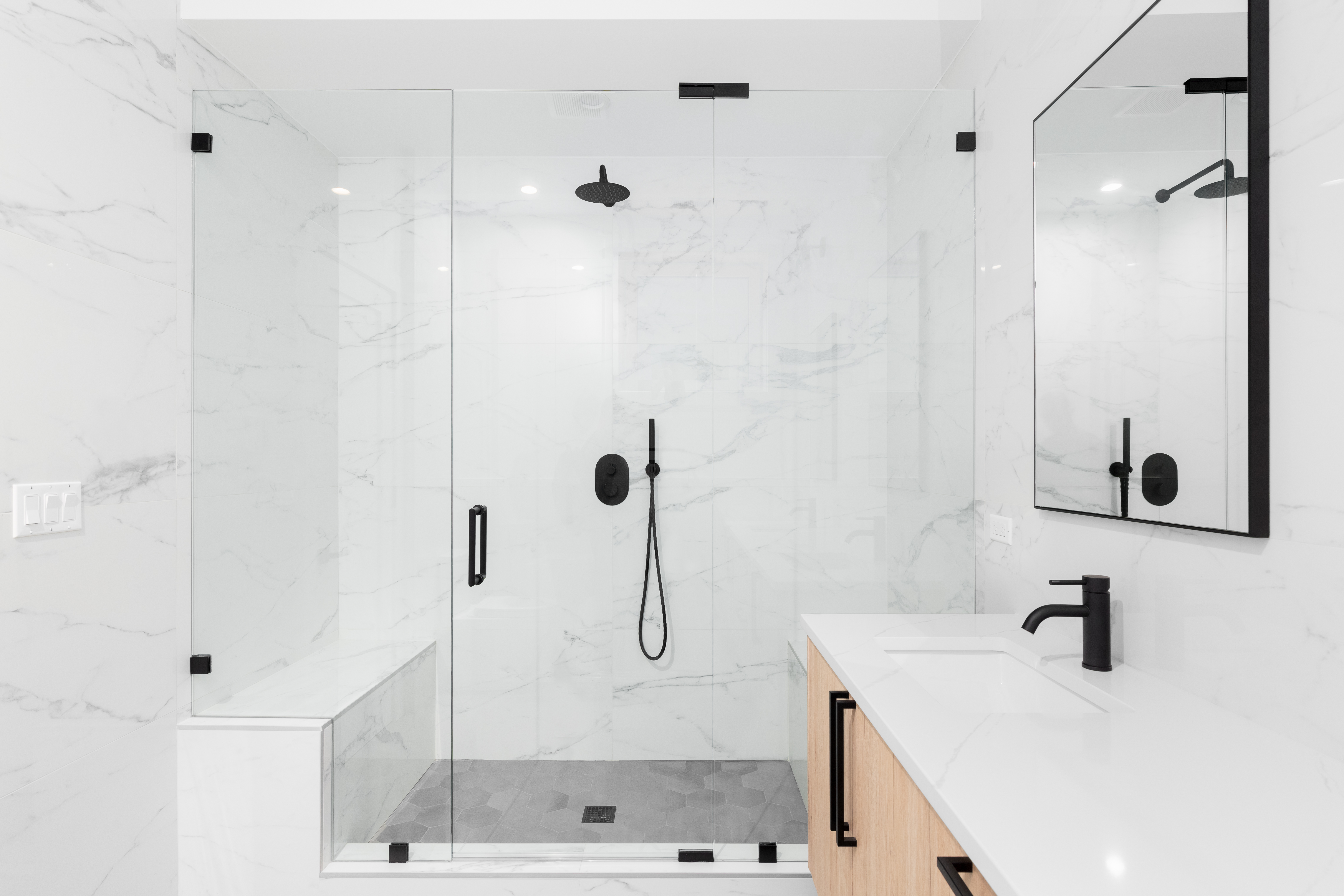
The cost to install a bathroom fan will vary based on multiple factors, including the bathroom size, how many fans you need, the type of fan, and more.
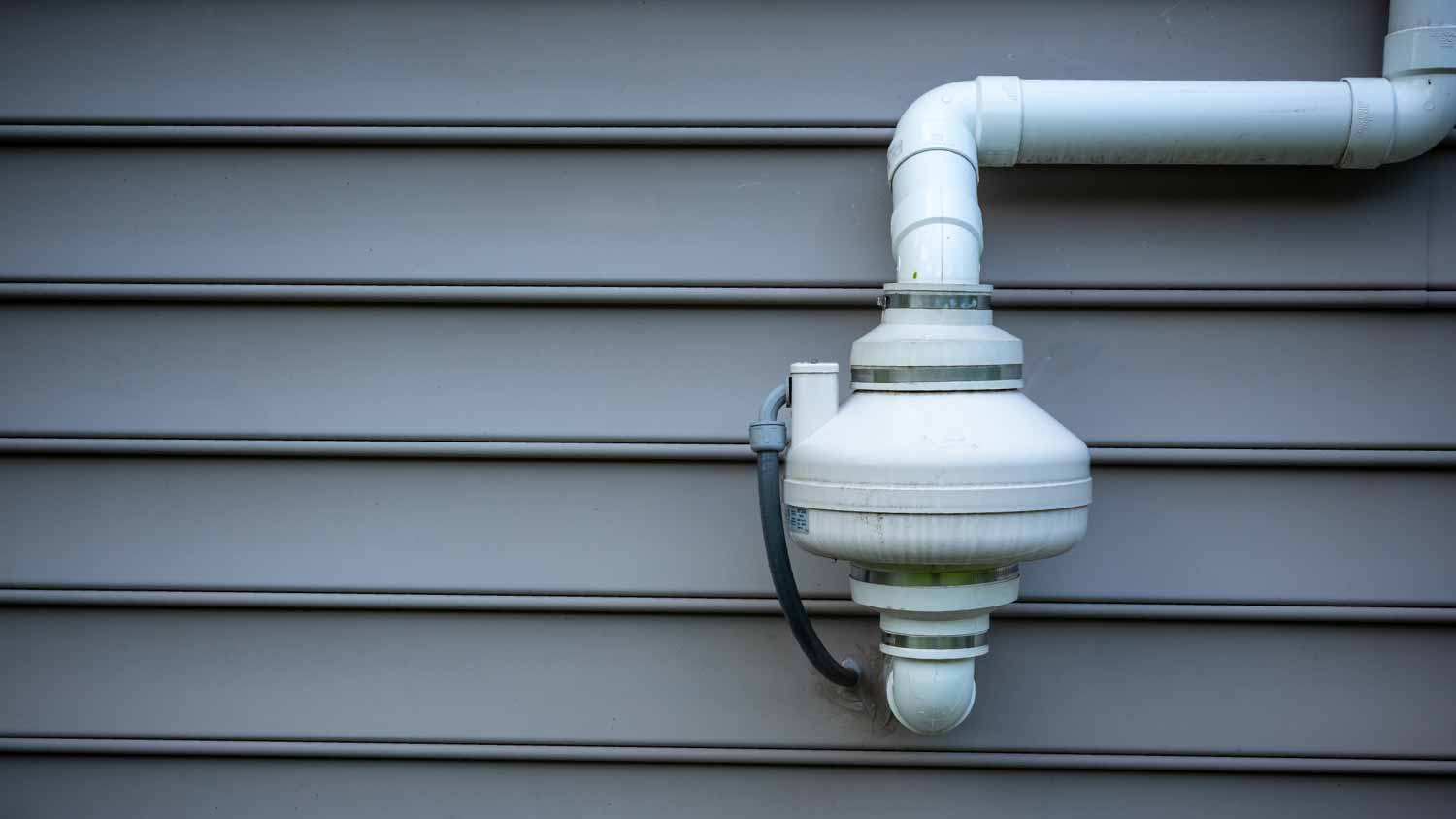
Find out the average cost of radon fan replacement, key price factors, and ways to save. Get expert tips to budget for your radon mitigation system.

Homeowners are always looking for ways to save money. Is running your furnace fan continuously in summer one of those methods, or does it hurt your pockets? Find out!
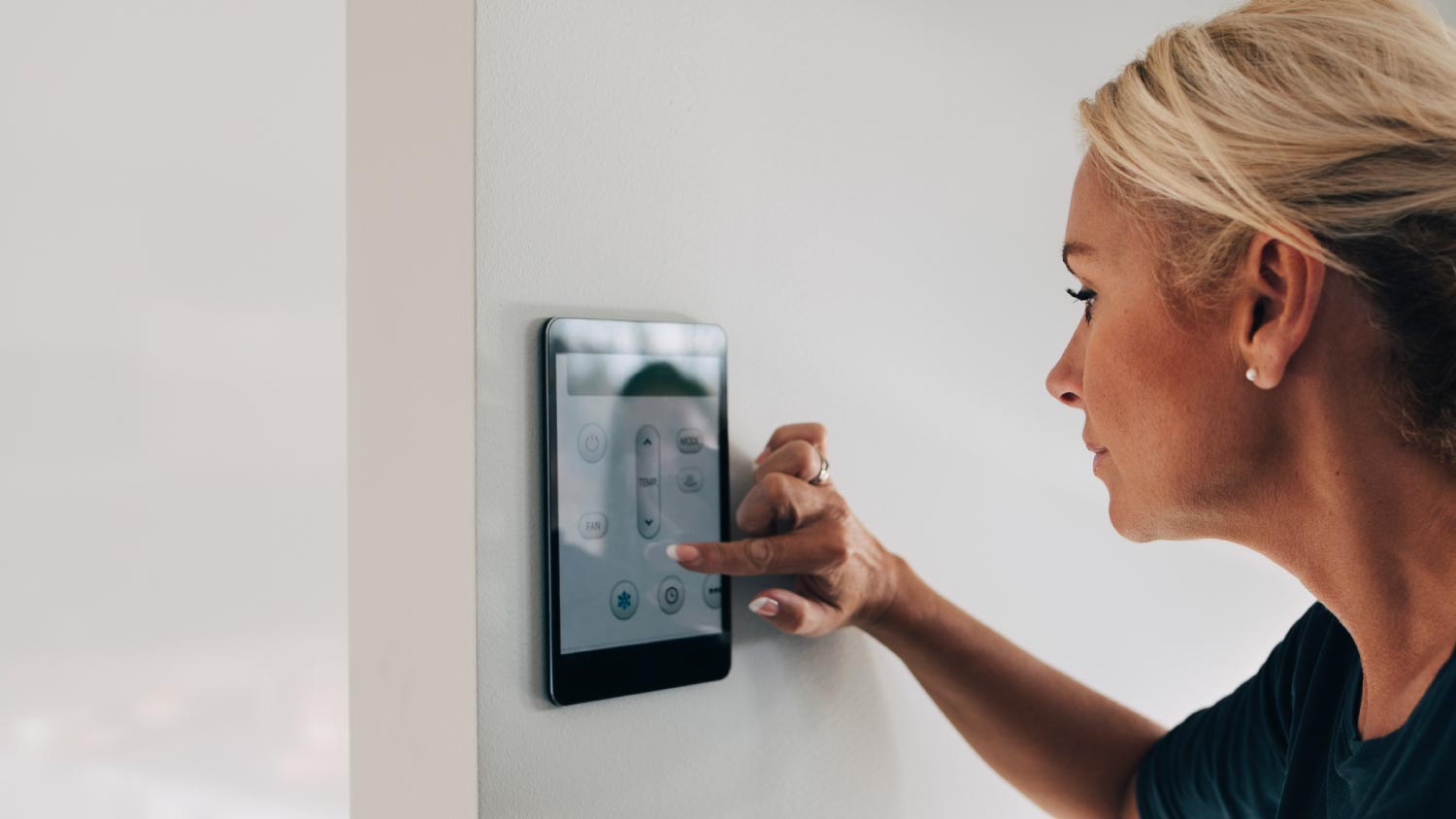
Not sure what the “on” and “auto” settings on your thermostat mean? Learn what each does and its pros and cons so you can decide on the right setting to match your comfort levels and budget.

What’s the difference between a three-stage vs two-stage snow blower and which is better? Learn which option is best for your snow removal needs.