
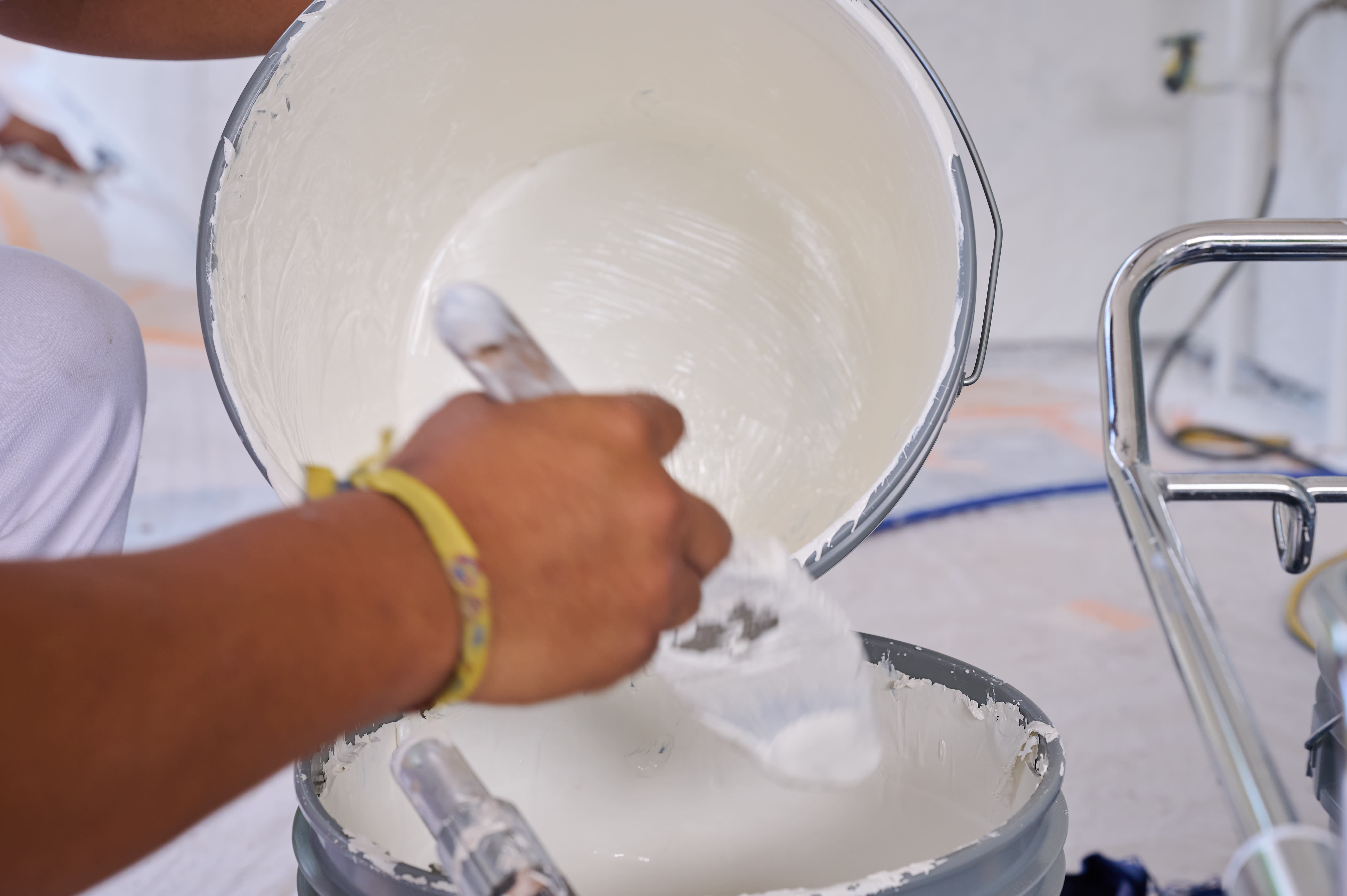
How much is a gallon of paint? Whether latex or oil-based, spray paint, primer, shellac, or lacquer, we’ll tell you what price to expect.
Start your painting project off right with the best primer for the job

The best paint primer for walls depends on your surface type, with latex primer working well for drywall and oil-based primer handling tough stains and wood.
Interior painting costs range from $2 to $6 per square foot for professional work, so choosing the right primer helps you avoid extra coats and higher expenses.
Your project location matters when selecting primer, as oil-based options stand up to outdoor conditions while latex primer dries faster for indoor use.
Hiring a local interior painting professional takes the guesswork out of primer selection and application, ensuring your walls get the right prep for lasting results.
You want your DIY wall painting project to turn out the best it possibly can, which means starting with the right primer. There’s a wide range of primers available on the market, and it’s important to choose the right one for the best results. This guide explores the different types of primer and how to choose the best paint primer for your project.
Priming your walls is an important step for getting the best results when painting. Primer provides a smooth surface for all types of paint to adhere to, giving you an even paint finish that hides wall imperfections. Primer can also cover up darker colors, so you’ll use fewer coats of paint if you’re changing to a lighter shade.

Latex primer, also referred to as water-based primer is the most popular kind of primer on the market. It’s great for using over drywall and dries quickly, leaving a smooth finish for paint to adhere to. It will cover minor stains and discoloration, but be sure to apply it evenly—uneven latex primer may lead to uneven paint color. Latex primary is also an environmentally friendly choice due to its low levels of volatile organic compounds (VOCs).
| Pros | Cons |
|---|---|
| Easy to apply | Must be applied evenly |
| Easy to clean up | May not cover large or dark stains fully |
| Low VOCs | May not adhere well to glossy surfaces |
Best for: Drywall and most interior projects

Oil-based primer is also a popular choice due to its versatility—it can be used to cover tough stains, provide a smooth surface for painting unfinished wood, and has the durability to stand up to exterior conditions. However, this primer is higher in VOCs, making good ventilation necessary, and it takes longer to dry than latex primer. You’ll also need to use a solvent like mineral spirits to clean it up since water won’t break down the oil in the formulation.
| Pros | Cons |
|---|---|
| Covers tough stains | High VOCs |
| Works well on wood | Slow-drying |
| Excellent for exterior painting | Must use solvents to clean |
Best for: Exterior projects, wood, covering large or dark stains

Shellac primer is the oldest type of primer and is known for its ability to cover the most stubborn stains and odors—even smoke and water damage. It dries quickly and works well on a variety of surfaces and can also be used when painting over metal, wood, drywall, and plastic. This primer does have a few drawbacks, though—it’s high in VOCs and has to be cleaned with denatured alcohol.
| Pros | Cons |
|---|---|
| Covers most stains and odors | High VOCs |
| Can be used on various surfaces | Must use denatured alcohol to clean |
| Dries quickly | Can’t be used for exterior projects |
Best for: Interior projects, hard-to-cover odors and stains

Primers that block mold and mildew are useful in damp areas prone to mold and mildew growth or in spaces that have had previous issues. These water-based primers contain active ingredients to discourage growth and effectively block existing mold and mildew stains. Don’t just apply primer over an active mold or mildew problem, though—you need to treat the problem first to kill the growth before using primer.
| Pros | Cons |
|---|---|
| Prevents mold and mildew growth | Active growth must be treated first |
| Covers existing stains | More expensive |
| Can be used with most paint types | May require multiple coats |
Best for: High-humidity areas like bathrooms or basements, areas with previous mold or mildew stains
Picking the best primer for your project will depend on what kind of surface you’re painting, where it’s located, the paint color you’re using, and the wall condition.
Choosing the right primer starts with what kind of surface you’re painting. Drywall, wood, metal, and other surfaces all require different kinds of primer.
| Surface Type | Primer |
|---|---|
| Drywall | Latex or shellac |
| Wood | Oil-based |
| Metal | Shellac |
| Masonry | Latex |
Choosing the right wall color also includes the right primer—going from a dark color to a light one requires a primer with enough coverage to keep the darker shade from bleeding through. Look for a shellac primer, oil-based primer, or heavy-coverage latex primer when going from dark to light.
Interior and exterior projects require different primers. Oil-based primer is ideal for exterior painting due to its durability against the elements. Interior projects usually call for a faster-drying, lower-VOC primer like latex.
Your primer choice will change based on whether you’re painting a pristine new wall or a stained, damaged one. Walls that have water or mold damage, discoloration, or highly glossy finishes need a heavy-duty primer to create a smooth foundation for paint. Wall condition will also dictate how many coats of primer you need to use—you may need more than one coat if the wall has heavy staining.
Some paints are advertised as containing primer for a two-in-one product. While paint with primer may provide more coverage than traditional paint, it won’t provide the same level of coverage or paint adhesion that a separate primer will. Save the paint with primer for projects like refreshing already painted walls with a similar color and paint finish.
If the extra step of priming your walls seems like too much of a project to tackle, hire a painter to give you the best results. A local interior painter will prep, prime, and paint your walls, saving you time and effort. The cost to paint the interior of your house averages between $2 and $6 per square foot.
Custom Paint Jobs LLC is the go-to choice for all your painting needs. They painted both the interior and exterior of my house flawlessly. Their work speaks for itself!
 Custom Paint Jobs, LLC
Beginning with the estimate, Larry and Peyton were super helpful in getting my new condo's interior re-painted. Not only was the job well done, but also done in a super timely manner as promised.
 Five Star Painting of Plain City and Powell
From average costs to expert advice, get all the answers you need to get your job done.
How much is a gallon of paint? Whether latex or oil-based, spray paint, primer, shellac, or lacquer, we’ll tell you what price to expect.
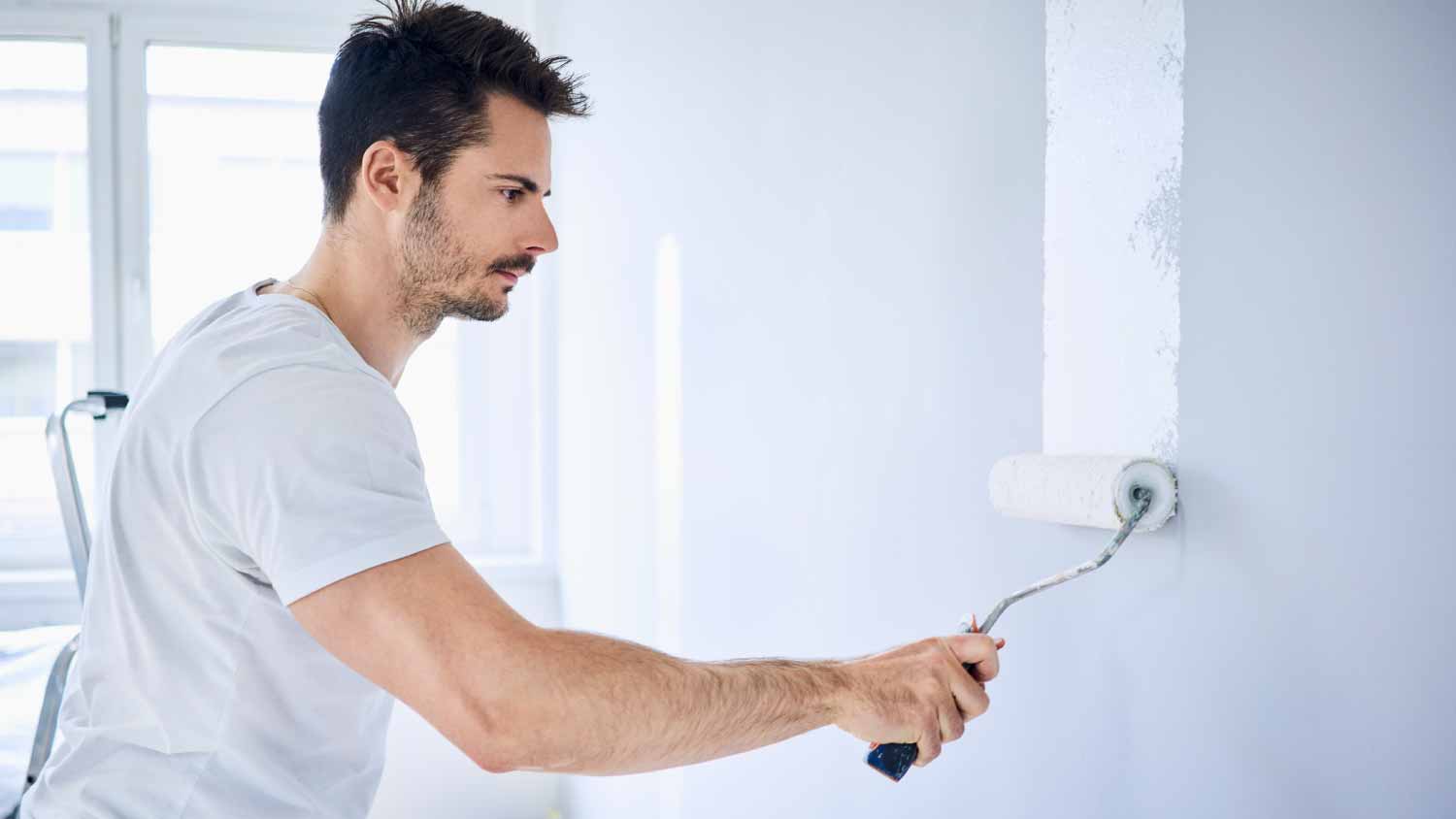
The big difference between primer vs. paint is how you use it. Here are the key differences between paint and primer.
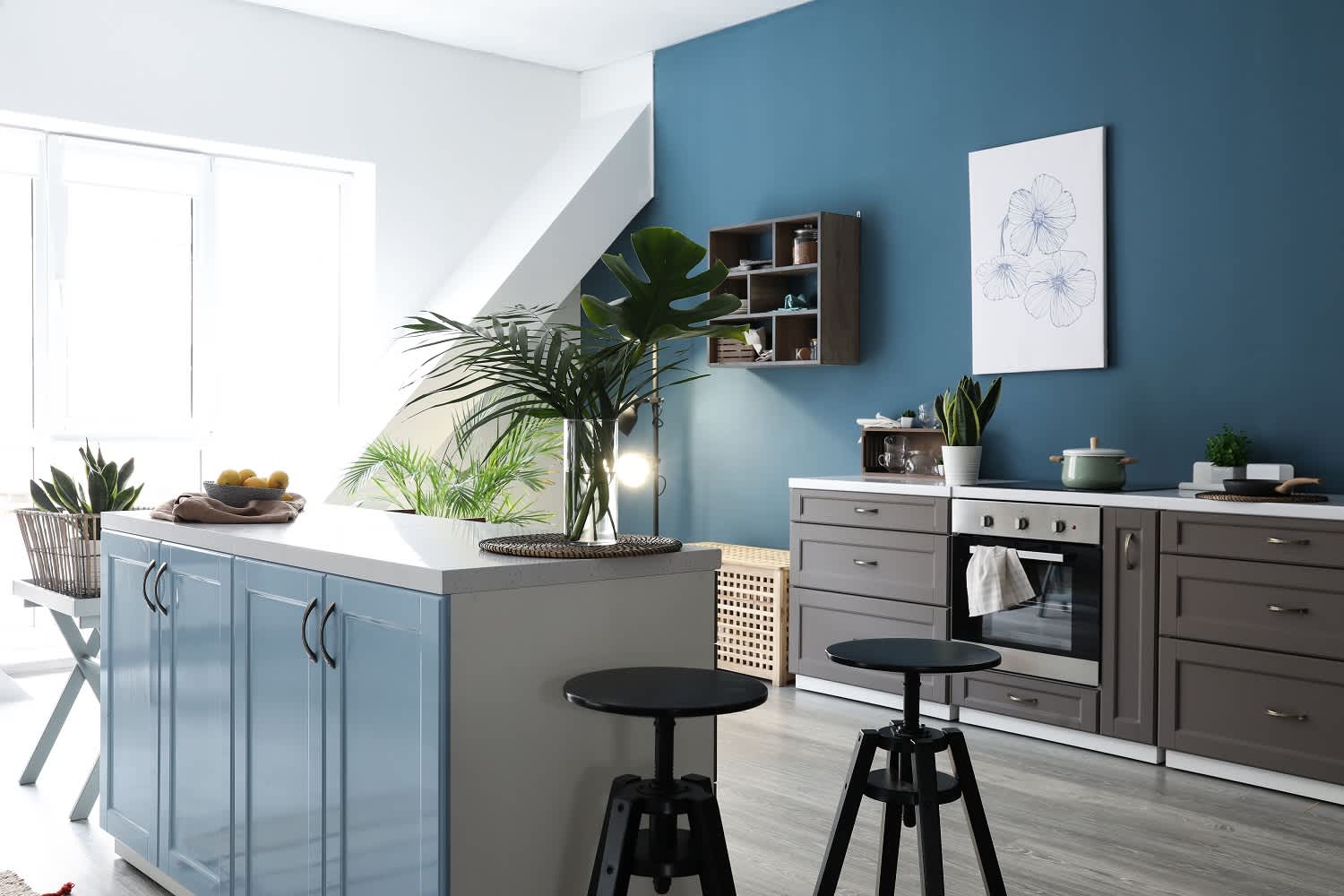
Ready to paint your walls? You might be wondering, “What does paint primer do? Do I really need it?” Learn more about when it's worth using this sealant.
Acrylic, eggshell, and matte—the options for interior paint can be confusing. Follow our guide to learn which type of paint is best for your home’s walls.
Painting plastic requires the right paint to get the job done flawlessly. Check out 11 of the best paints for plastic to help you with your next project.

Typically, you only need one or two coats of primer. Check out our article to learn more about how many coats of primer you may need in different situations.