
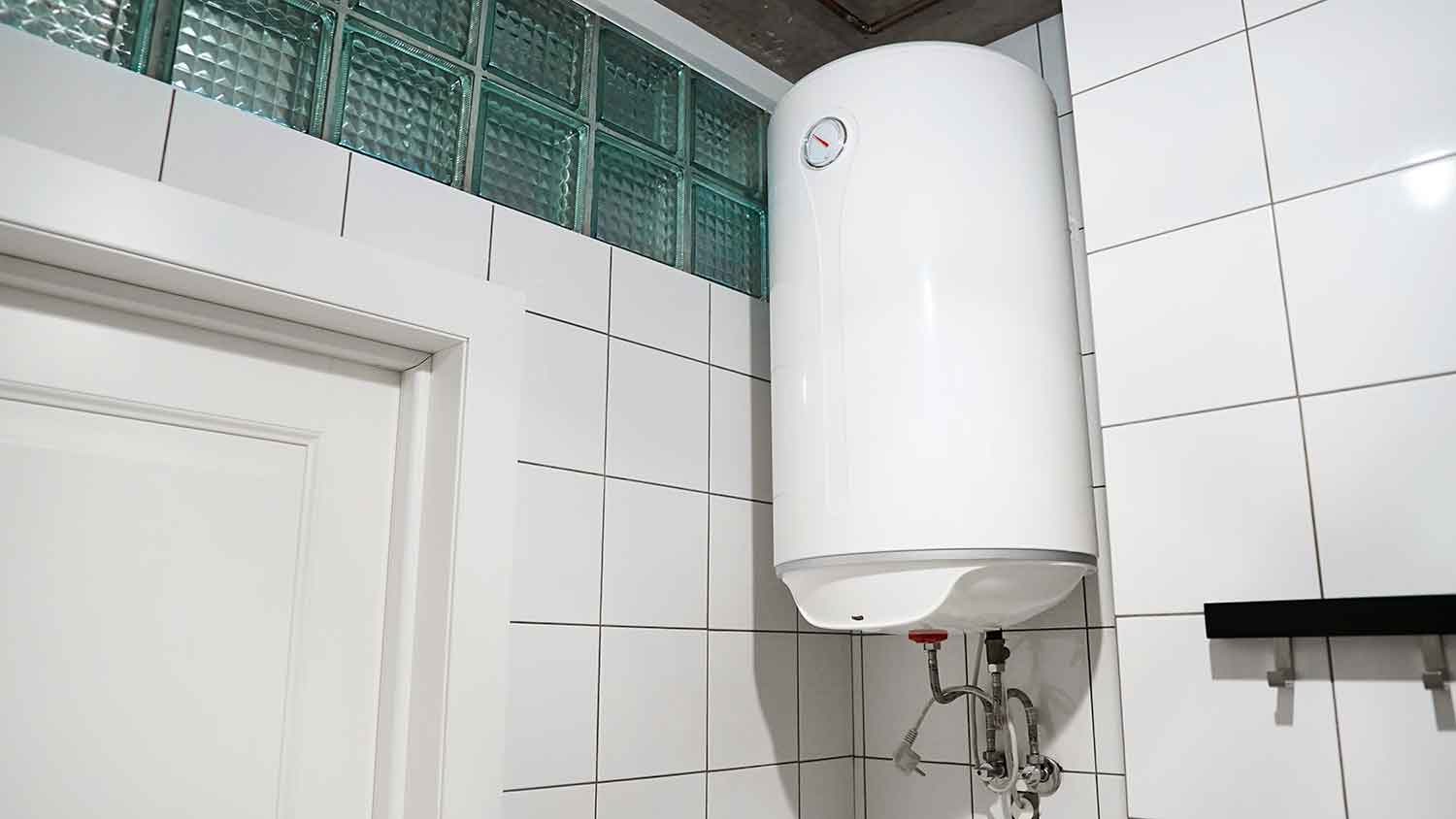
Running out of hot water too quickly? Use this water heater repair cost guide to see what a fix will cost in Charlotte, NC.
Water heater service costs depend on your project and location. Check with a local pro for your specific job.

Professional baseboard and wall heater installation in Charlotte, NC, costs $973 on average for most homes.
The type of heater you choose and the size of your room determine your total project expenses.
Upgrading to a smart-enabled heater increases your total, adding between $585 and $1,460 per unit.
Hiring a baseboard heater installer in Charlotte, NC to do this keeps you and your household safe from electrical shocks.
This article was created using automation technology and produced in accordance with our AI policy, which includes editorial quality standards.
Baseboard and wall heater installation in Charlotte, NC, runs $973 on average, and ranges from $420 to $1,526. Your total price depends on the unit's size, your home's electrical setup, and local labor rates. Before adding a new heating system, understanding the cost helps you plan a project that fits your home and budget.
In Charlotte, NC, hiring a licensed HVAC technician or electrician to install new heating units involves several variable expenses. Local labor rates, the specific type of unit you choose, and the size of your space all play a role in determining your final project costs.
The type of heater you select—whether a basic electric model or an advanced hydronic system—significantly impacts your total price. Upgraded units cost more upfront but provide better energy efficiency for your home. Electric units are the most budget-friendly option, averaging $195 per unit for the installation. If you prefer a system that retains heat longer during those short winters in Charlotte, NC, a hydronic model is a great choice, though it requires a higher investment of $390 to $1,080 per unit. While high-efficiency and smart-enabled heaters come with higher material and labor expenses, they help lower your monthly energy bills.
| Heater Type | Local Average Installation Cost per Unit | National Average Installation Cost per Unit | Local Average Range | National Average Range |
|---|---|---|---|---|
| Electric | $195 | $200 | $150–$390 | $150–$400 |
| Hydronic | $490 | $500 | $390–$1,080 | $400–$1,100 |
| High-efficiency | $585 | $600 | $490–$1,170 | $500–$1,200 |
| Smart-enabled | $685 | $700 | $585–$1,460 | $600–$1,500 |
The physical length and wattage output of your heater directly influence the purchase price and labor requirements. Larger rooms demand longer, more powerful units, which naturally increases your overall expenses. A compact 3-foot, 500-watt heater is ideal for small spaces like bathrooms and averages $150 per unit to install. For larger living areas in Charlotte, NC, an 8-foot, 2,000-watt model runs between $295 and $585 per unit. When outfitting multiple rooms or an entire home, you need several units of varying sizes, which multiplies both the material costs and the time required for the installation.
| Heater Size (Length/Wattage) | Local Average Cost per Unit | National Average Cost per Unit | Local Average Range | National Average Range |
|---|---|---|---|---|
| 3 ft./500 watts | $150 | $150 | $100–$245 | $100–$250 |
| 6 ft./1,000 watts | $245 | $250 | $195–$390 | $200–$400 |
| 8 ft./2,000 watts | $345 | $350 | $295–$585 | $300–$600 |
The materials required for your project vary widely between simple electric setups and complex hydronic systems. Electric heaters primarily need metal casings and basic wiring, while hydronic units require plumbing connections and heat-retaining liquid elements. When sourcing materials in Charlotte, NC, beyond the base unit, your costs increase if you opt for custom covers, premium finishes, or integrated smart controls. Adding these upscale details helps the units blend seamlessly with your interior decor but bumps up the final price tag. If you are also planning a broader home update, you should look into thermostat replacement costs to ensure your new heaters operate at peak efficiency.
Labor makes up a substantial portion of your installation budget and depends heavily on the complexity of the job. Licensed electricians handle standard electric units, while hydronic systems require the expertise of both a plumber and an HVAC technician. In Charlotte, NC, local demand and the specific requirements of your home dictate the hourly or flat rates charged by professionals. Complex installations, such as retrofitting an older home or routing new plumbing, significantly increase the time and labor expenses required. Ensuring your system meets all local building codes is critical for safety, and scheduling a routine HVAC inspection after the installation provides extra peace of mind.
Preparing the workspace before the new units are installed adds unexpected expenses, especially in older properties. Removing outdated heaters, patching drywall, and upgrading electrical circuits are common preparatory steps. You reduce some of the billable labor time by moving furniture and clearing the area in your Charlotte, NC, home yourself before the professionals arrive. However, if your property requires professional remediation for hazardous materials like old lead paint or asbestos, you need to budget for those specialized services to maintain a safe environment.
Beyond the standard materials and labor, several other variables influence your final project total. Factoring in these extra expenses ensures you have a comprehensive and accurate budget, as most homeowners spend between $420 and $1,526 for a complete installation, with an overall average of $973 for the project. In Charlotte, NC, you encounter fees for the demolition and disposal of old heating units, as well as post-construction cleanup. Structural modifications, such as framing or wall repairs, also add to the total. If your new system requires more power, electrical panel upgrade costs must be factored into your budget to safely accommodate the increased electrical load.
Installing baseboard heaters is just the first step in managing your home's climate. Let’s look at what it takes to keep them running smoothly and efficiently over time.
Keeping your baseboard heaters in top condition requires regular maintenance, which adds a small amount to your annual household budget. Routine upkeep ensures the system runs efficiently and safely throughout its lifespan. Electric units in Charlotte, NC, are low-maintenance, requiring only occasional dusting and cleaning of the fins and casing. Hydronic systems, on the other hand, need more frequent professional servicing to check for plumbing leaks and ensure the fluid levels are correct. Proper maintenance is especially important to prevent water damage and keep the system performing well during the colder months.
The cost to run your baseboard heaters depends on your local energy rates, the unit's wattage, and how well your home is insulated. Usage patterns also play a major role in your monthly utility bills. Electric baseboard heaters draw a significant amount of power, which leads to noticeable increases in your electricity bill during periods of heavy use in Charlotte, NC. Hydronic heaters are more energy-efficient to operate over time, even though they require a higher upfront investment. Using programmable thermostats and improving your home's insulation helps minimize these ongoing operating expenses.
Over time, components of your baseboard heating system wear out and require professional repairs. Addressing issues promptly helps extend the life of your units and prevents more costly damage. Common repairs in your Charlotte, NC, home include fixing wiring issues in electric models, replacing damaged fins, or addressing leaks in hydronic systems. Emergency repair services incur higher flat one-time costs, particularly if you need a technician after hours or on a weekend. Scheduling regular check-ups helps catch minor problems before they turn into major repairs.
Deciding whether to tackle this project yourself or hire a professional depends on your experience with electrical and plumbing systems. While a DIY approach saves on labor, it comes with significant safety and compliance risks. For residents in Charlotte, NC, a straightforward replacement of an electric unit is the most DIY-friendly option, costing between $195 and $390 for the materials. However, hiring a professional for an electric installation ranges from $390 to $780 for the labor and materials, ensuring the work is done safely and up to code.
| Scenario | Local Installation Cost | National Installation Cost |
|---|---|---|
| DIY (Electric) | $195–$390 | $200–$400 |
| Pro (Electric) | $390–$780 | $400–$800 |
| Pro (Hydronic) | $585–$1,170 | $600–$1,200 |
Enhancing your baseboard heating system with modern add-ons improves both comfort and convenience. These optional upgrades increase your initial investment but offer better long-term control. Popular additions in Charlotte, NC, include smart thermostats, custom trim kits, and decorative covers that match your home's aesthetic. Integrating your heaters with a broader smart home system allows for seamless temperature management from your smartphone. Keep in mind that adding these features requires additional wiring or specialized components, which increases both material and labor costs.
Installing new baseboard heaters in Charlotte, NC, is a manageable investment if you plan carefully. There are several strategic ways to keep your project expenses under control. To get the most competitive rates, always request multiple quotes from licensed professionals in your area to compare pricing. You also save money by choosing standard models over premium finishes and by prepping the installation site yourself to reduce billable labor hours. Additionally, scheduling your installation during the off-peak season helps you secure lower rates from local contractors.
Hiring a professional in Charlotte, NC, ensures safe heating during short winter months. Local electricians typically charge $50 to $120 per hour to install standard electric units. If you choose a hydronic system, expect to pay plumbers or HVAC technicians $75 to $150 per hour for their specialized labor. When budgeting for your new setup, remember to factor in the local 7.25% sales tax on any materials purchased for the job.
Before hiring a heating pro, verify they hold the required heating license for North Carolina or Charlotte, and ask for proof of liability insurance and workers' comp if they have employees. Hiring an unlicensed heating pro can leave you with little protection if something goes wrong and may make it harder to recover payments or hold them accountable. To verify the type of licensing required, visit the North Carolina government's official licensing board website for more information.
Bringing in experienced HVAC professionals in Charlotte, NC protects your home from electrical hazards, saves you hours of frustrating labor, and adds lasting value to your property.
Experts possess specialized voltage testers and mounting equipment to connect units securely to your electrical system.
Contractors understand Charlotte, NC building codes and manage all necessary permits to guarantee a compliant installation.
Technicians calculate the precise heating load required for your space to prevent energy waste and ensure optimal comfort.
Home is the most important place on earth, which is why Angi has helped more than 150 million homeowners transform their houses into homes they adore. To help homeowners with their next project, Angi provides readers with the most accurate cost data and upholds strict editorial standards. We survey real Angi customers about their project costs to develop the pricing data you see, so you can make the best decisions for you and your home. We pair this data with research from reputable sources, including the U.S. Bureau of Labor Statistics, academic journals, market studies, and interviews with industry experts—all to ensure our prices reflect real-world projects.
Want to help us improve our cost data? Send us a recent project quote to [email protected]. Quotes and personal information will not be shared publicly.
Jake is a Professional that knows pool equipment well. Had a heater installed along with a sand filter. We would recommend this company for all pool maintenance.
 East Blue Pool Service & Repair
Replaced a tank water heater, the door was too narrow so first pitched removing framing with no guarantee that it’d be replaced correctly. I suggested using a smaller sized unit based on a quote from another plumber which is the route we went. They also covered the overage for the additional...
 H L Bowman
Very professional. Came up with custom solution for our new tankless water heater.
 HotCo The Hot Water Heater Company
The plumber was super courteous. Very knowledgeable, respectful. Explained everything ( what was wrong and why I needed a new water heater). Addressed my concerns sufficiently. I would highly recommend this company.
 Benjamin Franklin Plumbing
Robert was great to work with. Quick to respond and answer all the questions. I got the water heater replaced. It was in the crawl space and the door to the crawl space was not wide enough. He took the door out replaced the water heater and put the door back in its place (for a little extra...
 A1 Plumbing Services
The installation went well. Austin and Rene were my technicians and did a good job installing the new equipment, including an electrical line to the new humidifier and replacing the water lines above the new water heater. It turned out the humidifier wouldn't fit in the original planned...
 Horne Heating and Air Conditioning
We recently had a complete water filtration system installed in our home by NC Water Consultants and couldn’t be more pleased. They were professional, knowledgeable and provided an outstanding product. Highly recommend!
 North Carolina Water Consultants
Call them this morning and John was out at the house within a couple of hours. Explain to me what was going on with the hot water heater and gave me several different options for replacing it. Was done with the whole thing we had hot water again within a couple of hours. Very professional,...
 Rapid-Rooter Plumbing Services Inc
Extremely pleased! Called to make an appointment for a new hot water heater and Brian was here within an hour and half. Very reasonable rates, punctual, and zero pressure of up-selling. Highly recommend!
 Bluefrog Plumbing + Drain of North Charlotte
Rapid responsiveness, very professional and great quality of work on water heater replacement.
 Water Heater Pros
From average costs to expert advice, get all the answers you need to get your job done.
Running out of hot water too quickly? Use this water heater repair cost guide to see what a fix will cost in Charlotte, NC.

Tankless water heater costs in Charlotte, NC depend on the size of your water heater, location, fuel type, and more. Keep reading to calculate your expenses.
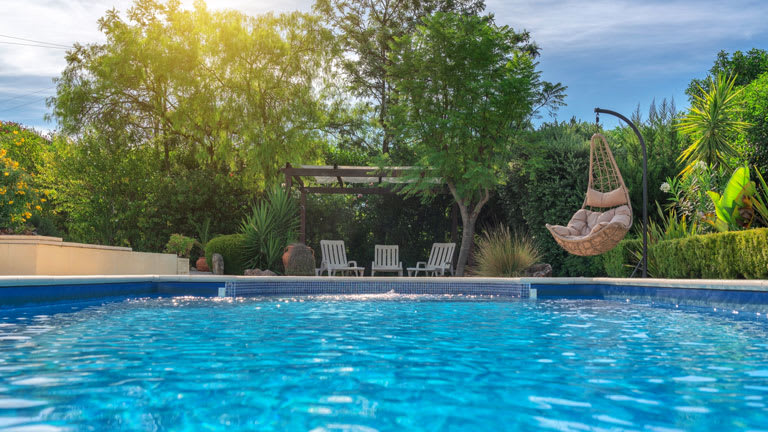
The cost to install a pool heater in Charlotte, NC varies based on elements like type, pool size and more. Weigh different cost factors in this comprehensive guide.
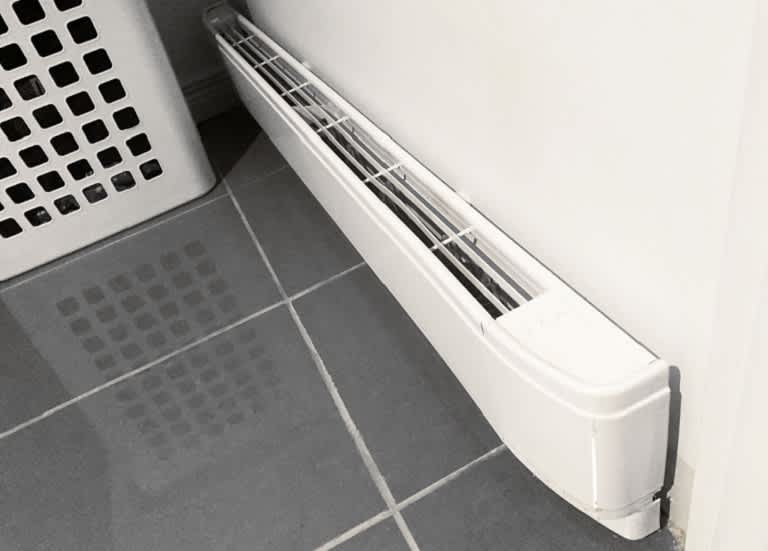
Learn how to hire a qualified electrician or HVAC technician for baseboard or wall heater installation. Find the right pro with our expert hiring guide.

Hydronic baseboard heaters use water to distribute radiant heat. This makes them more energy-efficient and cost-effective than conventional electric types. Learn more about hydronic baseboard heaters and the pros and cons of their operation.
Find and hire a qualified pro to repair your baseboard heater. Learn about services, costs, questions to ask, and what to expect from start to finish.