
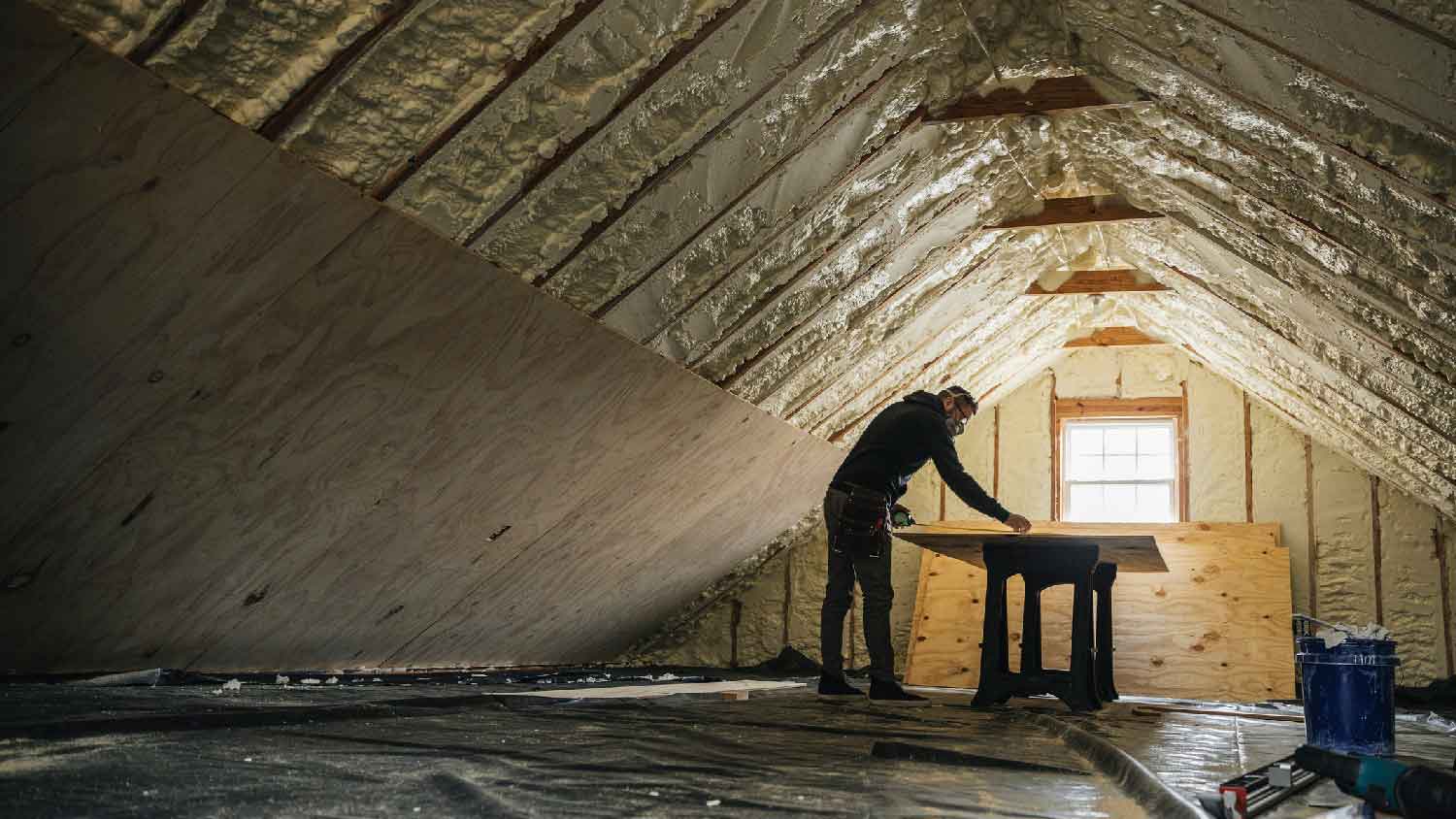
Your attic insulation removal cost will vary based on multiple factors, including why you're removing it and how easy it is to complete the task.
Learn how to make the most of attic insulation

Attic insulation tips include checking for gaps around pipes and vents, plus looking for water damage or mold before you add new insulation.
Expect to pay a few hundred to a few thousand dollars for attic insulation, with costs depending on your attic size and material choice.
Your insulation works best when you seal air leaks around fixtures and hatches, keeping cold air from escaping and hot air from entering.
Hiring a local insulation company provides reliable help with choosing the right R-value and material, plus ensuring proper ventilation to prevent moisture problems.
Properly insulating the attic is an essential step for every homeowner, keeping the house comfortable in any season and energy bills low. Without proper insulation, warm air will escape during the colder months, while cold air can leak during those air-conditioned summer days. Air leaks will make your HVAC system work much harder to keep up. With so many options and methods for installing proper insulation, it can be difficult to know where to start.
Whether you intend to tackle this project yourself or hire the pros, here are some practical attic insulation tips.
It’s important to know what you’re working with before you add or alter your insulation. When performing an attic inspection, look for fissures or gaps where insulation is missing; visible stains or damage from water or mold; and extra space around pipes, vents, or wiring.
If you spot any of these issues, it may be best to contact a professional for a full assessment. In most cases, professionals who offer installation can also assist with inspections. A pro can let you know if any repairs are needed to the attic before tackling the issue of insulation.
The effectiveness of insulation is rated based on its R-value, or resistance value. R-value measures how well the insulation resists the flow of heat and prevents energy loss. Attic insulation generally ranges from R-30, or minimal insulation, to R-60 for maximum resistance against heat flow. The R-value necessary for your home depends on your local climate.
Understanding how much resistance you need from your insulation is crucial for determining what type of insulation to install and where to install it.
Insulation will be significantly less effective if there are leaks in the attic. These points can allow cold air to escape or hot air to pass through. You’ll want to ensure all leaks have been spotted and sealed before installing insulation. Here are a few common points where you may find air leaks:
Surrounding light fixtures
The attic hatch or entryway
Pipes or wiring
Areas surrounding air ducts or vents
For areas such as entryways, hatches, or pull-down stairs, simple solutions such as insulated covers or using a weatherstripped door can prevent air leaks. For more difficult-to-reach areas, contact an insulation professional to help seal them and ensure that all leaks are properly tended to.

Every home will have different insulation needs, plus there are many different forms of attic insulation. So, it can be difficult to choose the right one. Here is a brief breakdown of a few common insulation options:
Fiberglass insulation: Also called blanket insulation, this type comes in thick sheets that make it easy to install. It’s the most affordable option, but it tends to have a lower R-value compared to other types of insulation.
Cellulose insulation: Cellulose is made from recycled materials, making it a safe material to work with. It has a higher R-value than blown-in fiberglass insulation, but it’s more expensive.
Spray foam insulation: Spray foam expands to seal cracks. It provides excellent R-value by filling tight spaces and leaving no gaps, which is best for colder climates. It’s not DIY friendly and is the most expensive option.
Choosing the right material depends on your attic’s layout, your budget, and whether you plan to DIY the project or hire a pro. Contacting a local insulation expert can help you determine the best course of action for your home.

Proper ventilation is essential for insulation to perform at its highest potential. Ventilation allows clean, dry air to flow in and out of the attic, preventing moisture or heat from collecting in the space. In addition to other issues such as rust, rotting wood, or weakened roofing, a lack of proper ventilation can reduce the effectiveness of insulation—or even ruin it entirely. Here are a few tips to keep in mind when ventilating your attic:
Size: The size of your attic will inform how much ventilation you will need and where it should be located. This can be calculated based on the square footage of the attic space as a whole.
Flow: Ventilation is more than just letting unwanted air escape. It’s essential to find a balance with your ventilation equipment, providing an equal amount of exhaust and intake of air through the space.
Without proper ventilation, complications with the insulation, such as moisture, mold, or even leaks, can put your attic at risk and significantly increase your heating and cooling bill. Before beginning your insulation project, be sure to verify that your attic is properly ventilated.
Some insulation projects can be done yourself, while others are better left to the professionals. Here’s a quick breakdown of what’s safest to do yourself:
DIY-Friendly Options: Many DIYers find it easy to lay fiberglass batts or roll out insulation blankets. These projects are straightforward, but they require protective gear to avoid irritation to the skin, lungs, and eyes.
Best Left to Pros: It is not recommended to install blown-in insulation and spray foam yourself. Professionals have the equipment to distribute material evenly and the correct gear for personal health and safety. If your attic has tight spaces, complicated ductwork, or moisture problems, hiring a contractor is also a better choice.
If you go the professional route, there are a few key questions to ask your contractors before you begin, including:
What type of insulation do you recommend based on the R-value and cost for my attic?
What additional services, like sealing leaks and hatches and removing old insulation, are recommended?
What can you do to help prevent moisture, mold, or leaks?
Insulation should never be damp. Wet insulation loses effectiveness and can harbor mold. Installing a vapor barrier, ensuring roof integrity, and maintaining ventilation will protect against moisture issues.
No matter what climate your home is in, water can sneak through cracks and crevices and cause problems with your insulation. Here are a few areas to look out for:
Roof leaks: Wet insulation is often caused by rain, snow, or even high humidity leaking through gaps in the roofing.
Internal air leaks: Humidity from within your home can also have a big impact. Internal air leaks can bring warm, humid air into the insulation from kitchens or bathrooms.
Water leaks: Damage to your home's HVAC or plumbing can cause more localized moisture damage to your insulation, primarily surrounding pipe joints or drain lines.
If you notice visible changes in your insulation, such as sunken patches, changes in color, sagging, musty odors, or even mildew, it’s crucial to contact a professional right away. Most types of insulation should be replaced if exposed to too much moisture, and the risk of mold or wood rot can pose a danger to your health.

If you’re going to DIY this project, there are some safety precautions you need to take:
Wear safety goggles, gloves, and a mask when handling fiberglass or cellulose insulation.
Keep insulation away from heat-producing fixtures unless they are rated as “IC” (insulation contact).
If your attic has vermiculite insulation, it may contain asbestos. If that’s the case, you should not attempt to remove this insulation yourself. Instead, contact a pro to test for asbestos and have them handle removal.
While attic insulation can be a few hundred to a few thousand dollars, depending on the method, the energy savings add up. Many homeowners see payback within three to five years through reduced utility bills. Plus, well-insulated homes maintain more consistent indoor temperatures, reducing strain on HVAC systems.
I would recommend this company to anyone! He showed up on time, was friendly, completed a very difficult repair on our dryer vent cover, was responsive, and pricing was extremely fair and competitive. I would have him back to do any of our repairs or cleanings without hesitation!
 U.S.A. Dryer Vent, LLC
Best cleaning I've had at my property
I conferred with 2 other contractors before Armstrong Electric. Nick and his crew showed me that the project was not as convoluted as the other contractors made it appear to be. They completed the entire project on time. They were professional, friendly and cleaned up after at completion. I...
 ARMSTRONG ELECTRIC, LLC
The technician was very professional and friendly. He answered all my questions and was very thorough. He left the fireplace area very clean . He inspected from the roof and advised me as to other work that might need to be done. There was no pressure there. I was very satisfied with the...
 Supreme brick & chimney
Our exterior looks brand new thanks to Custom Paint Jobs LLC. Theyre the best in town!
 Custom Paint Jobs, LLC
Excellent experience with hiring Tether House to Mount our 77’ Samsung TV in our bedroom. Fast, friendly, and knowledgeable. Highly recommend.
 Tether House
The techs on my project, Shawn and Cliff, were great. They were prompt, courteous, and efficient. I am very happy with the results and would definitely contact Mr. Electric for any future electrical projects.
 Mr. Electric of Columbus
We had our houses windows and back door replace this summer by Window Depot USA of Central. He gave us grate advise and saved my family lots money. The team did a fantastic job with installation. If you need help, they sure get job done right!
 Window Depot USA of Central Ohio
Beginning with the estimate, Larry and Peyton were super helpful in getting my new condo's interior re-painted. Not only was the job well done, but also done in a super timely manner as promised.
 Five Star Painting of Plain City and Powell
Great job...edging and pre clean up went well with a great job with seal coat. Friendly, efficient and professional.
 All Star Paving and Sealing
From average costs to expert advice, get all the answers you need to get your job done.
Your attic insulation removal cost will vary based on multiple factors, including why you're removing it and how easy it is to complete the task.
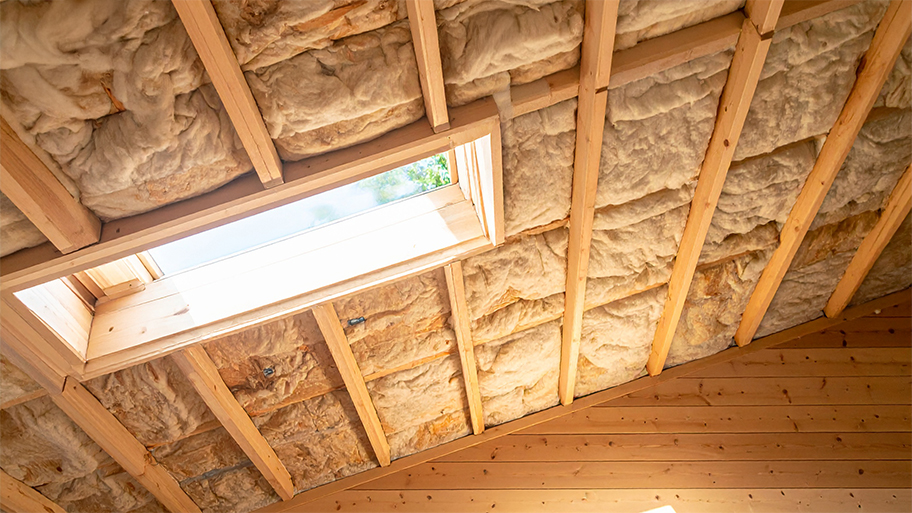
Insulating your attic can massively improve your home’s efficiency and reduce electric bills. Use this guide to find out what attic insulation will cost you.

Your home likely loses most of its heat through your attic. This guide on different types of attic insulation can help you boost your home’s efficiency.
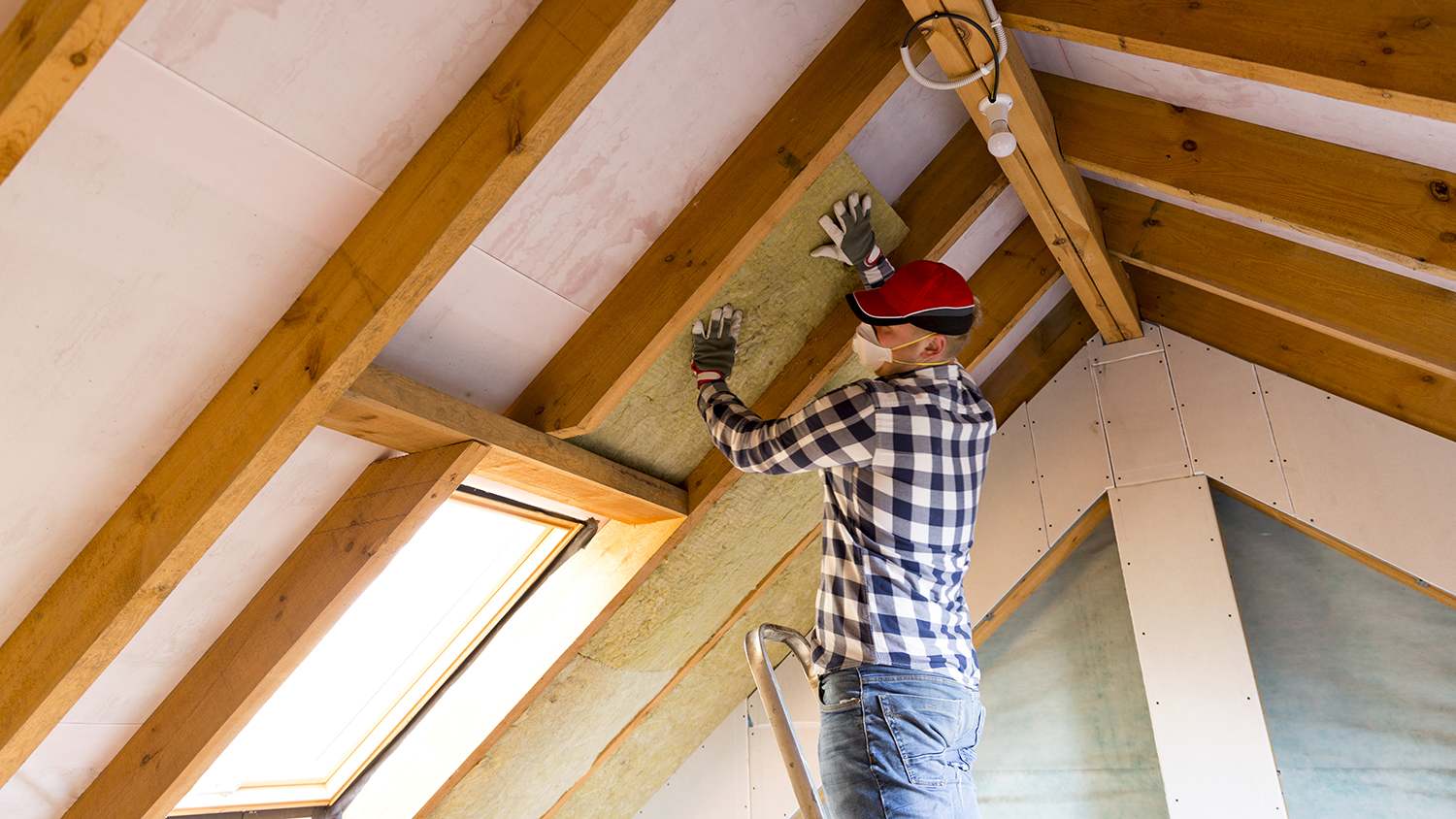
Wondering who to hire for attic insulation? Learn what insulation contractors do, how they work, and how to choose the right pro with confidence.

Learn the simple steps on how to insulate an attic door if you're worried that a flimsy barrier is driving up your home's energy bill.

How much does attic insulation help with temperature regulation? As long as it’s properly installed, it can affect your home’s temperature by several degrees.