

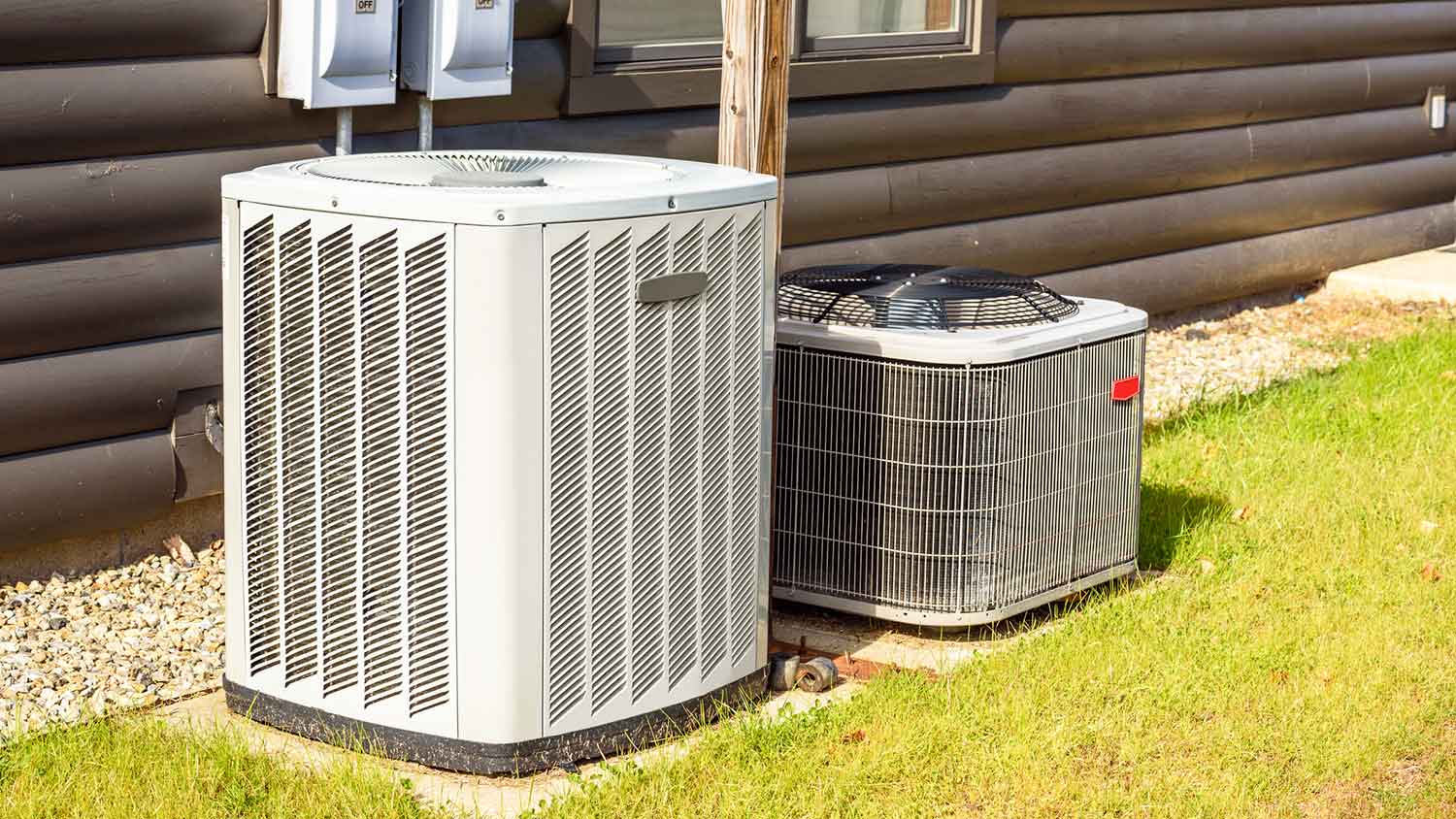
•
Find out the average AC freon leak repair cost, key price factors, and how to save. Get transparent estimates and expert tips for homeowners.
Keep your cool while you troubleshoot

Your AC not working after a power outage often stems from built-in surge protection that prevents power cycling damage by requiring a 30-minute reset period.
Typical AC repair costs range from $450 to $2,000, and an HVAC service call costs $100 to $250 when troubleshooting post-outage issues.
A tripped circuit breaker stops your cooling system from turning on, and you can reset it by flipping the breaker switches off and back on.
Hiring a local air conditioning repair professional helps restore cooling quickly when your compressor or capacitor fails, providing reliable diagnosis and repairs.
Whether a power outage lasts seconds or hours, it can cause your air conditioner to stop working, but don't worry. It's likely only temporary. When you find your AC not working after a power outage, it’s often due to a tripped circuit breaker or the unit’s built-in surge protection. But in some cases, AC units can be damaged after a power outage. Check out these common reasons your AC is not working after a power outage and what to do in each situation.
Here are the outlet types you find in most U.S. homes:
15-amp, 120-volt (2-prong and 3-prong): The standard household outlet for lamps, TVs, and chargers.
20-amp, 125-volt: A higher-power outlet for kitchens, laundry rooms, and workshops.
240-volt (20-amp to 50-amp): A large-appliance outlet for dryers, ranges, and EV chargers.
GFCI: A shock-protection outlet for kitchens, baths, and other wet areas.
AFCI: A fire-protection outlet for bedrooms and living spaces.
Tamper-resistant: A child-safe outlet with internal shutters, now standard in new homes.
Weather-resistant: A corrosion-resistant outlet built for outdoor use.
Convenience types: Switched, combination, USB, smart, and rotating outlets.

Some types of air conditioners have built-in protection against power surges and power outages. In most cases, there’s a 30-minute reset timeframe that prevents the condenser from power cycling, which can damage your AC unit. By waiting out the reset time, you allow your AC unit to work normally again.
Turn off the air conditioner from your thermostat.
Go to your electrical panel and locate the circuit breakers for your AC units. There are two: one for your outdoor unit and one for your indoor unit.
Flip the switches to the “off" position on the breaker panel and then switch them back to the "on" position.
Wait 30 minutes before starting your AC again. The 30-minute buffer gives the system time to reset fully.
Turn the AC back on from the thermostat.
Wait 10 minutes to see if the AC starts working again and is blowing cool air.

The indoor and outdoor units of your cooling system are on individual circuit breakers. When a power surge happens, such as right before an outage, the breakers trip to cut power to the circuit. Sometimes, one breaker or both have tripped.
If the breaker to the outdoor unit trips but the indoor one doesn't, the indoor unit will blow air through the ducts, but it won’t be cool air. If both breakers trip, the AC won’t turn on at all.
Go to your electrical panel.
Identify the circuit breakers that power your cooling system components.
If the circuit breakers marked condenser, indoor AC, or outdoor AC are off, reset them by moving the breaker to the “on” position.
If the breaker trips again immediately, do not reset it. Hire an HVAC pro to fix the problem.

An AC compressor can fail after a power surge. When this happens, there is no heat exchange, and no cold air comes through. The compressor is not circulating refrigerant to extract the warm air.
If you have a failed compressor, you’re likely to experience airflow issues, warm air blowing through your ducts, and loud noises in your HVAC system.
Contact a local HVAC technician if you notice these symptoms. A trained professional should repair or replace an AC compressor.

The AC capacitor starts up the unit's compressor. Power outage surges can cause the capacitor to blow. After power comes back, the capacitor won't work. This means that the outdoor unit won't perform a heat exchange even though the indoor unit is working. Again, the AC will blow air, but it won’t be cool air.
Go to your outdoor AC unit.
Check to see if the capacitor is blown. The capacitor looks like a canister on top of the compressor. If the capacitor blows, the top bulges or leaks oil.
Contact an HVAC technician. A trained professional should replace an AC capacitor.
If you’ve tried figuring out why your AC is not working after a power outage and you can’t determine the issue, contact a local HVAC repair technician who can diagnose and fix the issue. The cost of AC repair falls between $450 and $2,000, depending on what component breaks. An HVAC service call is $100 to $250. A trusted pro can help you get your house cool again in no time.
If you’re good people wanting to do business with good people, hire Matt. He is a consummate professional and utterly competent. He installed a water heater in my home at a price that beat competitors by hundreds of dollars with a promise to support the unit for its life (even after its 6 yr...
 Greene's Plumbing Services
Corey Carr was great. I had damage from a recent storm and needed to have my mast and other components replaced. The project entailed coordinating with AEP, and Corey helped make a stressful situation a lot less stressful. I really appreciated his dedication to service and the job very well done.
 Mr. Electric of Columbus
This service was great. My air conditioner went out during the heat spell that we had. My husband has health issues and they came out that night and at 9:30pm the air conditioner was fixed and running. We are sooo very thankful, this is the company I will be using from now on and would...
 Mr. Mechanical Ohio
I normally do not leave reviews, but my experience with Worthington Air was extremely frustrating and disappointing. About 30 days ago, I had a consultation done for an HVAC replacement and was quoted approximately $15,079. Based on that quote, I applied for financing through their company...
 ARS Columbus Worthington Air
Great company! Price was competitive, technician showed up on time and completed the job (exterior electric Radon fan replacement) quickly. Would hire them again.
 MaGen Property Inspections and Radon Mitigation
Raven and crew does absolutely fantastic job. They are very professional if any concerns were to occur with any of her work she always took responsibility and finished out with a great job. I have worked with her business for a year and have always been satisfied. Very trusted business and...
 Creations of Transformation LLC
I would recommend this company to anyone! He showed up on time, was friendly, completed a very difficult repair on our dryer vent cover, was responsive, and pricing was extremely fair and competitive. I would have him back to do any of our repairs or cleanings without hesitation!
 U.S.A. Dryer Vent, LLC
Ace Fireplace Services' chimney sweep service is truly exceptional. They used advanced technology to ensure a thorough cleaning process, and my chimney has never looked better. I highly recommend their services.
 Ace Fireplace Services
The technician was very professional and friendly. He answered all my questions and was very thorough. He left the fireplace area very clean . He inspected from the roof and advised me as to other work that might need to be done. There was no pressure there. I was very satisfied with the...
 Supreme brick & chimney
On time, clean and finished fast. Windows seem sturdy and the finish is good. Caulking was done with no smudges. Would recommend.
 Window Depot USA of Central Ohio
From average costs to expert advice, get all the answers you need to get your job done.
Find out the average AC freon leak repair cost, key price factors, and how to save. Get transparent estimates and expert tips for homeowners.
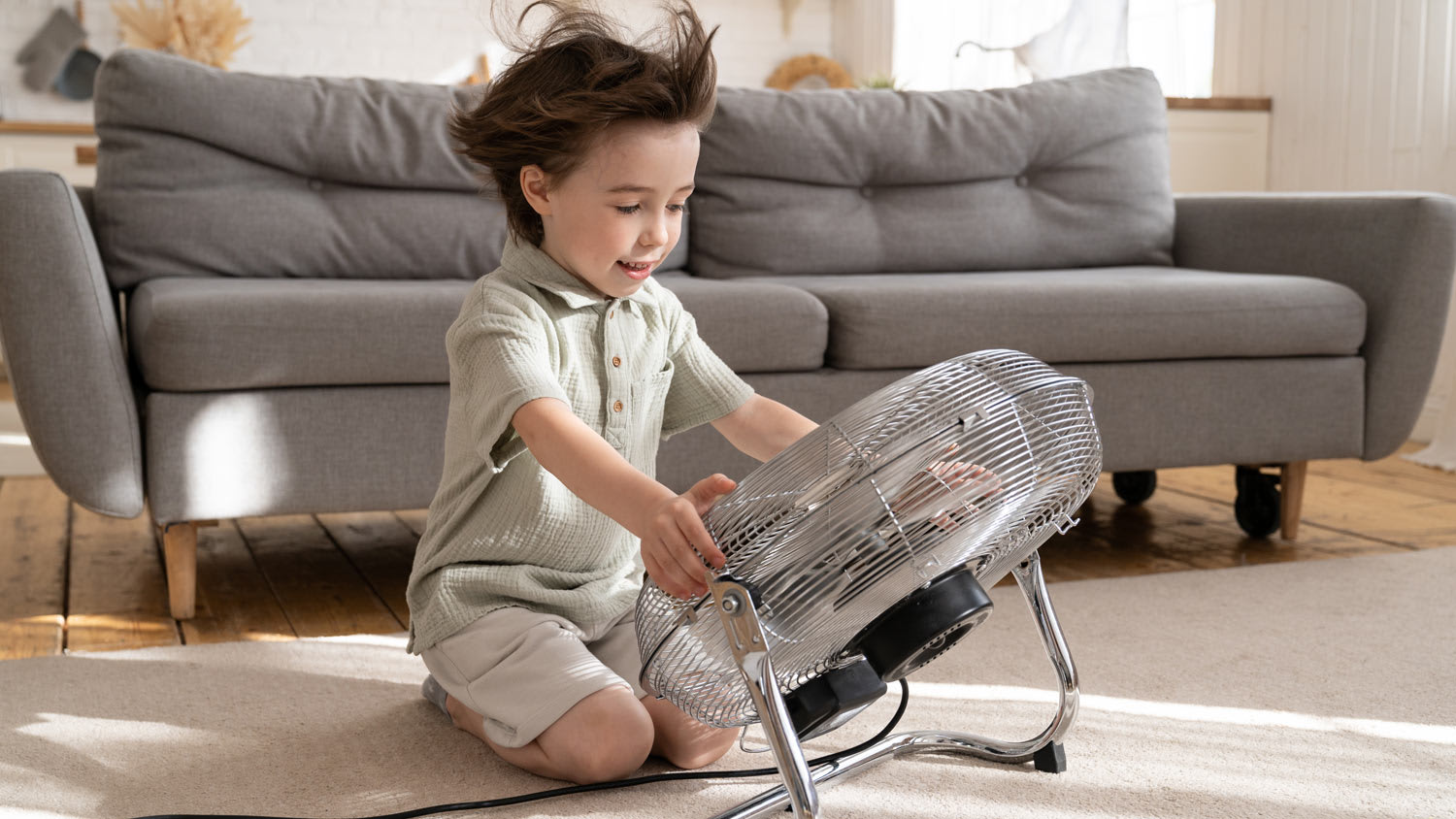
If your AC went out, you probably want to have it fixed—and fast. Learn six common reasons your AC could be on the fritz and possible solutions.
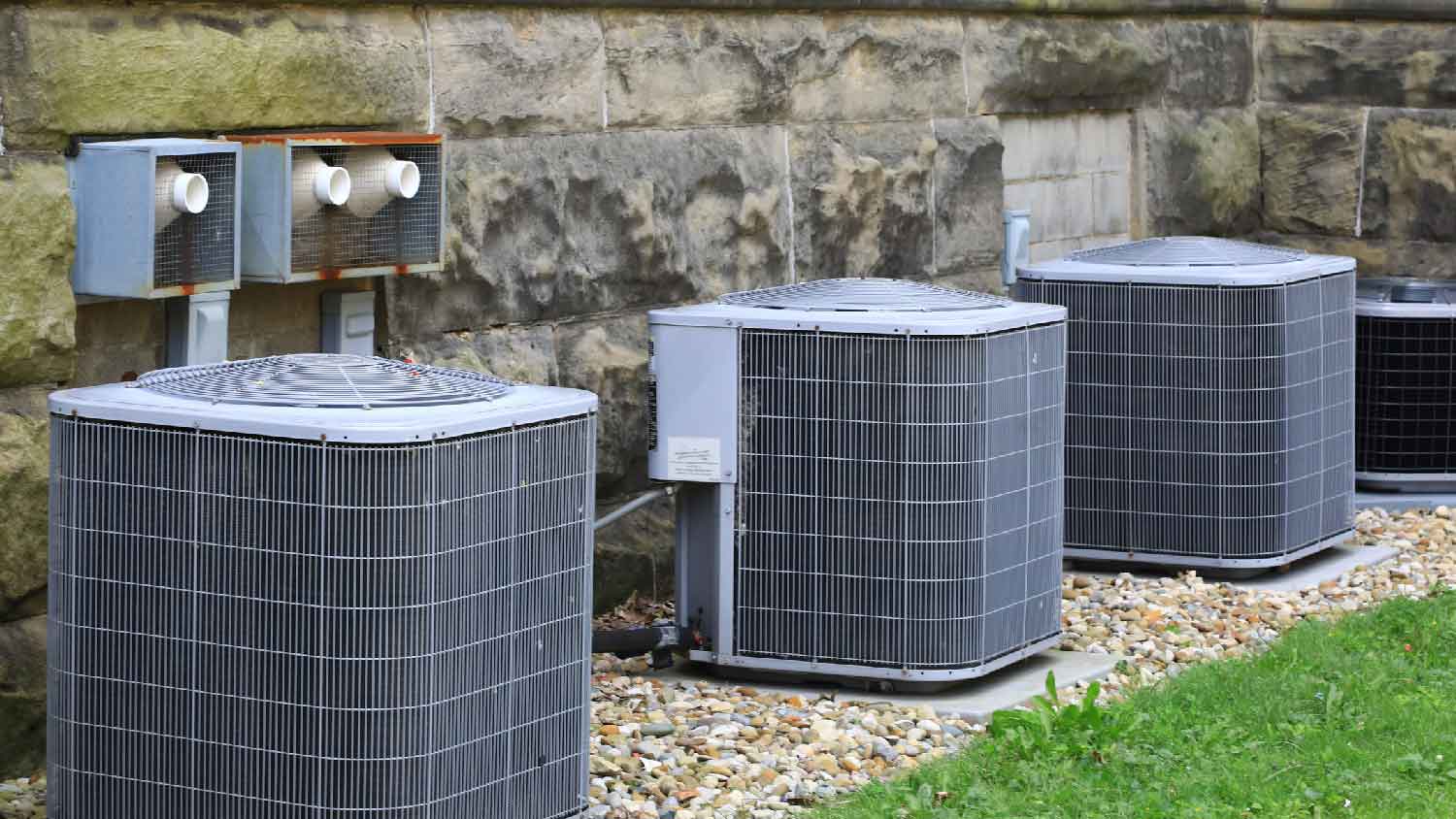
Outdoor AC units can fail for many reasons, from dirt to old parts. Troubleshoot why your outside AC unit is not turning on but the inside is with this guide.

Have you ever wondered how AC works to make cold air that it pushes through your home? Follow this guide to learn air conditioning basics.
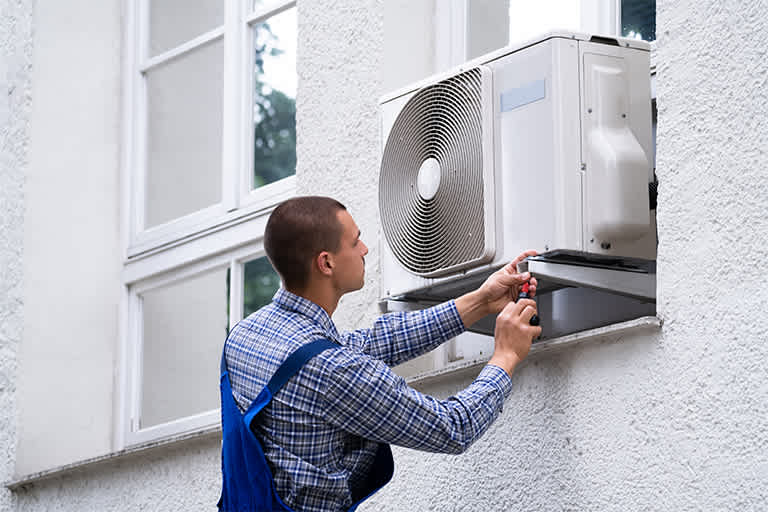
Air conditioning units can keep you and your family cool all summer long, but when they stop working, you can be left scratching your head. Read on to learn how to fix some of the most common window AC problems yourself or with the help of a pro.
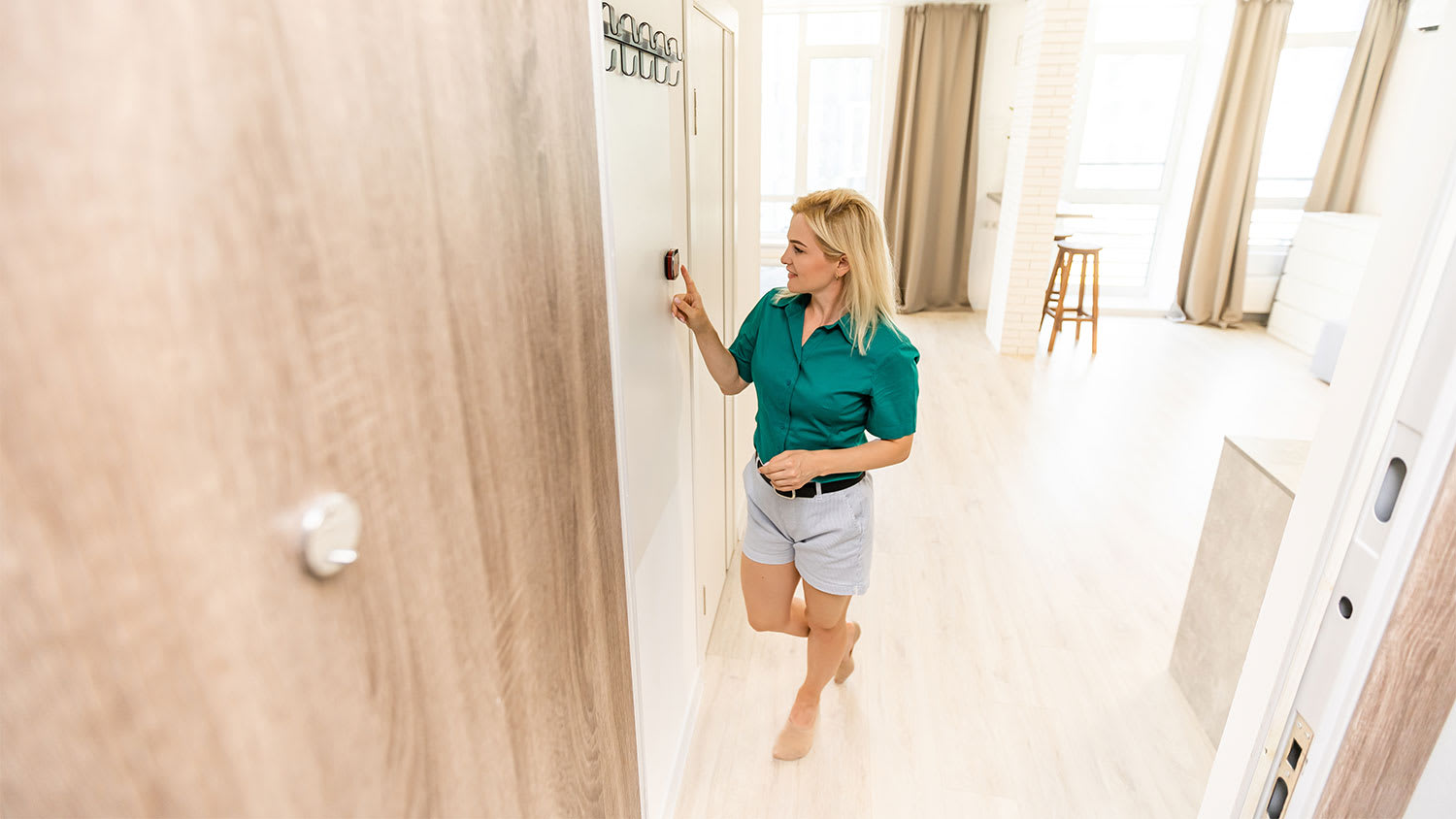
Air conditioners have a really important job, which is why it’s upsetting when they stop working. Check out 12 air conditioner troubleshooting tips here.