

•
Discover the average home energy audit cost, what impacts pricing, and how to save money on your audit. Get transparent, expert-backed cost info for homeowners.
These energy-saving tips will help make your home more efficient

Improving your home's energy efficiency starts with upgrading to LED bulbs and Energy Star appliances, which reduce power use across lighting and kitchen systems.
You can lower water and heating costs by installing low-flow faucets and showerheads, taking shorter showers, and checking for leaky pipes in your bathrooms.
Sealing air leaks around windows and doors with caulk, adding proper insulation, and installing a programmable thermostat help maintain indoor temperatures more efficiently.
Hiring a local insulation company provides expert help with attic insulation upgrades and sealing outdoor entry points to improve how well your home holds heat.
Saving energy requires you to be aware of what uses the most energy in each area of your home and how to use it efficiently. While this may seem like a big task, having a checklist on hand can help you know how best to delegate your time and energy as you convert your home into a more energy-efficient space.
These basic guidelines will help you reduce power usage.

The living room is one of the most lived-in rooms in the home. Though it may seem like there’s not much in terms of energy use in this space, large windows, fireplaces, and electronics are just a few elements that can benefit from sustainable action.
Here’s what you can do to make your living room more energy efficient:
Fans: One of the best ways to reduce electricity costs in your living room or other frequently used area is to install the proper ceiling fan. Fans improve the air circulation in your home, allowing you to adjust your thermostat to a setting that uses less power.
Fireplace: Make use of your fireplace in winter to save on heating bills. Just be sure to have a routine chimney inspection before use.
Power strips: Believe it or not, TVs and other appliances use energy even when they’re turned off. You can ensure they’re not slowly adding to your utility bill by investing in smart power strips.
Windows: Open your drapes during winter to let in the sun’s warmth, and close them during the summer to keep things cooler. Replace your old, non-energy efficient windows with newer storm windows or insulated windows here and throughout the house.
Scratch these items off your energy efficiency checklist to make the most out of your kitchen space:
Lighting: While every room in your house uses lights, the kitchen gets a lot of use. Switching from incandescent to LED light bulbs will especially reduce your power usage.
Upgrade appliances: The kitchen also has several unique appliances that can draw a lot of energy. A refrigerator, range, range hood, or dishwasher with a good Energy Star rating is far more energy-efficient than other models.
Dishwashing: Most dishwashers today can clean your dishes without additional rinsing, but you can also limit how much you rinse your dishes before putting them in the dishwasher to use less water.
Upgrade faucets: Install low-flow faucets to decrease the amount of water you use in the kitchen.

Whether you’re in the primary bath or the half bath in the hall, one thing’s for sure: These spaces use a lot of water. One of the best ways to make your bathroom areas more energy efficient is to upgrade to water-saving solutions.
That’s not all, though. Check off these must-haves to conserve energy and water in your bathroom:
Lighting: The lights in your bathroom vanity will draw a ton of power if you are using incandescent or other high-energy bulbs. Replace these bulbs with CFLs or LEDs, and you will get longer life for your bathroom lights while saving money on your electric bills.
Upgrade toilets: Switching to a low-flow or dual toilet will greatly decrease the gallons of water used per flush, saving you on water bills.
Switch faucets: As in the kitchen, upgrading your faucets to low-flow ones can help limit the amount of water you use.
Vent fan: Installing an Energy Star-rated vent fan will save power when you operate it in your bathroom. According to Energy Star, a ventilation fan can decrease energy use by 70% compared to traditional ventilation systems.
Limit showers: Take shorter showers to save both on water and water heating costs.
Leaks: Regularly check for leaky pipes, toilets, and faucets to reduce your water usage.
Here are a few ways to make your bedrooms use less energy:
Lighting: Just like the rest of your house, putting in energy-efficient bulbs (CFLs or LEDs) in your bedroom lighting is a must for saving power.
Doors: Keep the doors to your rooms open to allow air to circulate throughout the house.
Fans: Keeping your fans on a low setting also increases air circulation, allowing your home to stay more consistent temperature-wise.
TV: Use an energy Star-rated television, and always turn off the lights and TV when you leave the room.
Smart power strips: To prevent phantom power drain, unplug battery chargers and power adapters when you are not using them.

Depending on where you live, your home may have a basement with a laundry space or a standalone laundry room. Here’s how you can make these areas more energy efficient:
Dehumidifier: Since many basements are equipped with a dehumidifier, installing an Energy Star-rated model will reduce your dehumidifying power drain and costs.
Insulation: Make sure that your furnace, HVAC, and other heat-generating systems are well insulated.
Water heater: Lower the temperature on your water heater to 130 degrees F and insulate the tank to save on the power used by this appliance.
Washing machine and dryer: Use cold water to wash your clothes as often as possible, for there is no cost to modifying the temperature of cold water. Because dryers eat up a lot of energy, avoid drying your clothes longer than is necessary.
Your quest for the ultimate energy-efficient home doesn’t stop when you walk out the front door. Your home’s exterior is also a great place to make use of energy-saving choices.
These tips will help you make the most energy-efficient decisions for your home’s exterior:
Air conditioning unit: A properly sized air conditioning unit, including the components found outside your home, is more energy-efficient than one that is too large or small. An HVAC pro near you can help determine if your current unit is a good fit for your home.
Watering system: If you wish to water your garden, make use of the early mornings or late evenings, and only water for a short while to keep from wasting. Another way to conserve water is to install rainwater collection tanks to water the yard.
Outdoor lighting: Replace outdoor light bulbs with CFL or LED bulbs to save electricity.
Doors: Properly install door sweeps on all outer doors of your home to prevent air from entering or escaping your home.
Roof: Consider investing in high-quality shingles to protect your home from the elements and save on energy.
Solar energy: Another great way to have the perfect energy-efficient house is to invest in solar energy. You can do this by installing solar panels or adding solar shingles to your roof.

If you feel like you’re missing a few areas of the home, we’ve got you covered. The following section accounts for a wide range of spaces in your home that can also benefit from simple and sustainable actions:
Air vents: Routinely change HVAC filters to improve your system’s efficiency and performance while keeping the air in your home clean. Also, wipe down any exterior vents that have accumulated dust and debris to keep the air flowing evenly.
Appliances: When choosing new appliances, remember to look for the Energy Star rating for the most power savings, as this rating indicates that the product is more efficient than your average appliance.
Attic: If your attic is due for new insulation, or if it lacks insulation at all, hire an insulation professional near you to improve how well your home maintains indoor temperatures.
Electronics: Turn off all electronics, lights, and appliances when you leave a room, and install power strips to reduce phantom power drain.
HVAC system: Have your HVAC system inspected yearly to ensure top energy performance.
Outdoor entry points: Seal all air leaks in your home with caulk and add the proper amount of insulation. This includes windows, doors, and other spaces that may be prone to outdoor leaks.
Thermostats: Add a programmable thermostat to regulate your home temperatures more efficiently.
Windows: Close your blinds in the summer to keep out the heat, and open them in the winter to let it in. Consider insulating your windows with window film, and seal any leaks to prevent unwanted air from entering or exiting your home.
With all of these energy-saving tips, it can be challenging to know what decisions will benefit your home’s energy efficiency the most.
One way that you can save yourself the trouble of doing it alone is by finding a home energy auditor near you. An auditor will help you figure out what energy-saving changes you can make to have a more sustainable home.
I recently had Mosby Electric perform an electrical installation on 8-14-2026, and I couldn’t be more satisfied with the service. From the moment I called, their team demonstrated fast arrival and professionalism. The electricians were highly knowledgeable, completing the installation...
 Mosby Electric
Great company! Price was competitive, technician showed up on time and completed the job (exterior electric Radon fan replacement) quickly. Would hire them again.
 MaGen Property Inspections and Radon Mitigation
I conferred with 2 other contractors before Armstrong Electric. Nick and his crew showed me that the project was not as convoluted as the other contractors made it appear to be. They completed the entire project on time. They were professional, friendly and cleaned up after at completion. I...
 ARMSTRONG ELECTRIC, LLC
The techs on my project, Shawn and Cliff, were great. They were prompt, courteous, and efficient. I am very happy with the results and would definitely contact Mr. Electric for any future electrical projects.
 Mr. Electric of Columbus
Victor was wonderful. He was on time, professional, and explained everything he was doing. He was thorough and figured out that the problem was electrical instead of with my HVAC system. Very knowledgeable. I will be using this company in the future for any HVAC needs. Thanks!
 Hubbs Heating & Air LLC
They were excellent. They did a great job. I was totally satisfied. They put tremendous effort in making sure the work was completed. They were great. They provided immediate response to any inquires I made. I would hire them again. I would recommend them to anyone who needs electrical work....
 JCB & Associates, LLC DBA Property-Tech Industries
Initially, the repairman could not find the problem. Apparently, there was some electrical shortage, but he could not find the definite problem. He left, but called back later to say he had a new idea. He returned and replaced the light switches on the doors. The refrigerator seemed to return...
 Appliance Pro LLC
The initial quoted price from a walk-through seemed high, but we discussed that the quote represented worst case scenario (re-wiring to two floors) and we were excited about the opportunity to have the work done in a timely manner with closing for fire safety reasons, etc. When the job was...
I have to tell you I am all about customer service - I will go out of my way and even pay more for it if you give me great customer service. <br> <br>In a world where this is hard to find, these guys were awesome! I can not sing their praises enough. They were prompt, personable, funny, got...
 Waibel Electric
When I challenged the markup on the generator, Bruder Electric withdrew its bid. They only want naïve customers.
From average costs to expert advice, get all the answers you need to get your job done.
Discover the average home energy audit cost, what impacts pricing, and how to save money on your audit. Get transparent, expert-backed cost info for homeowners.
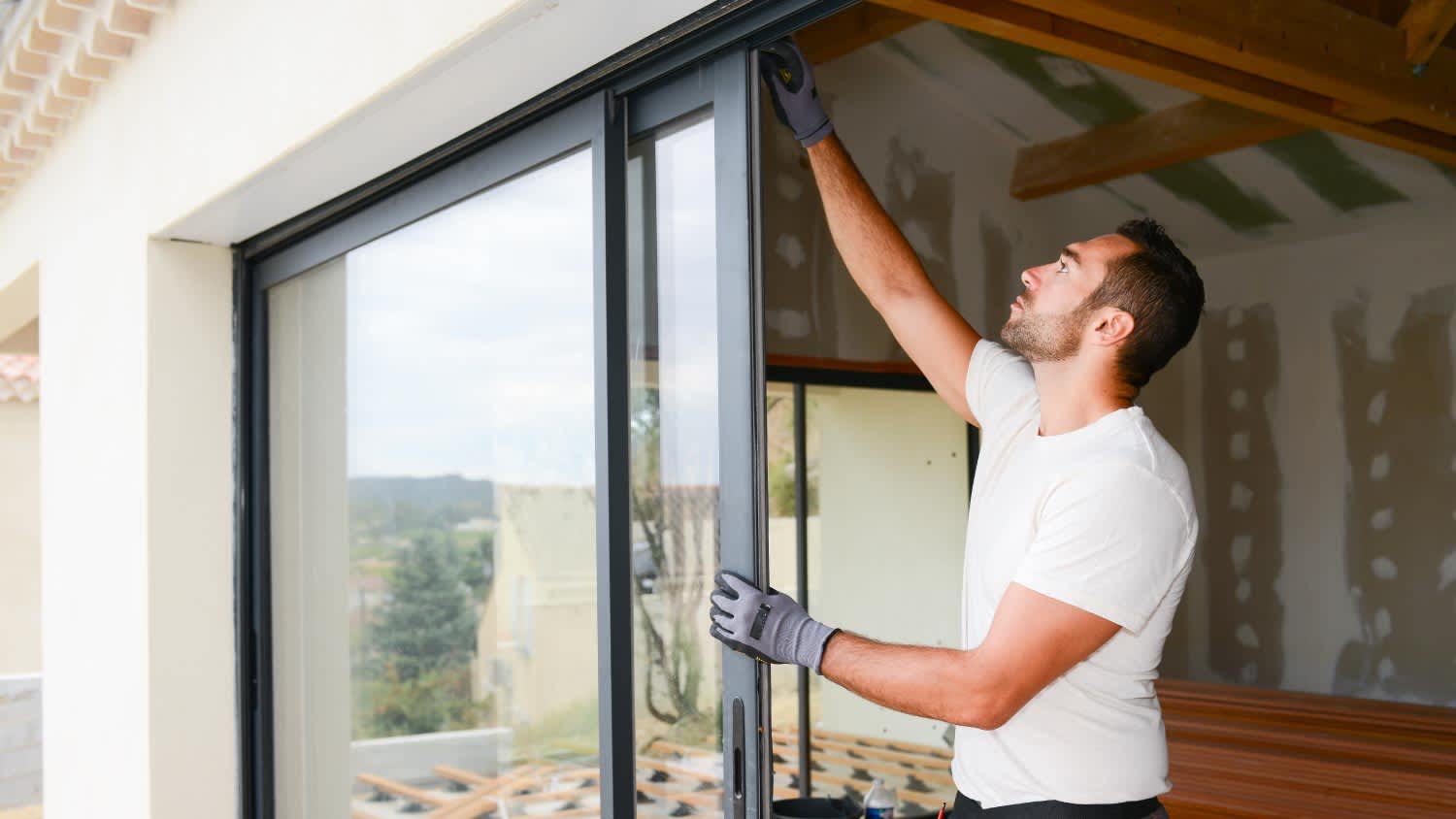
Discover the energy-efficient window costs. Learn about installation prices, cost factors, and tips to save money on your window upgrade.

If you’re not sure your home is as energy efficient as it could be, an audit may be necessary. But what is a home energy audit, and what does it entail?
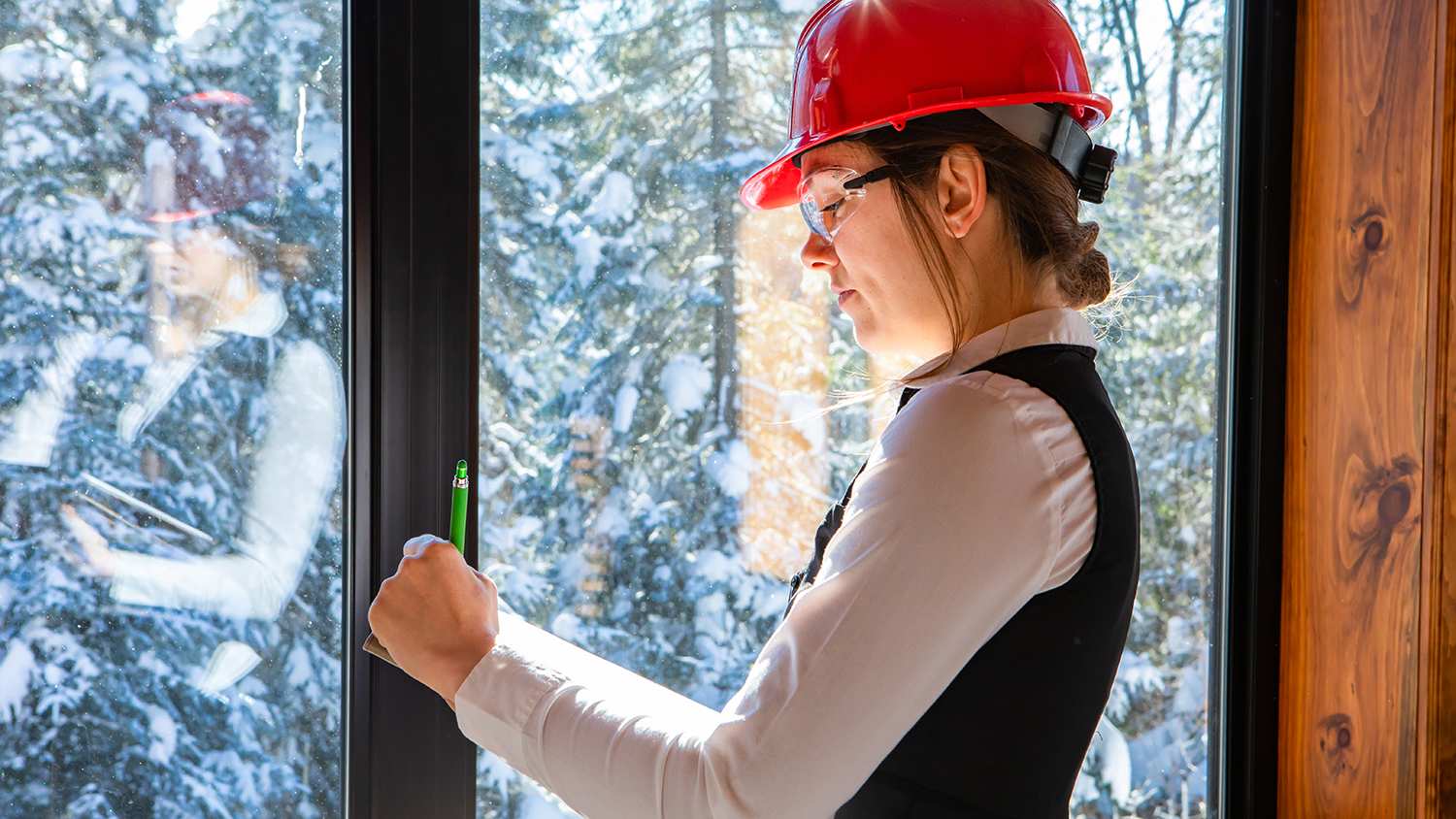
Find and hire a qualified home energy auditor with confidence. Learn what certifications to check, questions to ask, and how to choose the best pro for your audit.

Thinking about scheduling a home energy audit? Learn how to improve energy efficiency, lower your utility bills, and hire the right local pro for the job.

Wondering what an energy audit is and how it can help keep you safe? Keep reading to learn about home energy audits and how they can save you money.