The first step in fire damage restoration is having a pro come in right away to help control moisture (if authorities used water to extinguish a fire at your home). Skipping moisture removal puts your home at risk for invasive mold and rot that can cause added property damage and health issues. Once you have the bulk of the water out, you’ll need to run blower fans for 24 to 72 hours to remove moisture.
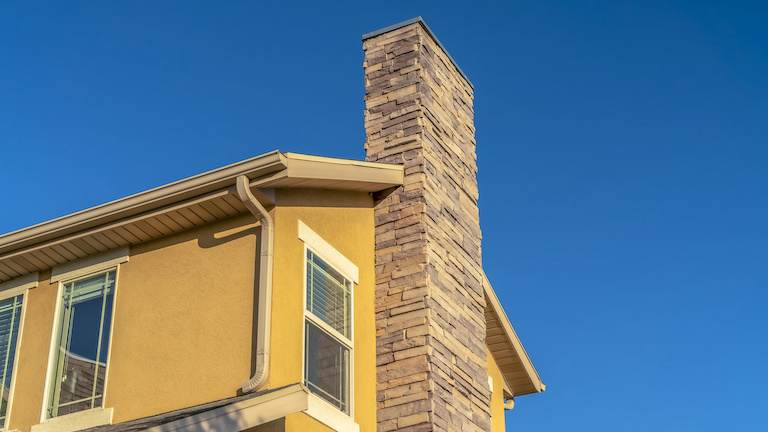
Neglecting to clean your chimney can lead to serious safety hazards. A primary risk is the buildup of creosote, a highly flammable substance that can ignite and cause a dangerous chimney fire. This buildup can also create blockages in the flue, resulting in poor venting of smoke, soot, and toxic gases like carbon monoxide, which can then enter your home and create dangerously poor indoor air quality. Additionally, creosote is acidic and can damage the chimney's mortar and metal components over time, potentially allowing smoke to leak into your house. To prevent these issues, it is essential to schedule an annual chimney cleaning with a professional.
Hazard insurance is the part of your overall homeowner's insurance policy that covers the structure of your home and other structures on your property, as well as any personal property within those structures. When a lender requires you to get hazard insurance for your new home purchase, they’re referring to a standard homeowner’s insurance policy.
Yes, most homeowners insurance policies cover fire damage and restoration, provided the fire was not set intentionally or caused by negligence. Accidental fires, such as those from electrical issues, cooking, or gas, are typically covered. Your policy will usually cover emergency services like roof tarping, the full cost of remediation and rebuilding, and may also cover alternative housing while your home is being restored. You will be responsible for paying your policy's deductible. It is important to check your policy details to see how coverage is calculated—it may be for the full replacement cost of damaged items or the actual cash value, which accounts for depreciation. To expedite your claim, contact your insurance company immediately and have all necessary documentation ready.
The timeline for smoke damage remediation can range from a single day to several months, depending on the extent of the damage, the size of the affected area, and the methods used. For minor damage, such as removing cigarette smoke odors from a single room, the process might take only one to two days and typically involves deep cleaning, painting, and sealing walls. Some methods, like ozone treatments, can take 24 to 48 hours, though multiple treatments may be necessary. More extensive smoke damage, such as from a house fire, can take three weeks or longer to clean and treat. If significant material restoration or replacement is needed, the timeline can extend to six to 12 months. A smoke damage restoration professional can provide a more accurate estimate for your specific situation.
The Wamsutter, WY homeowners’ guide to chimney sweeping services
From average costs to expert advice, get all the answers you need to get your job done.
Chimney liners are important for fire safety and energy efficiency in your home. Learn how much chimney liners cost based on type, size, material, and other factors.
Your chimney sweep may not wear a top hat and dance on the ceiling, but they will keep your home safe by providing chimney inspections and cleanings. Follow these steps to learn how to hire a qualified and trusted chimney sweep in your town.
Maintaining your chimney and fireplace is a priority if you love curling up in front of a fire on chilly nights. Here's what to know before hiring a chimney sweep.
Knowing what to look for in a professional chimney sweeping service will ensure you hire a legitimate contractor. Learn how to avoid chimney scams and hire someone reputable.