"The salesman and the contractor were awesome! Very good price, excellent timing and my system was installed in one day and done precisely and accurately! Best choice I’ve made!"
Central Vacuum Systems questions, answered by experts
Common repairs for central vacuum cleaners include motor repair, electrical repair, and blocked filters. Central vacuum motor issues typically come with a burning smell and loss of suction. With these issues, you might need simple lubrication to keep it running smoothly, or for more extreme problems, you could need a motor replacement.
Electrical problems or losing suction strength, might be reasons to swap out electrical components for new ones. However, a local central vacuum repair professional can tell you the best plan of action for your system.
It can be difficult to know right away if your central vacuum is clogged since it operates quietly compared to regular vacuums. However, there are a couple of signs you can look for. If you feel like it’s losing suction or isn’t cleaning effectively, then there’s likely a clog somewhere.
Make sure you turn the vacuum on and feel the end of the hose handle. If you don’t feel any suction, then you’re dealing with a clog in the hose. You can see if the clog is further down in the system by attaching the hose to each outlet until you find the one with the least amount of suction.
A central vacuum system can be a worthwhile investment depending on your needs and budget. While the upfront cost is higher than a traditional vacuum cleaner, it offers significant long-term benefits. These systems can save you time and make cleaning your home easier, as you only need to carry the hose and vacuum head, eliminating the need to lug a heavy unit up and down stairs. They also tend to operate more quietly and can improve indoor air quality. The convenience and performance over many years may make it a valuable addition to your home if you can budget for the initial installation.
They’ll use more electricity than the average upright vacuum, but not remarkably more. Most power units plug into a standard 120-volt outlet and don’t have significant power demands. You shouldn’t notice an increase in electricity bills. If you have any specific questions about energy costs, ask your installer as you examine purchase decisions. Larger power units will need more electricity for their suction levels.
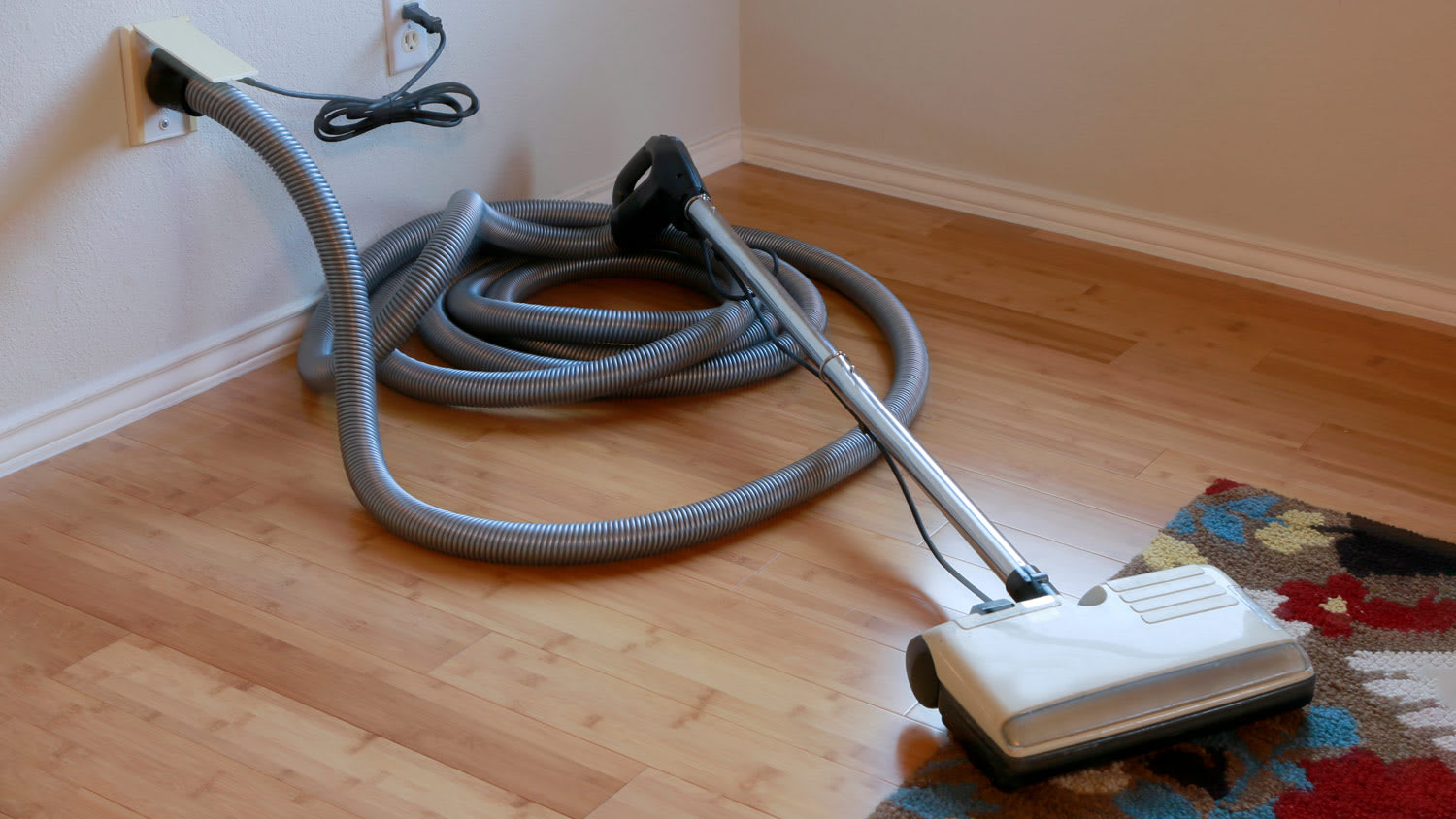
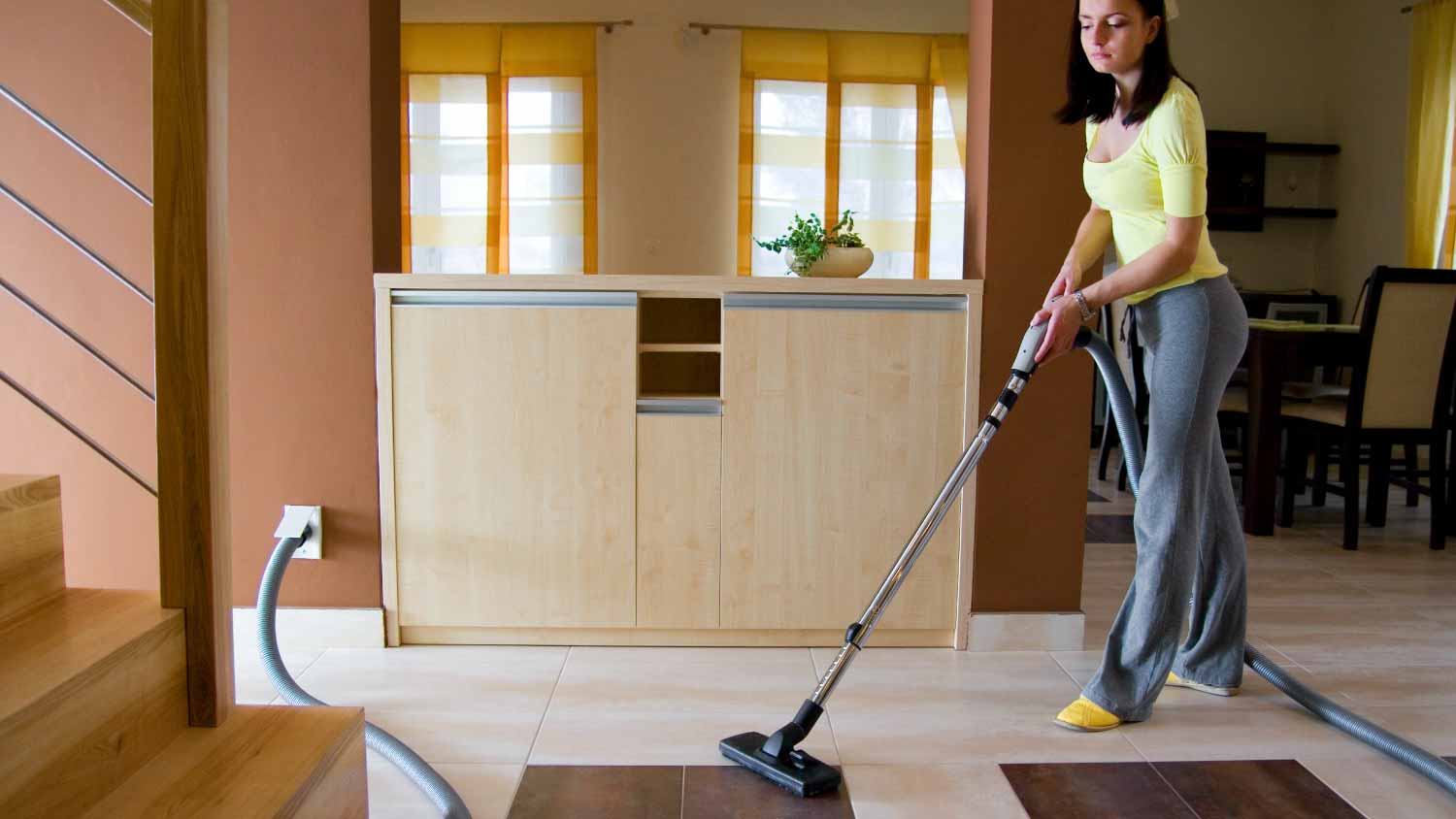
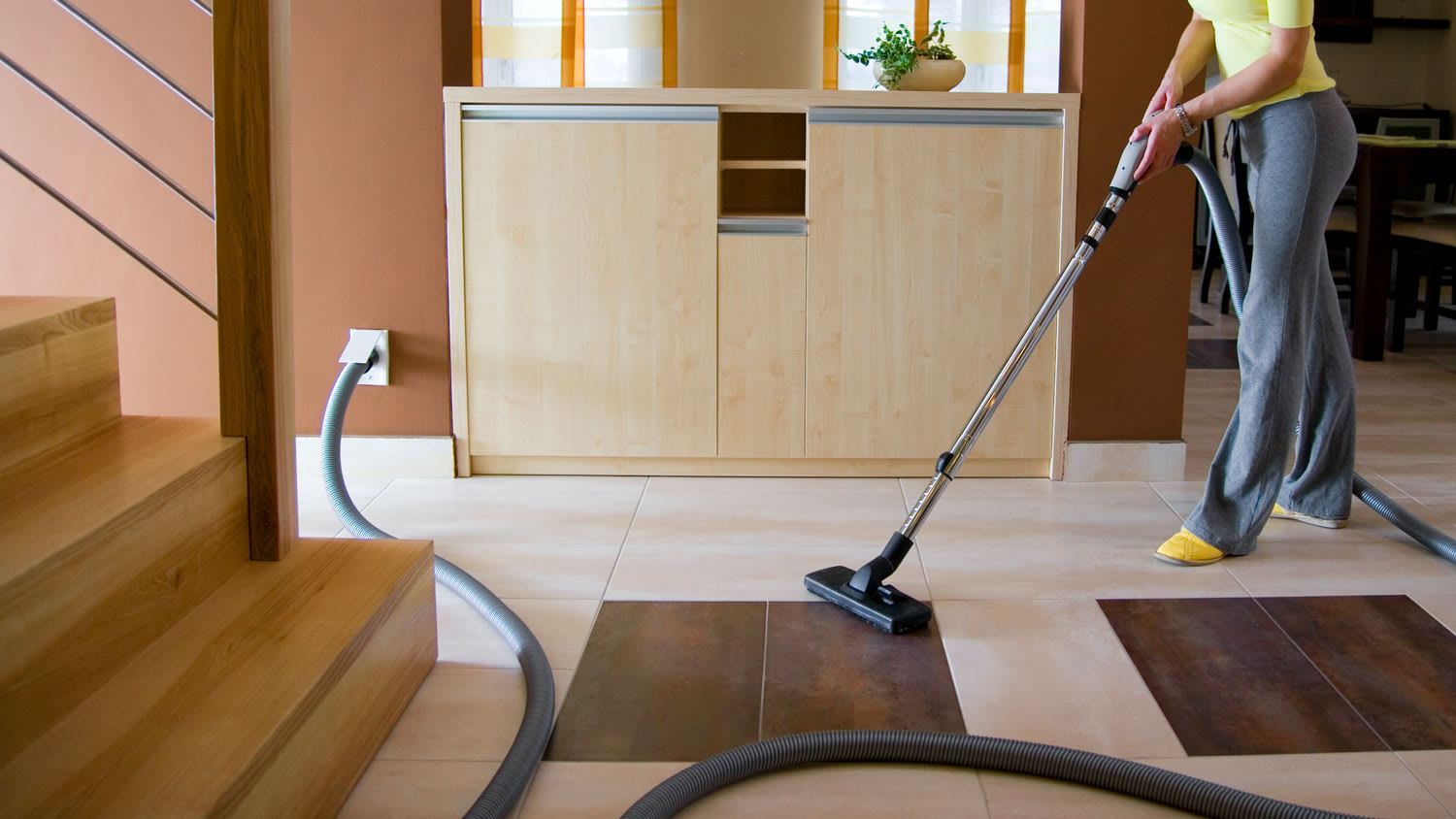
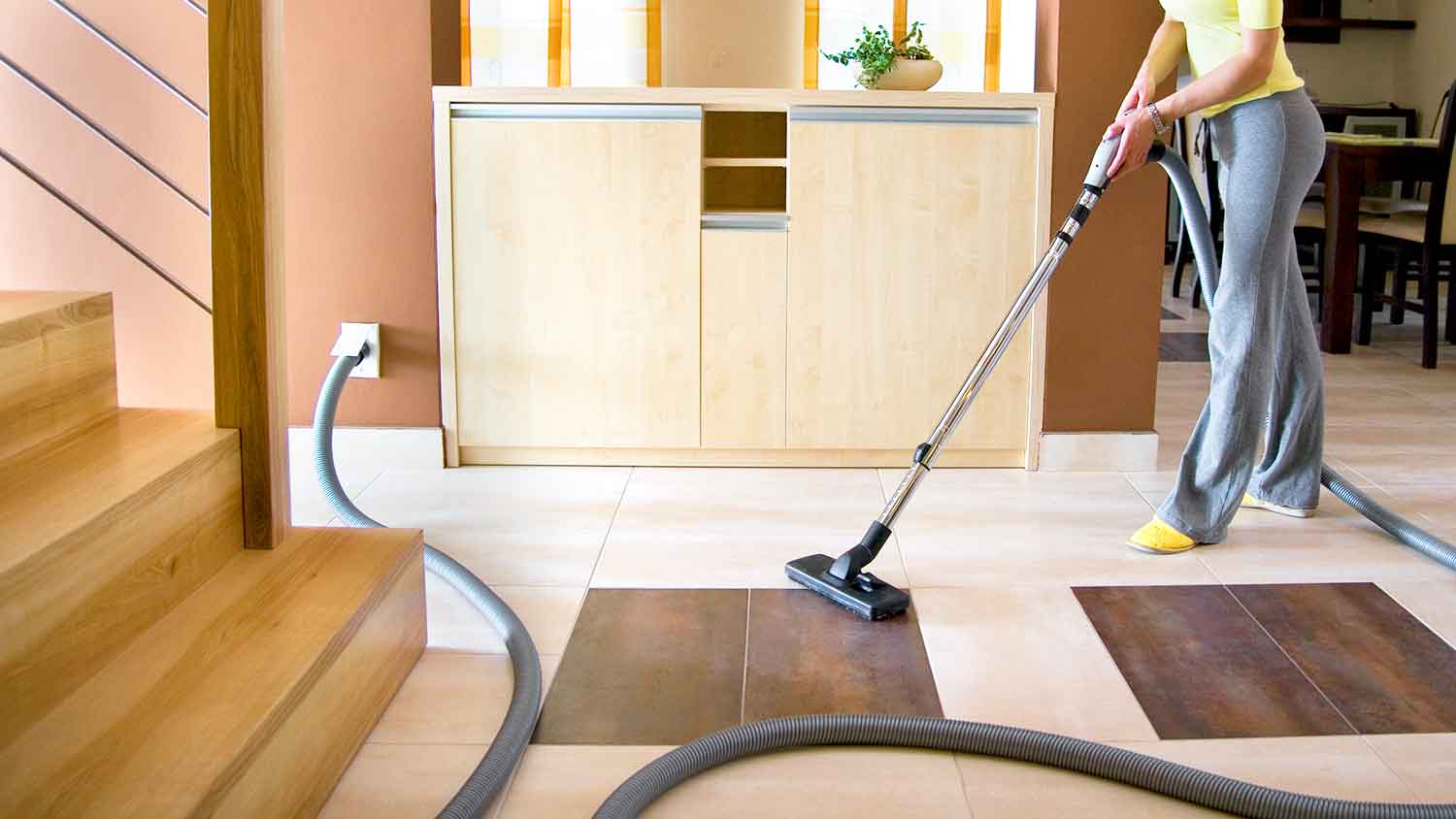
No. Only the hose or the attachments are portable in a central vacuum system. A portable vacuum is a standalone model like a stick, canister, or upright. A central vacuum system is defined by a central power unit, which is installed in one place like an AC unit, and the connected network of piping to funnel the suction.
The Wamsutter, WY homeowners’ guide to central vacuum system services
From average costs to expert advice, get all the answers you need to get your job done.
Get transparent information on central vacuum repair costs. Learn what impacts price, compare repair types, and see how to save on your central vacuum repair.
What is a central vacuum system? It can enhance your cleaning efficiency with ease—but is it right for your home? Learn pros, cons, installation costs, and more to make your decision.
A central vacuum system is a strong, durable, and effective alternative to traditional vacuums. Use this guide to determine whether or not a central vacuum is right for your home.