




Top-rated pool table assembly pros.

Best pool table assembly pros near Story, WY

Enter your zip and get matched with up to 5 pros

Need a pro for your pool table assembly project in Story, WY?

Select your specific project to find the pro for you.

TRUSTED BY STORY, WY HOMEOWNERS

  • Average homeowner rating star icon4.2
    Average homeowner rating
  • Verified reviews icon38
    Verified pool table assembly services reviews

Top-Rated Pool table assembly pros in Story - Updated Nov 2026

Avatar for 307 All Star Homes, LLC
307 All Star Homes, LLC
3.5(
2
)
Handyman for Multiple Small Projects

Serving Story, WY and surrounding areas

Approved

In business since 2005

Free estimates

Credit card accepted

307 All Star Homes, LLC is a locally owned and operated company that values honesty and integrity in all aspects of our business. Our dedicated team of professionals have several years of hands on experience to provide innovative ideas and suggestions tailored to your projects. Our services are customized to your individual needs, paying close attention to the details of each project that we are involved with. Please feel free to contact us today!

Response time1 day
Showing 1-10 of 38
Pool Table Assembly FAQs, answered by experts

Yes, you should keep your pool pump running when adding salt, and leave it running for 24 to 48 hours. This will help circulate the salt to ensure even distribution. You will want to turn off your pool’s salt chlorine generator before adding salt and leave it off until it fully dissolves. Check your manufacturer’s instructions for steps specific to your saltwater pool maintenance.

Yes, swimming in a pool with high calcium hardness is considered safe as long as you have sufficient chlorine and pH levels to keep bacteria growth under control. The main issue with high calcium hardness is that it damages your pool through rust and corrosion. However, if your water is hard enough to corrode your pool, you might want to consider finding methods to make it safe for drinking at home.

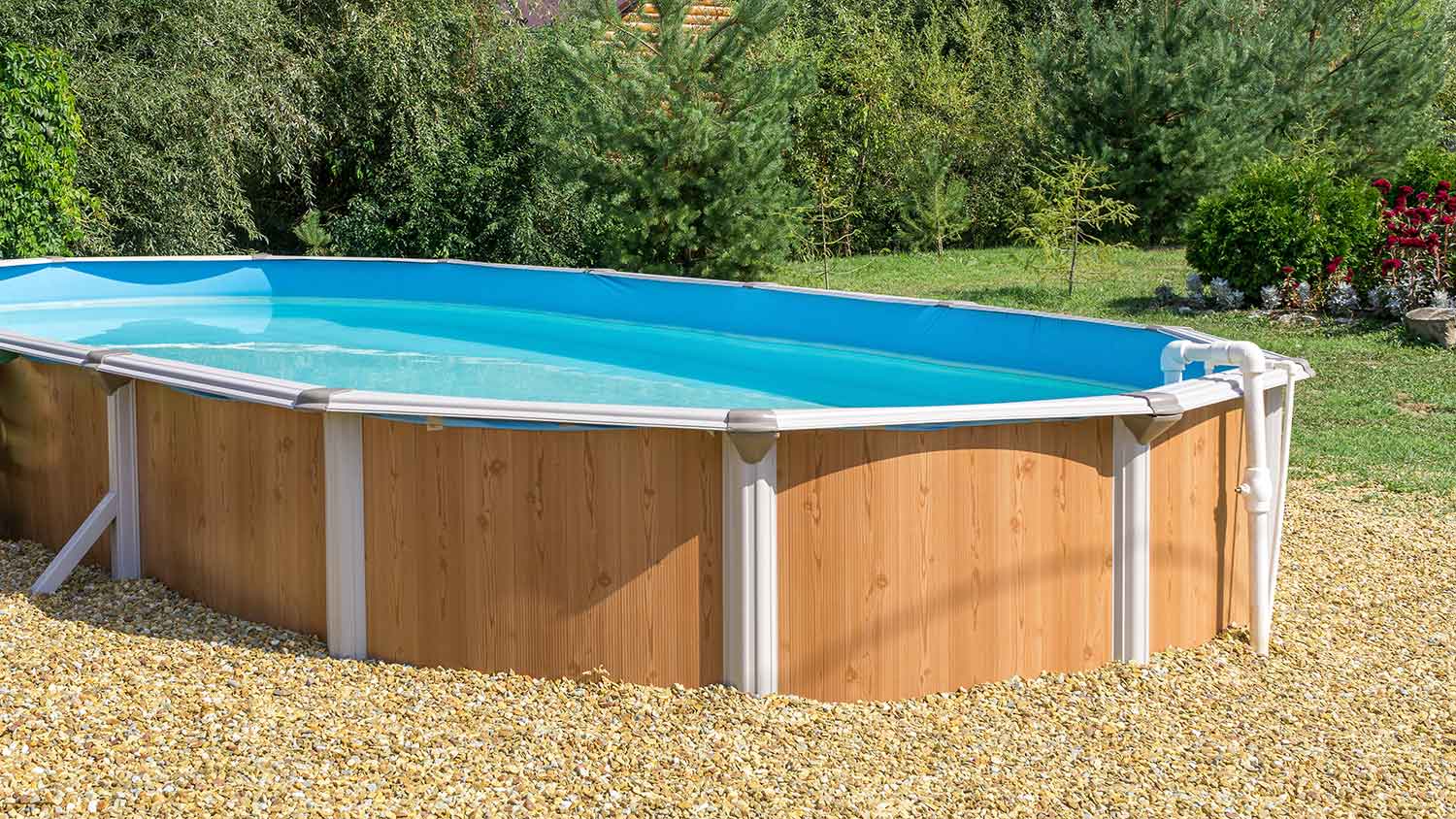
There are a few differences when it comes to winterizing above- vs. inground pools. Above ground pool winterization usually involves less hassle, time, and expense than the process for winterizing an inground pool. All the lines on an above ground pool are easy to access, making draining easier. Plus, above ground pools are typically smaller, meaning cleaning is quicker, and chemicals cost less.

You should always run your pool pump in freezing weather to keep the water moving. Doing so prevents the pool water from freezing and protects your pool from the damage that often comes along with frozen water. You should also run your pool pump when temperatures are approaching freezing, as a precaution. There’s no need to run a pool heater during the winter, as keeping water moving is generally enough to keep it from freezing.

A black tarp will indeed heat your pool. Black absorbs more heat than other colors. This heat will transfer down to the water in your pool and help increase the temperature. It will not be extremely effective at raising the overall temperature, but it can help maintain the current temperature.

The Story, WY homeowners’ guide to pool table assembly services

From average costs to expert advice, get all the answers you need to get your job done.