


Top-rated generator install pros.

Get matched with top generator install pros in Clark, WY

Enter your zip and get matched with up to 5 pros

Need a pro for your generator install project in Clark, WY?

Select your specific project to find the pro for you.

Find Generator install pros in Clark

Avatar for Target Electric - Home  Facebook
Target Electric - Home Facebook
4.5(
1
)
Fixed Generator - InstallFixed Generator - RepairGenerator - Install - For Business+1 more

Serving Clark, WY and surrounding areas

In business since 1990

Free estimates

We offer over 30 years of experience in the electrical industry. We take on a wide range of electrical projects to include full installation for additions and remodels as well as wiring and panel upgrades and a variety of other jobs. We are committed to providing a personalized service for each individual project we take on & look forward to building strong, long-term relationships with our clients and guarantee your satisfaction.

Personalized bar
Personalized bar
New Construction
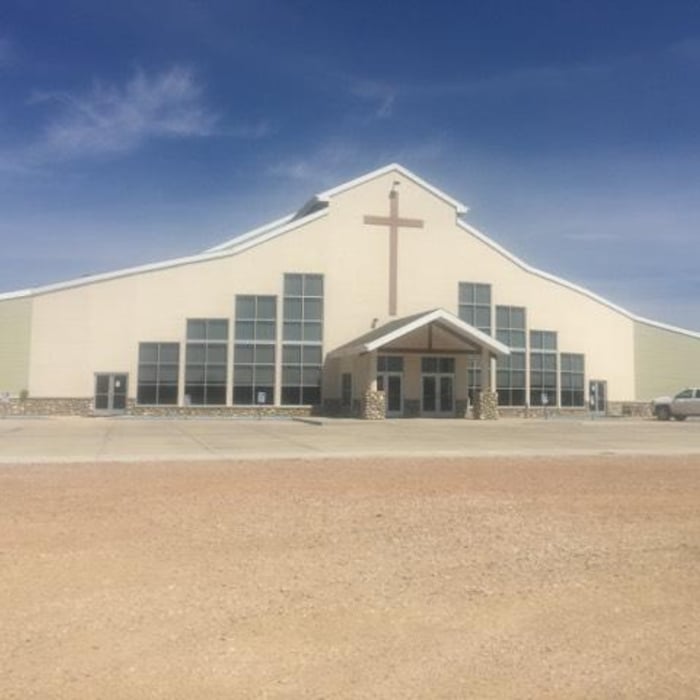
Family Life Church
Family :Life Church

+12

Response time10 mins
Recommended by100%of homeowners
Generator Install questions, answered by experts

Costs range from $500 to $2,500, depending on generator type and installation complexity.

To determine the right size generator for your house, you should calculate the total wattage of the appliances and devices you want to power during an outage. List all essential items, note their start-up wattages, and add them together.

Here are some typical wattage requirements for common appliances:

  • Refrigerator: 600 watts

  • Large dehumidifier: 700 watts

  • Large window air conditioner: 1,400 watts

  • Water heater: 3,000 to 4,500 watts

  • Electric furnace: 5,000 to 25,000 watts

A 7,500-watt generator might be sufficient for essentials like a refrigerator, freezer, well pump, and lighting circuits. However, for high-demand items like a water heater or furnace, a whole-home generator is a better choice. A portable generator may be enough if you only need to power a few critical items.

While home square footage can offer a rough estimate, it is not always a reliable indicator. For reference, here are some typical generator sizes based on square footage:

  • 1,000 sq ft: 6–9 kW

  • 1,500 sq ft: 7–10 kW

  • 2,000 sq ft: 10–14 kW

  • 2,500 sq ft: 12–16 kW

  • 3,000 sq ft: 16–20 kW+

For the most accurate sizing, consult a professional who can calculate your home's peak and average power consumption and recommend the optimal generator.

These advanced generators use a key fob or a smartphone app to remotely start, which is ideal for getting power back on immediately without venturing outside. This feature is more common on whole home generators, but you may be able to find it on large portable generators, too.

Portable generators provide backup power for essential appliances during outages and are easy to relocate.

Homeowners can often access federal tax credits, such as the Investment Tax Credit (ITC), which covers a percentage of installation costs. Many states and utilities offer additional rebates, grants, or performance-based incentives. These programs can significantly lower your upfront investment. Check the Database of State Incentives for Renewables and Efficiency (DSIRE) or contact your local energy office for current offers.

The Clark, WY homeowners’ guide to generator installs

From average costs to expert advice, get all the answers you need to get your job done.