




Top-rated landscapers.

Get matched with top landscapers in Casper, WY

Enter your zip and get matched with up to 5 pros

Need a pro for your landscaping project in Casper, WY?

Select your specific project to find the pro for you.

TRUSTED BY CASPER, WY HOMEOWNERS

  • Average homeowner rating star icon4.4
    Average homeowner rating
  • Verified reviews icon48
    Verified landscaping services reviews

Find Landscapers in Casper

Avatar for Bighorn Basin Construction LLC
Bighorn Basin Construction LLC
New to Angi

Serving Casper, WY and surrounding areas

Approved

Free estimates

Small jobs welcome

Offers commercial services

Reliable, detail-driven contractor with a strong work ethic and a reputation for getting the job done right the first time. I specialize in excavation, site prep, landscaping, hardscaping, and concrete work, bringing both skill and precision to every project? Big or small.

5 neighbors recently requested a quote
Iron Mountain Concrete
5.0(
1
)

Serving Casper, WY and surrounding areas

Approved

In business since 2009

Free estimates

Emergency services offered

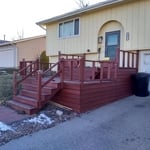
"Iron mountain was a great company to work with. They poured retaining walls, new concrete steps and sidewalks at my commercial building and the work is beautiful. They were great with the required schedules, performing work professionally, and keeping the job site cleaned up. I highly recommend them and will continue to use them on future projects."
Response time4 days
1 neighbors recently requested a quote
...
Showing 1-10 of 93
Landscaping questions, answered by experts

Yes, you can absolutely transplant bushes instead of removing them completely. The success depends on the size of the bushes, their age, and the transplanting season. Ideally, transplant during the dormant season (late fall or winter). Dig out the entire root system in one piece, fill the new hole with fresh soil and mulch, and water thoroughly after planting.

Grass is the most popular and safest option for planting over a septic drain field, but you can also plant small flowering plants and other lightweight plants that don’t have woody or deep roots. Avoid trees and bushes within 10 feet of the field, as the woody roots can crack the perforated pipes. You should also avoid planting vegetable or fruit gardens over your drain field, as a leak from the pipes could contaminate the soil and put anyone who eats the produce at risk.

As much as you might try to keep a healthy, nutrient-rich lawn, you still may notice signs of St. Augustine decline (SAD)—a viral disease that discolors your grass blades. St. Augustine decline looks like:

  • Discoloration in the leaves (chlorosis)—leaves appear yellow and splotchy

  • Decline in growth

  • Leaves turn black within 3 years

  • Grass appears less vibrant

  • Grass begins to thin

  • Root rot

  • Grass takes longer to recover

While you can leave roots in the ground, if you don’t want the shrub to regrow again over time, it’s best not to leave any roots behind. Ensure you remove as much of the shrub as possible, including the root ball and any main roots you can see, to prevent new growth. Some gardeners opt for using a chemical treatment to prevent the stump from growing back, but this can kill beneficial microorganisms living in your soil.

If you don’t like the way your empty drainage ditch looks, reach out to a local landscaping professional to discuss your options. They may be able to liven it up with plants, stones, bushes, or other decorative elements. You can also add your own landscaping, but you should first make sure that it won’t block your ditch or prevent it from operating effectively.

The Casper, WY homeowners’ guide to landscaping services

From average costs to expert advice, get all the answers you need to get your job done.