"Kasey (Dueling Aces) built our Trex Front Porch Deck and installed rain gutters, did an excellent job and were right on time. Kasey and his staff were courteous, professional and friendly. I will have Kasey back for more improvements and additions and I recommend Dueling Aces to anyone."
One shot excavation provides quality work. Work that speaks for itself no shortcuts no cutting corners just the best in the game!! I Hugo payan am the bussiness owner an operate it.
We are a locally owned and operated company with 30+ years of grading experience. We pride ourselves on the quality of our work as well as our commitment to outstanding results. We look forward to building lasting relationships with our clients and guarantee your satisfaction!
We have the experience and dedication to get the job done right! Specializing in Roofing services; We guarantee your satisfaction, and we won't leave until the job is done right. We pride ourselves on the quality work we provide, while delivering great customer service! \n\nCall or click for your FREE estimate today! \n\nWe Provide every Service you can think of From Concrete Flatwork/Foundations/Curbs \n\nWe provide Roofing services to satisfy Homeowners .
We're dedicated to providing our clients with the very best in concrete installation and repair for driveways, sidewalks, patios, steps, and a variety of other projects. We take enormous amount of pride in the attention to detail put into each of the projects we're involved with. We're known for our quality work and the integrity of our business. We look forward to building long-term relationships with our clients, and guarantee your satisfaction.\n\n
New asphalt goes through two stages: drying and curing. Drying typically takes 24 to 72 hours, after which the surface is solid enough for light use like walking or careful driving. While you may be able to park on it after 72 hours, the surface is still soft and should be treated gently. Full curing is a much longer process, taking anywhere from 30 days to a full year for the asphalt to reach maximum strength. During this extended curing period, the asphalt is susceptible to damage from heavy vehicles, sharp objects, and high temperatures. Factors like weather, the specific asphalt mix, and application thickness all influence drying and curing times. For the most accurate timeline and to ensure the longevity of your new asphalt, it is always best to consult with your installation contractor for their specific recommendations.
Three inches is a great thickness for a residential asphalt driveway that sees minimal to moderate traffic from cars, SUVs, and pickup trucks. However, a thicker driveway can better withstand the weight of a heavier vehicle, such as a trailer or a recreational vehicle. If you drive a heavy vehicle on a thin driveway, you risk cracking and damaging it.
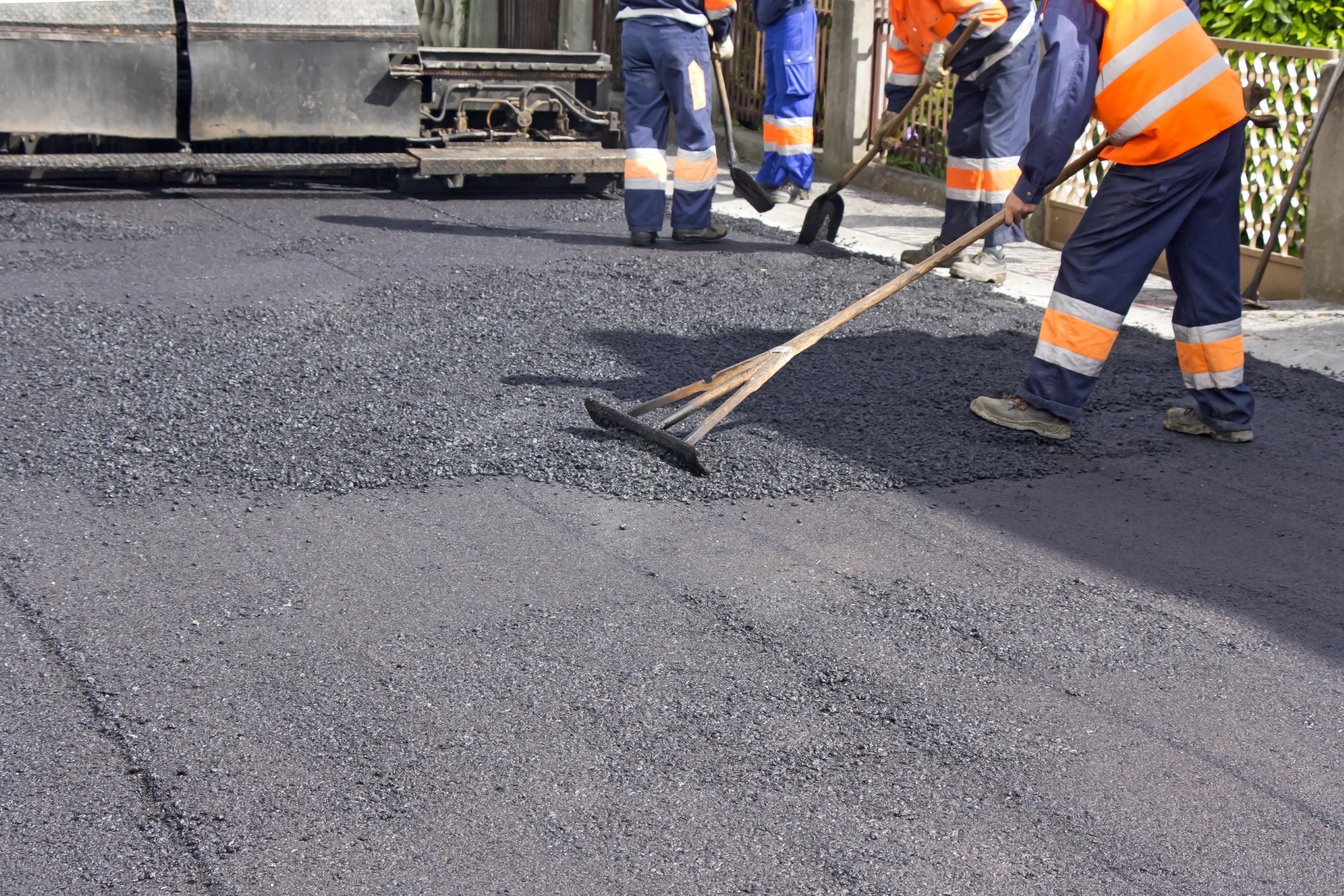
Professionals ensure a solid base and smooth finish, enhancing durability and appearance.
A driveway's lifespan varies by material. Asphalt driveways typically last 15 to 30 years, while concrete driveways last longer, between 20 and 50 years. The longevity of any driveway is affected by factors like extreme temperatures, heavy traffic, and the quality of maintenance. Regular upkeep, such as filling cracks, resealing the surface, and ensuring proper drainage, can help extend its life. For gravel driveways, regrading to fill in uneven areas every year or two is recommended.
While paving a driveway is possible to do as a DIY project, we don’t recommend it. Hiring a driveway professional to pave it will ensure that your driveway looks neat and clean and lasts for years to come, and it will also prevent a weak driveway and, potentially, damage to your foundation. Paving a driveway requires heavy machinery, and while you can rent the equipment needed, operating it close to your garage slab or around your home’s foundation can crack it and lead to structural issues.
The Baggs, WY homeowners’ guide to asphalt driveway services
From average costs to expert advice, get all the answers you need to get your job done.
Adding a new asphalt driveway to your home can boost its overall appearance and give homeowners a nice ROI down the line. But how long do asphalt driveways last, and what can you do to maximize their lifespans? Read this guide to find out.