"I only use James when I need some work done to my house. He responds fast, gets the work done quicker than just about anyone else I've ever used and seems very concerned with leaving his customers happy."
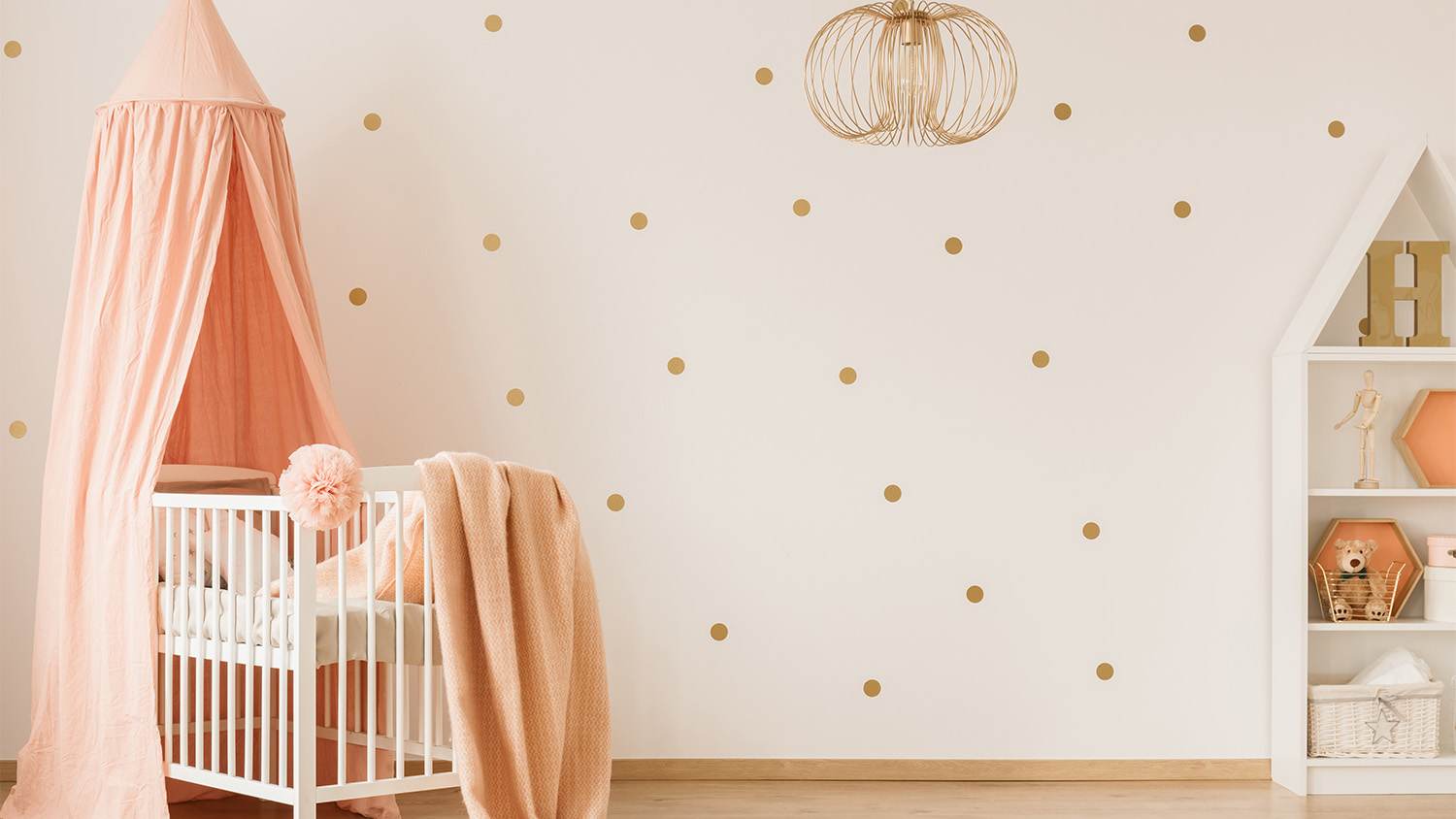
To pair a unique sense of style with white walls, keep them well-decorated. Hang vibrant art or bold furniture to add color to the room. Add some texture and greenery to the space with plants. Choose accent pieces such as throw pillows or light fixtures with patterns. Having a white wall can be a plus as it allows homeowners to easily decorate their homes as they desire without worrying about clashing with the paint color.
Yes, but professional services ensure secure installation, accurate leveling, and protection against wall damage, especially for heavy or valuable items.
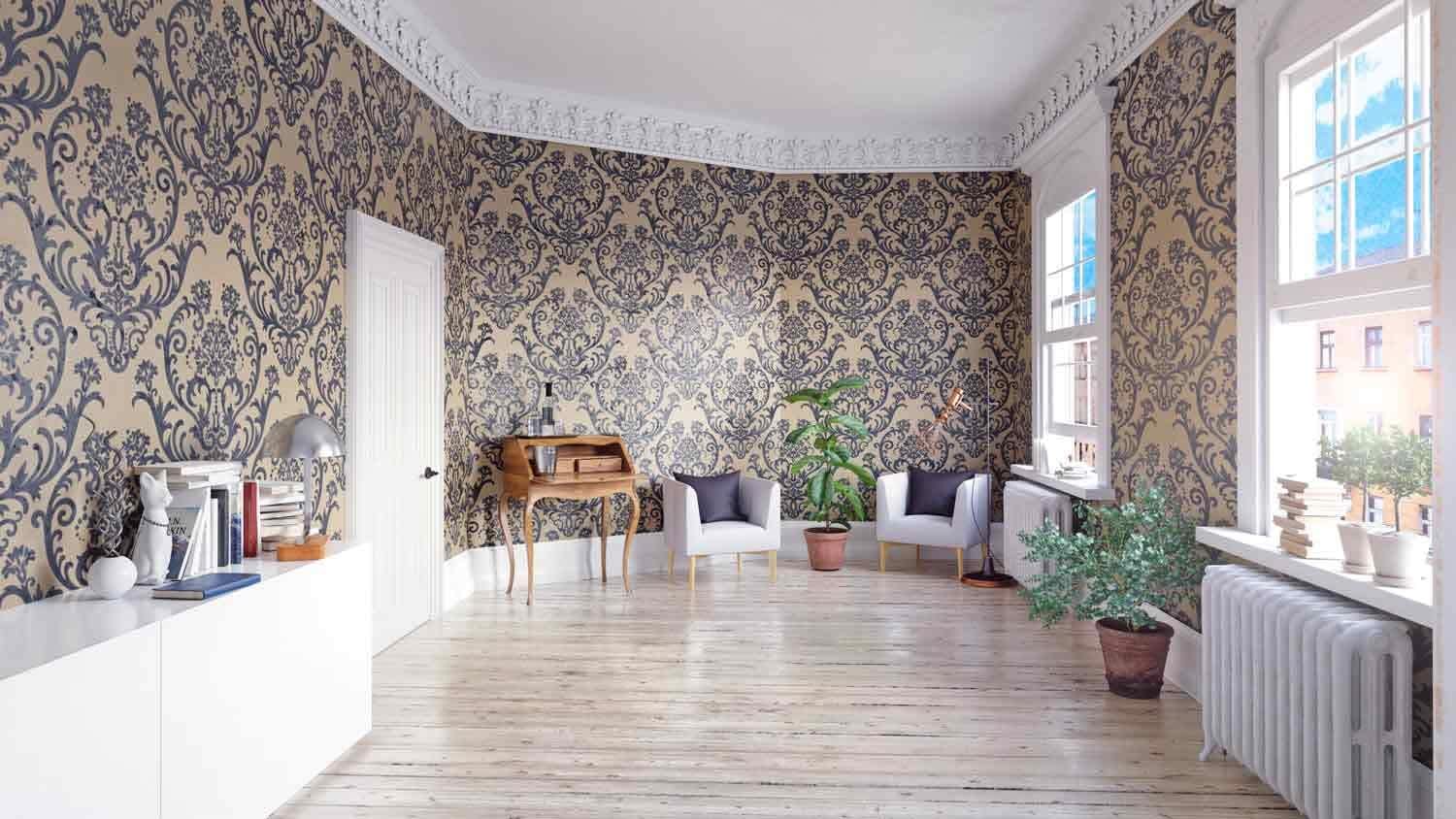
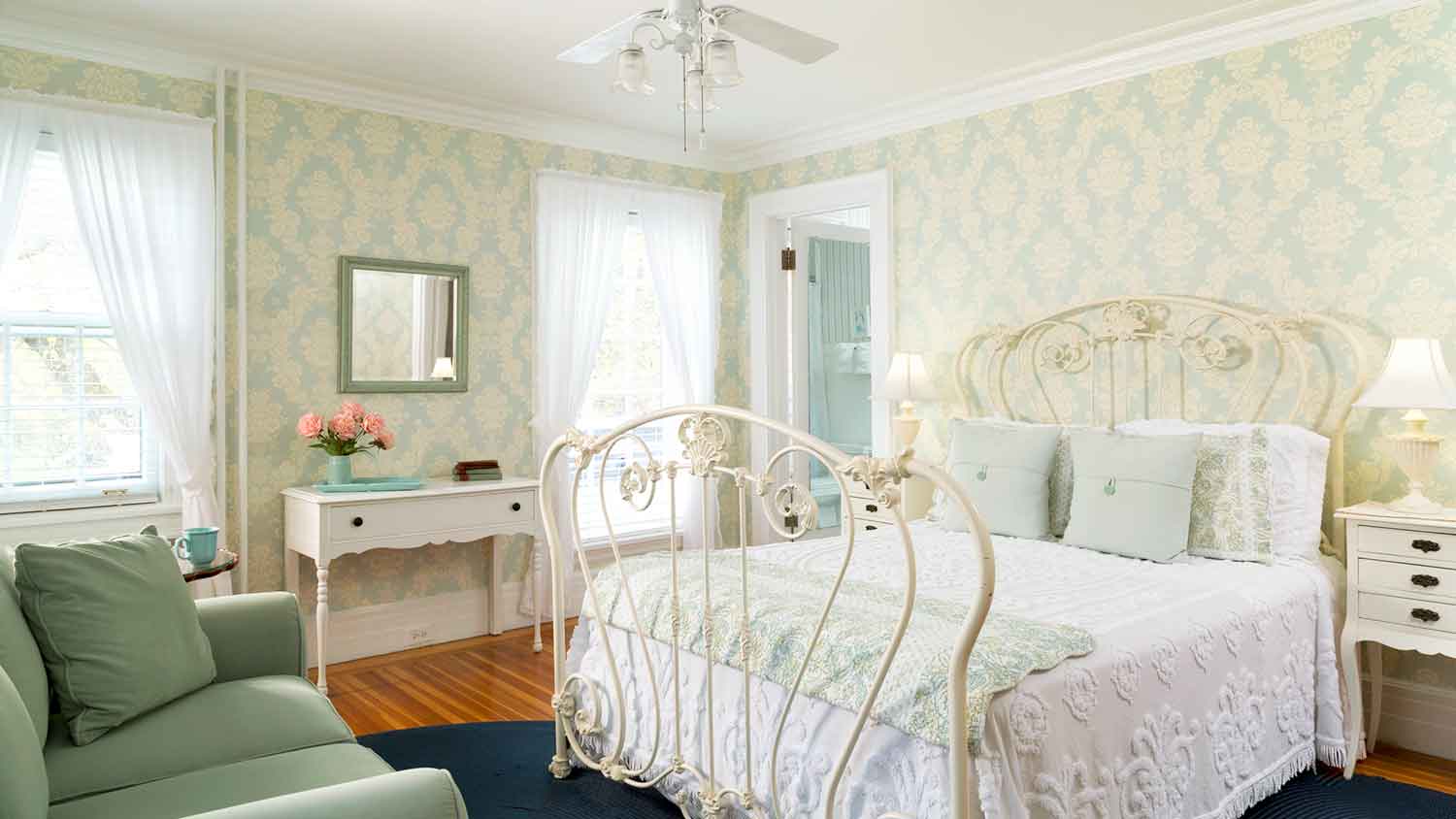
We don’t recommend wallpapering over older paper. That’s because creating layers of glue can invite bubbling or excess moisture on the wall’s surface. You should also prime your wall before applying wallpaper and smooth the wall as much as you can, and another layer of wallpaper complicates this process.
If you prefer peel-and-stick to traditional wallpaper, you can skip the priming process. Many manufacturers don't require an additional primer if you’re installing peel-and-stick wallpaper to painted walls. However, if you’re applying peel-and-stick wallpaper to unfinished drywall, you’ll need to apply a primer first.
When comparing peel-and-stick and traditional wallpaper, the better choice depends on your specific needs and space. Peel-and-stick wallpaper is more budget-friendly and easier to DIY install. On the other hand, traditional wallpaper lasts much longer and holds up better in a wider variety of spaces, including areas with moisture like kitchens and bathrooms.
The Williamstown, WV homeowners’ guide to wallpaper services
From average costs to expert advice, get all the answers you need to get your job done.
Discover wallpaper installation cost. Learn about material, labor, and project factors to estimate your budget and make informed choices for your home.
Whether you can put wallpaper over wallpaper depends on the type of paper you’re using and the condition of the existing surface. Learn more with this guide.