

Top-rated generator install pros.

Get matched with top generator install pros in Williamstown, WV

Enter your zip and get matched with up to 5 pros

Need a pro for your generator install project in Williamstown, WV?

Select your specific project to find the pro for you.

Find Generator install pros in Williamstown

Avatar for John Templeton
John Templeton
4.8(
20
)
Fixed Generator - InstallGenerator - Install - For BusinessPortable Generator - Install

Serving Williamstown, WV and surrounding areas

In business since 2020

Free estimates

Emergency services offered

"John came when he said he would come and did what he said he would do. This in itself is amazing. He was courteous and worked extremely hard to finish the job on time. The price was very fair. I would highly recommend John Templeton for your electrical work."
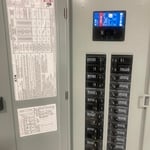
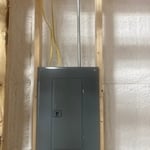
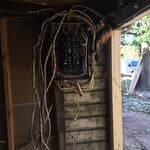
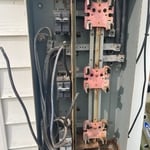
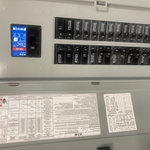
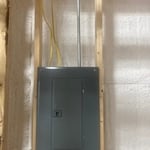
Old farmhouse panel before
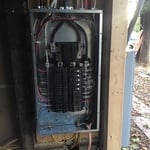
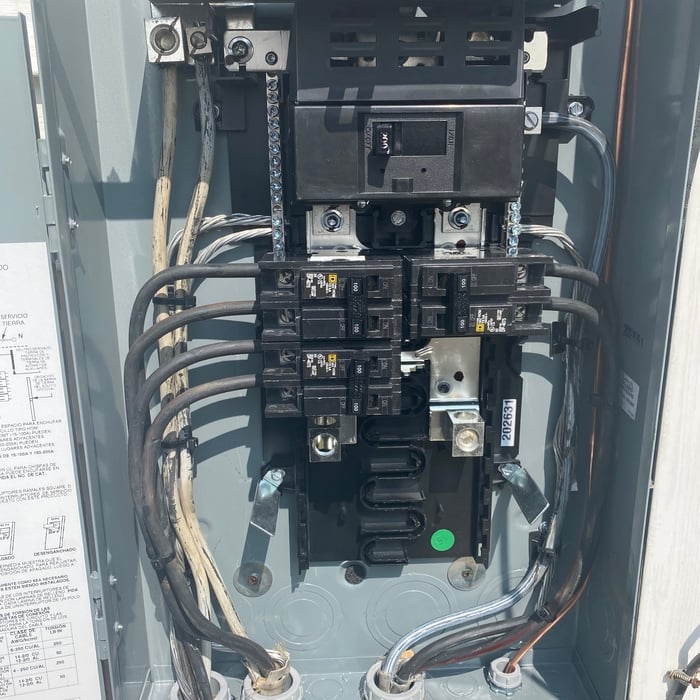
New Farmhouse panel after
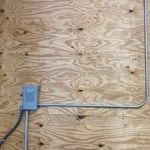
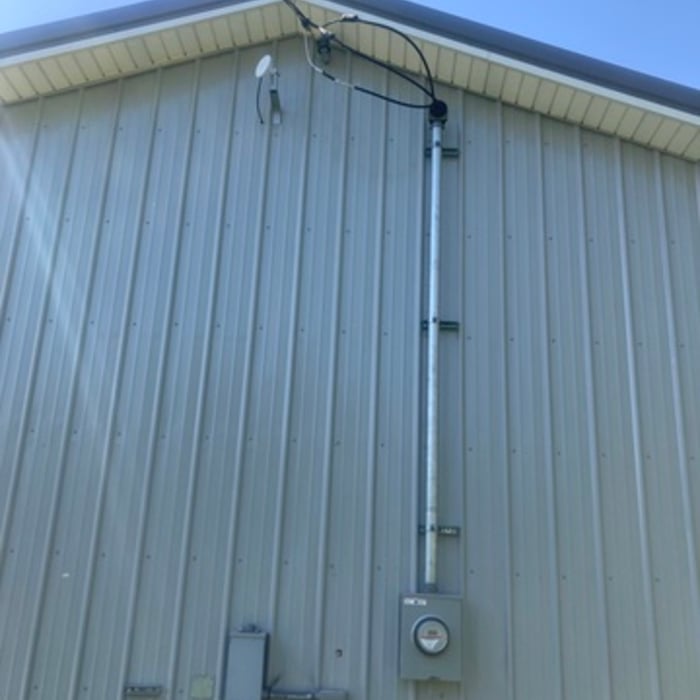
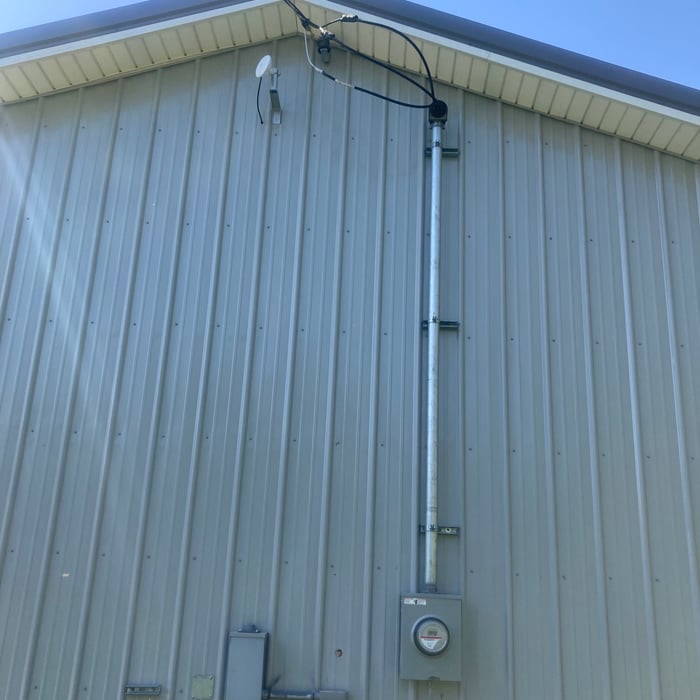
Old Meter
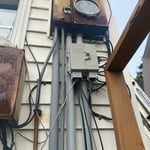
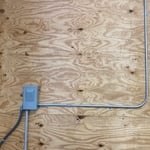
Inside old Meter
Inside New Meter Box after Upgrade

+21

Response time5 hrs
Recommended by100%of homeowners

Fishers of Men Generator Repair
5.0(
2
)
Fixed Generator - RepairGenerator - Repair - For Business

Serving Williamstown, WV and surrounding areas

In business since 2018

Free estimates

Credit card accepted

"I am more than pleased with the service I received from this company. Nathan is by far a caring human being. When the big companies couldnâ t help me out, he was there to service My Generac and he has been there ever since whenever I need him. Iâ ve been using this company for at least the last four years. And will continue to gladly call him when needed."
Response time5 hrs
Recommended by100%of homeowners
Showing 1-10 of 14
Generator Install questions, answered by experts

No, you should never plug a generator directly into a wall outlet in your house. This practice is extremely dangerous, often illegal, and can cause "back-feeding," where power from the generator flows back into utility lines, creating a life-threatening hazard for utility workers. It can also damage your home's electrical system, including appliances like pumps and HVAC fans. If the main power is restored while the generator is connected, it can destroy the generator and cause an electrical fire. To safely connect a generator, you must use a professionally installed transfer switch or an interlocking kit, which prevents back-feeding by disconnecting your home from the utility grid before the generator provides power.

Generators are safe to use as long as they are installed and operated correctly according to the manufacturer's recommendations. The most critical safety tips are to never use a portable or fuel-powered generator inside an enclosed space due to the risk of lethal carbon monoxide poisoning; always operate it outdoors where fumes can dissipate away from your home. Additionally, never attempt to connect a generator to your home’s electrical panel yourself—hire a professional to ensure the setup meets safety standards. Finally, avoid overloading the generator by not connecting more appliances than it is rated for, as this can damage your equipment or cause a fire.

To power a central air system during a power outage, the whole-house generator will need to be at least 5,000 watts, and this number will significantly increase for larger units. Check the specific wattage requirements of your AC unit to choose the right generator size. Consider consulting a generator installer to ensure your whole-house generator meets your electrical load needs.

It might seem counterintuitive, but installing a generator transfer switch will save you money in the long run. While you’ll have to pay between $400 and $2,500 to have the transfer switch installed, you’ll recoup that amount later on when you don’t have to pay for expensive repairs to your appliances, devices, and electrical system that may have burned out, overloaded, or stopped working due to a sudden loss of power or an incorrect hook up of a generator to your home

Generally, you’ll want to keep between 60 and 70 feet between the generator and the transfer switch. There are a few reasons for this, including:

  • The distance reduces the noise coming from the generator into your home.

  • It increases efficiency because you won’t have a voltage drop from this short of a distance.

  • Prevents carbon monoxide poisoning: keep at least 15 feet between your generator and an open window. 

The Williamstown, WV homeowners’ guide to generator installs

From average costs to expert advice, get all the answers you need to get your job done.