



Top-rated generator install pros.

Get matched with top generator install pros in Boaz, WV

Enter your zip and get matched with up to 5 pros

Need a pro for your generator install project in Boaz, WV?

Select your specific project to find the pro for you.

Find Generator install pros in Boaz

Avatar for John Templeton
John Templeton
4.8(
20
)
Fixed Generator - InstallGenerator - Install - For BusinessPortable Generator - Install

Serving Boaz, WV and surrounding areas

In business since 2020

Free estimates

Emergency services offered

"John came when he said he would come and did what he said he would do. This in itself is amazing. He was courteous and worked extremely hard to finish the job on time. The price was very fair. I would highly recommend John Templeton for your electrical work."
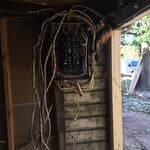
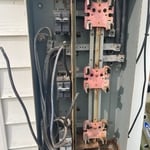
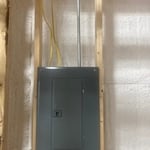
Old farmhouse panel before
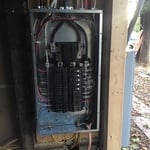
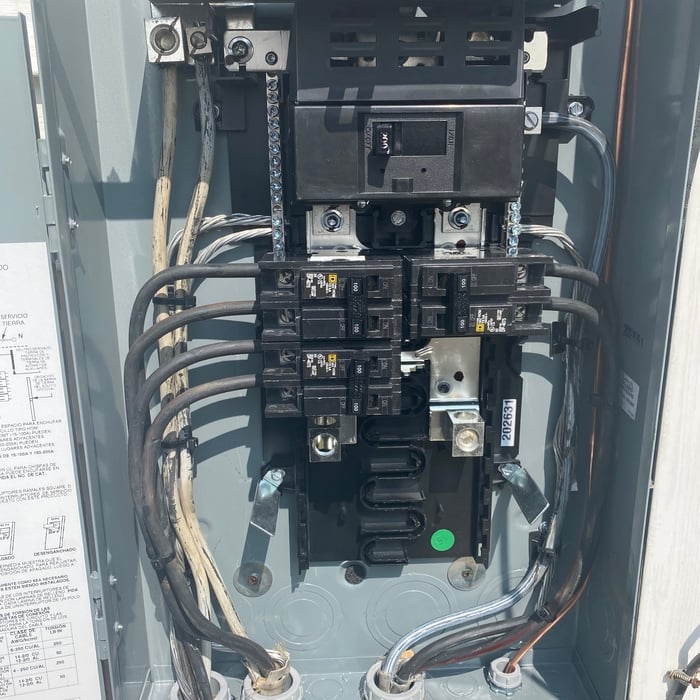
New Farmhouse panel after
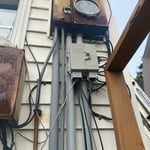
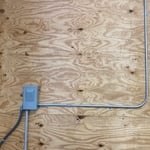
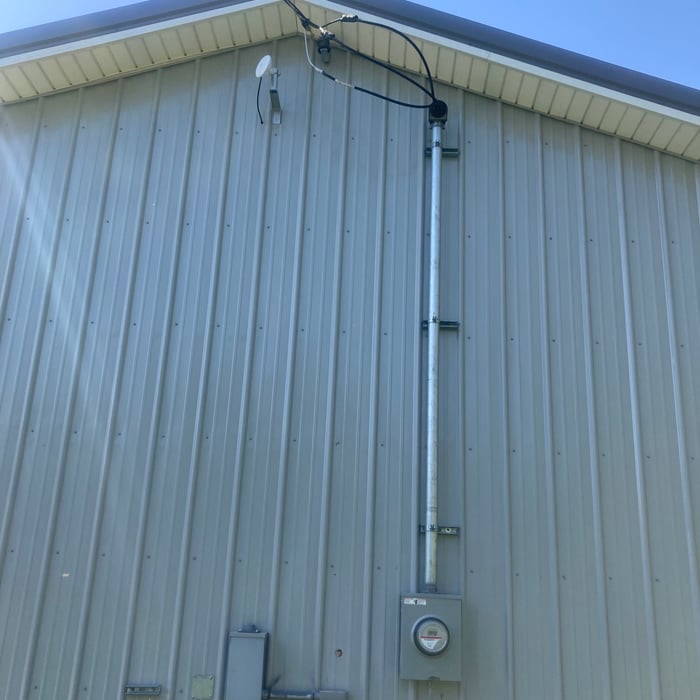
Old Meter
Inside old Meter
Inside New Meter Box after Upgrade

+21

Response time5 hrs
Recommended by100%of homeowners

Fishers of Men Generator Repair
5.0(
2
)
Fixed Generator - RepairGenerator - Repair - For Business

Serving Boaz, WV and surrounding areas

In business since 2018

Free estimates

Credit card accepted

"I am more than pleased with the service I received from this company. Nathan is by far a caring human being. When the big companies couldnâ t help me out, he was there to service My Generac and he has been there ever since whenever I need him. Iâ ve been using this company for at least the last four years. And will continue to gladly call him when needed."
Response time5 hrs
Recommended by100%of homeowners
Showing 1-10 of 14
Generator Install questions, answered by experts

The average cost to install a home generator is $5,200, but total costs can range from $500 to $18,000 or more. The final price depends on several factors, including the generator's size, type, brand, fuel source, and the cost of labor and assembly. The generator's size is the most significant cost factor, as units that can power larger homes with higher energy demands cost more.

Cost breakdowns by generator type are typically as follows:

  • Portable or Emergency Backup Generators (1kW–7.5kW): $500–$2,000

  • Partial-Home Generators (9kW–20kW): $2,000–$6,500

  • Whole-House Generators (22kW–48kW): $5,000–$18,000

To ensure you get the right size unit for your needs without overpaying, consider hiring an electrician to calculate the electrical load of your essential appliances. It is also recommended to get at least three quotes from qualified installers to find the best fit for your budget.

Generally, you’ll want to keep between 60 and 70 feet between the generator and the transfer switch. There are a few reasons for this, including:

  • The distance reduces the noise coming from the generator into your home.

  • It increases efficiency because you won’t have a voltage drop from this short of a distance.

  • Prevents carbon monoxide poisoning: keep at least 15 feet between your generator and an open window. 

If you’re wondering if you can use your electric vehicle as a backup battery, it depends on whether your EV is compatible with bidirectional charging. This technology allows energy to flow both ways, enabling vehicle-to-home (V2H) backup power, vehicle-to-load (V2L) for appliances and camping, and vehicle-to-grid (V2G) to support the power grid. Compatible EVs convert stored DC energy into usable AC power, helping reduce energy costs and enhance grid stability while providing emergency backup power.

As a safety measure, you should always turn off the main breaker while operating your generator’s backup breaker. In addition, you should also switch off all appliance breakers so you don't have a power surge when the main breaker turns back on. And finally, turning off the main breaker prevents back-feeding, which endangers utility workers with the risk of electrocution. Back-feeding could also destroy the electrical circuits of your neighbors if they use the same power network.

To determine the right size generator for your house, you should calculate the total wattage of the appliances and devices you want to power during an outage. List all essential items, note their start-up wattages, and add them together.

Here are some typical wattage requirements for common appliances:

  • Refrigerator: 600 watts

  • Large dehumidifier: 700 watts

  • Large window air conditioner: 1,400 watts

  • Water heater: 3,000 to 4,500 watts

  • Electric furnace: 5,000 to 25,000 watts

A 7,500-watt generator might be sufficient for essentials like a refrigerator, freezer, well pump, and lighting circuits. However, for high-demand items like a water heater or furnace, a whole-home generator is a better choice. A portable generator may be enough if you only need to power a few critical items.

While home square footage can offer a rough estimate, it is not always a reliable indicator. For reference, here are some typical generator sizes based on square footage:

  • 1,000 sq ft: 6–9 kW

  • 1,500 sq ft: 7–10 kW

  • 2,000 sq ft: 10–14 kW

  • 2,500 sq ft: 12–16 kW

  • 3,000 sq ft: 16–20 kW+

For the most accurate sizing, consult a professional who can calculate your home's peak and average power consumption and recommend the optimal generator.

The Boaz, WV homeowners’ guide to generator installs

From average costs to expert advice, get all the answers you need to get your job done.