





Top-rated excavation pros.

Get matched with top excavation pros in Stanaford, WV

Enter your zip and get matched with up to 5 pros

Need a pro for your excavation project in Stanaford, WV?

Select your specific project to find the pro for you.

Find Excavation pros in Stanaford

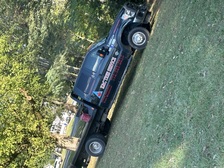
Helton Grading, Inc.
New to Angi
Building Site - Preparation and Clearing

Serving Stanaford, WV and surrounding areas

Approved

In business since 1981

Free estimates

Credit card accepted

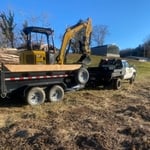
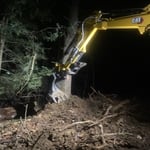
HELTON GRADING INC is committed to excellence in every aspect of our business. We uphold a standard of integrity bound by fairness, honesty, and personal responsibility. Our distinction is the quality of service we bring to our customers. Accurate knowledge of our trade combined with ability is what makes us true professionals. Above all, we are watchful of our customers' interests and make their concerns the basis of our business.

Avatar for Wandless Excavating and Lawn Care
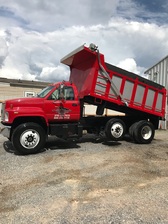
Wandless Excavating and Lawn Care
5.0(
6
)
Building Site - Preparation and ClearingBuilding Site - Preparation and Clearing - For BusinessExcavation - Major Grading or Resloping+2 more

Serving Stanaford, WV and surrounding areas

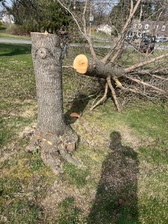
"Tyler is a dedicated professional. He wasn’t finished with the work until he knew that I was completely satisfied. Tyler is always pleasant and has an upbeat and at times a funny personality. I plan to hire Tyler for several more projects this year because then I can be assured they will be done correctly."
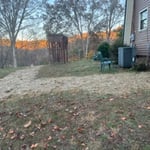
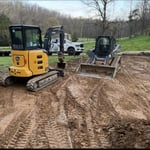
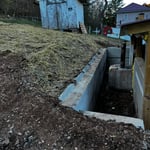
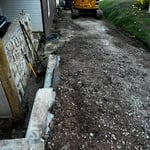
Additional Photos
Additional Photos
Additional Photos
Additional Photos
Recommended by100%of homeowners

Showing 1-10 of 28
Excavating questions, answered by experts

Yes, you can excavate in the winter, but it might make the job harder. Frozen ground is harder to dig, and snow or ice can make the work site more hazardous. A contractor may need special equipment and techniques, such as ground-thawing methods, to break through frozen soil. Although winter excavation is possible, it may take longer and be more costly than excavating during warmer months.

How deep your septic system needs to be into the ground depends on several factors. In extremely cold environments, the tank needs to rest below the maximum frost line, which can be up to six or eight feet deep. The standard burying depth for most systems is between a few inches and four feet below ground level. Depth can also depend on the slope of the landscaping and other property variables. 

There is no standard depth for burying a septic tank; they are typically buried anywhere from 4 inches to 4 feet underground. The final depth depends on several factors, including the depth of your main sewer line, the height of the bedrock, soil type, local regulations, and the property's landscape. If you plan to grow grass or plants over the tank, a depth of at least 4 to 6 inches is recommended. Deeper tanks can be more difficult to locate, but a septic professional can help find it for you.

Chipmunks dig their burrows about three feet deep and up to 30 feet long. The entrances can be two inches wide or more. Chipmunks are fiercely protective of their burrows and use them to protect the nuts and seeds they gather for the long winters.

A walk-behind trencher can cut through roots as long as they’re not too thick, making a project much easier than digging with a shovel and other hand tools. Assess your terrain and the number of trees in the surrounding area to determine if a walk-behind trencher will ease the job. Digging a trench by hand is much more time-consuming and labor-intensive. 

The Stanaford, WV homeowners’ guide to excavation services

From average costs to expert advice, get all the answers you need to get your job done.