

Top-rated excavation pros.

Get matched with top excavation pros in MacArthur, WV

Enter your zip and get matched with up to 5 pros

Need a pro for your excavation project in MacArthur, WV?

Select your specific project to find the pro for you.

Find Excavation pros in MacArthur

Helton Grading, Inc.
New to Angi
Building Site - Preparation and Clearing

Serving MacArthur, WV and surrounding areas

Approved

In business since 1981

Free estimates

Credit card accepted

HELTON GRADING INC is committed to excellence in every aspect of our business. We uphold a standard of integrity bound by fairness, honesty, and personal responsibility. Our distinction is the quality of service we bring to our customers. Accurate knowledge of our trade combined with ability is what makes us true professionals. Above all, we are watchful of our customers' interests and make their concerns the basis of our business.

Avatar for Wandless Excavating and Lawn Care
Wandless Excavating and Lawn Care
5.0(
6
)
Building Site - Preparation and ClearingBuilding Site - Preparation and Clearing - For BusinessExcavation - Major Grading or Resloping+2 more

Serving MacArthur, WV and surrounding areas

"Tyler is a dedicated professional. He wasn’t finished with the work until he knew that I was completely satisfied. Tyler is always pleasant and has an upbeat and at times a funny personality. I plan to hire Tyler for several more projects this year because then I can be assured they will be done correctly."
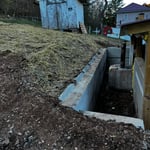
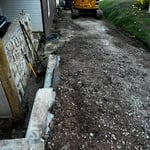
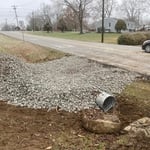
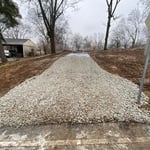
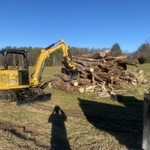
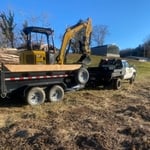
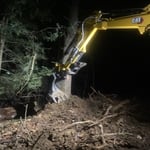
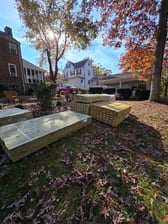
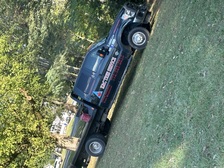
Additional Photos
Additional Photos
Additional Photos
Additional Photos
Recommended by100%of homeowners

Showing 1-10 of 29
Excavating questions, answered by experts

You can bury underground electrical wire six inches deep—but only if you use a rigid metal electrical conduit. For rigid, non-metallic conduits, bury the wire at least 12 inches deep. If using an underground feeder cable rated for direct burial, you'll need to place it at least 18 inches deep, as it has no conduit for extra protection.

No, a ditch isn’t a trench. A ditch is an open, relatively shallow channel that’s carved out of the ground and used for drainage purposes. In contrast, a trench is a deeper excavation that’s entirely underground. Trenches have many uses, including gas lines, sewage systems, and electrical wiring. Unlike trenches, ditches don’t get filled back in with dirt after they’re dug.

There are many ways to cut through roots when digging, especially if your trencher doesn’t seem to be removing the roots. First, use a shovel to expose the roots. Then, use gardening shears to clear out smaller roots or a reciprocating saw to remove larger plant roots. If you plan on keeping the plant, avoid cutting any roots over 2 inches thick.

To determine whether your homeowners' insurance will cover crawl space repair, consider the cause of the issue. Repair may be covered if the problems were caused by an event that the insurance covers, such as vandalism or a windstorm. However, companies won't cover the repair if the issues are caused by neglect or wear and tear.

The best method for digging a trench depends on the scope of the project. For a short, shallow trench (less than 2 feet deep) in light, soft soil, digging by hand may be sufficient. However, digging by hand is labor-intensive, so consider the effort required. A machine trencher is the better option for longer trenches (over 100 feet), deeper ones, or when dealing with difficult soil conditions, such as rocky or hard ground, or obstructions like tree roots. A machine can save significant time and energy in these situations.

The MacArthur, WV homeowners’ guide to excavation services

From average costs to expert advice, get all the answers you need to get your job done.