



When temperatures are too cold, it can keep ice from melting, and products like ice melt and rock salt are ineffective. Water turns to ice in temperatures below 32 degrees Fahrenheit. Ice melts on its own when temperatures reach above 32 degrees Fahrenheit.
Ice melt loses effectiveness in temperatures below -25 degrees Fahrenheit, and rock salt works in temperatures 5 degrees Fahrenheit and warmer.
A vapor barrier can last over 20 years, but they are vulnerable to pests, flooding, and other natural disasters. If your home weathers a storm or is treated for any pest infestation, make sure to have a drywall pro come check the integrity of your vapor barrier. It’s also important to have a pro install a vapor barrier since improper installation can lead to tears or leaks in the barrier that shorten its lifespan.
Yes, an automatic pool cover retains heat. It can act as a thermal blanket because the heavy vinyl traps heat underneath, keeping the water warmer than if there wasn’t a cover. Keeping the pool cover closed when the pool’s not in use can also help reduce water utilities and save on pool chemical costs because there won’t be as much evaporation.
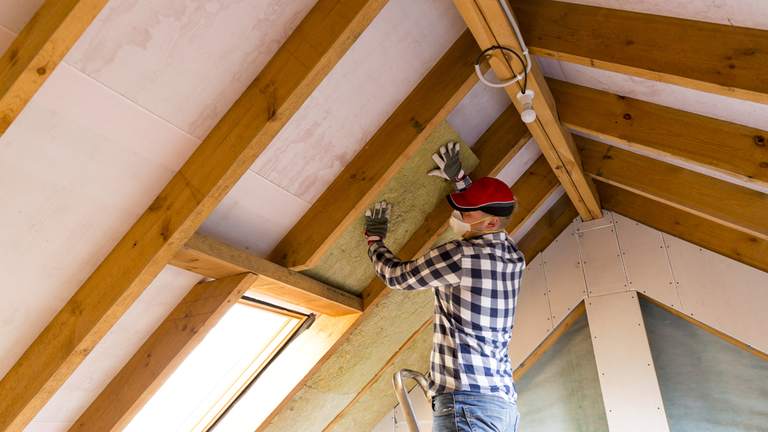
On average, insulating an attic costs about $2,500, with a typical range of $1,500 to $3,500. The final price often depends on the attic's size, with costs generally falling between $1 to $3 per square foot. For example, insulating a 1,800-square-foot attic would likely cost between $1,800 and $5,400.
If the project involves removing old insulation, this can add an average of $900 to the total cost, bringing a full removal and reinsulation project to around $3,000.
Several factors influence the overall cost:
Insulation Type: Prices per square foot vary significantly by material.
Reflective: $0.50–$1.50
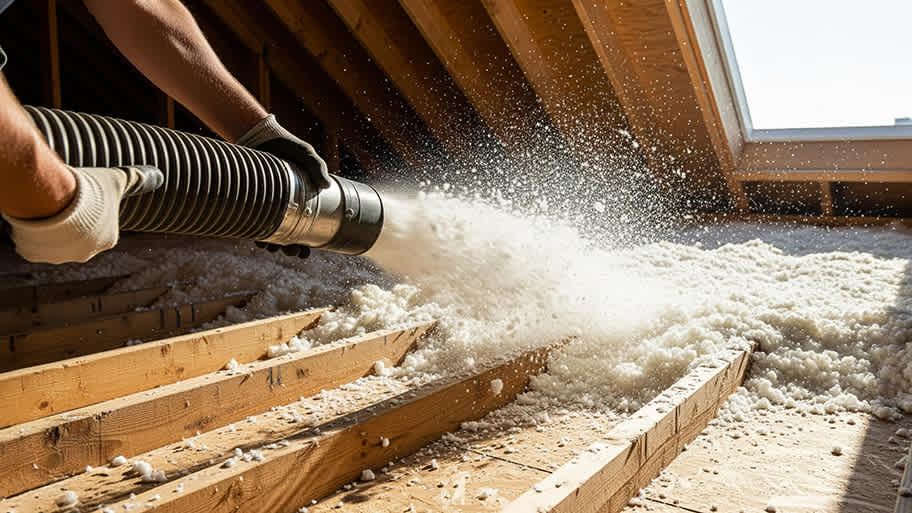
Blown-in: $1–$4
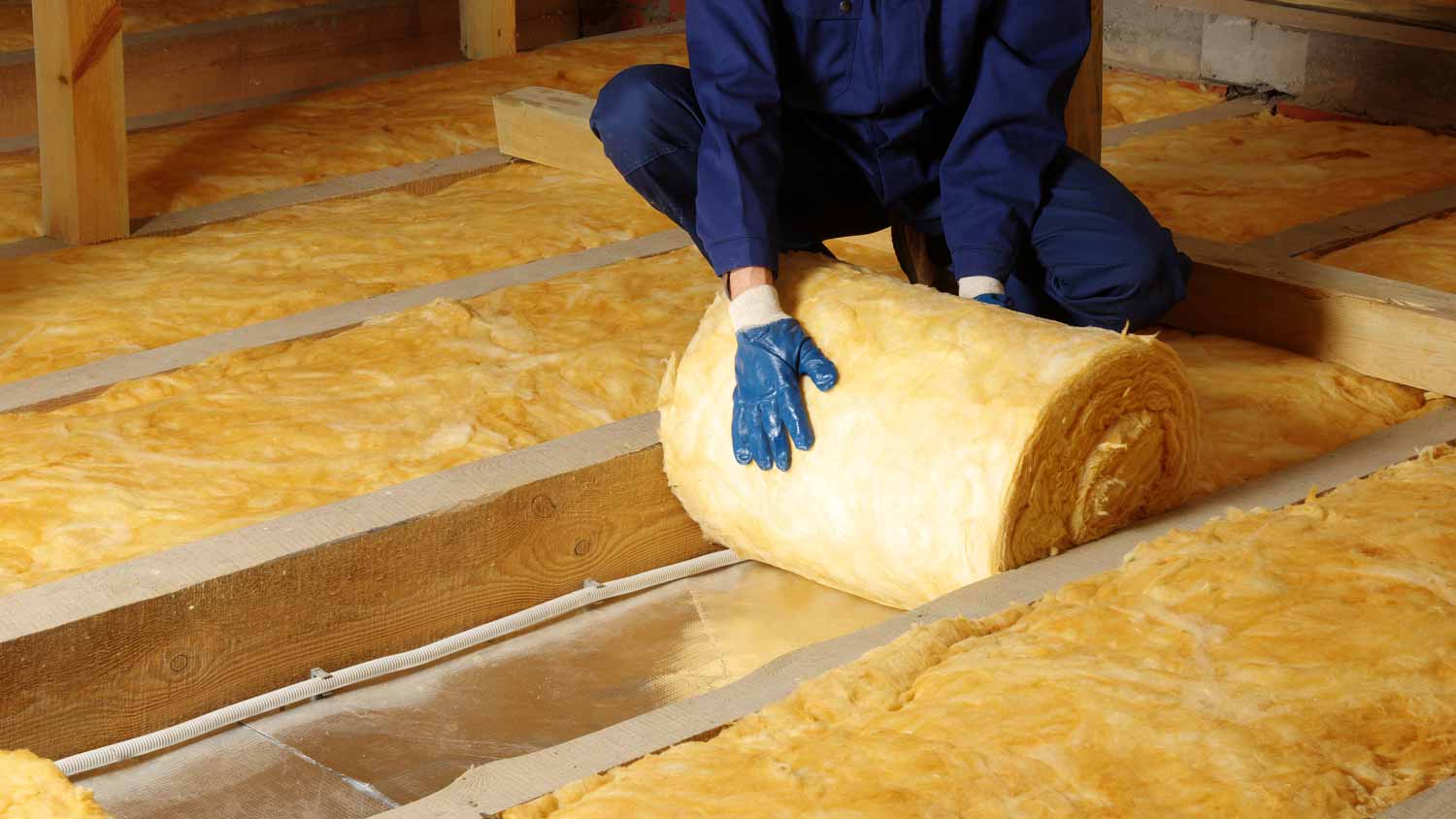
Batt: $2–$4
Loose-fill: $2–$5
Spray foam: $2–$5
Structural insulated panels (SIPs): $4–$7
Project Complexity: Factors like sealing air leaks, poor attic accessibility, and required inspections can add to the cost.
Removal Issues: The discovery of mold, asbestos, or pests during the removal of old insulation can substantially increase the price.
Yes, you can install insulation over ductwork, and doing so can save you money. Without insulation, the HVAC unit must work harder to force warm or cool air around the home, and once the air reaches the vent, it may not be the correct temperature. Insulating HVAC ducts makes your system work more efficiently, saving you money on heating and cooling bills.
The Philippi, WV homeowners’ guide to insulation services
From average costs to expert advice, get all the answers you need to get your job done.
The cost of blown-in insulation costs varies depending on the type of insulation, labor, prep work, and more. Learn more about the cost factors in this guide.
Learn how to decide if your home needs dryer vent insulation to protect your vent from drafts and moisture that can make your energy usage less efficient. Poorly ventilated dryer vents also increase mold risks!
Read our step-by-step guide and learn how to remove fiberglass insulation. Our instructions will help you remove this tricky material quickly and safely.