




Top-rated generator install pros.

Get matched with top generator install pros in Mount Clare, WV

Enter your zip and get matched with up to 5 pros

Need a pro for your generator install project in Mount Clare, WV?

Select your specific project to find the pro for you.

Find Generator install pros in Mount Clare

Avatar for John Templeton
John Templeton
4.8(
20
)
Fixed Generator - InstallGenerator - Install - For BusinessPortable Generator - Install

Serving Mount Clare, WV and surrounding areas

In business since 2020

Free estimates

Emergency services offered

"John is absolutely amazing!! He is a good, hard worker who goes above and beyond for his clients. He is easily approachable and will answer any question you may have. He does beautiful work for a fair price and unlike a lot of workers, cleans up any mess that may happen with the job. If I need any further electrical work I will definitely go through John again."
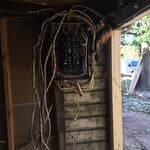
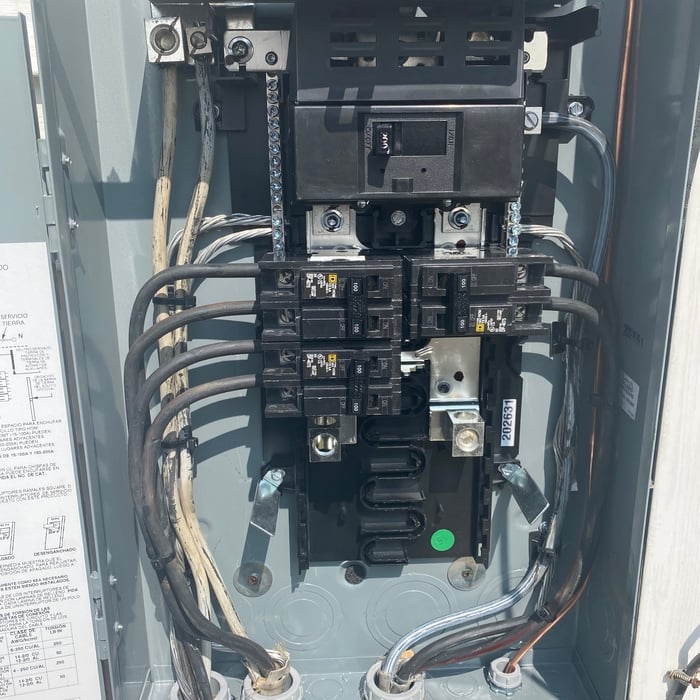
Old farmhouse panel before
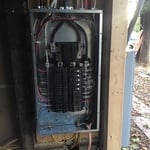
New Farmhouse panel after
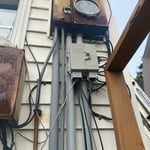
Old Meter
Inside old Meter
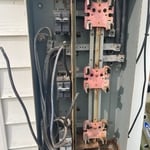
Inside New Meter Box after Upgrade

+21

Response time5 hrs
Recommended by100%of homeowners
Avatar for Worry Free Electric, LLC
Worry Free Electric, LLC
4.9(
18
)
Fixed Generator - InstallGenerator - Install - For Business

Serving Mount Clare, WV and surrounding areas

In business since 2019

Free estimates

Small jobs welcome

"Worry Free Electric was responsive and got in contact with me the same day I requested help. James arrived when he said he would. He replaced 3 electric baseboard heaters in a timely and effective manner. The price he quoted was reasonable and he hauled away the old junk, saving us the effort. I would highly recommend his company for any electrical needs. We will be using them again in the future."
200 amp service entrance
Response time2 days
Response rate96%
Recommended by100%of homeowners

Showing 1-10 of 26
Generator Install questions, answered by experts

You may need a permit for a portable generator if you’ll be installing a transfer switch for your primary residence or similar work. Otherwise, a permit for other uses may not be necessary. Check your local building codes or ask a local generator installer for more information about your local regulations.

No, you should never plug a generator directly into a wall outlet in your house. This practice is extremely dangerous, often illegal, and can cause "back-feeding," where power from the generator flows back into utility lines, creating a life-threatening hazard for utility workers. It can also damage your home's electrical system, including appliances like pumps and HVAC fans. If the main power is restored while the generator is connected, it can destroy the generator and cause an electrical fire. To safely connect a generator, you must use a professionally installed transfer switch or an interlocking kit, which prevents back-feeding by disconnecting your home from the utility grid before the generator provides power.

Most homeowners won't be able to claim a home generator as a tax write-off. However, a whole-house generator may be tax-deductible in certain situations depending on its purpose. For instance, if it's needed to power essential medical equipment, it may qualify as a medical expense deduction. Also, in some cases, businesses can deduct a generator as a business expense if it supports operations. Always consult a tax professional to determine eligibility based on your specific circumstances and the applicable IRS regulations.

A 10,000-watt generator can run a small to mid-sized central AC unit (typically up to 3 tons or 36,000 BTU) along with a few other appliances. However, larger AC units or additional loads will require a bigger generator. Consult a local generator installer to ensure you add the correct size generator to your home.

Sizing a generator is a careful process that requires calculating the electrical load of your entire house. You have to take into account every device you want to use and their wattage requirements, plus the wattage needed to start them, and look for a generator that can safely run all that at around 80% capacity.

In more practical terms, a small home can run on a 10,000-watt generator (and if you only want to power a few key appliances, much less than that). A mid-sized home may need something between 15,000 and 22,000 watts. Larger homes require 25,000 watts or more. 

The Mount Clare, WV homeowners’ guide to generator installs

From average costs to expert advice, get all the answers you need to get your job done.