
Serving Jefferson, WV and surrounding areas
Free estimates
Credit card accepted
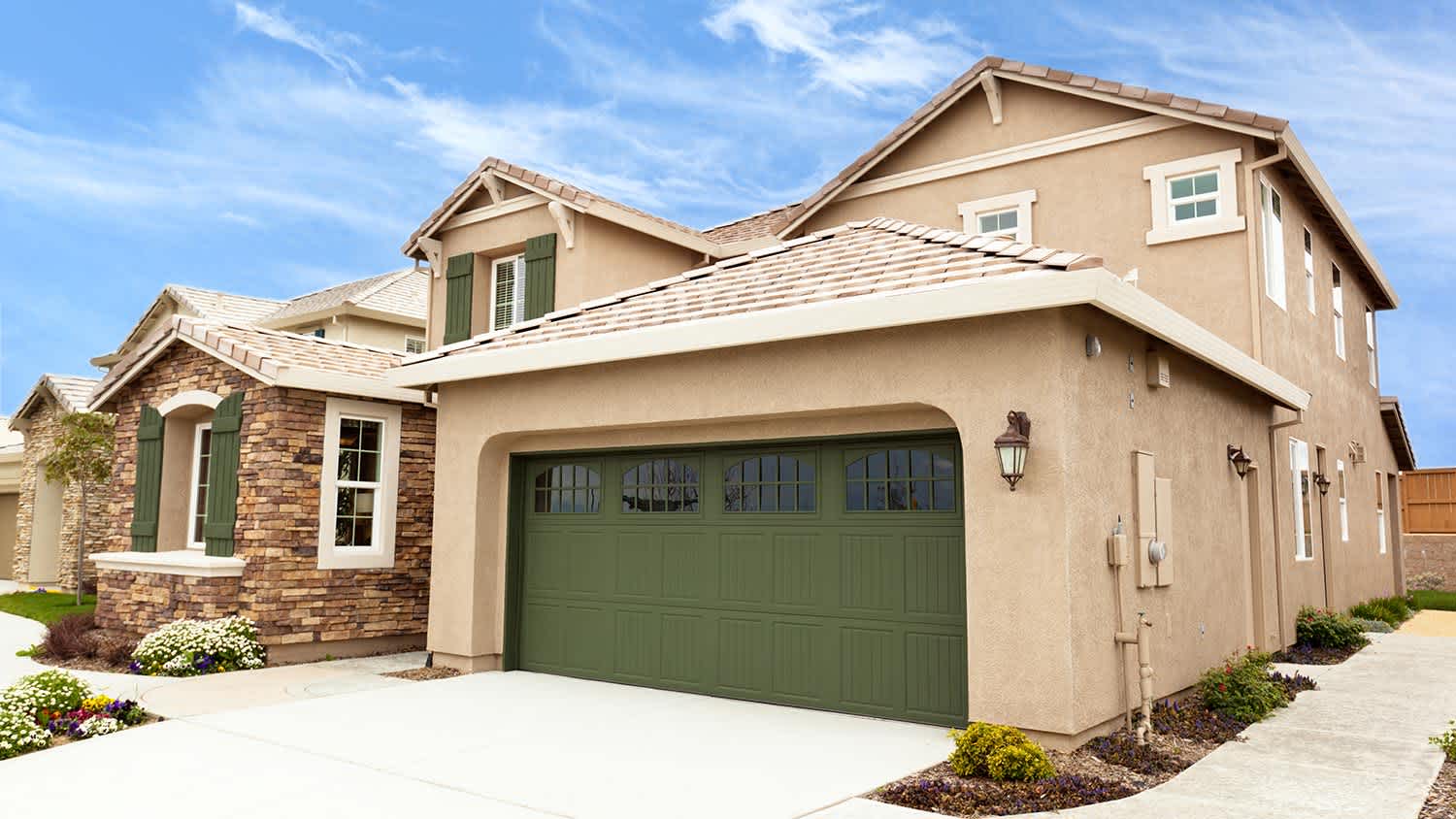
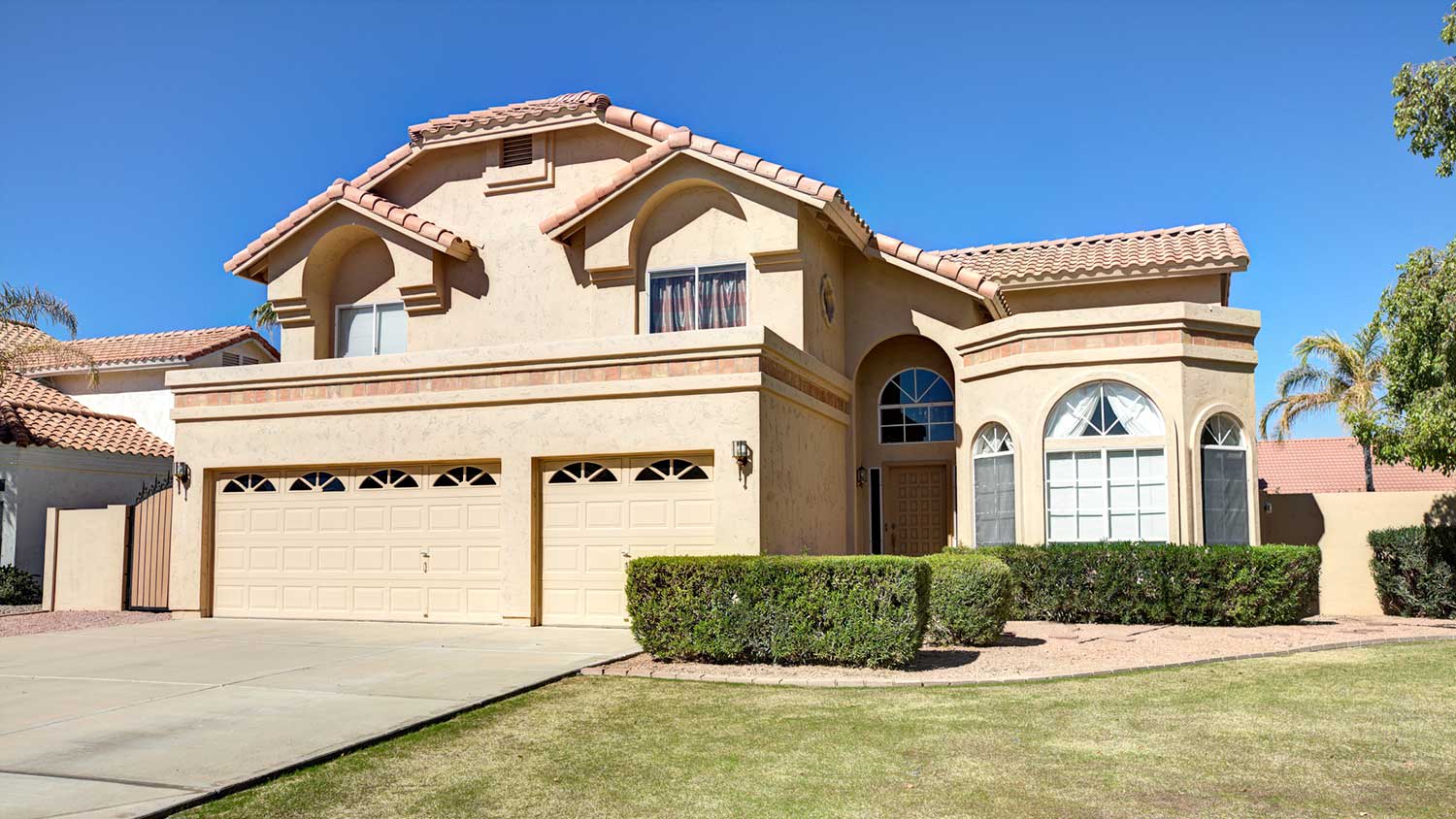
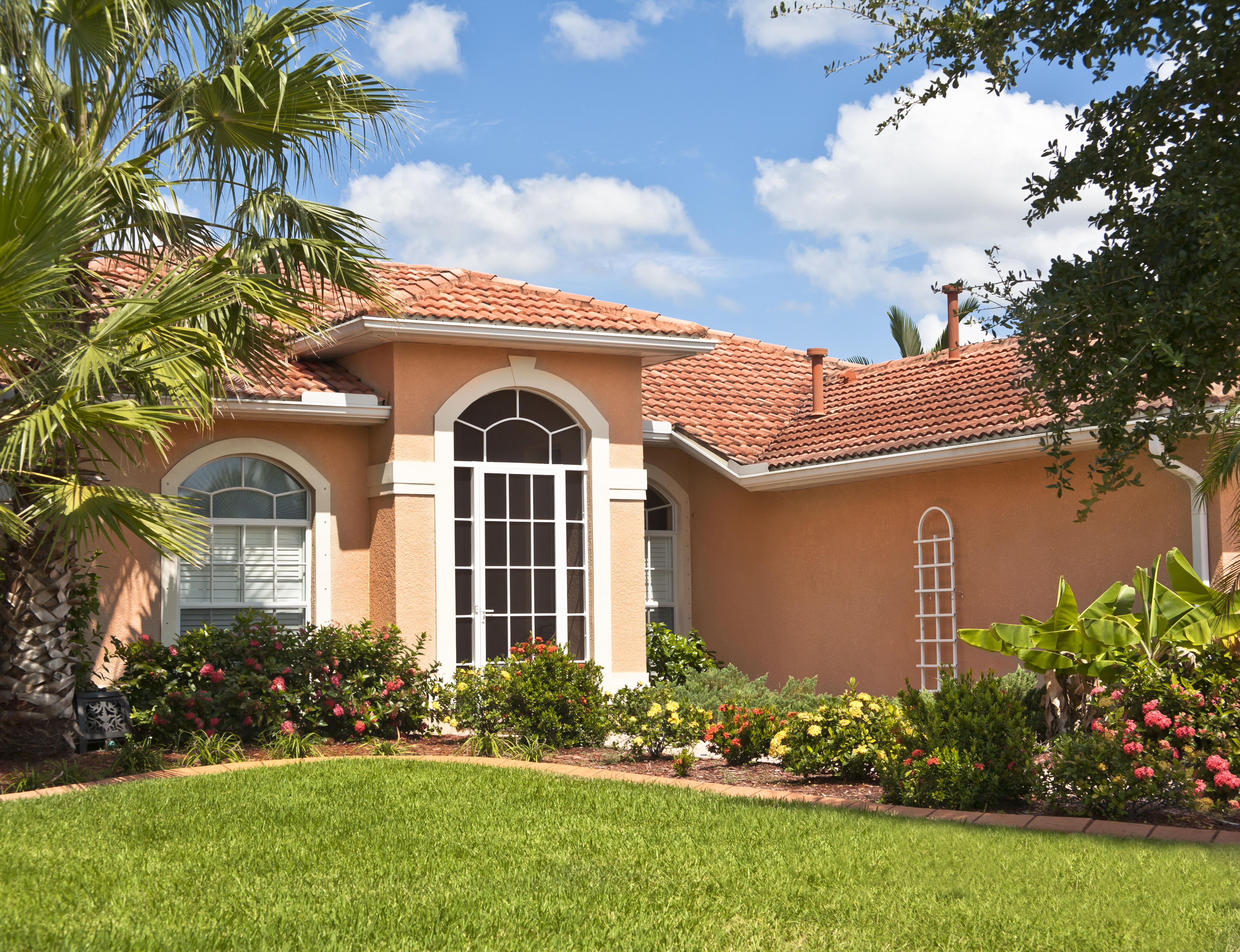
CCAPainters is a reputable and professional painting company that prides itself on providing high-quality painting services. With a strong commitment to excellence, the company has earned a solid reputation for delivering outstanding results in the painting industry.\n\nOur team of skilled and experienced painters is dedicated to transforming residential and commercial spaces into vibrant, visually appealing environments. We understand that each project is unique, and we take the time to listen to our clients' specific needs and preferences. Whether it's a single room, an entire house, or a commercial building, we approach each project with meticulous attention to detail and a keen eye for aesthetics.\n\nAt CCAPainters, we believe that the key to success lies in the combination of top-notch craftsmanship and the use of high-quality materials. Our team is well-versed in various painting techniques, including interior and exterior painting, decorative painting, and more.\n\nCustomer satisfaction is at the core of everything we do. We strive to create a seamless and stress-free experience for our clients, from the initial consultation and project planning to the final brushstroke. Our team is courteous, professional, and always ready to address any questions or concerns that may arise during the painting process.\n\nFurthermore, CCAPainters takes great pride in its commitment to environmental responsibility. We prioritize eco-friendly painting practices, using low-VOC and non-toxic paints to minimize our impact on the environment and ensure the safety and well-being of our clients and their families.\n\nWhether it's enhancing the aesthetics of a home, revitalizing a commercial space, or adding a unique touch to an interior, CCAPainters is your go-to painting company for exceptional results and outstanding customer service. Trust us to transform your vision into a reality and breathe new life into your spaces with our passion for painting.

+102