
Top-rated radon detection and reduction specialists.

Get matched with top radon detection and reduction specialists in Gallipolis Ferry, WV

Enter your zip and get matched with up to 5 pros

Need a pro for your radon detection and reduction project in Gallipolis Ferry, WV?

Select your specific project to find the pro for you.

Find Radon detection and reduction specialists in Gallipolis Ferry

Avatar for Tri-State Smart Home Solutions, LLC
Tri-State Smart Home Solutions, LLC
4.9(
39
)

Serving Gallipolis Ferry, WV and surrounding areas

In business since 2018

Credit card accepted

"We requested a whole house inspection and a mold inspection. The reports that we received showed comprehensive and detailed inspection. My sister who was a realtor for many years, said it was the best she had ever seen. We strongly recommend this company."
Roof Inspection
Roof Inspection
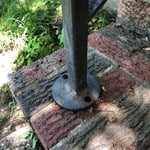
Porch Railing
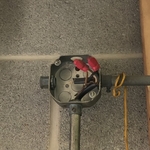
Electrical in Garage
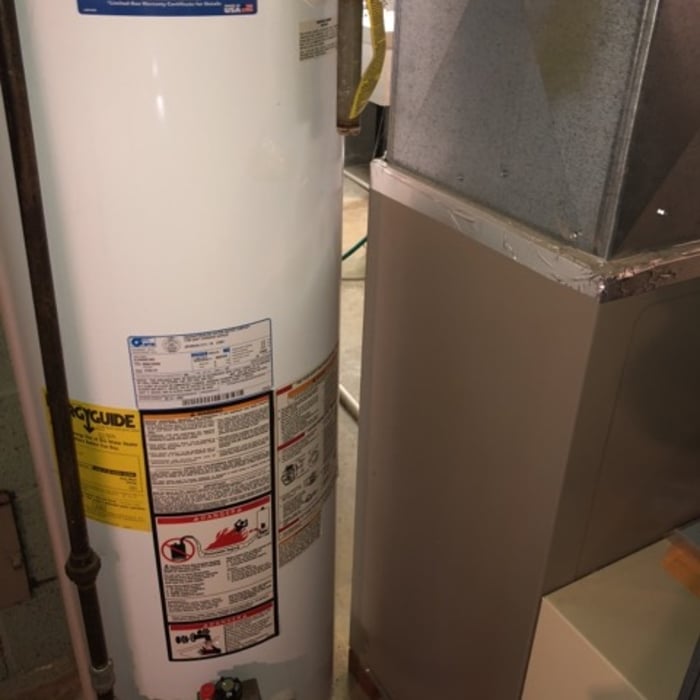
Water Heater

+10

Response time8 hrs
Recommended by97%of homeowners
Avatar for SWAT Environmental, Inc.
SWAT Environmental, Inc.
5.0(
2
)

Serving Gallipolis Ferry, WV and surrounding areas

In business since 1988

Free estimates

Credit card accepted

SWAT Environmental has keeping homeowners safe from Radon Gas since 1988. We are the nation's largest Radon Mitigation company but we are local operated and give each customer personal, high class service! Installing over 150,000 mitigation systems, SWAT is the industry leader in Radon Awareness and Mitigation. Call us today to schedule your radon mitigation system installation for less than the cost of most major home appliances!

Response time12 hrs
Recommended by100%of homeowners

Radon Detection and Reduction questions, answered by experts

No level of radon is technically safe, but since it is present everywhere, complete avoidance is impossible. The average radon level in homes across the United States is 1.3 picocuries per liter (pCi/L). The Environmental Protection Agency (EPA) recommends taking preventative measures if your home's radon levels are between 2 and 4 pCi/L or higher.

You'll need to test your home for radon after installing the mitigation system, then again every two years. If radon remains elevated, contact a licensed radon professional, either the contractor who installed the system or a different one, and have them evaluate the system. They may need to make some changes to improve its effectiveness and performance.

Your radon fan needs to operate 24/7 to be effective. The only time the fan isn't operating is during its replacement. Radon levels in the home can increase within hours if the fan stops working or something obstructs the stack vent. Fortunately, radon systems require no downtime maintenance between fan changes.

The lifespan of a radon mitigation system depends on the type of system and its maintenance. With proper care, a system can last for many decades. Passive systems tend to last longer as they have fewer components that require replacement. Active systems, which have more moving parts like fans, generally have a shorter lifespan. For instance, water filtration devices and active pressurization systems require more frequent maintenance. While the system as a whole is durable, the radon fan in an active system typically has a lifespan of 5 to 10 years and will need to be replaced. As long as the fan is working, the mitigation system should function correctly.

Testing every 2-5 years or upon adjusting occupancy or structural changes maintains safe environments.

The Gallipolis Ferry, WV homeowners’ guide to radon detection and reduction services

From average costs to expert advice, get all the answers you need to get your job done.