




Top-rated concrete cutting pros.

Best concrete cutting pros near Brookhaven, WV

Enter your zip and get matched with up to 5 pros

Need a pro for your concrete cutting project in Brookhaven, WV?

Select your specific project to find the pro for you.

TRUSTED BY BROOKHAVEN, WV HOMEOWNERS

  • Average homeowner rating star icon4.1
    Average homeowner rating
  • Verified reviews icon39
    Verified concrete cutting services reviews

Top-Rated Concrete cutting pros in Brookhaven - Updated Nov 2026

Avatar for Bailey M Excavating LLC
Bailey M Excavating LLC
5.0(
4
)
Concrete - Sawing or RemovalConcrete - Sawing or Removal- For Business

Serving Brookhaven, WV and surrounding areas

In business since 2021

Free estimates

Credit card accepted

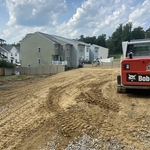
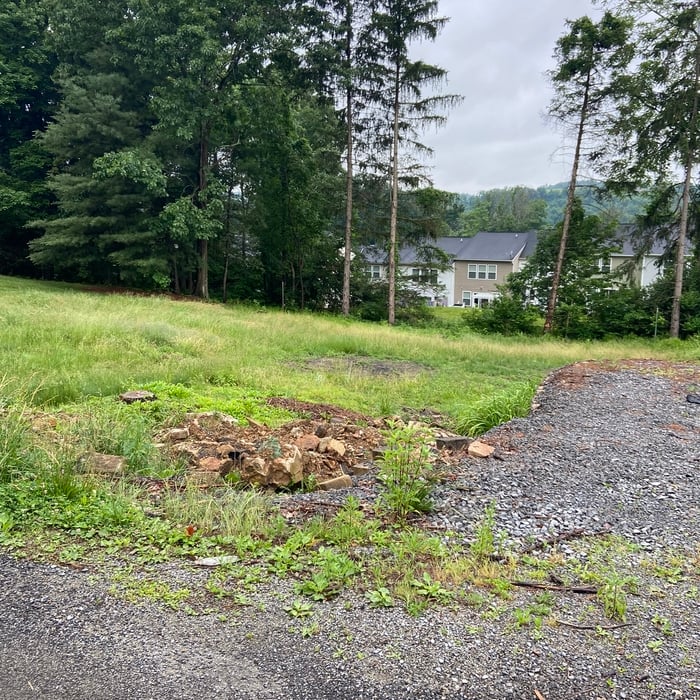
"I had a tree and stump removed that was leaning towards the house and where I park my vehicles, everything was done in a timely and professional manner. I now have a flat area in the yard and you can’t tell a tree was once there. Very happy with the results!!"
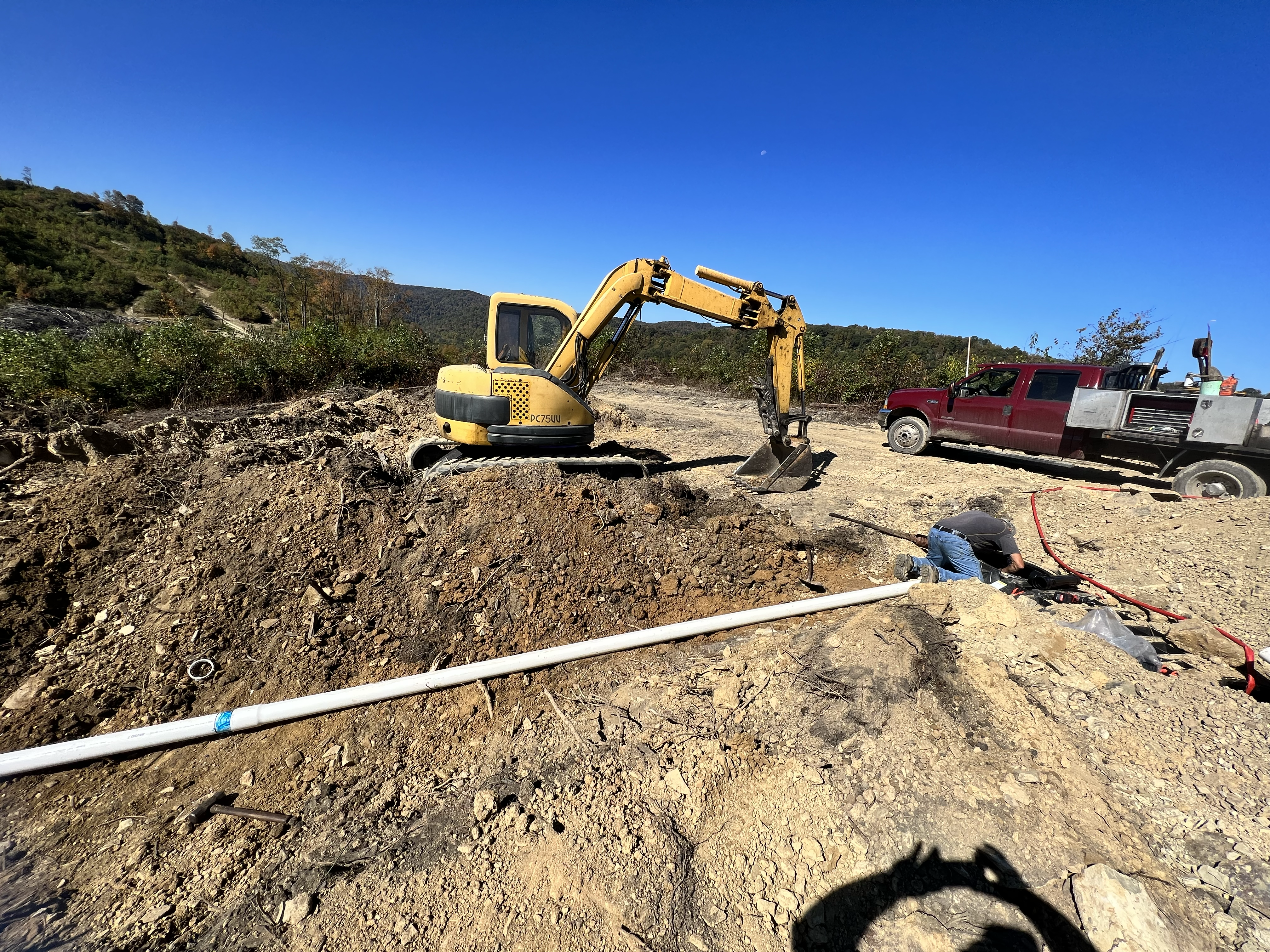
The tree the customer wanted removed
Are experienced climber removing top from the tree.
Are experienced climber securely tied off removing the over hanging limbs carefully.
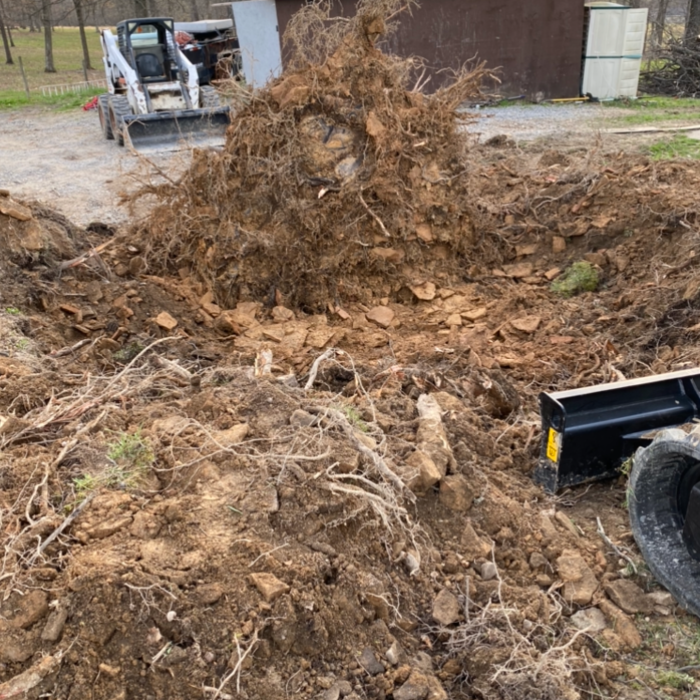
What was left of the tree before stump removal.
The stump as it was carefully excavated and removed.

+16

Recommended by100%of homeowners
Gus Concrete
New to Angi
Concrete - Sawing or Removal- For Business

Serving Brookhaven, WV and surrounding areas

In business since 2022

Free estimates

Offers commercial services

We are committed to excellence in every aspect of our business. We uphold a standard of integrity bound by fairness, honesty and personal responsibility. Our distinction is the quality of service we bring to our customers. Accurate knowledge of our trade, combined with ability, is what makes us true professionals. Above all, we are watchful of our customers' interests and make their concerns the basis of our business, so call us today! \n

Showing 1-10 of 13
Concrete Cutting FAQs, answered by experts

Yes, you can use a saw to cut metal pipes. The best saw to use is a reciprocating saw, but even a fine-tooth hacksaw can get the job done. No matter which saw you use to cut metal pipes, wear protective gear, like work gloves, safety goggles, and ear plugs. Apply a firm, steady pressure to the tool, and always ensure the pipes are secured so they don't move while you make the cuts.

Cutting round ductwork requires precision and the right tools. A duct cutter, specifically designed for circular ducts, is ideal. First, mark the cutting line on the duct using a measuring tape and pencil. Then, position the duct cutter's blade on the marked line. Apply steady pressure, rotating the cutter around the duct. The sharp blade creates a clean, precise cut. Alternatively, a reciprocating saw with a metal-cutting blade can be used for larger round ducts. Ensure the duct is securely held in place while making the cut to prevent slips and maintain accuracy.

You should not do your own welding unless you have the proper training and experience. Most home electrical systems can only handle MIG welding, which creates weaker bonds than TIG welding and won’t work on certain metals or metal thicknesses. Both welding forms usually require the use of shielding gas, which can be dangerous to store at home. Additionally, welding machines create temperatures of over 3,000 degrees, and the sparks can blind you if you don’t have the proper equipment. As such, it’s usually better to hire a professional welder for your welding projects.

Welders use a variety of methods in their trade. Different types of welding are better suited for different purposes and contexts. For example, stick welding is a versatile form suitable for most metals and alloys. The most common types of welding include:

  • Stick welding: $100–$1,000

  • Metal Inert Gas (MIG) welding: $250 and up

  • Tungsten Inert Gas (TIG) welding: $250 and up

  • Gas welding: $150 and up

  • Forge welding: $15–$25 per hour

Professional metal fabricators typically charge around $70 per hour, but the total cost of your project will depend on several factors. The largest cost drivers are the size, complexity, and design of the project, as well as the price and type of metal used. A good way to estimate the total cost is to multiply the cost of raw materials by four; typically, one-quarter of the total goes toward materials and three-quarters toward labor. Your geographic location can also influence costs, as labor and material prices vary by region.

The Brookhaven, WV homeowners’ guide to concrete cutting services

From average costs to expert advice, get all the answers you need to get your job done.