When pests show up, so do we.\n\nFor nearly a century, Terminix® has been one of America's most trusted names in pest control. Every day, our exterminators serve thousands of homes and businesses nationwide, combining national service with local knowledge to provide best-in-class, proactive pest management solutions. We stop problems before they start and respond quickly if issues arise, keeping your property protected.\n\nAnd for extra peace of mind, if pests come back, so do we — guaranteed.\n\nThe Terminix It Guarantee means that if pests come back, so do we, to re-treat at no additional cost. No excuses, just a commitment to care for your home like it's our own with protection you can trust.
Natural swimming pools are designed to deter pests, including mosquitoes. While any body of water can potentially attract pests, the natural filtration system keeps the water clean and constantly moving. Mosquitoes specifically are attracted to standing water, so the continuously circulating water in a natural pool makes it an inhospitable environment for them.
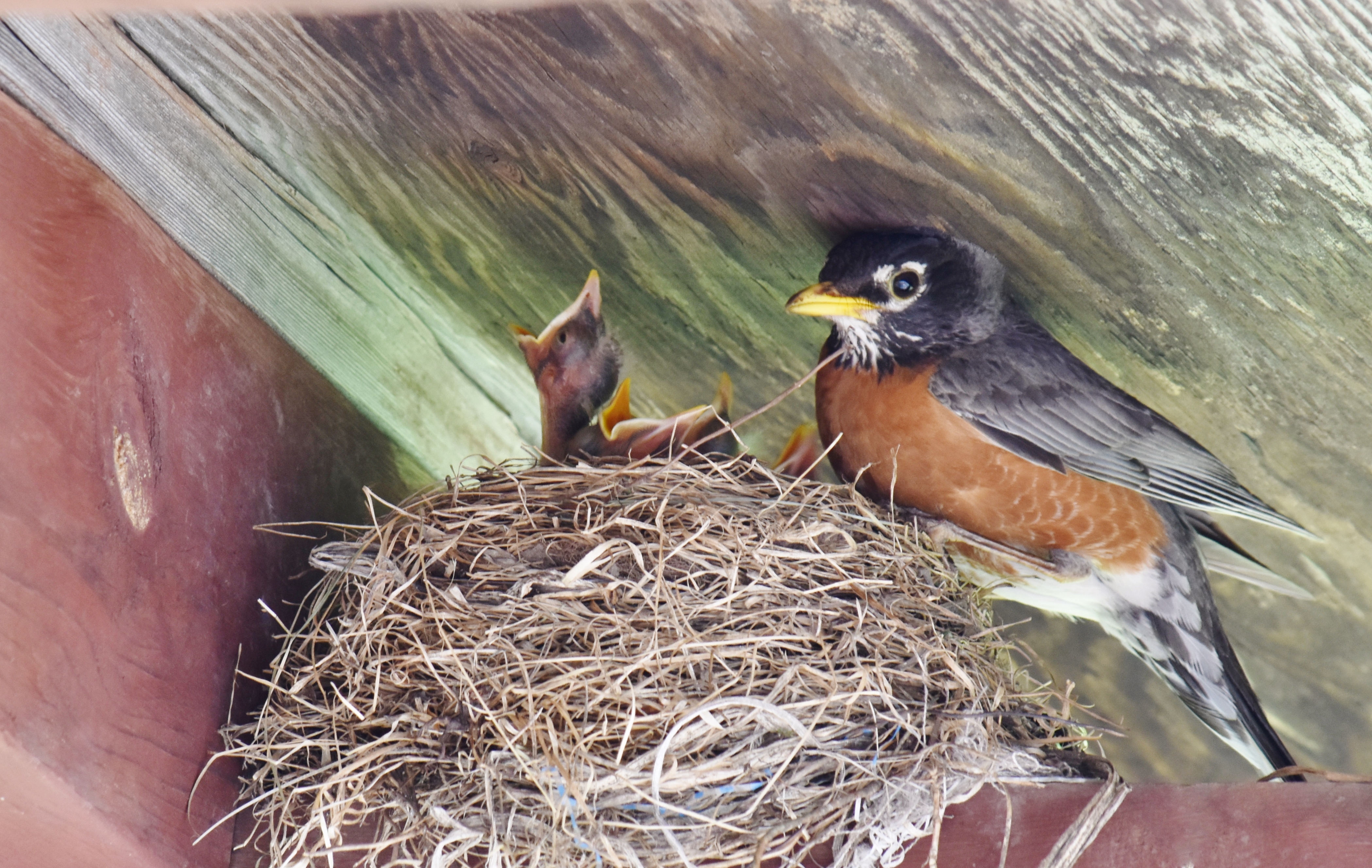
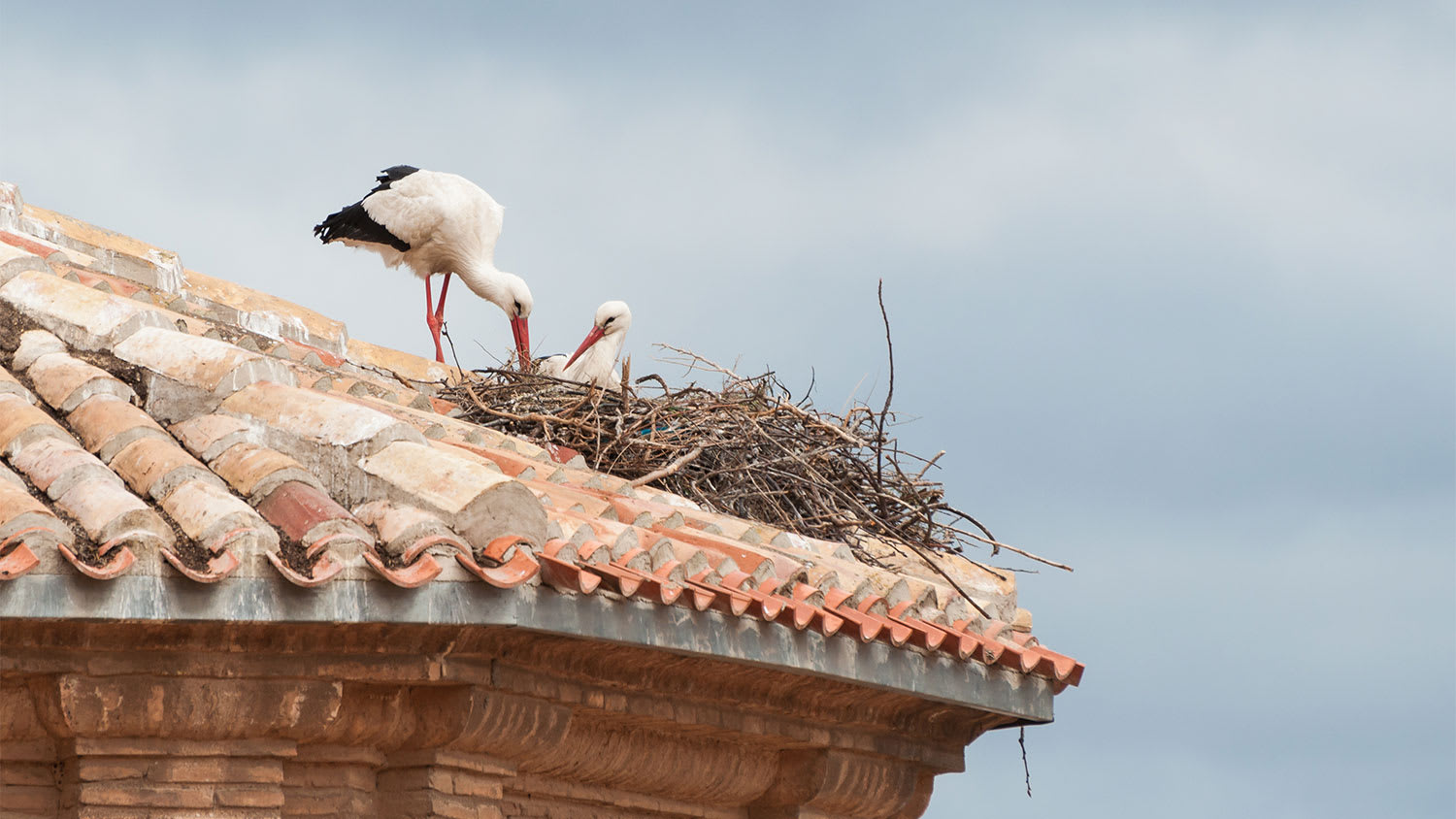
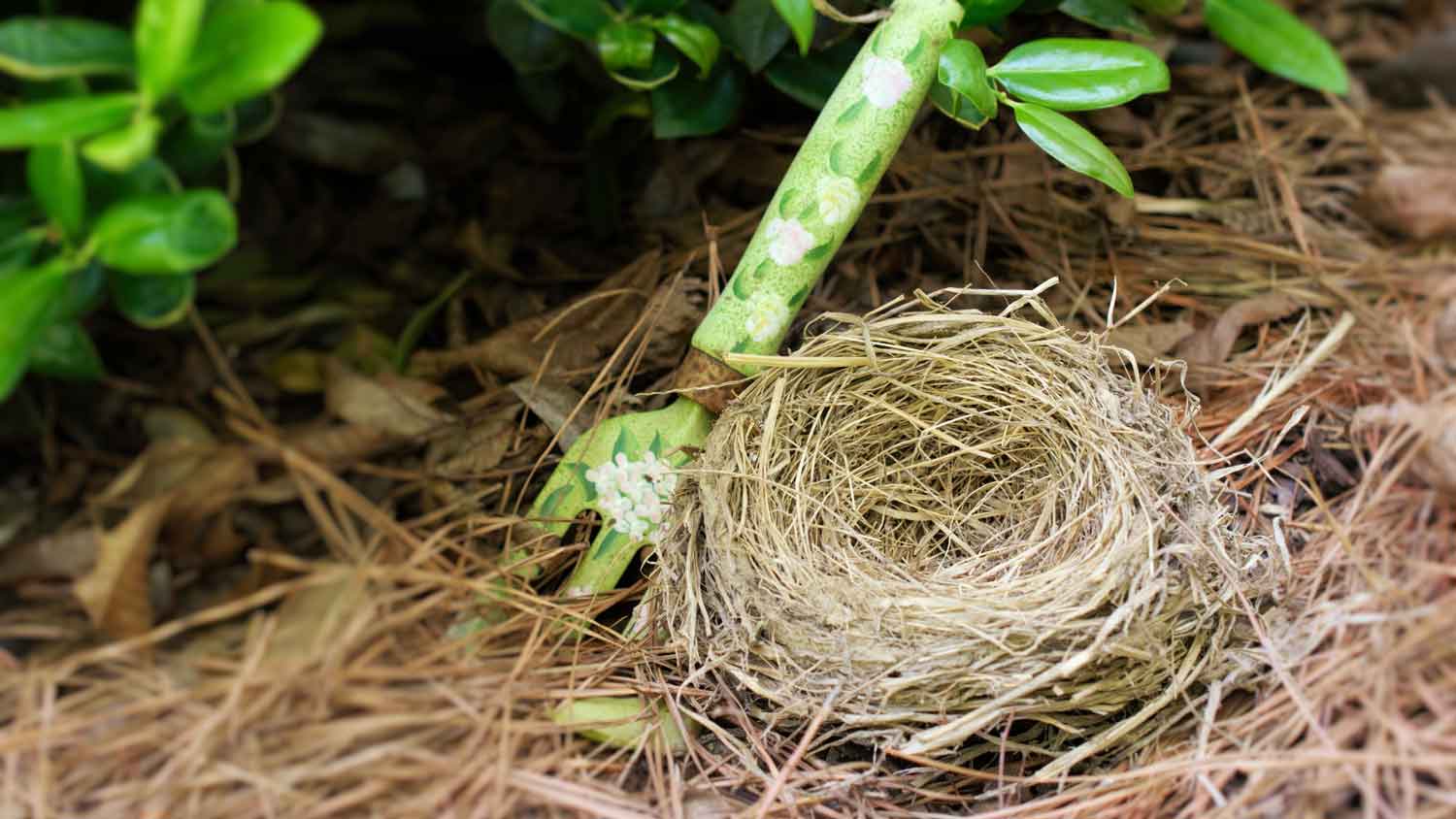
The lifespan of a bird's nest depends on the species. The building process can take from two days to three weeks. Once built, the nesting period for baby birds can last from two to ten weeks before they leave the nest. While most young birds are ready in two to six weeks, some predatory species may need up to two and a half months. Some species nest four to five times per year, so a nest could remain in use for several months. For specific information about a particular nest's longevity, it is best to consult a wildlife professional.
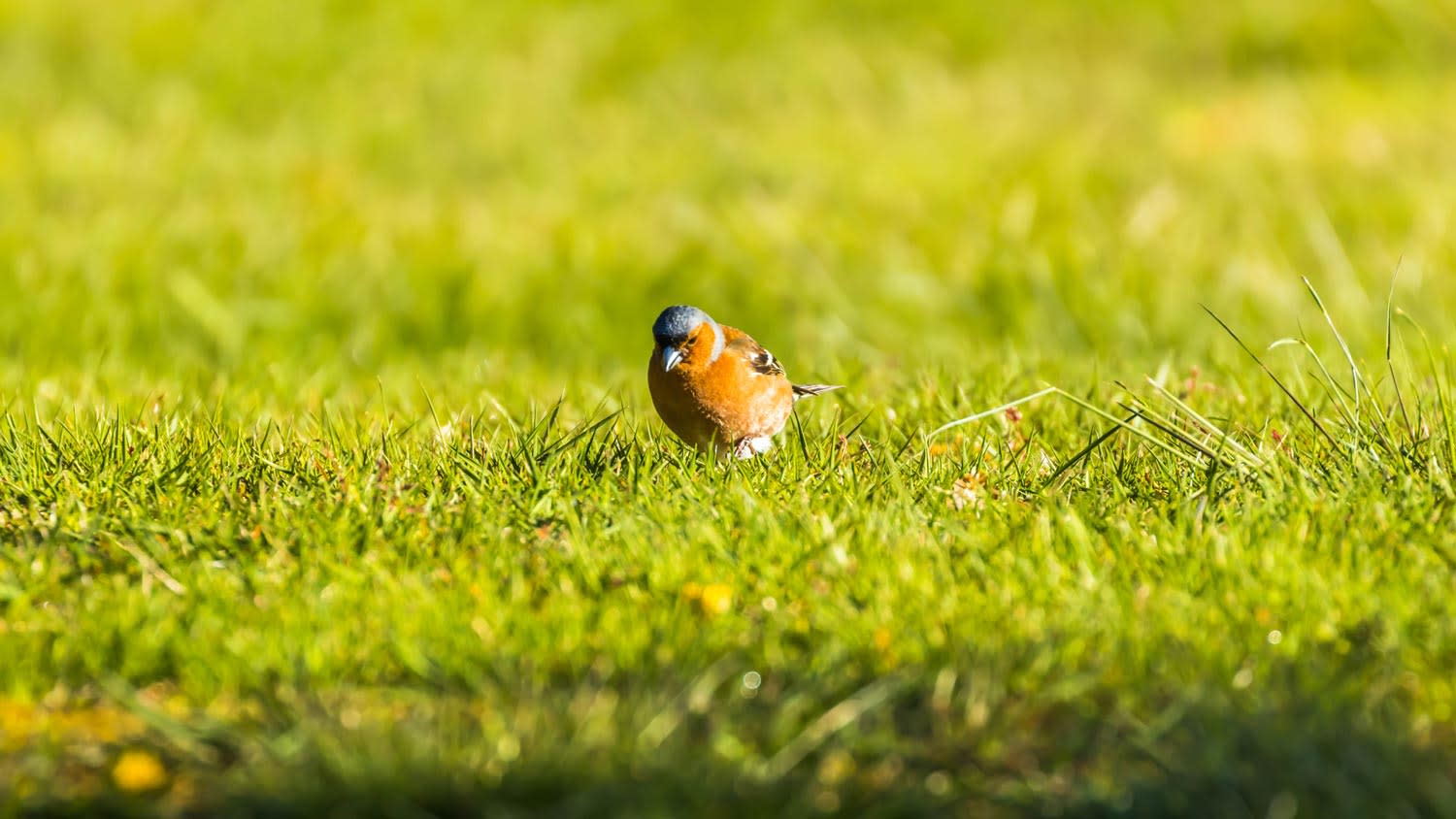
Birds eat grass seed for one simple reason—it’s delicious! The seeds are rich in nutrients such as carbohydrates, proteins, and fats. Seeds are also high in energy, so humans eat trail mix loaded with seeds and nuts for long-distance activities. Grass seed, when unprotected, is also exceptionally easy to access.
An owl's worst enemy in the wild is often other raptors and environmental factors. Among the avian threats, larger owls or other birds of prey can pose a danger, engaging in territorial disputes or competing for food resources. Terrestrial predators like foxes, raccoons, and larger mammals may target owl nests or young fledglings. Environmental factors like severe weather conditions, habitat loss, and food availability changes can also significantly impact owl populations.
It can be difficult to know what type of animal is in your attic until you see it. But several clues can help you narrow down the suspects:
Sounds: Smaller animals like rats and mice make scurrying and tapping/gnawing sounds. Larger animals like raccoons and opossums make louder clambering noises. Also, note when animals are noisy: Squirrels are active during the day, while rats are busiest at night.
Droppings: Rats and mice leave small, rice-shaped droppings (the rat’s version is significantly larger). Bigger droppings belong to larger critters like raccoons. As long as you’re not squeamish, an image search can help you identify what you’re seeing in your attic.
When in doubt, take photos of damage or other evidence and show them to an experienced pest control pro.
The Beaver, WV homeowners’ guide to bird control services
From average costs to expert advice, get all the answers you need to get your job done.
Sometimes birds nest in unwelcome places. Find out how much bird nest removal will cost based on factors like location, bird species, and preventative measures.