

Top-rated lead testing and removal specialists.

Get matched with top lead testing and removal specialists in Wittenberg, WI

Enter your zip and get matched with up to 5 pros

Need a pro for your lead testing and removal project in Wittenberg, WI?

Select your specific project to find the pro for you.

Find Lead testing and removal specialists in Wittenberg

Avatar for PDX Top Finishes LLC
PDX Top Finishes LLC
3.3(
26
)
Toxic Lead - AbatementToxic Lead - Testing

Serving Wittenberg, WI and surrounding areas

In business since 2011

Free estimates

Emergency services offered

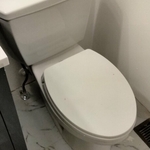
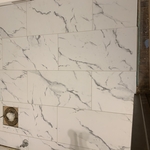
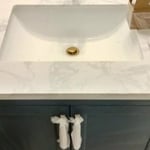
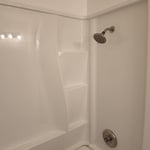
"Ralph and his team are true professionals. We needed a full interior remodel and him and his crew were the best decision I made. I had a strict budget and needed it done as fast as possible. Ralph took this into consideration and did everything he could to take this into account while also making sure that he wasnt cutting corners. I also felt safe and secure with the team as they were always professional, respectful, and communicative. The actual job done was amazing. I needed hole repairs, plumbing, electrical, cabinet/flooring removal and installation, painting, and window replacements. They got everything done! I believe I made the best decision by hiring PDX Top Finishes."
Remodeling - Kitchen & Bathroom Project

+35

Recommended by83%of homeowners
Lead Testing and Removal questions, answered by experts

Through air sampling devices and surface swabs in key areas of concern.

Several different measurements may be used to determine the amount of lead in water. The most common unit of measurement is micrograms per liter (µg/L), which is the same as parts per billion. Another measurement is milligrams per liter (mg/L), which is the same as parts per million.

According to the EPA, there is no safe level of lead in the blood, and so the maximum contaminant level goal (MCLG) for lead in water is zero. Even at low levels, lead is harmful to human health. It can also remain in the body and build up over time with repeated exposure.

You can paint over lead paint, or “encapsulate” it with a special paint that includes an ingredient called an encapsulant. The EPA approves encapsulation as a lead paint removal method as long as the paint remains undisturbed. Standard types of paint without an “encapsulant” from the big box stores or hardware stores do not meet EPA standards for remediation of lead-based paint.

According to the Environmental Protection Agency (EPA), hazardous waste is generally classified into four main categories:

1. Characteristic Wastes: These exhibit at least one of four hazardous traits: ignitability (flammable, like gasoline), corrosivity (can rust or decompose materials, like car batteries), reactivity (unstable and can explode, like aerosol cans), or toxicity (harmful when ingested, like lead-based paint).

2. Listed Wastes: These are specific wastes from manufacturing and industrial processes that the EPA has officially designated as hazardous. They include byproducts from processes that use solvents, pesticides, and other chemicals.

3. Universal Wastes: These are commonly generated hazardous items that are subject to streamlined regulations. Examples include batteries, pesticides, mercury-containing equipment (e.g., bulbs), and some lamps.

4. Mixed Wastes: This category includes waste that contains both hazardous and radioactive components, making it subject to regulation by both the EPA and the Nuclear Regulatory Commission.

The Wittenberg, WI homeowners’ guide to lead testing and removal services

From average costs to expert advice, get all the answers you need to get your job done.