




Top-rated arborists.

Get matched with top arborists in Wittenberg, WI

Enter your zip and get matched with up to 5 pros

Need a pro for your arboricultural service project in Wittenberg, WI?

Select your specific project to find the pro for you.

Find Arborists in Wittenberg

Avatar for Central Wisconsin Excavating
Central Wisconsin Excavating
5.0(
12
)
Tree RemovalTree Stump - RemoveTree Trimming

Serving Wittenberg, WI and surrounding areas

Approved

Free estimates

Emergency services offered

Small jobs welcome

"Central Wisconsin Excavating (CWE) did a fantastic job on our project. They built a solid, well-prepared foundation for our 80,000-bushel grain bin and graded our driveways perfectly to ensure water drains away from our buildings. Their attention to detail, quality of work, and professionalism really stood out. The site was left clean and properly finished, and everything was done right the first time. We’re extremely happy with the results and would highly recommend CWE to anyone needing excavation or site work done right."
Pond project
Pond project
Central Wisconsin Excavating
New to Angi
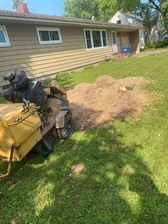
Tree Stump - Remove

Serving Wittenberg, WI and surrounding areas

Approved

In business since 2018

Free estimates

Credit card accepted

I'm a firefighter and I decided to add more income and work to my background, so i bought an excavator and took off from there. At company , our company is based on the belief that our customers' needs are of the utmost importance. Our team is committed to meeting those needs. We welcome the opportunity to earn your trust and deliver you the best service. No job is too big or too small for our experienced team. Call today for a quote.\n

...
Showing 1-10 of 53
Arborists questions, answered by experts

In general, trees should be planted no closer than 15 to 20 feet from your foundation. For larger trees with far-reaching roots like maples, oaks, or poplars, a good guide is to plant as many feet from your home as the tree’s height is expected to reach at maturity. Some trees, like elms and willows, should only be planted far from where their roots may encounter sewer or water lines.

Trees provide many benefits, including shade, habitat for local wildlife, and cleaner air, so it’s always a good idea to try an alternative strategy like crown reduction before you chop one down. But sometimes, cutting down a tree is the only option (like if it’s severely diseased). A licensed arborist can assess the tree and recommend the best course of action.

You’ll have to balance up the cost, the value of the tree (sentimental or otherwise), and the risk factors. An experienced arborist will help you understand whether transplanting is likely to be successful. The cost and hassle of transplanting a large, well-established tree are often not worth it, especially if the species is fast-growing and easy to source. The decision depends on the age and species of the tree, the conditions in the new site location, and how careful the company is when digging out and moving the tree.

Common signs that a tree is rotting include dead branches, a leaning trunk, peeling or cracked bark, leaf discoloration, and the presence of fungi. If you notice any of these signs, it’s best to hire an arborist near you to inspect your tree and determine if it can be saved or if it needs to come down.

The typical lifespan of a Bradford pear is relatively short, only 15 to 25 years. However, these trees have issues long before their life is over. Due to their soft wood and fast-growing branches, Bradford pear trees often split around 15 years, making them a risk for falling branches and more prone to disease. 

The Wittenberg, WI homeowners’ guide to arboricultural services

From average costs to expert advice, get all the answers you need to get your job done.