


Top-rated window tinters.

Get matched with top window tinters in Winter, WI

Enter your zip and get matched with up to 5 pros

Need a pro for your window tinting project in Winter, WI?

Select your specific project to find the pro for you.

Find Window tinters in Winter

Avatar for Frontpoint
Frontpoint
4.7(
8,819
)

Serving Winter, WI and surrounding areas

In business since 2007

Free estimates

Emergency services offered

"Sales process was good, courteous and helpful. Installation instructions were easy to follow. Did have a small issue with one sensor which was easily solved with a call. Control panel is easy to use and well constructed. Phone app is the best part. Not a big fan of a 2 year contract and the monthly rate feels a little high, but definitely a decent system. I had emailed them a question pertaining installing on double hung windows and never received a reply, but other than that their phone support prior to that was good."
Recommended by93%of homeowners
Window Tinting questions, answered by experts

If you have bubble wrap lying around the house and you don’t care about the odd look, taping bubble wrap over a window is a very affordable way to insulate it. Another inexpensive option for insulating windows is to add new caulk around the glass. This step quickly cuts down on air drafts for older windows, and a tube of caulk only costs a few dollars. Adding plastic shrink film around the glass is another cost-effective option. You can purchase a kit of plastic film for a few dollars per window.

Energy-efficient windows are judged on their performance according to a few different factors, including heat transfer, air leakage, light transference, and condensation resistance. If you're unsure whether a window is energy-efficient, look for an ENERGY STAR® label from the U.S. Environmental Protection Agency (EPA). If various products, including windows, meet energy-efficiency standards set by the federal government, the EPA issues this label to help consumers identify energy-efficient products.

The most popular tint percentage for home windows is 35%. Generally, most homeowners choose a visible light transmission (VLT) between 50% and 35%, where lower numbers mean less sunlight enters the home. A 35% tint blocks over half the incoming light while still allowing plenty of natural light, which can improve energy efficiency and comfort. If privacy is a primary concern, you can opt for a tint of 50% or lower to make it more difficult for people to see inside. However, keep in mind that very dark, thick tints may offer fewer energy-efficiency benefits.

Unlike cars, there are no laws regulating window tint percentages on homes, so you can choose what you think is best. It is often a good idea to hire a professional, as they can show you samples of how different tint levels will look in your specific property, helping you make the right choice.

Typically, triple-pane windows made with krypton gas filling are the most energy efficient. A window’s frame, glass, design, and installation all affect its energy efficiency. These windows, in particular, are designed highly effectively in terms of their ability to insulate.

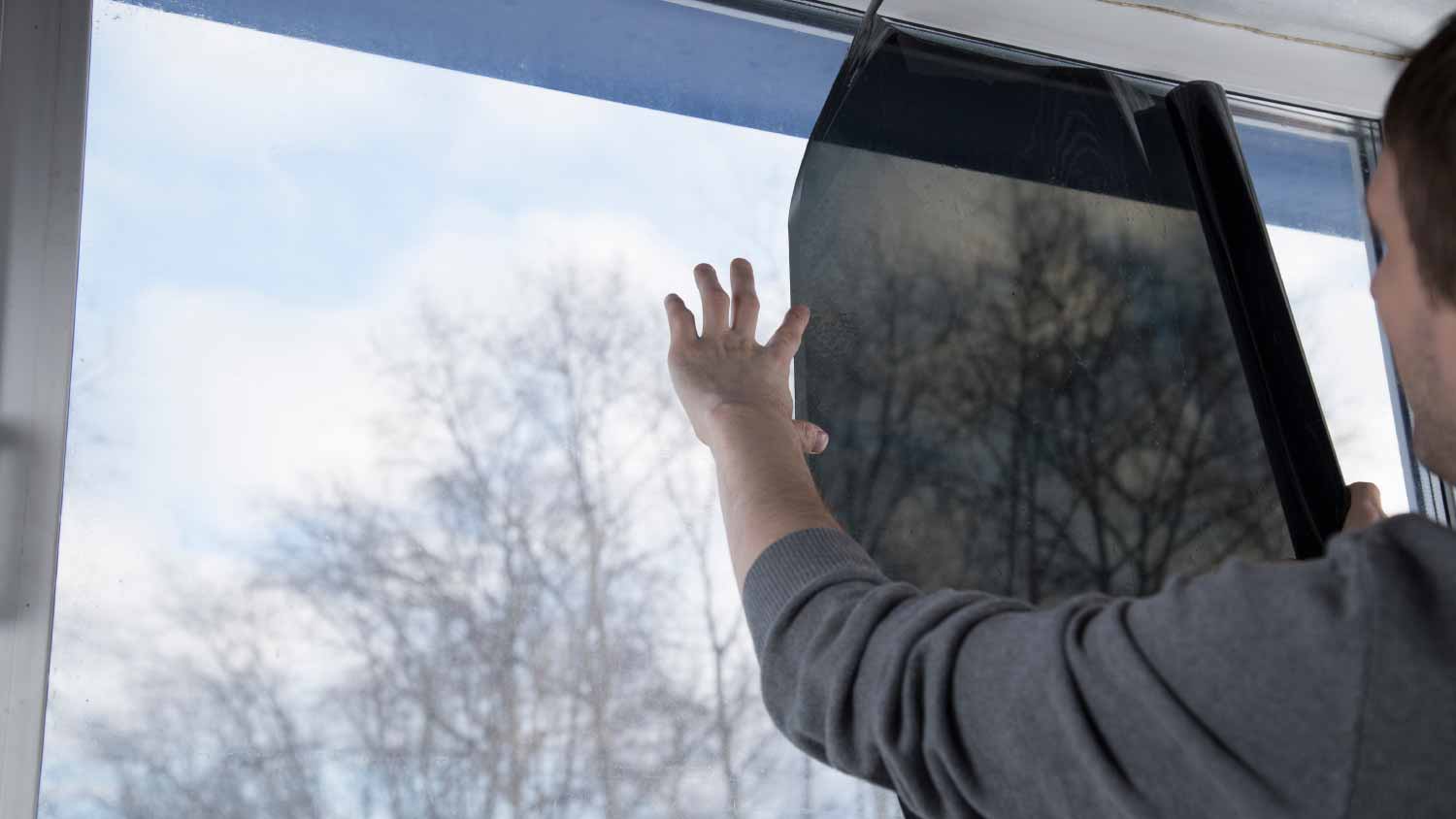
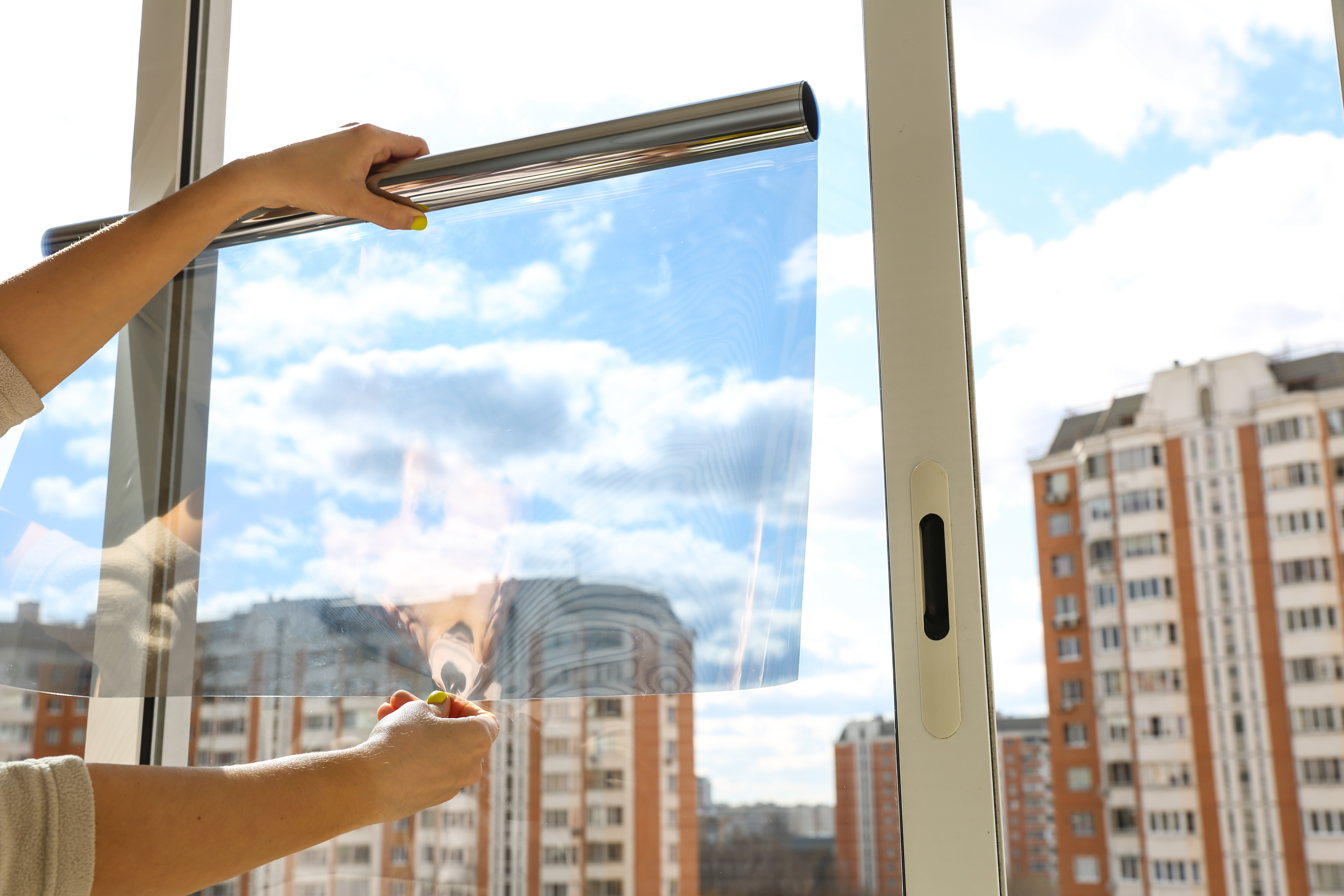
To darken your windows without curtains, try installing window film or even installing an awning outside your windows. Window film is a DIY-friendly option with many different darkness levels you can choose from to fit your desired look. Awnings can also help by casting shade over your window, though this isn’t feasible for every home. 

The Winter, WI homeowners’ guide to window tinting services

From average costs to expert advice, get all the answers you need to get your job done.