







Top-rated bird control service pros.

Best bird control service pros near Stanley, WI

Enter your zip and get matched with up to 5 pros

Need a pro for your bird control service project in Stanley, WI?

Select your specific project to find the pro for you.

Top-Rated Bird control service pros in Stanley - Updated Nov 2026

Bird Control FAQs, answered by experts

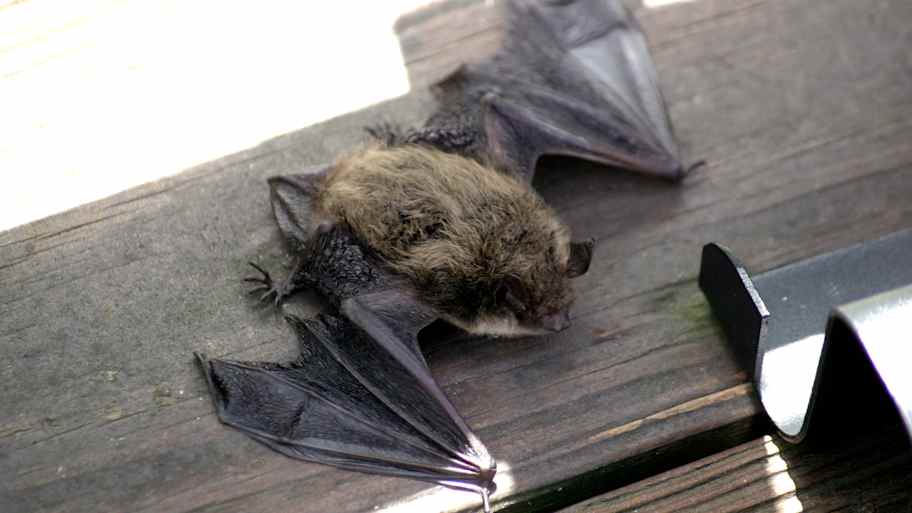
No, you shouldn’t have to worry about bats in your yard as long as they don’t make their way inside your house. Typically, bats hang around backyards in order to consume bugs, especially if they’re located in the U.S. Bats that are native to North America can consume more than 500 bugs per hour, so they may actually benefit your yard if mosquitoes are prevalent.

Pest control timelines depend on what services are being provided, size and type of infestation, and size of your home. Some inspections can take an hour or more, while preventative treatments only take 30 minutes to complete. Basic spaying for a problem like roaches or termites can take about an hour for small homes, but much longer for large properties and infestations. Consult your pest control pro for a time estimate based on your situation.

Woodpeckers usually feed on homes when there is a food source present, and termites are one possible source. However, the presence of woodpeckers doesn’t necessarily mean there are termites. They may also be feeding on more harmless insects like ants or spiders. If woodpeckers seem drawn to one particular part of your home’s siding, it might be worth hiring a termite inspector to check for the presence of these pesky critters.

Depending on the size of your home and accessibility, expect professional pest inspections to take between 30 and 60 minutes. If you have a large property or limited accessibility, pest inspections may take longer. 

When woodpeckers start banging on your walls or roof, they are probably looking for insects to eat, storing nuts for winter, drilling a hole to make a nest, or communicating with other birds to establish territory or find a mate.

The size of the hole can help determine the reason for the pecking. Small irregular holes are a result of insect hunts. Acorn holes are more consistently sized and often fitted with a nut in the middle. Nest holes are large and have rounded edges. If the bird is pecking to mark its territory or attract a mate, it may leave dents rather than holes, and the noise will stop when the mating season starts in spring.

The Stanley, WI homeowners’ guide to bird control services

From average costs to expert advice, get all the answers you need to get your job done.