







Top-rated structural engineers.

Get matched with top structural engineers in Phillips, WI

Enter your zip and get matched with up to 5 pros

Need a pro for your structural engineering project in Phillips, WI?

Select your specific project to find the pro for you.

Find Structural engineers in Phillips

Avatar for Elite Stucco & EIFS Solutions
Elite Stucco & EIFS Solutions
4.1(
18
)

Serving Phillips, WI and surrounding areas

In business since 2005

Free estimates

Emergency services offered

"If you need any Stucco work done, this is the company to do the job. Sergio was professional and a pleasure to work with throughout the experience from initial estimate through the completion of the job. This was a difficult job, and the result was incredible, and the cost more than fair. Sergio is one of the most ethical contractors I have ever had the pleasure to work with."
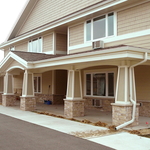
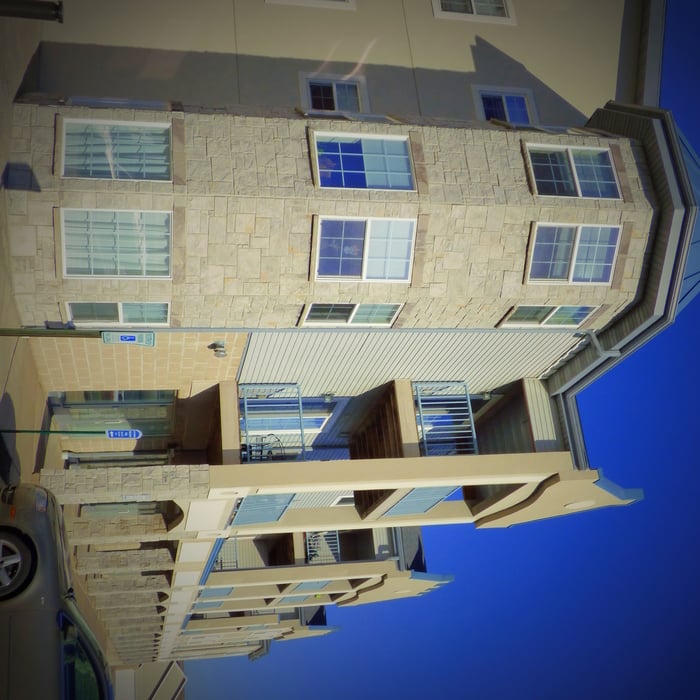
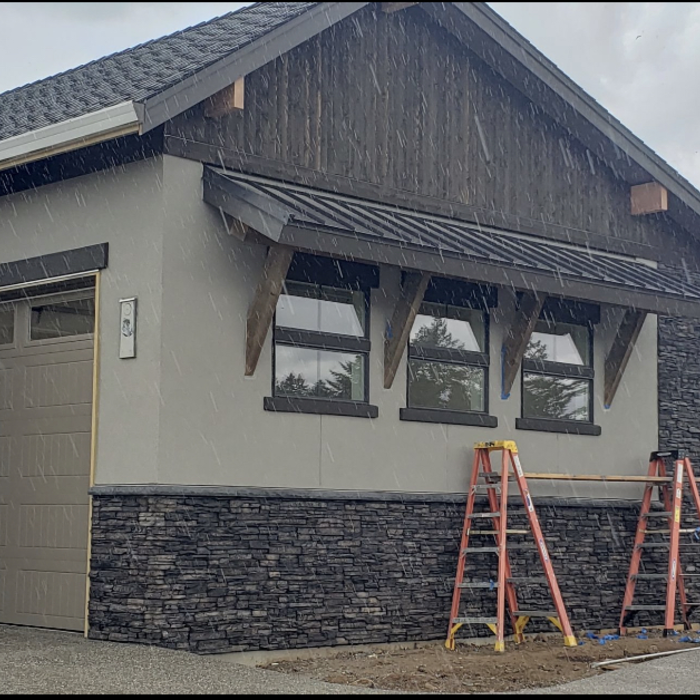
After restoration and Limestone finish
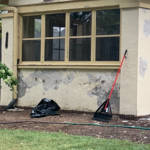
Before restoration
After restoration and limestone finish
Before restoration
Additional Photos

+222

Recommended by100%of homeowners
Structural Engineering questions, answered by experts

A freestanding brick wall that's only one brick thick can usually stand six to eight feet high. If you need a higher wall, it should be at least two bricks thick for adequate stability, and it might require a footing to support the added weight. Additionally, some areas have regulations and codes dictating how high a brick wall can be, so check with local code enforcers to ensure your proposed wall complies with any regulations.

While concrete walls do not need to "breathe" in the traditional sense of the word, they do require waterproofing and dehumidifying methods, particularly in basements below the water table. Concrete both contains moisture from its initial installation and can absorb water when exposed. Ensuring proper basement ventilation , installing a vapor barrier, and controlling water exposure are all important tasks.

A structural engineer's report provides a professional assessment of a property's structural condition. It typically includes an evaluation of the foundation, key structural elements like roof trusses, floor joists, studs, beams, and rafters. The report will also contain a detailed description of the engineer's findings, often supported by photographs, and provide recommendations to correct any identified issues. Depending on the scope of the inspection, it might also include an assessment of property drainage, potential issues from environmental conditions like extreme weather or tree placement, and an estimated time and cost for any recommended repairs.

The average cost to hire a structural engineer is about $550, with prices generally ranging from $200 to $1,500. Structural engineers may charge a flat rate, by the project, by square footage, or an hourly rate, which is typically between $100 and $250. Many jobs, such as inspections and structural calculations, are billed at a flat rate, which often falls between $300 and $800. The final cost depends on several factors, including the project's type, scope, size, complexity, ease of access for inspection, and your geographic location.

You need to hire a structural engineer when building or modifying any component with a structural load in your home. Common situations where you would need a structural engineer include home inspections when buying or selling a home, investigating possible issues with your foundation, beams, load-bearing walls, or chimneys, breaking ground on a new home or structure on your property, and renovating an old part of your home that could threaten any structural integrity. Home additions and bump-outs also require an engineer.

The Phillips, WI homeowners’ guide to structural engineering services

From average costs to expert advice, get all the answers you need to get your job done.

What do you need done? We’ll find top pros.
  • 🌱 "Mow a small front yard"
  • 🛠 "Fix a leaking pipe under the sink"
  • 🏠 "Repair shingles on an asphalt roof"