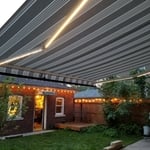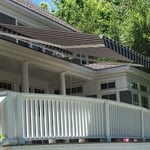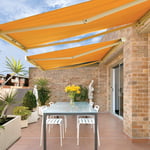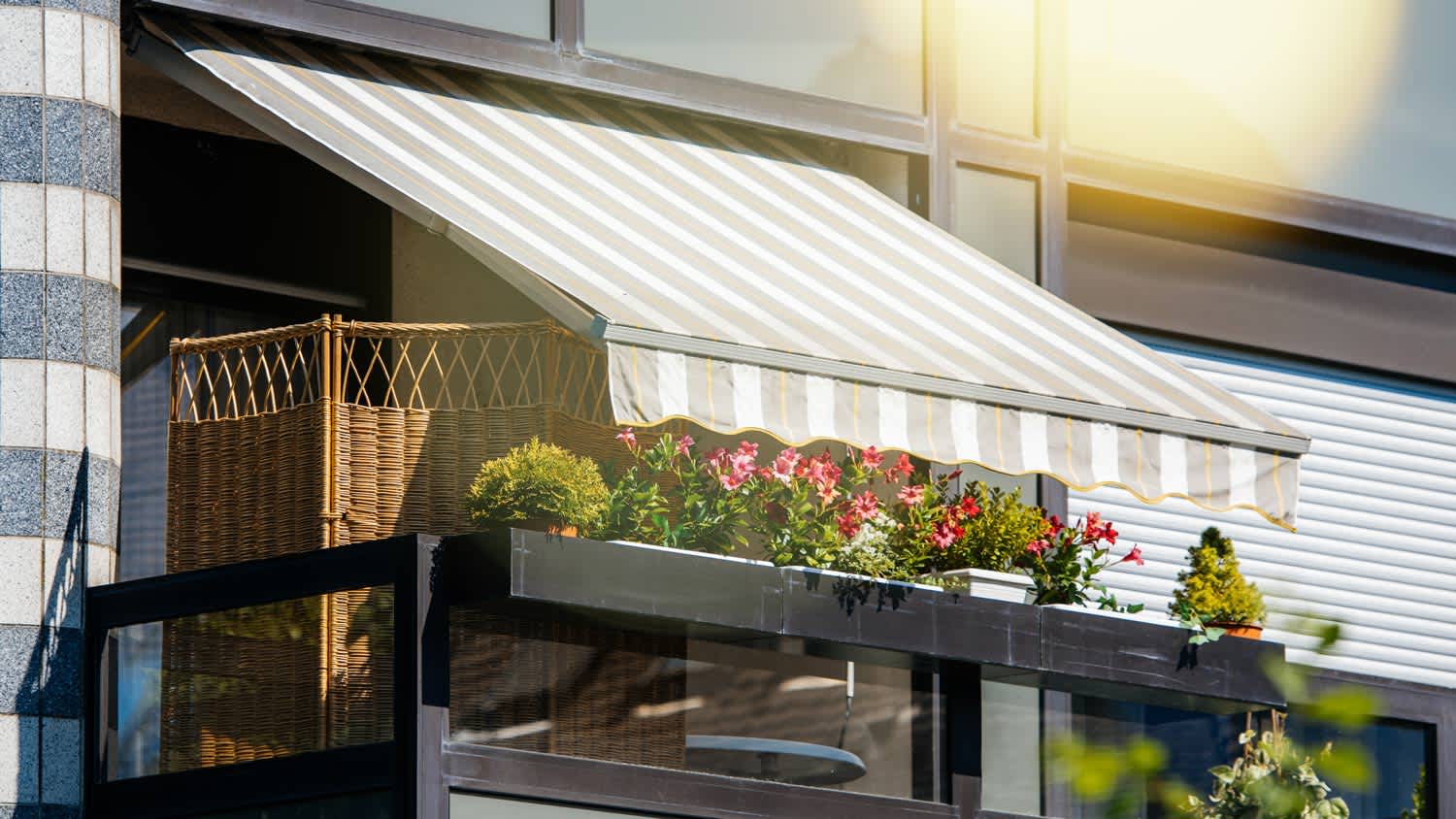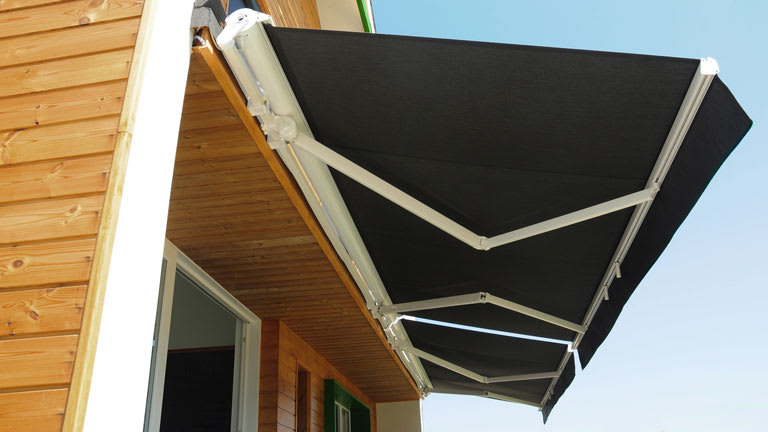

"My wife and I had Chris over to look at our backyard patio and go over options for awning coverage. He was knowledgable and friendly and answered all our questions. We absolutely love our new awning! It's a game changer and we're able to spend more time in our backyard now. I highly recommend calling if you are looking at any type of awning!"
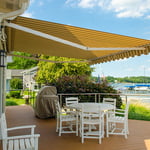
The longest-lasting awning materials include vinyl, polycarbonate, and polyester for their durability and cleanability. Other materials like canvas and metal can last a long time, but may wear out faster. The key to getting the longest life from your awning material is to maintain it properly by cleaning yearly, keeping debris from gathering on it, and protecting it during stormy weather or high winds by retracting it or moving it to a protected area.
Yes, you can install an awning yourself, and it can be an excellent DIY project with immediate benefits. This is most feasible for smaller, pre-assembled units. However, awnings are often heavy and awkward for one person to handle, so you should always have at least one helper. If you have difficulty lifting heavy objects, professional installation is recommended to ensure proper mounting and durability.
The least expensive way to enclose a porch is with screens. These protect the room by preventing insects from entering and, if you live in a warm climate, provide excellent airflow during hot summer months. Screens cost far less than any other alternative, so if you are against getting permits, spending too much, or enclosing your porch in walls or glass, screens are the best choice.
If you're handy, it might be worth trying to install retractable awnings yourself. Just keep in mind that motorized retractable awnings require much more know-how, and the risk of something costly going wrong (such as damaging your new awnings) is higher.
Mechanical awnings should be easy to install for the average person with some handyman skills.
Hurricane fabric is a temporary form of hurricane protection that offers an alternative to boarding up windows or installing traditional storm panels. It is installed over windows, doors, and other openings before a storm. When installed properly, hurricane fabric is tested and proven to protect homes from Category 5 hurricanes, which can have winds over 157 miles per hour. It is intended to block the majority of wind and rain and protect against water, debris, and projectile damage. While the fabric is exceptionally durable, windows can still break if hit directly by high-velocity debris. Compared to other options, hurricane fabric is more protective than hurricane window film. Boarding up windows is more labor-intensive and requires storing heavy plywood, while hurricane screens are permanently attached to your home. To further increase protection, you can take additional steps like securing outdoor items and fortifying your home's foundation.
The Phillips, WI homeowners’ guide to patio cover services
From average costs to expert advice, get all the answers you need to get your job done.
Learn how to hire a fabric awning or patio cover installation pro. Find qualified contractors, ask the right questions, and get your project done right.
Consider these awning questions when installing or replacing a metal awning or patio cover. The answers can determine who you hire and how long the project takes.