






Top-rated energy efficiency auditors.

Get matched with top energy efficiency auditors in Phillips, WI

Enter your zip and get matched with up to 5 pros

Need a pro for your energy efficiency auditing project in Phillips, WI?

Select your specific project to find the pro for you.

Find Energy efficiency auditors in Phillips

Energy Efficiency Auditing questions, answered by experts

Expert installation optimizes insulation properties, cutting energy costs and enhancing home comfort year-round.

A small sump pump running infrequently uses an average of 10 kilowatt-hours (kWh) of electricity per month. The average cost for electricity is $0.171 per kWh. The size and use frequency affect how much electricity it uses. Sump pumps average one-third to one horsepower (hp) motors. One hp is equal to 745.7 watts. Watts multiplied by the time your pump is running divided by 1,000 equals your average kWh. Multiply kWh by your average cost of electricity. In areas with high rain or a marsh basin, the average cost can be as high as $15-$25 a month.

You can save money on heating oil through a combination of improving home efficiency and smart purchasing strategies.

Home Efficiency and Usage:

  • Improve Insulation: Ensure your home, especially the basement and attic, is well-insulated and sealed against drafts to prevent heat leakage.

  • Manage Your Thermostat: Use a properly calibrated and programmable thermostat. Lower the temperature by a few degrees, particularly when you are away from home or asleep.

Purchasing Strategies:

  • Buy in the Off-Season: Order heating oil during the summer months when prices are generally at their lowest. This strategy is most effective if you have a large primary tank or a separate storage tank to accommodate bulk deliveries.

  • Consider a Delivery Contract: Some companies offer contracts with a set price for the term. This can lead to savings if market prices for oil increase, but you might pay more if prices drop.

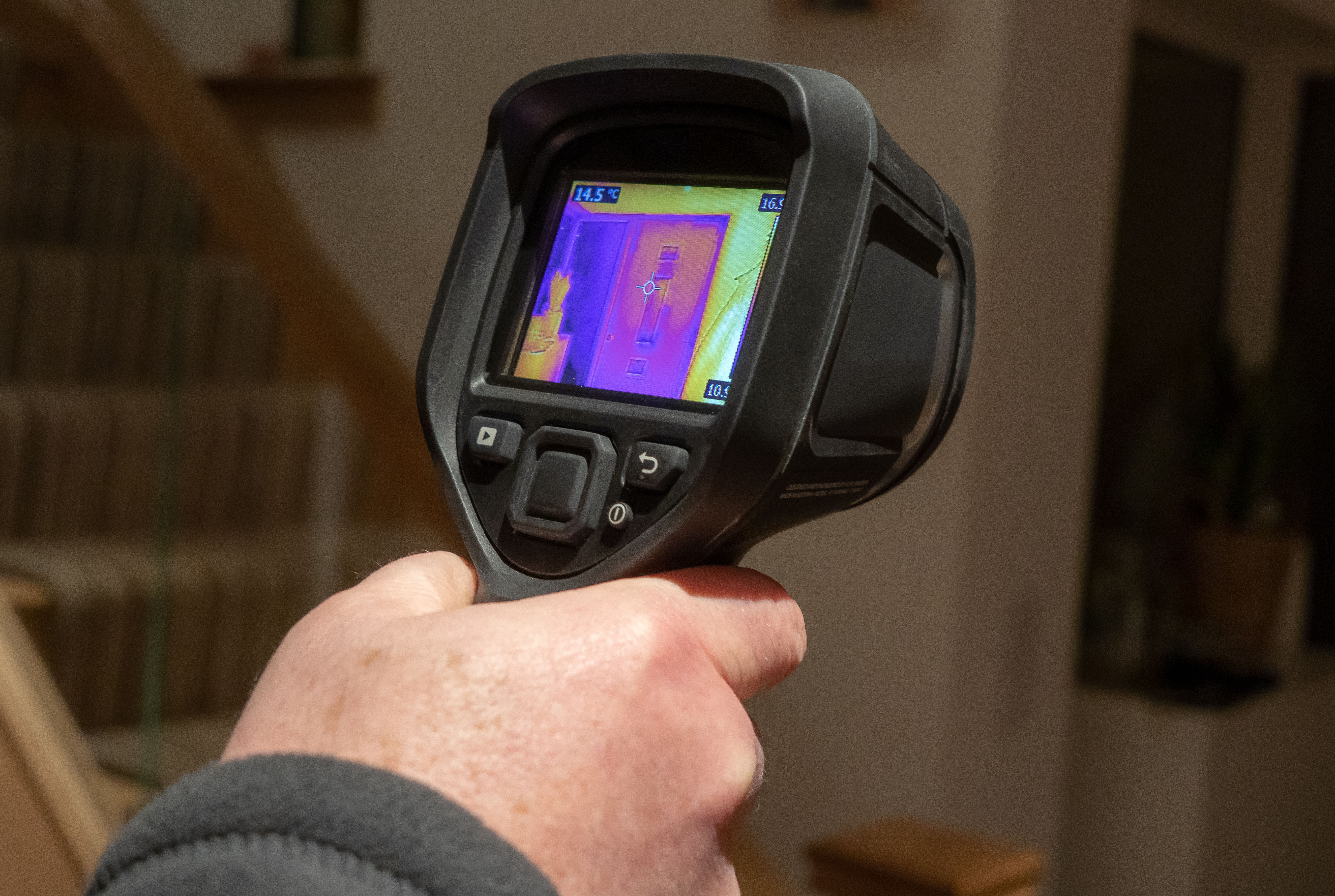
Depending on the level of audit you choose, a home energy audit will at least include a walk-through of the home to determine visible inefficiencies, but may include testing and a highly detailed inspection and report laying out the home’s inefficiencies and providing recommendations to fix those issues. The audit may also include a review of utility bills and mechanical testing. Consult your home energy auditor about the types of services they provide before hiring.

The difference between an energy auditor and a home inspector is primarily in the purpose of the inspection. The energy auditor conducts tests in your home to determine the energy efficiency levels in areas like windows, insulation, and doorways. The auditor then makes recommendations for ways to improve a home’s energy efficiency

A home inspector examines various structures of your home to determine that everything is up to code and gauge the condition of features like the roof, foundation, HVAC, and electrical. The home inspector reports on the overall home and makes repair recommendations.

The Phillips, WI homeowners’ guide to energy efficiency auditing services

From average costs to expert advice, get all the answers you need to get your job done.