




Top-rated landscapers.

Best landscapers near Lancaster, WI

Enter your zip and get matched with up to 5 pros

Need a pro for your landscaping project in Lancaster, WI?

Select your specific project to find the pro for you.

Top-Rated Landscapers in Lancaster - Updated Nov 2026

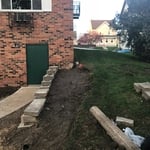
Denny's Excavating
New to Angi
Designer - Landscape

Serving Lancaster, WI and surrounding areas

Approved

In business since 2020

Free estimates

Offers commercial services

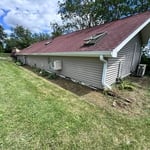
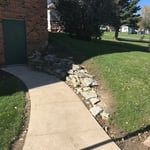
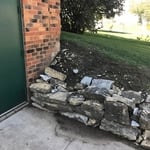
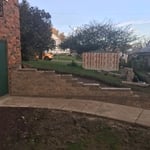
Denny's Excavating is dedicated to providing our customers with the best quality and craftsmanship. We are here to build relationships with our customers and communities and to provide our employees with a great place to work. Our pledge is to create successful relationships with our customers, employees and community by building trust, treating every project with the utmost integrity and exceeding expectations.

...
Showing 1-10 of 68
Landscaping FAQs, answered by experts

In most cases, wait three to five days to repot or relocate a plant from a greenhouse or nursery. That way, your plant has time to recover from any shock during the move and adapt to the conditions in and around your home. Some hearty plants may not need as long, and delicate plants might need several weeks. You should ask the professional at your nursery for a recommended timeline. Consider asking about an initial watering schedule to help stimulate root growth and promote a healthy plant.

The duration of a lakefront landscaping project is determined by its scope, environmental conditions, and weather impacts. It often takes several weeks to a few months to complete.

Yes, you can landscape in the rain, but you should take some precautions to keep yourself and your tools safe. Avoid using electric landscaping tools during rainfall, and don’t mow, thatch, aerate, or rake in the rain, as your tools can more easily tear out roots in the loose soil. Be careful when working on wet grass, and take your time to avoid slipping. Avoid putting in new plants before a particularly bad storm, as heavy rain and strong winds can damage or uproot plants that aren’t yet established.

The best type of rock for landscaping depends on your specific project and needs, as different rocks are suited for different applications. For covering large areas or creating an affordable driveway, consider gravel, but note that it can wash away in flowing water. For water features, river rocks are a good option. Flagstone and cobblestone are ideal for aesthetically pleasing patios and walkways. If you are building a stone wall, fieldstone or small boulders are up to the task. Large boulders and landscape rocks work well as statement pieces, to fill empty space, or to indicate boundaries, but be mindful that they can overwhelm smaller gardens. The best approach is to first define your landscaping project and then select the rock type that best fits that purpose.

Costs for lakefront landscaping are influenced by project size, choice of plants and materials, labor, and any additional features or structures desired. Projects can range from a few thousand dollars to extensive transformations costing much more.

The Lancaster, WI homeowners’ guide to landscaping services

From average costs to expert advice, get all the answers you need to get your job done.