


Top-rated energy efficiency auditors.

Best energy efficiency auditors near Independence, WI

Enter your zip and get matched with up to 5 pros

Need a pro for your energy efficiency auditing project in Independence, WI?

Select your specific project to find the pro for you.

Top-Rated Energy efficiency auditors in Independence - Updated Nov 2026

Avatar for Blue Hills Roofing & Construction LLC
Blue Hills Roofing & Construction LLC
4.0(
43
)
Energy Audit - For BusinessHome Energy Audit

Serving Independence, WI and surrounding areas

In business since 2004

Credit card accepted

"They did a magnificent job of installation and the clean-up was perfect. They removed the old roof quickly, made sure the roof boards were in good shape and put the new roof on in a little over 1 day. They were careful around my plants. We even were able to get some money back for bad shingles that were used on our old roof and the best part was they did all the paperwork!! When they came over to bid the job they were very professional, had a folder with all the information put together with different roofs in the area we could look at before we made our final decision. I highly recommend them to anyone looking for a new roof!!
"
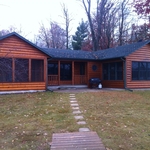
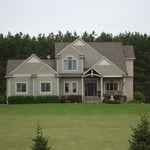
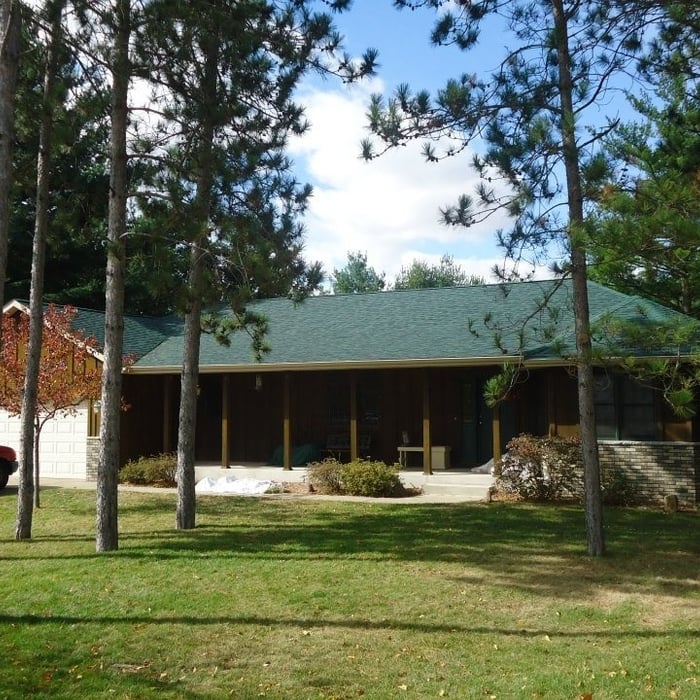
Additional Photos
Additional Photos
Additional Photos
Additional Photos
Additional Photos

+8

Recommended by85%of homeowners
Energy Efficiency Auditing FAQs, answered by experts

Wood windows fall in the middle of the window frame materials when it comes to energy efficiency. They’re more insulating than aluminum and vinyl, but they aren’t as efficient as fiberglass or composite frames. If you love the look and lifespan of wood windows and want to maximize efficiency, you can upgrade to double-pane or triple-pane glass and consider window tinting and low-emissivity (low-E) coatings to minimize heat transfer.

Some types of electric fireplaces use more electricity than others. Models that produce 1,500 watts will have more of an effect on your heating bill than 750-watt models. 

Electric fireplaces use an average of $1.85 of electricity every eight hours. These minimal operational costs aren’t likely to make a big difference in your electric bill—unless you’re using it as a primary heating source for your home and it’s running most of the time.

Setting your AC unit to 78 degrees can, indeed, help you save energy. In fact, according to experts, every degree you turn the unit up could save you between 1% and 3% on your energy bills. That said, turning your unit off entirely while you’re out might actually be less efficient than keeping it on at a higher temperature. Why? The unit will need to work extra hard to cool the house back off again after all those hot hours. 

Attic and whole-house fans improve a home's energy efficiency and comfort. They ventilate hot air from the attic, which reduces peak cooling loads, lowers reliance on air conditioning, and decreases indoor temperatures. This improved air circulation and expedited heat exit helps lower cooling costs, balance moisture levels, and enhance overall natural airflow, contributing to the efficient operation of other home equipment.

String lights require electricity, but not an excessive amount, especially when compared to other lighting fixtures. LED rope lights, for instance, consume around one watt per foot. Running six or seven light strings simultaneously should only cost you around $10 to $15 each month. You can save even more money by remembering to turn off your lights during daylight hours. 

The Independence, WI homeowners’ guide to energy efficiency auditing services

From average costs to expert advice, get all the answers you need to get your job done.