

Top-rated drywall insulation pros.

Get matched with top drywall insulation pros in Howard, WI

Enter your zip and get matched with up to 5 pros

Need a pro for your drywall insulation project in Howard, WI?

Select your specific project to find the pro for you.

TRUSTED BY HOWARD, WI HOMEOWNERS

  • Average homeowner rating star icon4.6
    Average homeowner rating
  • Verified reviews icon83
    Verified drywall insulation services reviews

Find Drywall insulation pros in Howard

Avatar for USA Insulation Green Bay - Fox Valley
USA Insulation Green Bay - Fox Valley
5.0(
9
)
Blown-In Insulation - Install or Upgrade

Serving Howard, WI and surrounding areas

Approved

In business since 2022

Free estimates

Credit card accepted

"They had a great group of people to work with, The crew was there at the appointment time. Nick and his team worked together well to get the job done, including adding insulation to the attic, adding foam to all exterior walls, and insulating in the basement. This was all done in 1 day and they cleaned up after themselves. I would highly recommend them."
USA Insulation Work!

+9

Response time1 day
Response rate87%
35 neighbors recently requested a quote
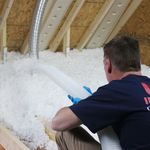
RetroFoam of Wisconsin Inc.
New to Angi
Blown-In Insulation - Install or UpgradeInjection Insulation - Install

Serving Howard, WI and surrounding areas

Approved (Corporate)

Free estimates

Credit card accepted

Offers commercial services

RetroFoam of Wisconsin specializes in RetroFoam injection foam insulation for existing walls, helping homeowners improve comfort and energy efficiency without the mess or disruption of a full remodel. Our insulation solution is designed to reduce drafts, help maintain consistent indoor temperatures, and make homes more comfortable year-round. We serve homeowners across the state. Whether you live in a historic home or a newer build, our team provides a proven insulation solution tailored to your needs.

27 neighbors recently requested a quote
Avatar for Stendahl Exteriors
Stendahl Exteriors
4.1(
252
)
Blown-In Insulation - Install or UpgradeInjection Insulation - InstallInsulation - Install or Upgrade

Serving Howard, WI and surrounding areas

In business since 2005

Credit card accepted

"He came out and checked the roof. Though it is a 35 year old roof, with respect to what its lifespan should be, he noted that it is looking a bit older even though it is only about 25 years old. He said that in a few more years it will be time to replace it. Other than that, there were no major problems to report. So even though it is not good news that I will have to replace it in a few years, I did not get the impression that he was trying to see me one. If I needed a roof I would certainly take an estimate from him."
Before
During
Completion
Before
During

+3

Recommended by82%of homeowners
Showing 1-10 of 22
Drywall Insulation questions, answered by experts

Although they have similar applications, spackle and joint compound are not the same. Their primary differences lie in their composition, consistency, and ideal use cases.

Spackle is composed of gypsum and binding agents, making it thicker than joint compound. It dries quickly and is easy to sand, which makes it ideal for small wall repair projects like filling nail holes or patching minor damage.

Joint compound, also known as drywall mud, consists of limestone and gypsum. It is primarily used for large-scale projects, such as taping and finishing the seams on newly installed drywall. It tends to shrink more than spackle and can be more difficult to spread.

While both products can be used to fill small depressions and cracks, spackle cannot replace joint compound for taping and mudding new drywall. Conversely, you can often use joint compound for small patching jobs typically done with spackle.

You can put drywall mud over paint to even out the surface or entirely resurface it. Sand the surface with 280-grit sandpaper, vacuum the debris and dust with a shop vac, and clean it with a slightly damp cloth. Allow the surface to dry. Apply drywall primer, especially if you’re skim-coating an entire wall. Apply the right type of drywall mud over the surface and smooth it with a trowel. Allow the layer to cure fully, then sand it before applying another layer or painting it.

Both plaster and drywall are durable wall finishes, but they differ significantly in installation, cost, performance, and aesthetics.

Installation & Cost: Drywall installation is faster and more affordable, typically costing $1.50 to $3 per square foot. It uses premade sheets, making it a more accessible DIY project. Plastering is a labor-intensive craft that requires specialized skills, pushing costs to $2 to $10 per square foot. It involves applying a wet paste over a lath framework.

Durability & Performance: Plaster is generally more durable, longer-lasting, and provides superior soundproofing. It is also a better insulator, which can help reduce energy costs. Drywall is easier to remove for future renovations.

Aesthetics: Drywall provides a smooth, uniform surface ready for paint or texture. Plaster offers a high-end, naturally textured look that can hide imperfections and is often preferred for achieving a classic or historic aesthetic.

Which is better? The choice depends on your priorities. Drywall is ideal for those prioritizing a lower upfront cost, faster installation, and DIY potential. Plaster is the better option for a higher-end project where durability, soundproofing, and a unique, premium finish are more important than the initial cost.

While you can put new drywall over old drywall, it’s not always the best option. In some cases, drywalling over drywall can make it harder to find wires and pipes behind your walls and conceal more serious problems with your walls. It can also make the room smaller. On the plus side, putting drywall over drywall can improve soundproofing and insulation. Plus, it’s often less expensive than tearing down and adding new drywall.

Yes, taping inside corners is a critical step in the drywall installation process.  Properly taping inside corners is essential for achieving a professional look, and an installation that resists cracking and maintains its integrity over time. Taping the corners involves the application of a joint compound along the seam where two drywall pieces meet. This process provides reinforcement, conceals the seam, and prevents future gaps or cracks from developing.

The Howard, WI homeowners’ guide to drywall insulation services

From average costs to expert advice, get all the answers you need to get your job done.