"Very good! very timely, Informative they told me what is happening, they used plastic to cover things so that there were no dust. I'm going to try to hire him again on putting some windows and I was very happy ."
"Well it took some time for them to get out there because we had lots of rain that week, but when they showed up, they were great, I cant believe they even took the time to do a little shed for me that was not even in the quote, and did not charge me for it, they said they felt bad because the rain kept delaying them but that was not there fault, wow what a professional company, you don't see guys like Mr. Moss anymore you could tell his work is very important to him....."
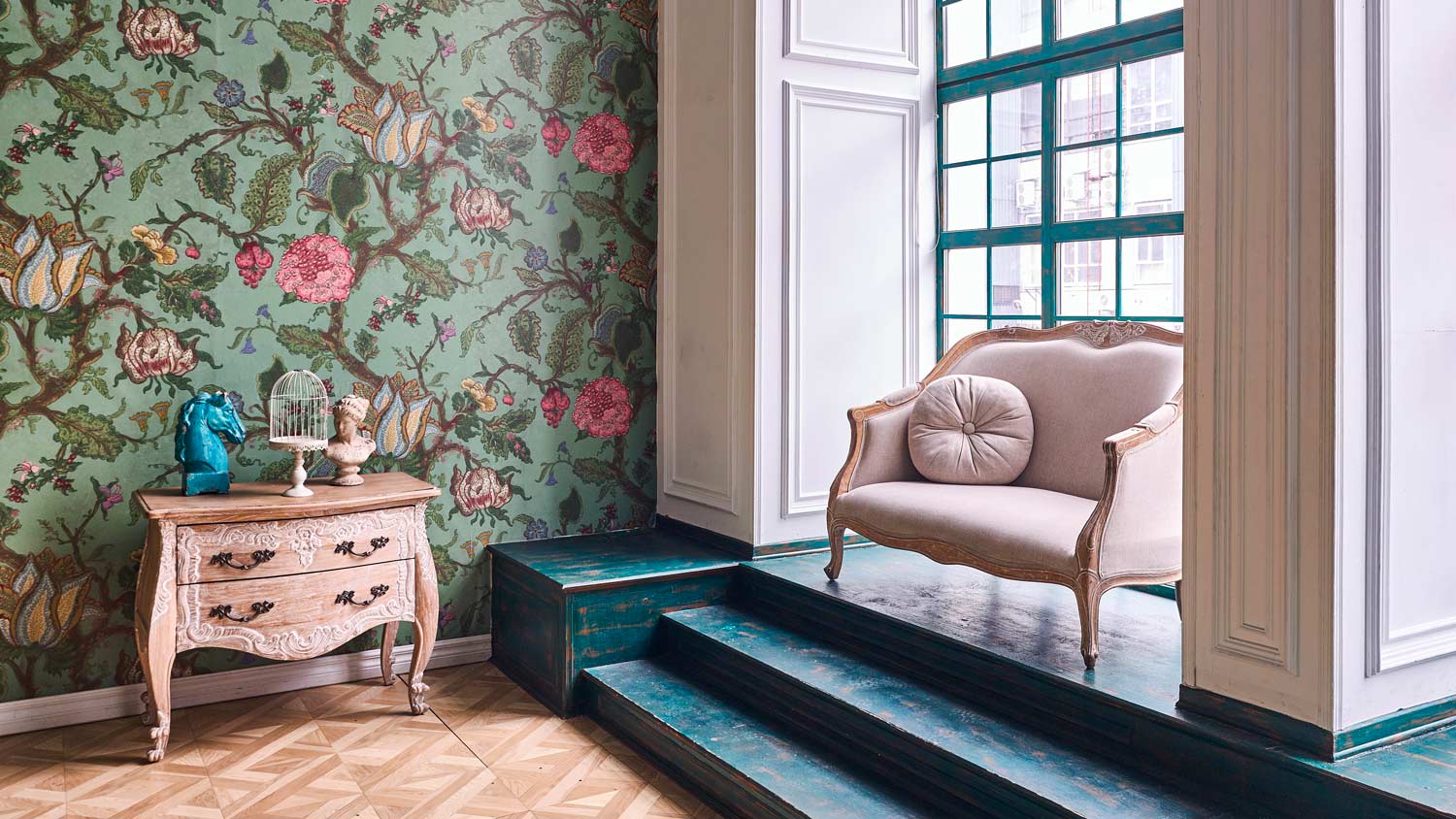
We don’t recommend wallpapering over older paper. That’s because creating layers of glue can invite bubbling or excess moisture on the wall’s surface. You should also prime your wall before applying wallpaper and smooth the wall as much as you can, and another layer of wallpaper complicates this process.
The average cost to remove wallpaper is $790. The final price tag depends on the size of the room and the complexity of the project, and can range from $200 to $2,000. Usually, removing peel-and-stick wallpaper is on the lower end of the cost scale, as it doesn't require special tools to remove.
Yes, many types of peel-and-stick wallpaper can be used in bathrooms, especially those made of vinyl or polyester. However, its success depends heavily on the level of moisture and ventilation. In bathrooms with good ventilation, such as those with fans, it can be a durable option. Peel-and-stick wallpaper may not adhere as well as traditional wallpaper in very humid conditions. For bathrooms that see a lot of moisture, like a kids' bathroom or a full bath with a steamy shower and poor ventilation, even high-quality peel-and-stick wallpaper is likely to peel over time.
One of the biggest downsides to peel-and-stick wallpaper is that it doesn't last as long as traditional wallpaper. Its lifespan depends on several factors, including the quality of the paper, proper wall preparation and application, and the room's conditions. As a general rule, peel-and-stick wallpaper can last for at least five years, but this can vary significantly. Budget products may only last about 3 years, while higher-quality products can stay up for 7 years or more in ideal conditions. Factors that can shorten its lifespan include high humidity (such as in a bathroom), dirty walls, and low-quality paper. If used on flooring, expect it to last only 1 to 3 years unless sealed. However, the shorter lifespan can be seen as a positive, making it a great choice for people who enjoy switching up their interiors more frequently.
Professionals handle heavy lifting, proper disposal, and recycling, reducing environmental impact.
The Florence, WI homeowners’ guide to wallpaper removal services
From average costs to expert advice, get all the answers you need to get your job done.
Skim coating drywall is a great alternative to replacement, and is often more affordable. Use this guide to estimate the cost to skim coat walls in your home.
Discover wallpaper installation cost. Learn about material, labor, and project factors to estimate your budget and make informed choices for your home.
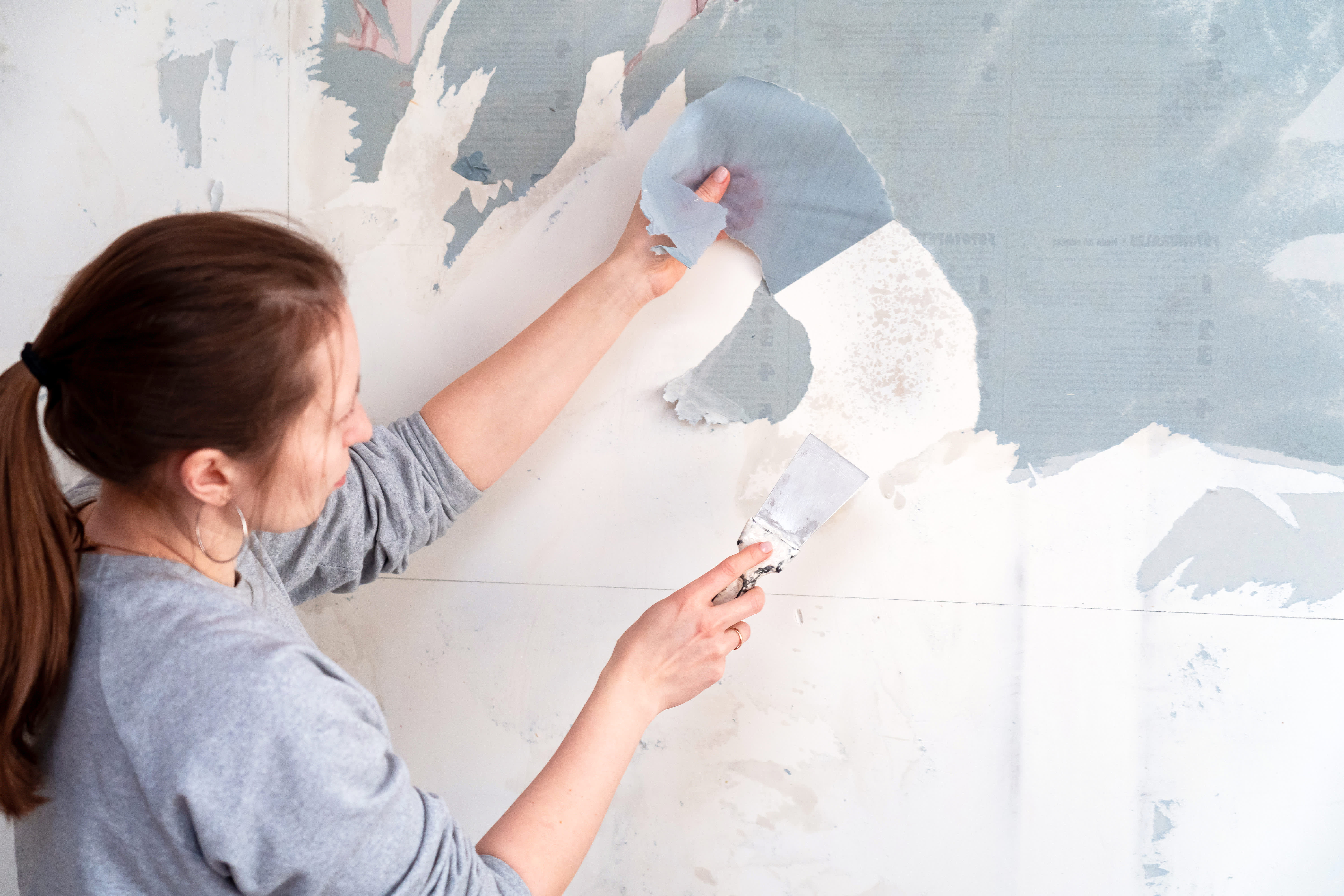
Planning a room update? Learn about the wallpaper removal process, costs to expect, and how to find and hire the right local pro for a paint-ready finish.
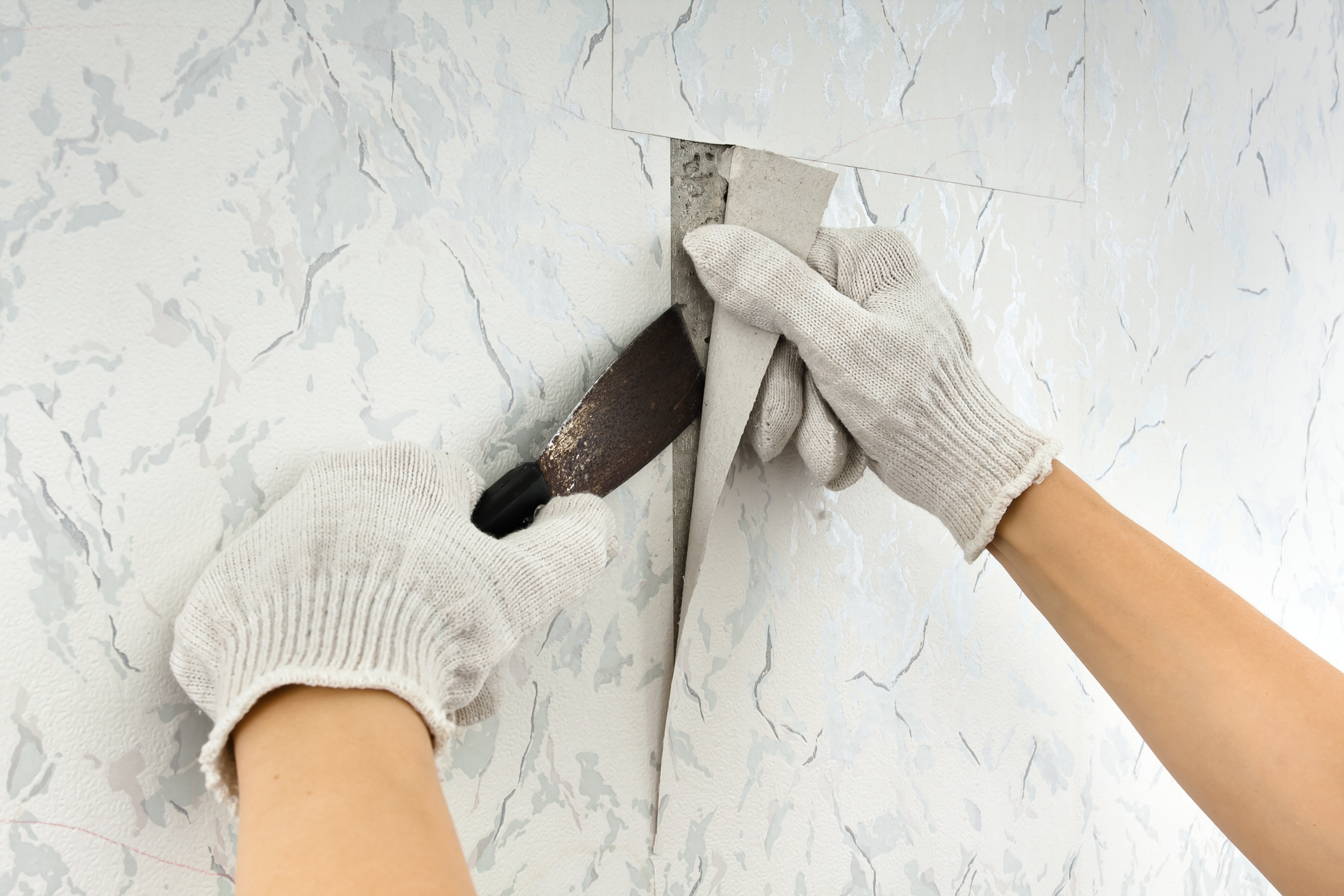
Wallpaper removal requires physical labor and can be a sticky mess. Consider these tips on the best ways to remove wallpaper to make the process as smooth as possible.