


Top-rated excavation pros.

Get matched with top excavation pros in Evansville, WI

Enter your zip and get matched with up to 5 pros

Need a pro for your excavation project in Evansville, WI?

Select your specific project to find the pro for you.

Find Excavation pros in Evansville

Avatar for Jay's Lawn & Landscape
Jay's Lawn & Landscape
4.1(
9
)
Landscape - Minor Grading or Resloping

Serving Evansville, WI and surrounding areas

Approved

In business since 2018

Free estimates

Offers commercial services

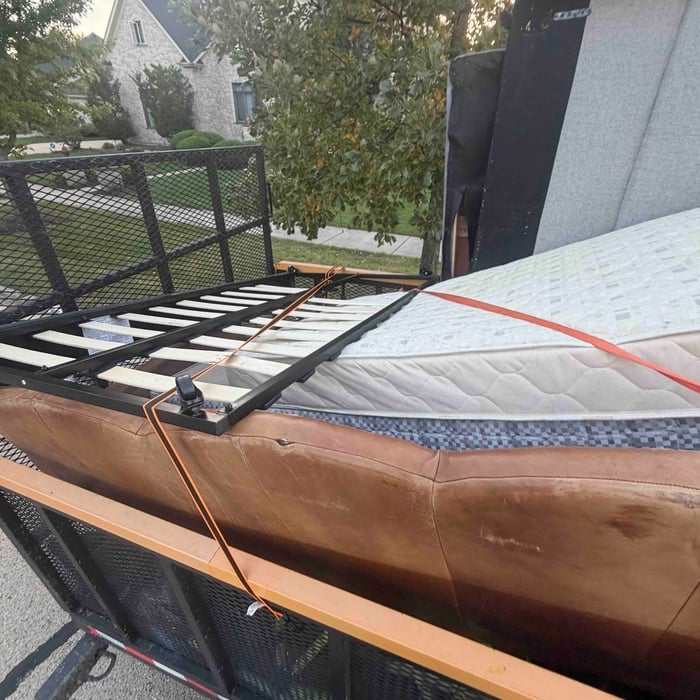
"Friendly, prompt service at a great price. We had an old piano removed (and a few other things they were willing to take) and they got the job done in no time. I was also able to get this done within just a couple of days from the time I searched for options. Very pleased and will be keeping them in mind for anything I need hauled away in the future."
Lawn
1 neighbors recently requested a quote
Dillion Woollums
New to Angi
Excavation - Major Grading or ReslopingExcavation - Major Grading or Resloping - For Business

Serving Evansville, WI and surrounding areas

Approved

In business since 2022

Free estimates

Credit card accepted

Welcome to our page! We take pride in the quality of work and customer satisfaction that we give each and every customer. We are known to pay exquisite attention to detail while making customer satisfaction our top priority. Call us today to learn more about how we can help you!

...
Showing 1-10 of 58
Excavating questions, answered by experts

As a general rule, the protected area should be about 1½ times as wide as the canopy of the tree’s leaves. This digging measurement can vary by tree species and the age of the tree. Of course, that can be a lot of fencing for larger trees, which is why our first step is about making difficult decisions on which trees to save.

A trench that is less than 5 feet deep often doesn't require a protective system. Most residential trenches will not go this deep (the typical residential drainage trench is just 18 inches deep). In the event that an excavator needs to dig more than 5 feet beneath the surface, a protective system is required unless the excavation is in entirely stable rock.

Yes, professional installations include trenching or borehole drilling required for ground loops.

There are several methods to hollow out a tree stump, and the best one depends on your tools, experience, and priorities. Common methods include using a chisel and hammer, a chainsaw, or burning.

  • Chisel and Hammer: This is often considered the easiest approach for those with limited tools or experience, though it is the most time-consuming.

  • Chainsaw: Using a chainsaw is the fastest method, but it comes with significant safety risks, especially for inexperienced users.

  • Burning: This can be an effective method, but it is not recommended unless you can first drill holes into the stump. Without holes, the stump will be difficult to light and may not burn completely through.

A power drill with at least a ⅜-inch diameter bit can make the job quicker and easier, regardless of the primary method. While you can use a chisel or chainsaw without a drill, it will require more time and effort. Always wear protective goggles and thick gloves, as splinters are an inevitable risk.

We recommend removing the stump, and grinding is a popular way to do it. You can also dig out small stumps or stumps that have fully decayed instead of grinding them. However, don’t try using acids or fire for killing a tree stump, which is a fire hazard and illegal in many areas.

Leaving the stump alone invites eventual problems, including attracting termites, mold, and fungi.

The Evansville, WI homeowners’ guide to excavation services

From average costs to expert advice, get all the answers you need to get your job done.